Summary
The pharaohs ruled Egypt for about 3,000 years, from the unification of the country around 3100 BC to the death of Cleopatra in 30 BC. Around 170 rulers are known, grouped by historians into about 30 dynasties. A pharaoh was king, high priest and the living link between the gods and the people, responsible for keeping maat, the order of the universe.
This guide explains what a pharaoh was, walks through the great periods of Egyptian history, introduces the kings and queens worth knowing, and shows where their tombs, temples and mummies can be seen today.
What Does "Pharaoh" Mean?
The word comes from the Egyptian per-aa, “the great house”, which first meant the royal palace. Only from the New Kingdom, around the reign of Thutmose III, was it used for the king himself. Egyptians more often called their ruler nesu, “king”, or “His Majesty”.
Every pharaoh had five official names. The two most important were written inside a cartouche, the oval ring you see on temple walls: the throne name, taken at the coronation, and the birth name, such as Ramesses or Thutmose.
Symbols of Power: Crowns, Crook and Flail
- The double crown: the white crown of Upper Egypt combined with the red crown of Lower Egypt, the symbol of a united country.
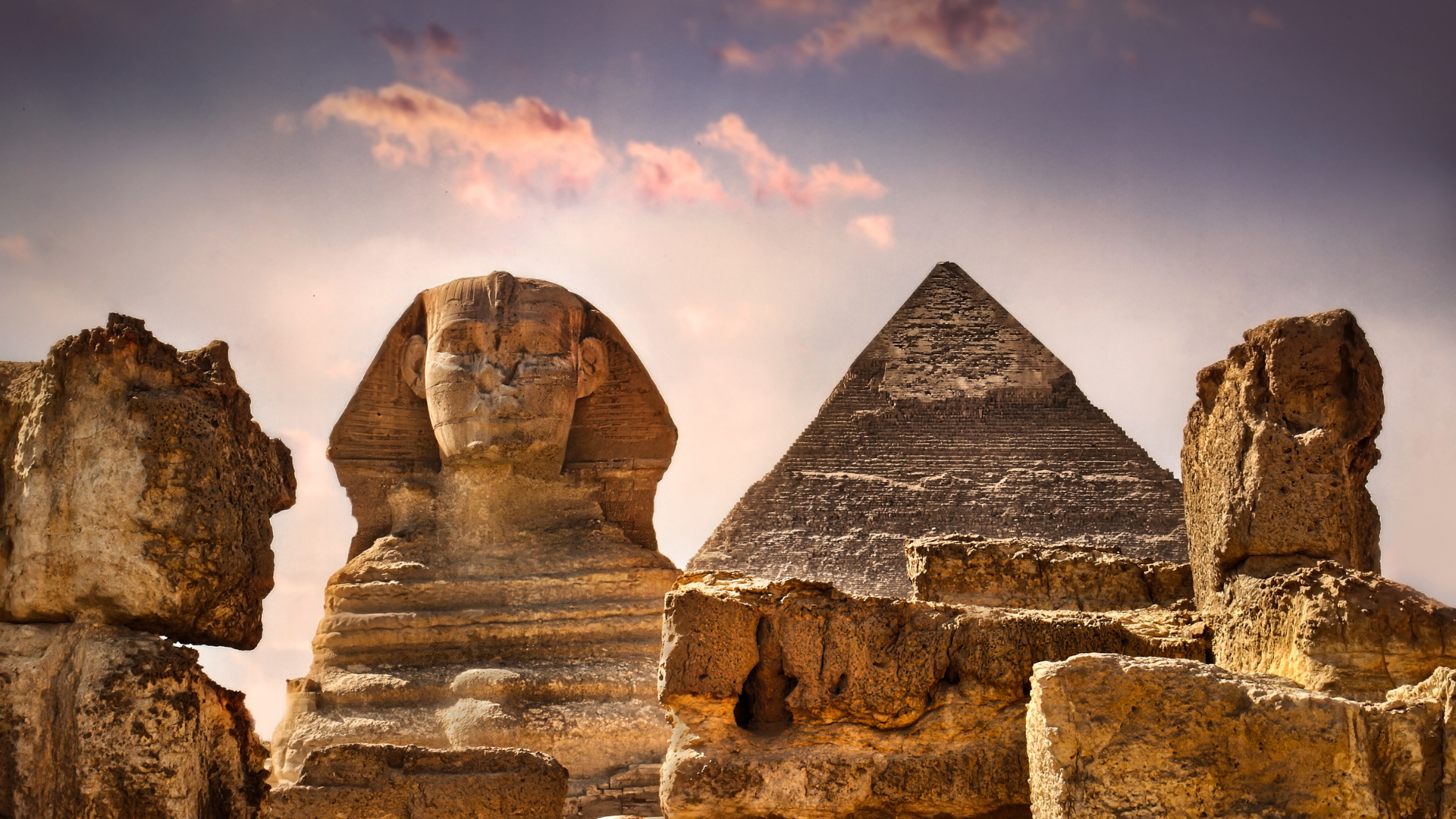
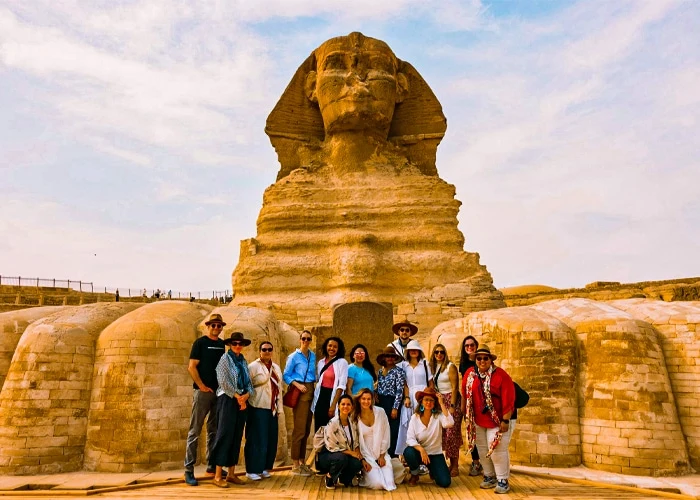
- The nemes headdress: the striped cloth worn by the Sphinx and on Tutankhamun’s golden mask.
- The uraeus: a rearing cobra on the brow, ready to spit fire at the king’s enemies.
- The crook and flail: the shepherd’s crook of the ruler who guides his people, and the flail of the god Osiris.
- The false beard: a plaited ceremonial beard, worn even by Hatshepsut in her statues.
Three Thousand Years in Brief

| Period | Dates (approx.) | What happened |
|---|---|---|
| Early Dynastic | 3100–2686 BC | Narmer unites Upper and Lower Egypt; Memphis becomes the capital. |
| Old Kingdom | 2686–2181 BC | The age of the pyramids: Djoser, Sneferu, Khufu, Khafre. See the Old Kingdom. |
| First Intermediate | 2181–2055 BC | Central power breaks up among regional rulers. |
| Middle Kingdom | 2055–1650 BC | Egypt reunited from Thebes; a classic age of literature and art. |
| Second Intermediate | 1650–1550 BC | The Hyksos rule the north until expelled from Thebes. |
| New Kingdom | 1550–1069 BC | The empire: Hatshepsut, Thutmose III, Akhenaten, Tutankhamun, Ramesses II; tombs in the Valley of the Kings. |
| Third Intermediate and Late Period | 1069–332 BC | Libyan, Nubian and Persian dynasties alongside Egyptian kings. |
| Ptolemaic | 332–30 BC | Greek kings after Alexander the Great; the great temples of Edfu, Dendera and Philae; ends with Cleopatra VII. |
The Most Famous Pharaohs
- Narmer: traditionally the first king of a united Egypt, shown on the Narmer Palette.
- Djoser: built the Step Pyramid at Saqqara, the first monumental stone building, designed by his architect Imhotep.
- Khufu: builder of the Great Pyramid of Giza.
- Hatshepsut: a woman who ruled as pharaoh for about 20 years and built the terraced temple at Deir el-Bahari.
- Thutmose III: Egypt’s greatest general, who fought 17 campaigns and pushed the empire to the Euphrates.
- Amenhotep III: a rich, peaceful reign; the Colossi of Memnon are what remains of his memorial temple.
- Akhenaten: the heretic king who worshipped one god, the Aten, and moved the capital to Amarna; husband of Nefertiti.
- Tutankhamun: a minor king made famous by the discovery of his almost intact tomb in 1922.
- Ramesses II: 66 years on the throne and more monuments than any other king.
- Cleopatra VII: the last ruler of independent Egypt, who died in 30 BC.
8-Day Cairo, Siwa and White & Black Desert Adventure
Planning the trip itself? Start here.
View This TripWomen Who Ruled Egypt
Egypt was unusual in the ancient world for its powerful women. Merneith may have ruled in the First Dynasty, Sobekneferu at the end of the Middle Kingdom, and Twosret at the end of the 19th Dynasty. Hatshepsut took the full titles of a king; Nefertiti may have ruled after Akhenaten; and Cleopatra VII governed in her own right. Queens such as Tiye and Nefertari also held real influence.
Where to See the Pharaohs Today
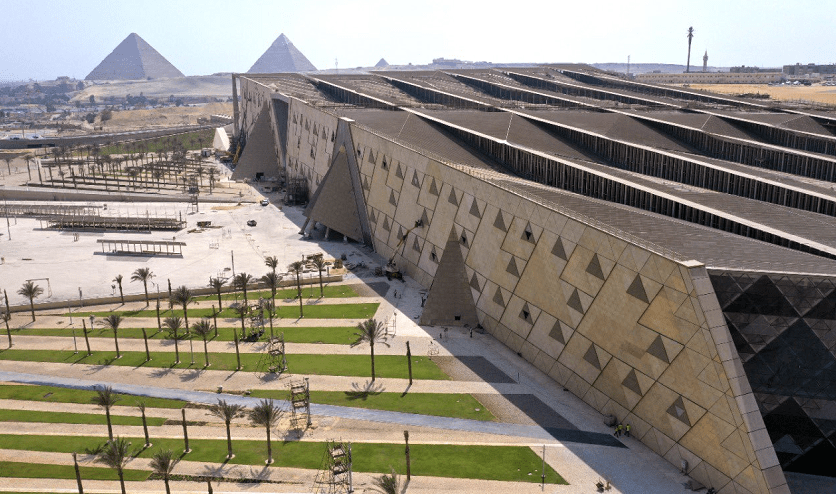
- The Grand Egyptian Museum: Tutankhamun’s complete treasure, shown together for the first time, and the colossus of Ramesses II.
- The National Museum of Egyptian Civilization: the Royal Mummies Hall, with kings such as Seti I, Ramesses II and Thutmose III, and queens including Hatshepsut.
- The Egyptian Museum in Tahrir: the Narmer Palette and thousands of royal statues.
- The Valley of the Kings: the tombs of the New Kingdom pharaohs, including Tutankhamun’s.
See them on our Cairo day tours, Luxor tours or a complete Egypt tour package.
Keep Exploring Ancient Egypt
- Ramesses II
- How the pyramids were built
- The Great Sphinx
- Queen Nefertari
- The Old Kingdom
- Ancient Egyptian gods
- Ancient Egyptian architecture
Ready to see it for yourself? Browse our Egypt tour packages or ask for a tailor-made trip built around the sites you want to see.
Egyptian Pharaohs FAQ
How many pharaohs were there?
Around 170 rulers are known, grouped into about 30 dynasties over roughly 3,000 years. The exact number is uncertain because some reigns are poorly recorded.
Who was the first pharaoh of Egypt?
Tradition names Narmer (often identified with Menes) as the king who united Upper and Lower Egypt around 3100 BC.
Who was the last pharaoh?
Cleopatra VII, who died in 30 BC, after which Egypt became a province of Rome.
Who was the most famous pharaoh?
Tutankhamun is the best known today because of his treasure; Ramesses II and Khufu were the most powerful builders.
Were there female pharaohs?
Yes. Hatshepsut ruled as king for about 20 years, and Sobekneferu, Twosret and Cleopatra VII also ruled in their own right.