


 Day Tour
 Cruise Ship
Testimonials
Our Clients Reviews
See what our happy travelers say about us

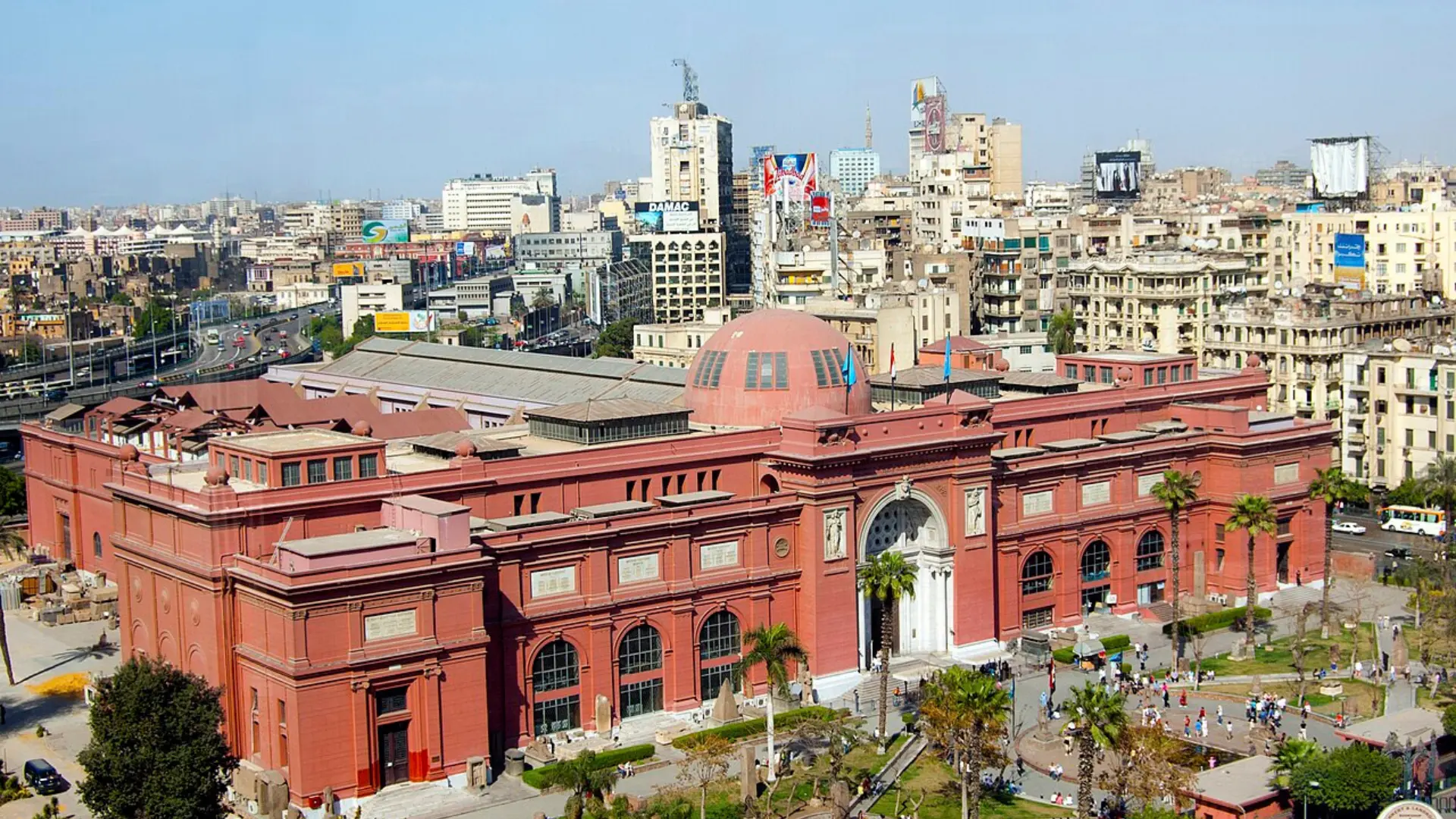
The Egyptian Museum in Tahrir Square is the oldest and most encyclopedic museum of ancient Egyptian art and artifacts in the world, containing over 120,000 objects spanning from the Predynastic period through the Greco-Roman era. Opened in its current neoclassical building in 1902 and occupying the symbolic center of Cairo adjacent to Tahrir Square, the museum has been the primary repository of Egyptian antiquities for over a century and remains the largest single collection of ancient Egyptian material anywhere on earth, even as some of its greatest treasures have been transferred to the new Grand Egyptian Museum in Giza.
The museum’s galleries range across two floors organized roughly by period and type — the ground floor for large statuary and architectural elements, the upper floor for smaller objects, papyri, jewelry, and royal mummies. The density of the collection is extraordinary: virtually every corridor and room contains objects of museum-quality significance, and a comprehensive visit in a single day is not possible. Highlights include the Narmer Palette (the earliest surviving historical document from Egypt), the royal statuary of the Old and Middle Kingdoms, the contents of Tutankhamun’s tomb in dedicated galleries, the Royal Mummies Room (being phased to NMEC), and the Amarna Period gallery with its distinctive artistic style.
The museum is undergoing a gradual transition as its most celebrated objects are transferred to the Grand Egyptian Museum — a process expected to take years — meaning the collection and its arrangement are actively changing.
Egypt’s first formal antiquities museum was established by French Egyptologist Auguste Mariette in Bulaq in 1858, using a converted building in the Nile Delta port to house the growing collection of excavated objects. The collection moved to Giza in 1890 before its permanent home in Tahrir Square opened in 1902, designed by the French architect Marcel Dourgnon. The building, with its pink neoclassical facade and domed central hall, was specifically built to house the Egyptian collection and has not been fundamentally altered since.
The museum’s founding director system, initially French-dominated, was gradually Egyptianized through the 20th century. The discovery of Tutankhamun’s intact tomb (KV62) in 1922 brought the museum’s most spectacular new accession — over 5,000 objects from the tomb were catalogued and displayed over subsequent decades and became the museum’s most-visited attraction.
With the inauguration of the Grand Egyptian Museum in 2023, the Egyptian Museum in Tahrir has begun a process of reorientation — some objects have been transferred, others remain, and the museum’s long-term role as a ‘legacy collection’ institution for scholars and as a visitor destination in central Cairo is being developed alongside the new facility in Giza.
Dedicated galleries displaying over 5,000 objects from the only substantially intact royal New Kingdom tomb — gilded shrines, chariots, furniture, ritual objects, and jewelry from the 1922 Howard Carter discovery.
The earliest surviving historical document from ancient Egypt — a carved slate palette from c. 3100 BCE recording Narmer's unification of Upper and Lower Egypt in the world's first political narrative image.
The Seated Scribe, the Rahotep and Nofret painted limestone group, and major Old Kingdom royal sculpture — the most significant concentration of early pharaonic royal portraiture in any single museum.
Objects from the reign of Akhenaten in the distinctive elongated Amarna style — including royal statues, relief fragments, and the haunting naturalistic portrait heads from his atelier.
The Dahshur Treasure jewelry belonging to 12th Dynasty princesses — gold, lapis lazuli, and carnelian pectorals and crowns representing the peak of Middle Kingdom goldsmithing.
Packages travelling to Cairo, where The Egyptian Museum is located.

Start From


Start From


Start From

See what our happy travelers say about us



