Summary
The Old Kingdom, from about 2686 to 2181 BC, was the age of the pyramids. Over five centuries and four dynasties (the 3rd to the 6th), Egypt’s kings ruled from Memphis, near modern Cairo, and built the Step Pyramid, the pyramids of Dahshur and the pyramids of Giza. It was a time of strong central government, great art and the first religious texts, and it ended in a long period of division.
Memphis, the First Capital
Memphis, at the point where the Nile Valley opens into the Delta, was the political and religious centre of the Old Kingdom. Its royal cemeteries stretch for about 30 km along the edge of the desert: Abu Rawash, Giza, Abusir, Saqqara and Dahshur. Together they form the UNESCO World Heritage Site “Memphis and its Necropolis”.
The 3rd Dynasty: Djoser and Imhotep
Around 2670 BC, King Djoser’s architect Imhotep did something new: instead of a flat mudbrick mastaba tomb, he built in stone, stacking six levels into the Step Pyramid at Saqqara, surrounded by a huge walled complex of courts and shrines. Imhotep was later worshipped as a god of medicine and wisdom; the Imhotep Museum at Saqqara tells his story.
The 4th Dynasty: The Great Pyramids

- Sneferu built more stone than any other king: the pyramid at Meidum, the Bent Pyramid and the Red Pyramid, the first true pyramid.
- Khufu, his son, built the Great Pyramid of Giza.
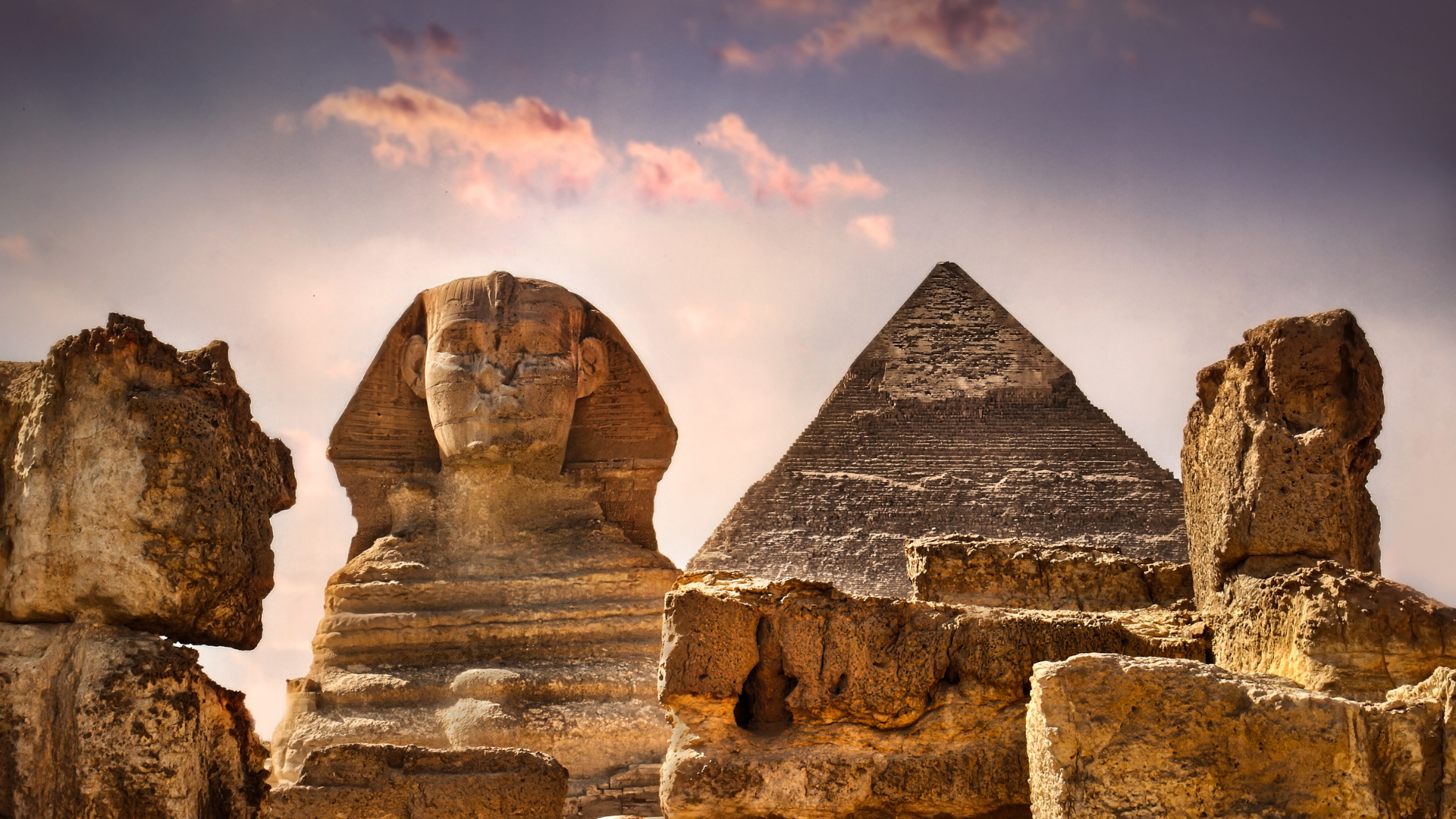
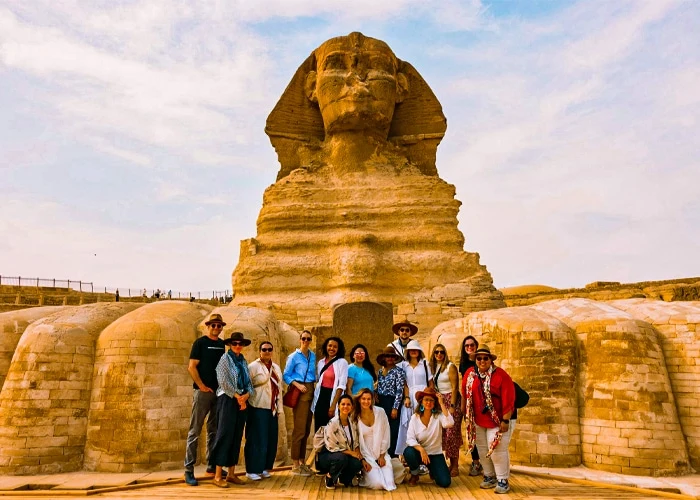
- Khafre built the second pyramid and, most likely, the Great Sphinx.
- Menkaure built the third and smallest of the Giza pyramids, with granite casing on its lower courses.
The 5th and 6th Dynasties: Sun Temples and Pyramid Texts
Later kings built smaller pyramids and invested in temples to the sun god Ra, such as the sun temples at Abu Gorab. Officials built rich mastaba tombs at Saqqara; those of Ti and Mereruka are decorated with lively scenes of farming, fishing, boat-building and daily life.
Around 2350 BC, King Unas had the walls of his burial chamber at Saqqara covered with hieroglyphic spells to help him reach the afterlife. These Pyramid Texts are the oldest religious writings in the world. Pepi II, of the 6th Dynasty, is said to have reigned for more than 60 years, one of the longest reigns in history.
Life in the Old Kingdom
The king was a god on earth, and the whole country was organised around him: scribes counted harvests and cattle, officials governed the provinces, and thousands of workers were fed by the state while building the royal tombs. Art set the rules that would last for 3,000 years: the striding figure, the head in profile with the eye seen from the front. Statues such as the seated scribe and Prince Rahotep and his wife Nofret, now in the Egyptian museums, look as alive as the day they were made.
8-Day Cairo, Siwa and White & Black Desert Adventure
Planning the trip itself? Start here.
View This TripWhy the Old Kingdom Ended
By the end of the 6th Dynasty, power had shifted from the king to the provincial governors, the nomarchs, who passed their posts to their sons and built their own tombs at home. A long reign, a weakened treasury and a series of low Nile floods, linked to a drier climate across the region around 2200 BC, brought hunger and disorder. Egypt split into rival centres in the First Intermediate Period, until it was reunited from Thebes about 150 years later.
Visiting the Old Kingdom Sites
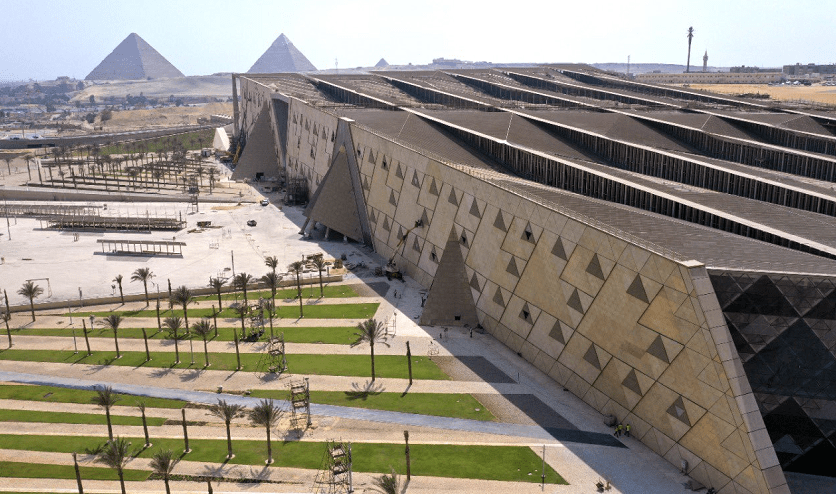
All the great Old Kingdom sites are within an hour or two of Cairo: Giza, Saqqara, Dahshur and Memphis can be combined in one long day. See our Cairo and Giza tours, and the masterpieces of the period at the Grand Egyptian Museum and the Egyptian Museum. For the whole story, read our guide to the Egyptian pharaohs.
Keep Exploring Ancient Egypt
- Ramesses II
- The Egyptian pharaohs
- How the pyramids were built
- The Great Sphinx
- Queen Nefertari
- Ancient Egyptian gods
- Ancient Egyptian architecture
Ready to see it for yourself? Browse our Egypt tour packages or ask for a tailor-made trip built around the sites you want to see.
Old Kingdom FAQ
When was the Old Kingdom of Egypt?
From about 2686 to 2181 BC, the 3rd to 6th Dynasties.
Why is it called the Age of the Pyramids?
Because almost all of Egypt's great pyramids, from Djoser's Step Pyramid to the pyramids of Giza, were built in this period.
What was the capital of the Old Kingdom?
Memphis, south of modern Cairo.
What are the Pyramid Texts?
Spells carved inside the pyramid of Unas at Saqqara, around 2350 BC, and later pyramids: the oldest religious texts in the world.
Why did the Old Kingdom collapse?
A combination of weakening royal power, rich provincial governors and years of low Nile floods during a drier climate around 2200 BC.