Summary
The ancient Egyptians worshipped hundreds of gods, many shown with an animal’s head: the falcon Horus, the jackal Anubis, the ibis Thoth. Some were worshipped across the whole country, others only in one town. Their stories explained the sunrise, the Nile flood, death and the afterlife, and their temples are what most visitors come to Egypt to see.
This guide introduces the gods you will meet on temple walls, the great myth of Osiris, and the temples where each one was worshipped.
The Gods You Will Meet in the Temples
| God | Shown as | Role | Where to see |
|---|---|---|---|
| Ra | Falcon head with sun disc | The sun god, creator; crosses the sky by day and the underworld by night | Abu Simbel, tombs in the Valley of the Kings |
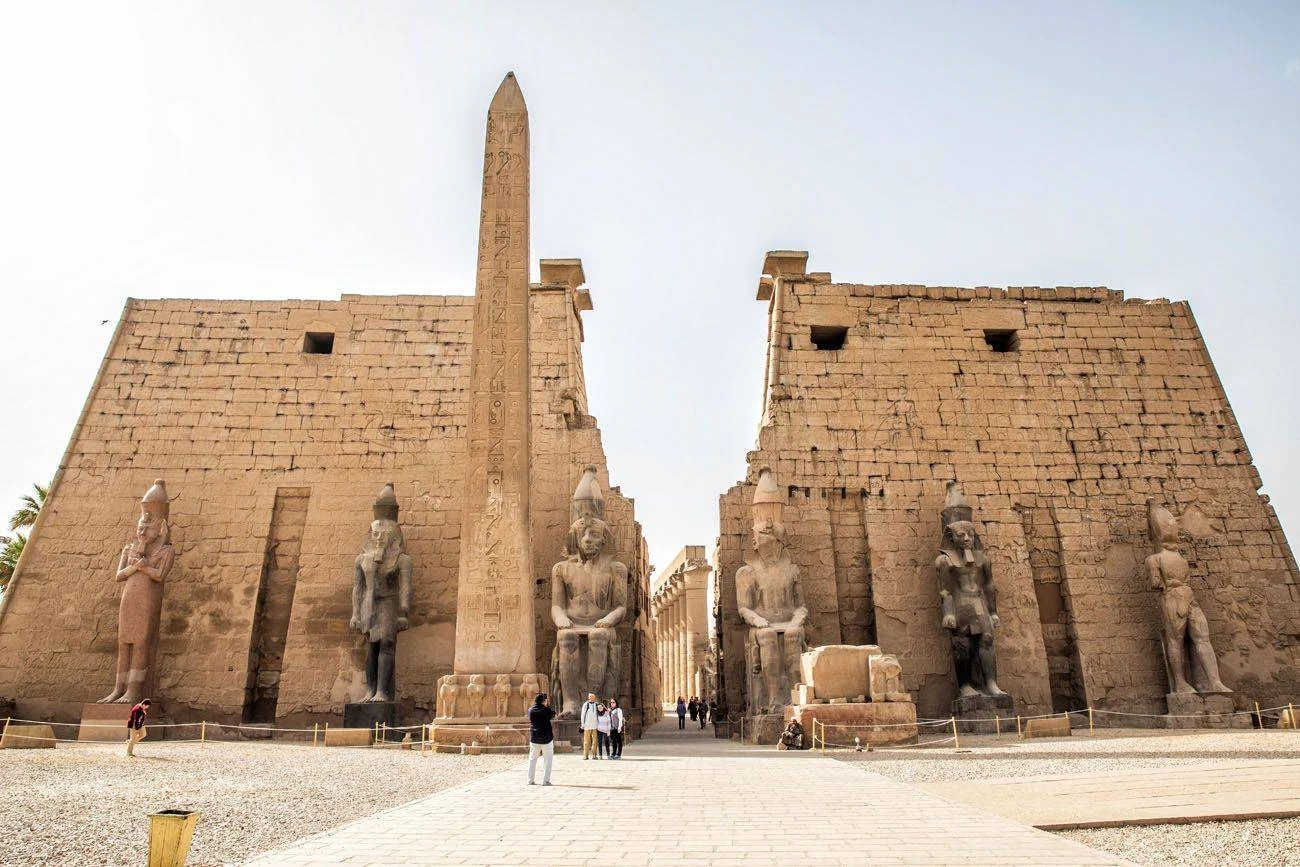
| Amun (Amun-Ra) | Man with two tall plumes | “The hidden one”, king of the gods in the New Kingdom | Karnak, Luxor Temple |
| Osiris | Mummified king, green or black skin | God of the dead, the afterlife and rebirth | Abydos |
| Isis | Woman with a throne on her head | Wife of Osiris, mother of Horus, great magician | Philae |
| Horus | Falcon, or man with a falcon’s head | Sky god, protector of the king | Edfu |
| Hathor | Cow, or woman with cow’s ears or horns and sun disc | Love, music, joy and motherhood | Dendera, the small temple at Abu Simbel |
| Anubis | Jackal | Guardian of the dead and of mummification | Tombs; Mummification Museum in Luxor |
| Thoth | Ibis, or baboon | Writing, wisdom and the moon | Temple walls everywhere |
| Sobek | Crocodile | Power of the Nile, fertility | Kom Ombo and its Crocodile Museum |
| Ptah | Mummified man with a skullcap | Creator god of Memphis, patron of craftsmen | Memphis, Karnak |
| Khnum | Ram | Shaped people on his potter’s wheel; guardian of the Nile’s source | Esna, Elephantine Island |
| Bastet and Sekhmet | Cat; lioness | Home and protection; war and plague | Karnak (statues of Sekhmet) |
The Myth of Osiris, Isis and Horus
The most important Egyptian story begins with Osiris, a good king who taught people farming. His jealous brother Set killed him and scattered his body across Egypt. His wife Isis searched the country, gathered the pieces and, with Anubis, wrapped them into the first mummy. With her magic she brought Osiris back to life long enough to conceive a son, Horus.
Osiris became king of the underworld. Horus, hidden in the marshes as a child, grew up to fight Set for the throne of Egypt, losing an eye in the struggle, which was healed by Thoth. The wedjat eye of Horus became a symbol of healing and protection. Every living pharaoh was a “Horus”, and every dead pharaoh became one with Osiris.
The story is carved on the walls of the Temple of Horus at Edfu, and the Osiris chapels on the roof of Dendera describe his rebirth.
The Weighing of the Heart

Egyptians believed that after death the heart was weighed on a scale against the feather of Maat, the goddess of truth and order, while Anubis checked the balance and Thoth recorded the result. A heart heavy with wrongdoing was eaten by the monster Ammit; a light heart allowed the dead person to join Osiris in the Field of Reeds. The scene appears in copies of the Book of the Dead, the collection of spells placed in tombs.
Creation and the Sun
In the Heliopolis story of creation, the god Atum rose from the dark waters of chaos, Nun, and created air (Shu) and moisture (Tefnut). Their children were the earth (Geb) and the sky (Nut), whose body arches over the ceilings of many tombs and temples, and Nut’s children were Osiris, Isis, Set and Nephthys. Every evening Nut swallowed the sun, and every morning gave birth to it again.
For a short time, King Akhenaten tried to replace all the gods with one, the sun disc Aten. After his death, the old gods returned.
8-Day Cairo, Siwa and White & Black Desert Adventure
Planning the trip itself? Start here.
View This TripTemples to Visit
- Karnak, the home of Amun, the largest religious site in the ancient world.
- Edfu, the best-preserved temple in Egypt, dedicated to Horus.
- Philae, the island temple of Isis near Aswan, the last place where the old gods were worshipped, into the 6th century AD.
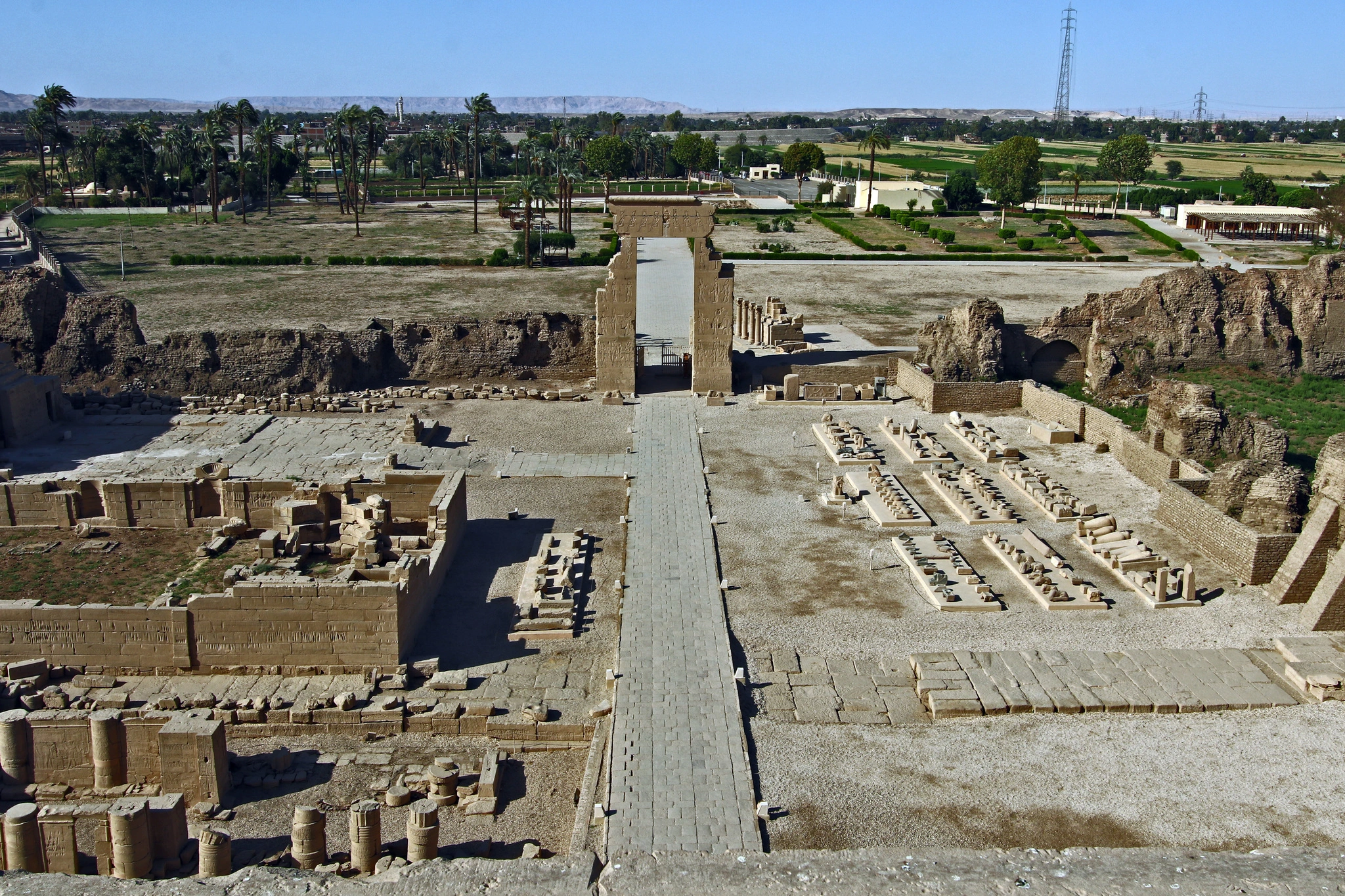
- Dendera, Hathor’s temple, with its colourful astronomical ceiling.
- Kom Ombo, a double temple shared by Sobek and Horus the Elder.
- Abydos, the sacred city of Osiris.
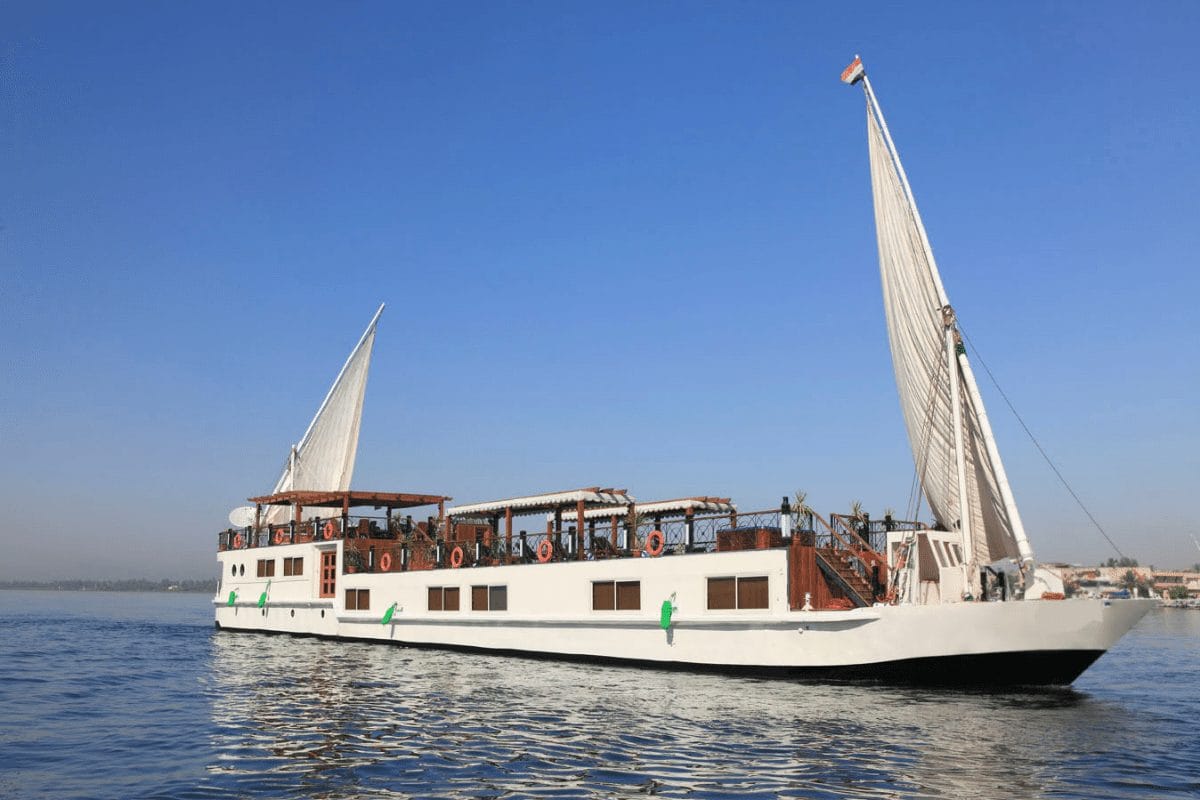
A Nile cruise between Luxor and Aswan visits Edfu and Kom Ombo on the way; see also our Aswan tours for Philae.
Keep Exploring Ancient Egypt
- Ramesses II
- The Egyptian pharaohs
- How the pyramids were built
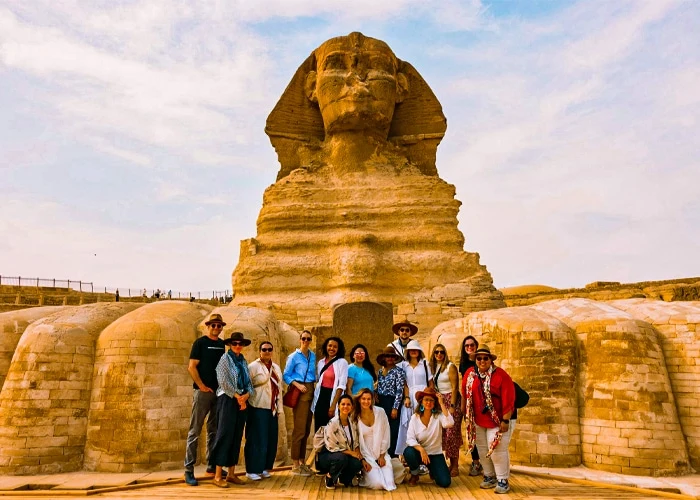
- The Great Sphinx
- Queen Nefertari
- The Old Kingdom
- Ancient Egyptian architecture
Ready to see it for yourself? Browse our Egypt tour packages or ask for a tailor-made trip built around the sites you want to see.
Ancient Egyptian Gods FAQ
How many gods did the ancient Egyptians have?
Hundreds, possibly more than 1,500 names are known, though only a few dozen were worshipped widely.
Who was the most important Egyptian god?
It changed over time: Ra, the sun god, in the Old Kingdom; Amun-Ra in the New Kingdom; and Osiris for the afterlife throughout.
Why do Egyptian gods have animal heads?
The animal showed a quality of the god: the falcon's sharp sight for Horus, the jackal that haunted cemeteries for Anubis, the crocodile's power for Sobek.
Who killed Osiris?
His brother Set, according to the myth. Isis brought him back to life, and he became king of the underworld.
Where can I see temples of the Egyptian gods?
At Karnak and Luxor, Edfu, Kom Ombo and Philae on the Nile cruise route, and at Dendera and Abydos north of Luxor.