Summary
Sobek was the ancient Egyptian crocodile god of the Nile, of fertility, strength and the power of the pharaoh, shown as a crocodile or as a man with a crocodile’s head. Egyptians feared the Nile crocodile and worshipped it to win its protection. Sobek’s main centres were the Fayoum oasis, where sacred crocodiles were kept and fed by priests, and the double temple of Kom Ombo, north of Aswan, where mummified crocodiles fill a museum beside the temple.
Who Was Sobek?
Sobek was one of the oldest gods of Egypt, linked with the Nile, its marshes and the fertility of the land the river watered. In some myths he was said to have created the Nile from his sweat. As the most powerful animal of the river, the crocodile also stood for the strength of the king and the might of the army.
He could be dangerous and protective at the same time: people living by the river prayed to Sobek to keep crocodiles away. Later he was joined with the sun god as Sobek-Ra. Read about the other gods in ancient Egyptian gods.
Sacred Crocodiles of the Fayoum
The centre of Sobek’s worship was the Fayoum, an oasis of lakes and canals west of the Nile, and its capital Shedet, which the Greeks called Crocodilopolis, “city of the crocodiles”. Here priests kept a sacred crocodile, believed to house the god, in a temple pool. The Greek geographer Strabo describes it wearing gold earrings and bracelets on its front legs, and being fed cakes, meat and wine by visitors. When the sacred crocodile died, it was mummified with great care. Many other crocodiles, and their eggs, were mummified and offered to the god.
Kings Named After Sobek
In the 12th and 13th Dynasties, kings who built great works in the Fayoum honoured Sobek in their names:
- Sobekneferu, “the beauty of Sobek”, one of the first women to rule Egypt as king, around 1800 BC, long before Hatshepsut.
- Several kings of the 13th Dynasty called Sobekhotep, “Sobek is satisfied”.
- Amenemhat III, who built the pyramid of Hawara in the Fayoum, enlarged Sobek’s temple at Shedet.
8-Day Cairo, Siwa and White & Black Desert Adventure
Planning the trip itself? Start here.
View This TripKom Ombo and the Crocodile Museum
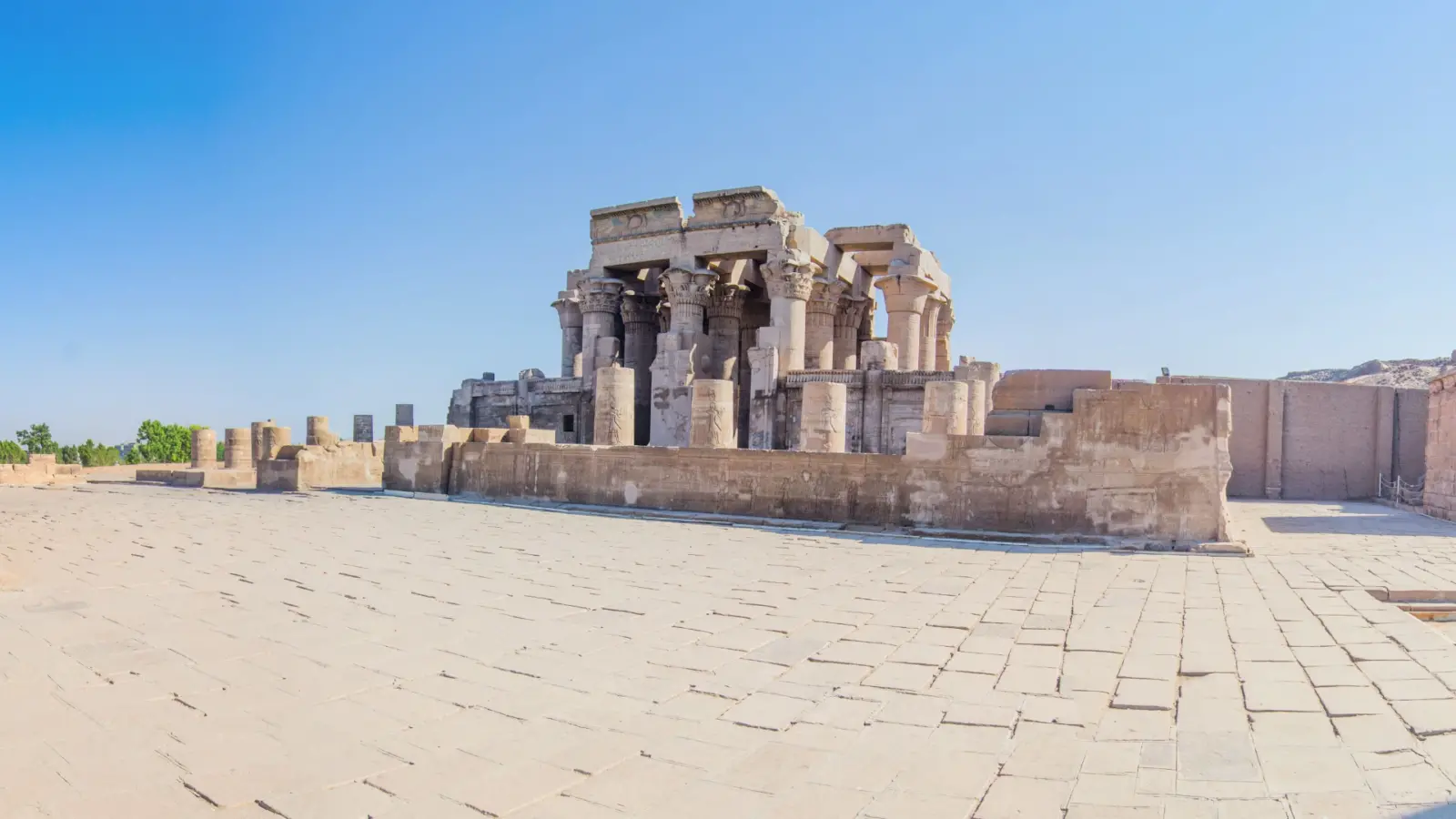
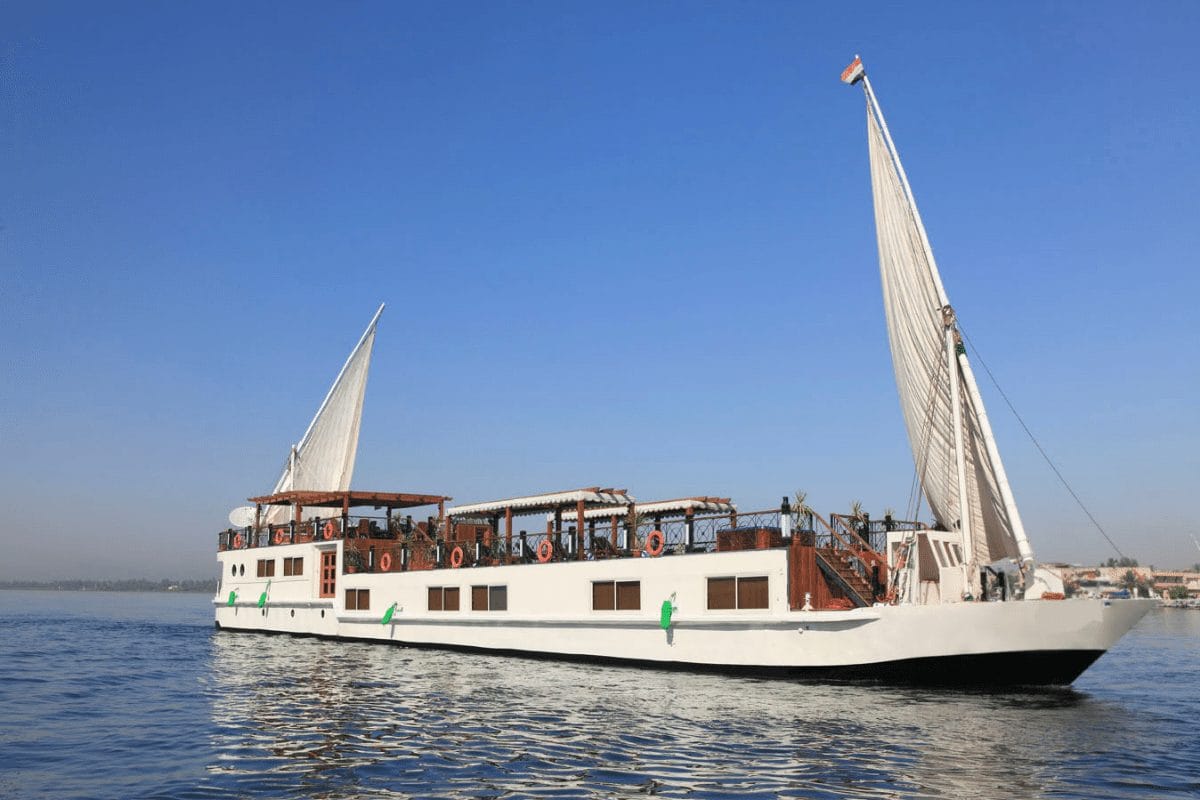
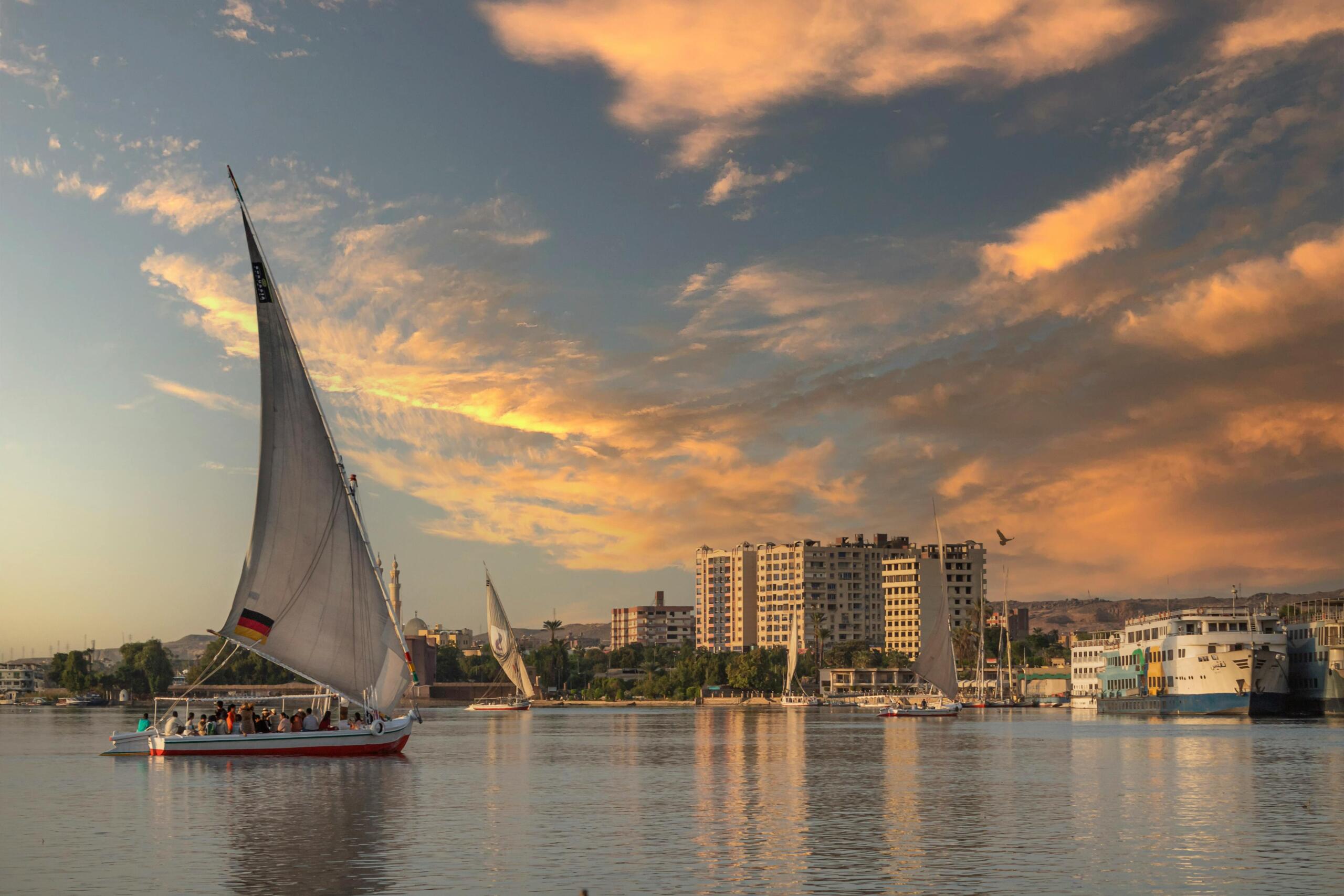
The temple of Kom Ombo, on the Nile between Aswan and Edfu, is unique: a double temple, with its southern half dedicated to Sobek and its northern half to Horus the Elder. Crocodiles once basked on the sandbanks below it. Beside the temple, the Crocodile Museum displays mummified crocodiles found in a nearby cemetery, along with crocodile eggs and coffins. Kom Ombo is a stop on most Nile cruises, often in the late afternoon. Read how animals were preserved in Egyptian mummies and sarcophagi.
Sobek: FAQ
What is Sobek the god of?
The Nile and its fertility, strength, the power of the pharaoh and protection from the dangers of the river.
Why was Sobek a crocodile?
The crocodile was the most powerful and feared animal of the Nile; worshipping it as a god was a way to gain its strength and protection.
Where was Sobek worshipped?
Mainly in the Fayoum, at Shedet (Crocodilopolis), and at Kom Ombo, north of Aswan.
Did the Egyptians mummify crocodiles?
Yes. Sacred crocodiles and many others were mummified as offerings to Sobek; some are displayed in the Crocodile Museum at Kom Ombo.
Was Sobek good or evil?
He was a protective god, though, like the crocodile itself, his power could be dangerous.