
Summary
Maat was the ancient Egyptian goddess of truth, justice and the order of the universe, shown as a woman with an ostrich feather on her head. Maat was also an idea: the right way things should be, from the rising of the sun to honest dealings between people. After death, Egyptians believed, each person’s heart was weighed against the feather of Maat to decide whether they could enter the afterlife.
Who Was Maat?
Maat was the daughter of the sun god Ra and stood beside him in his sun boat. As a goddess she is shown as a seated or kneeling woman wearing a single tall ostrich feather, the hieroglyph of her name.
As an idea, maat meant truth, justice, balance and order, the opposite of isfet, chaos and wrongdoing. Keeping maat in the world was the duty of everyone, and above all of the king. See her among the other gods in ancient Egyptian gods.
The Weighing of the Heart
The most famous scene with Maat comes from the Book of the Dead. The dead person is led into the Hall of the Two Truths, and their heart is placed on a scale against the feather of Maat:
- Anubis checks the balance;
- Thoth, the scribe of the gods, records the result;
- if the heart is heavy with wrongdoing, it is eaten by Ammit, a monster part crocodile, part lion and part hippopotamus;
- if it balances, the dead person is presented to Osiris and lives on.
Before the weighing, the dead recited the “negative confession”, a list of 42 wrongs they declared they had never done, such as “I have not stolen” and “I have not lied”. A heart scarab on the mummy asked the heart not to betray its owner.
8-Day Cairo, Siwa and White & Black Desert Adventure
Planning the trip itself? Start here.
View This TripMaat and the Pharaoh
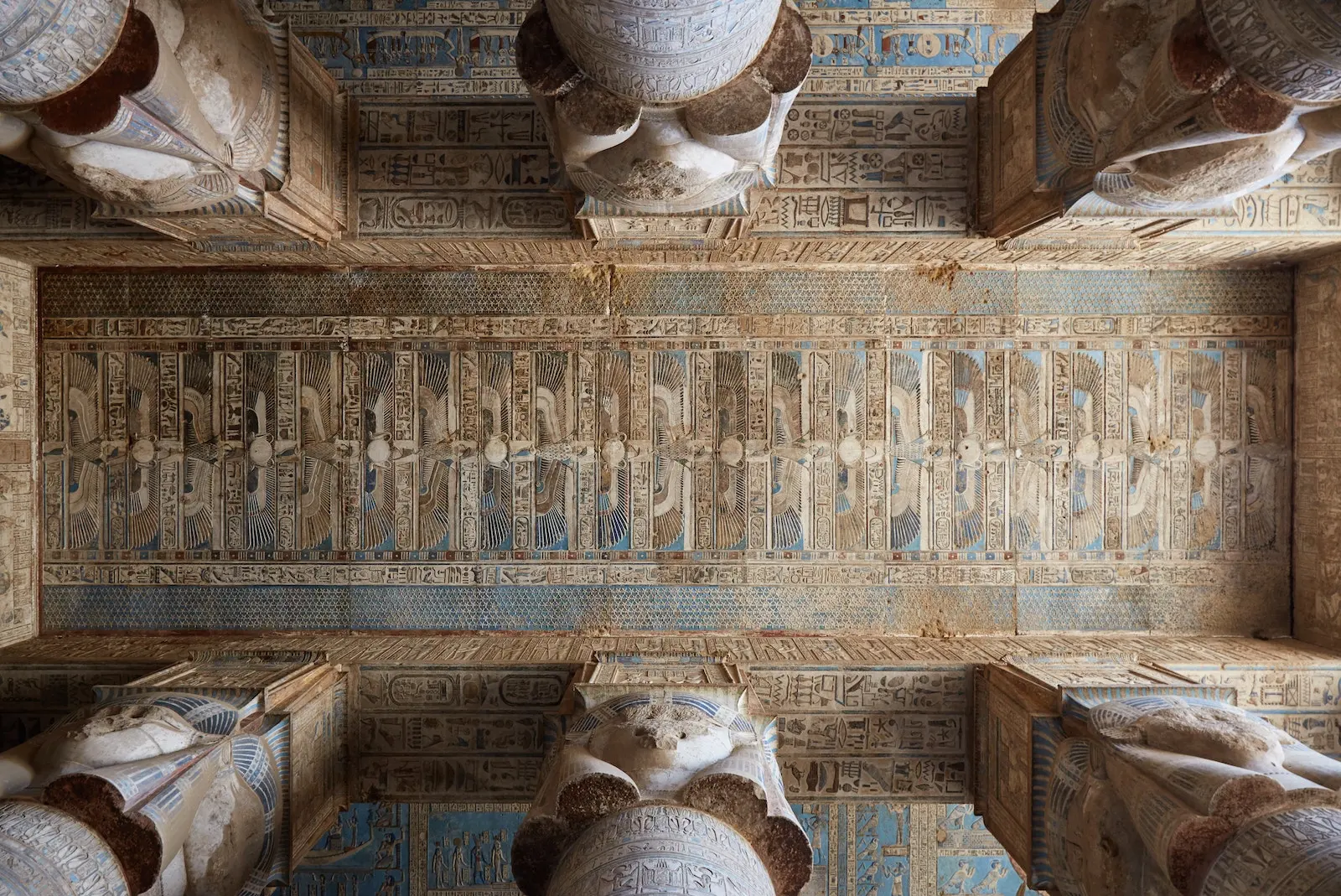
The pharaoh’s first task was to uphold maat: to honour the gods, keep the country in order and rule justly. On temple walls kings are often shown offering a small figure of Maat to the gods, a sign that the king kept the world as the gods wished. The vizier, the chief judge of Egypt, was expected to judge fairly in Maat’s name.
Even the craftsmen who cut the royal tombs worked in her name: their village of Deir el-Medina was called Set Maat, “the Place of Truth”, and they were “servants in the Place of Truth”.
Maat: FAQ
What is Maat the goddess of?
Truth, justice, balance and the order of the universe.
What is the feather of Maat?
The ostrich feather she wears; in the afterlife the heart of the dead was weighed against it.
What happened if the heart was heavier than the feather?
It was devoured by Ammit, and the person could not live on in the afterlife.
What are the 42 laws of Maat?
The “negative confession” in the Book of the Dead: 42 statements in which the dead declared they had not committed particular wrongs.
Who was Maat’s father?
The sun god Ra; in some texts she is also linked with Thoth.


























