Summary
Thebes was one of the great cities of the ancient world: the capital of Egypt in its golden age and the city of the god Amun, on the site of modern Luxor. The Egyptians called it Waset; “Thebes” is the name the Greeks gave it. On the east bank of the Nile stood the city of the living, with the vast temples of Karnak and Luxor. On the west bank lay the city of the dead: the Valley of the Kings, the Valley of the Queens and dozens of temples built for dead kings. Since 1979 “Ancient Thebes with its Necropolis” has been a UNESCO World Heritage Site.
Thebes and Luxor: One Place, Three Names
The city’s Egyptian name was Waset. Greek writers called it Thebes, and Homer’s Iliad praises “hundred-gated Thebes” and its wealth. The modern name, Luxor, comes from the Arabic al-Uqsur, “the palaces”, after the great temple ruins that dominated the town. Do not confuse it with the Greek city of Thebes in Boeotia, which shares the name but nothing else.
A Short History of Thebes
- Around 2050 BC: Theban rulers of the 11th Dynasty, led by Mentuhotep II, reunite Egypt, and Thebes rises from a provincial town to a royal city.
- Around 1550 BC: Theban princes drive out the Hyksos and found the New Kingdom. For the next five centuries Thebes is the religious capital of an empire, and its god Amun-Ra becomes the king of the gods.
- New Kingdom: kings such as Hatshepsut, Thutmose III, Amenhotep III and Ramesses II fill both banks with temples and tombs.
- 663 BC: the Assyrian king Ashurbanipal sacks the city.
- Greek and Roman times: Thebes declines into a group of villages among the ruins, visited by travellers who carve their names on the monuments.
The East Bank: City of the Living
The sun rises on the east bank, so this was the side of life and of the great state temples:
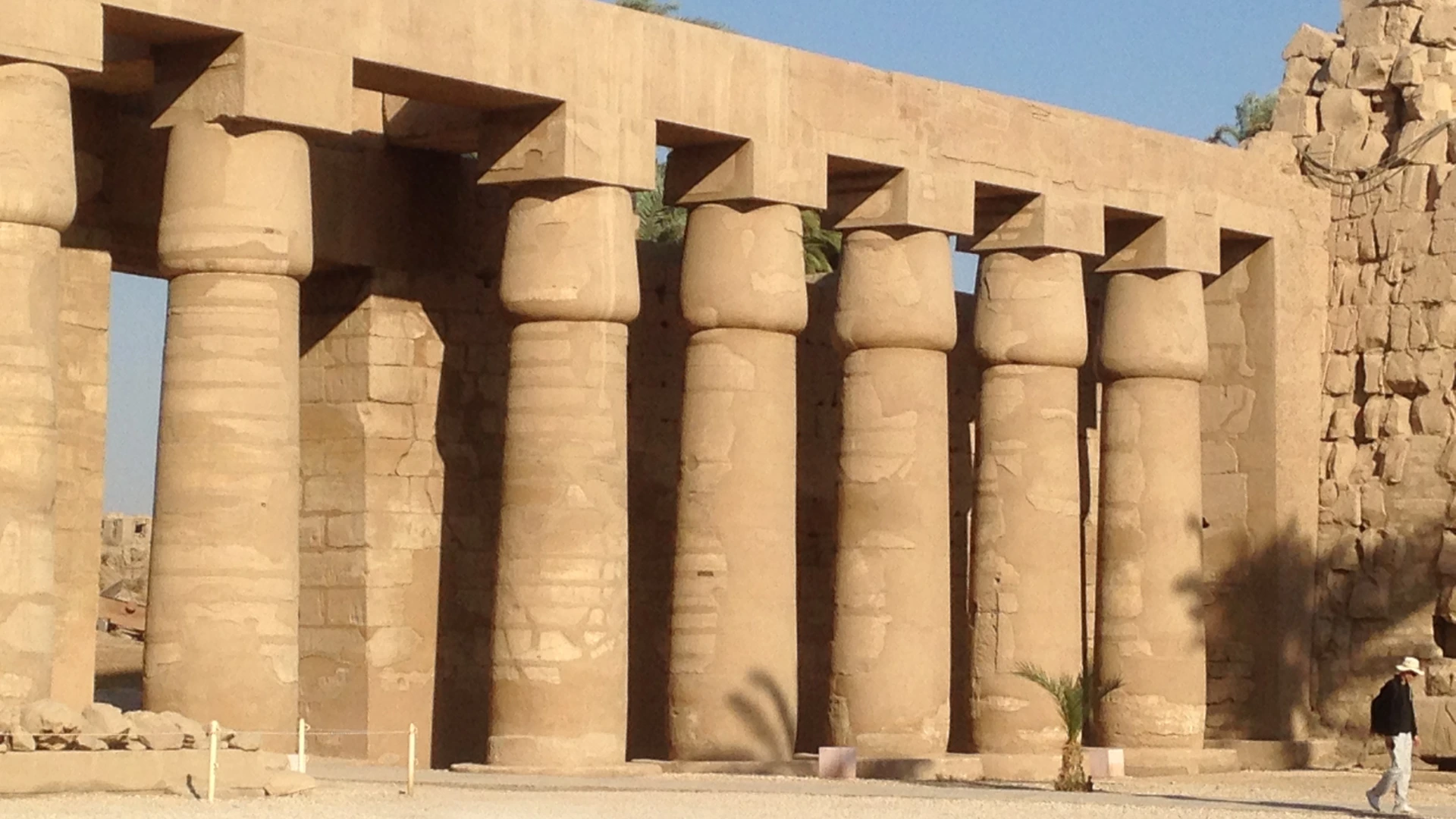
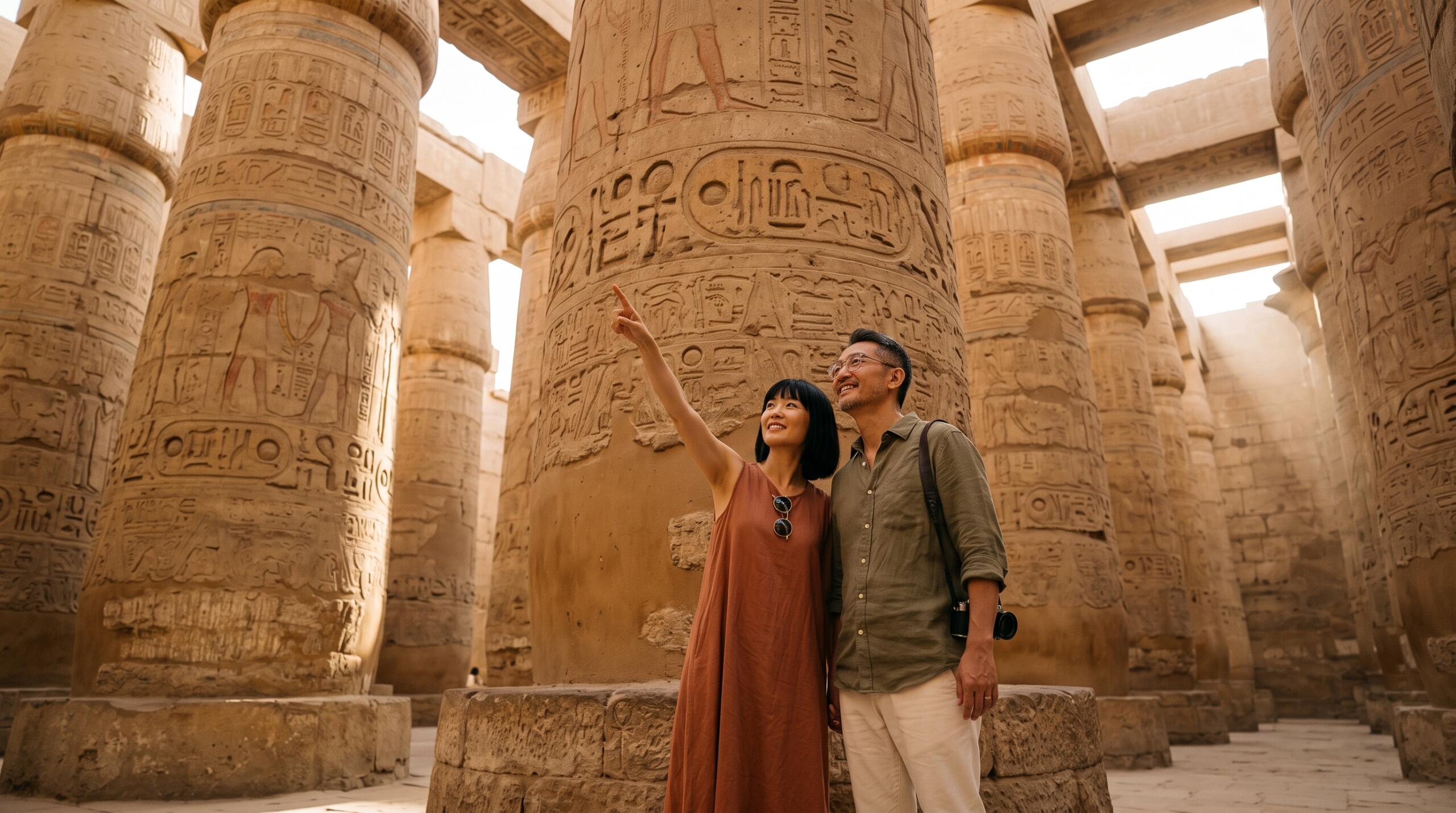
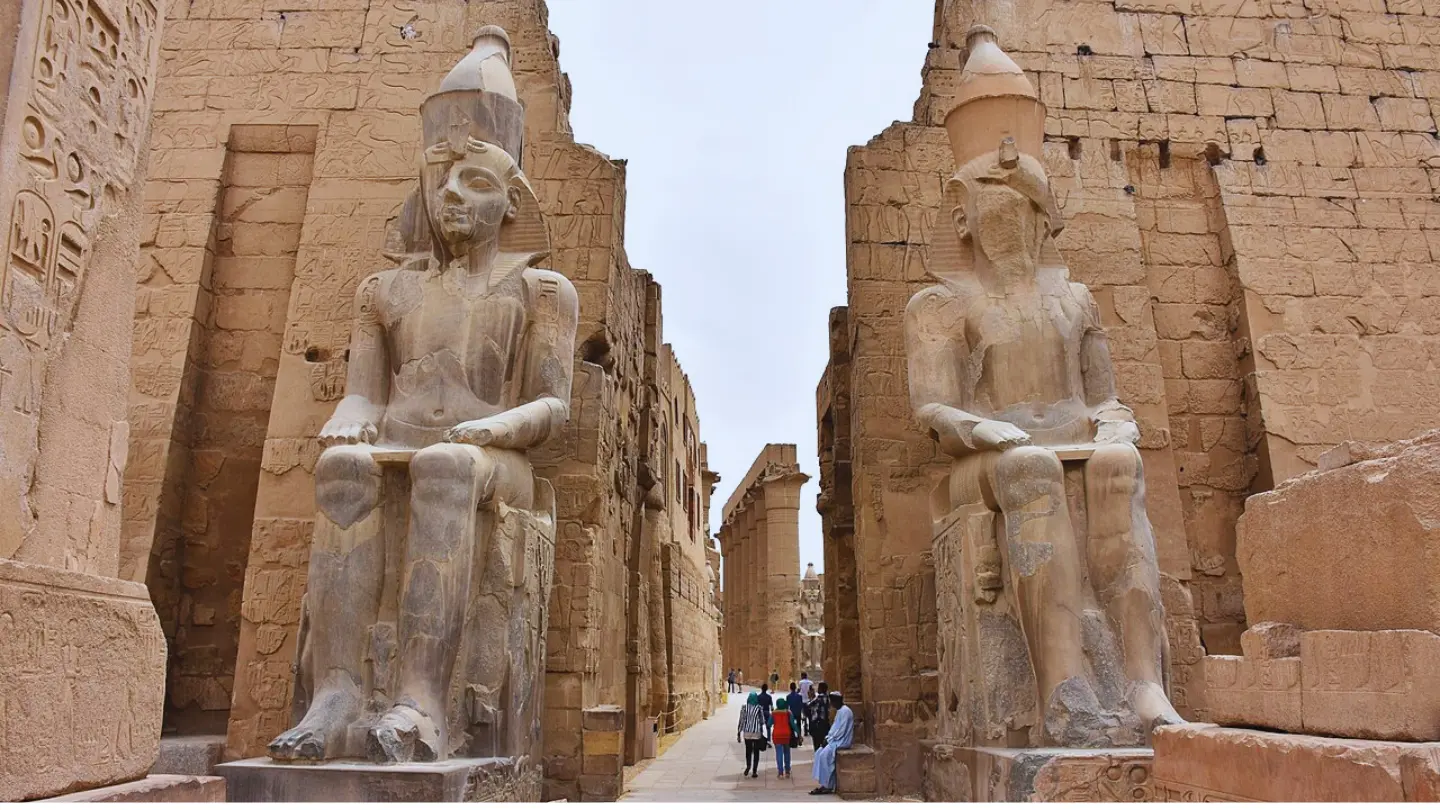
- Karnak Temple, the largest religious complex ever built, home of Amun, his wife Mut and their son Khonsu.
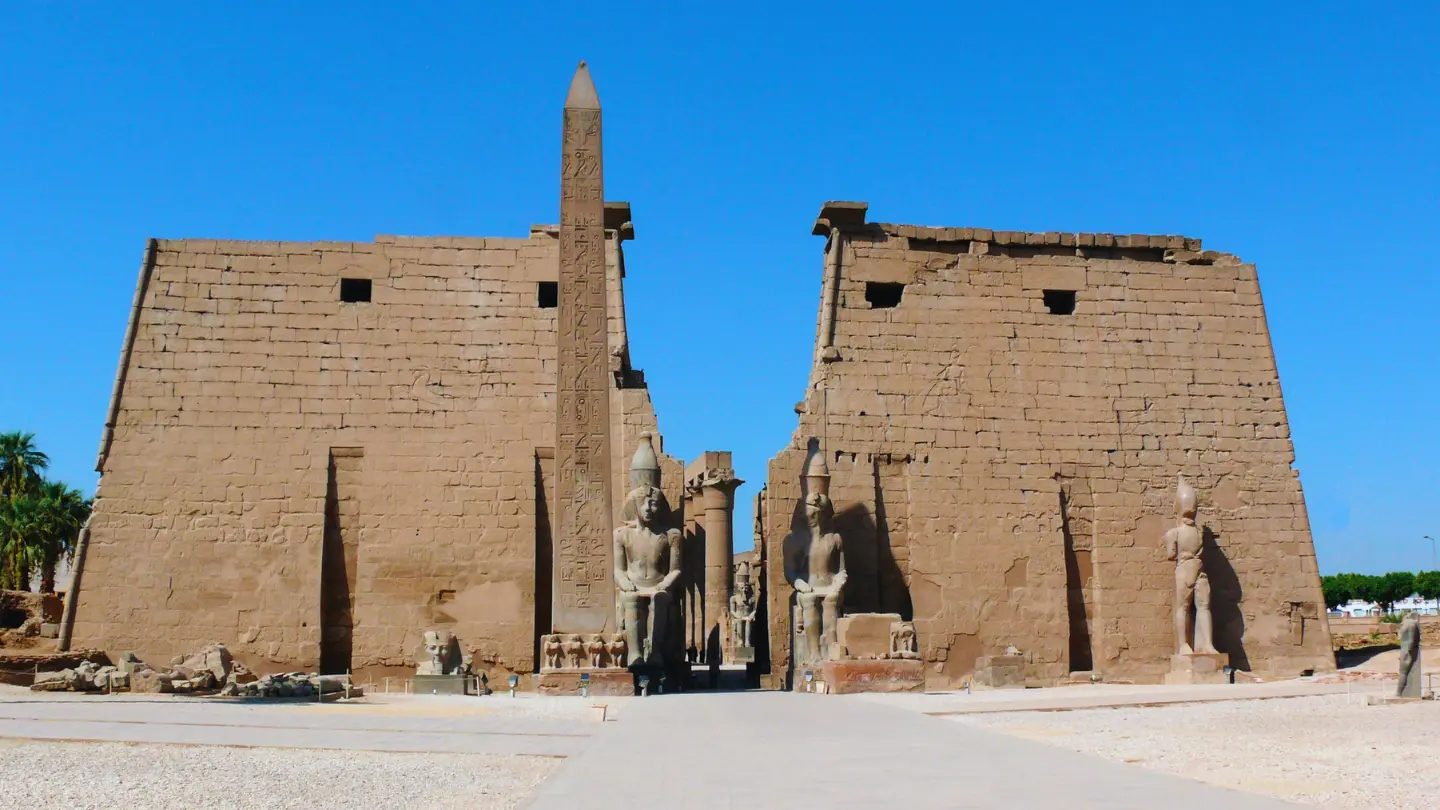
- Luxor Temple, linked to Karnak by the 2.7 km Avenue of Sphinxes, along which the gods’ statues travelled in the yearly Opet Festival.
- Luxor Museum, with masterpieces found in the Theban temples.
Christmas & New Year in Cairo & Luxor
Want to see this for yourself? This trip covers it.
View This TripThe West Bank: City of the Dead

The sun sets in the west, the direction of the afterlife, so the Thebans buried their dead on the west bank:
- The Valley of the Kings, with the tombs of the New Kingdom pharaohs, including Tutankhamun.
- The Valley of the Queens, with the tomb of Nefertari.
- The Tombs of the Nobles and the workmen’s village of Deir el-Medina.
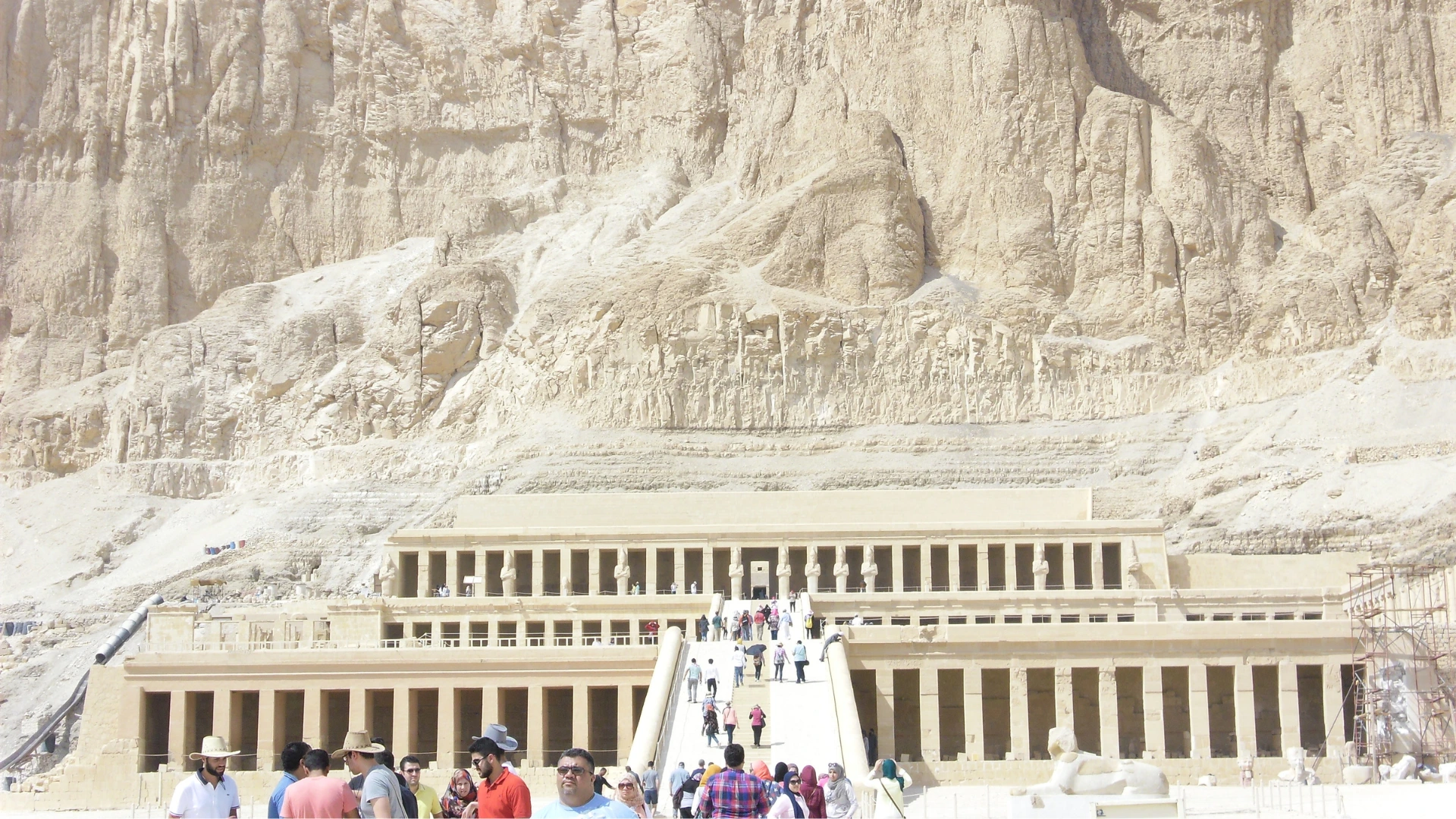
- Mortuary temples such as Hatshepsut’s temple at Deir el-Bahari, the Ramesseum and Medinet Habu.
- The Colossi of Memnon, the two giant statues that once guarded the temple of Amenhotep III.
Visiting Thebes Today
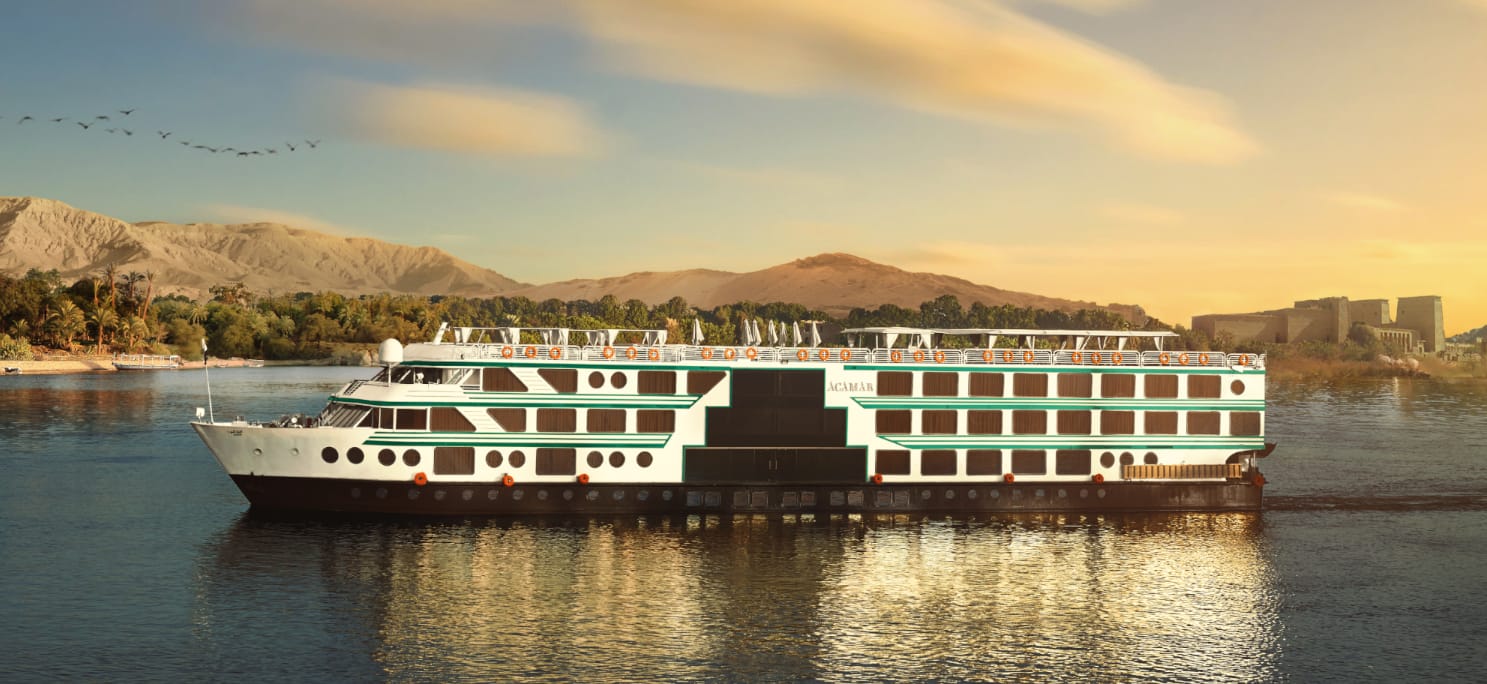
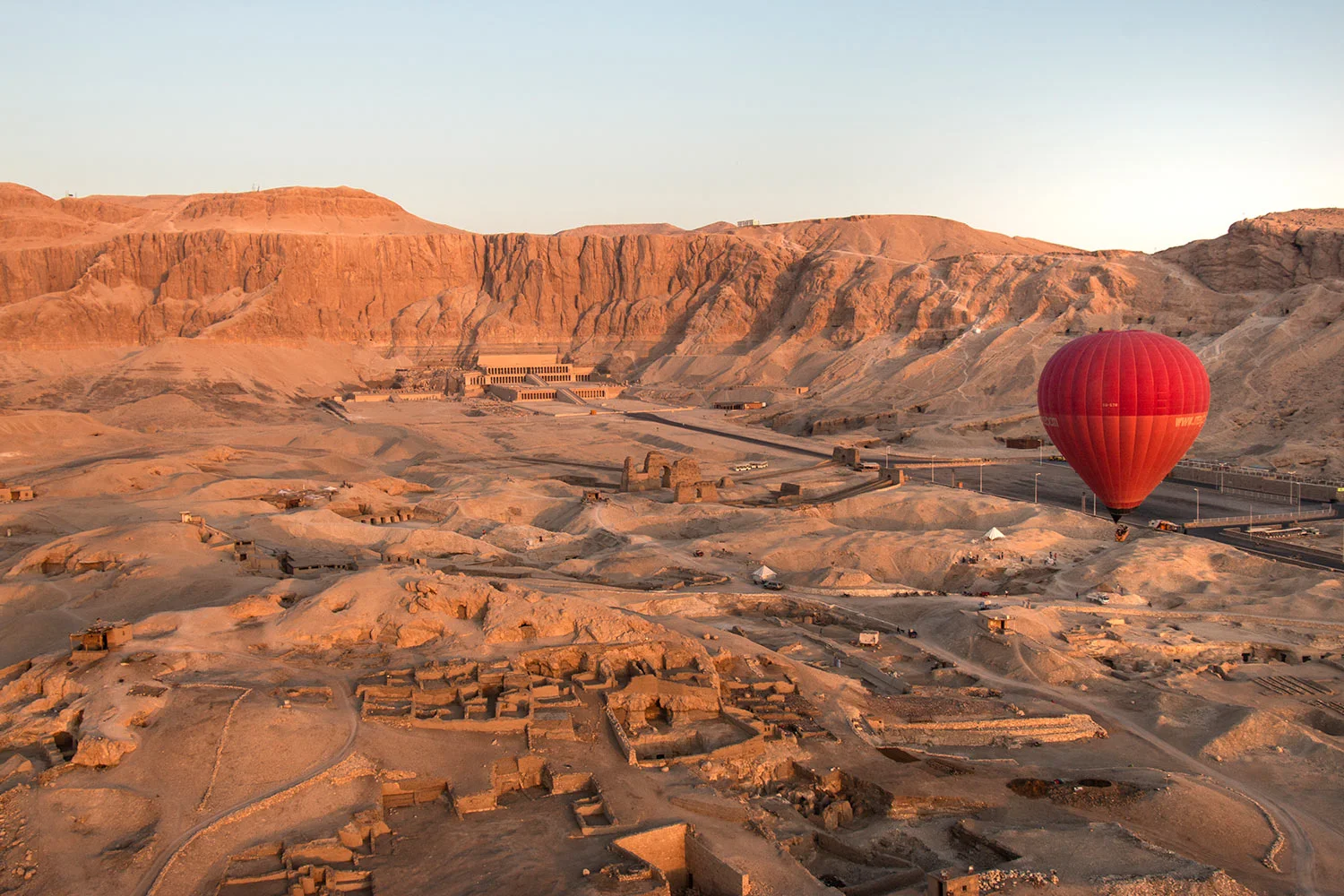
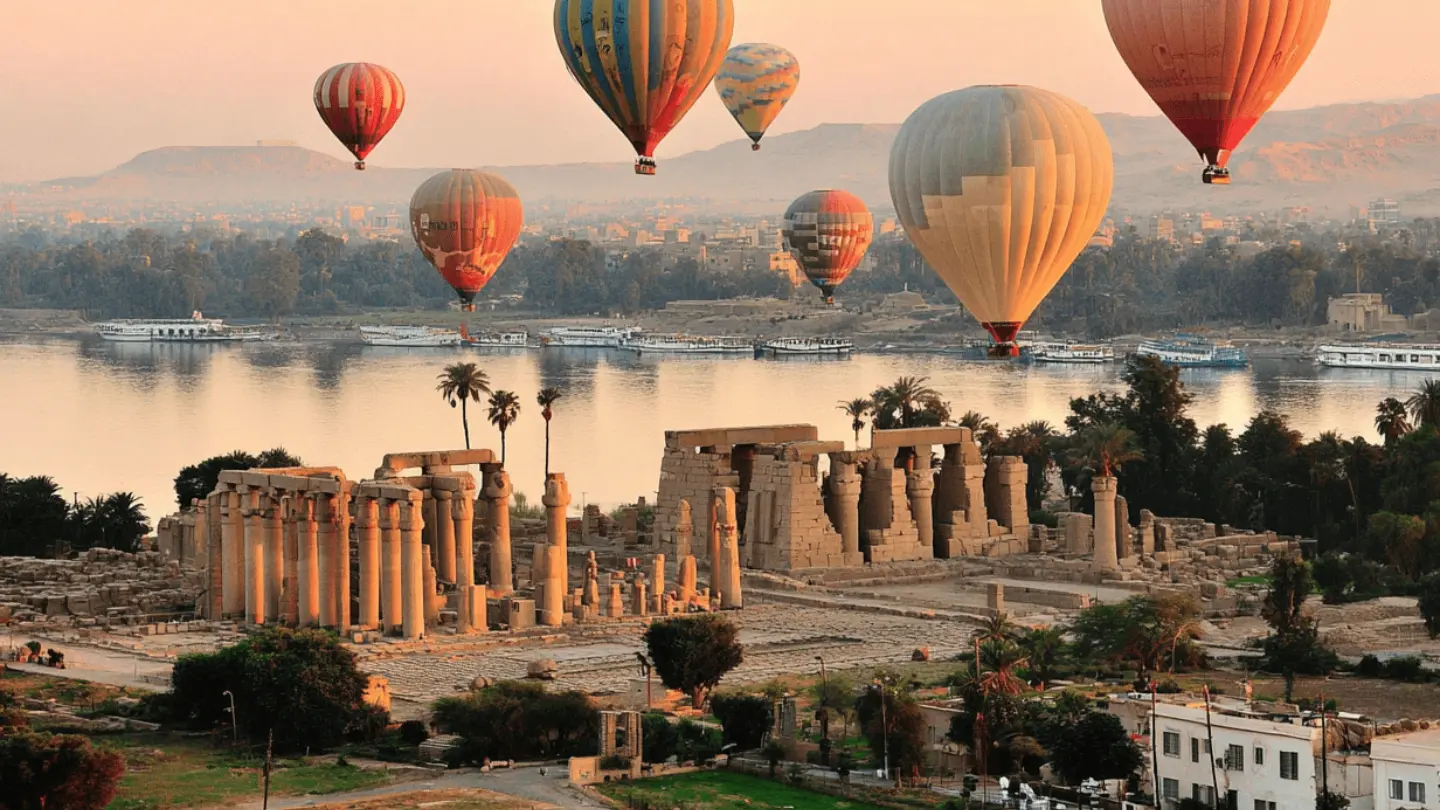
Ancient Thebes is modern Luxor, a one-hour flight or an overnight train from Cairo. Two full days cover the highlights: one on the east bank, one on the west. Luxor is also where most Nile cruises begin or end, and the hot-air balloon flights over the west bank at sunrise give the best view of the whole necropolis. See our Luxor day tours, and place Thebes on the map of Egypt.
Thebes: FAQ
What is Thebes called today?
Luxor, in southern Egypt, about 650 km south of Cairo.
Why was Thebes important?
It was the capital and religious centre of Egypt during the Middle and New Kingdoms and the city of the god Amun, with the greatest temples and royal tombs in the country.
What was the Egyptian name for Thebes?
Waset.
Is Egyptian Thebes the same as Greek Thebes?
No. Greek Thebes is a separate city in central Greece; they only share a name.
What can you see in ancient Thebes?
Karnak and Luxor temples on the east bank, and the Valley of the Kings, the Valley of the Queens, Hatshepsut’s temple and the Colossi of Memnon on the west bank.