

Egypt's temples span more than two thousand years, from the Old Kingdom valley temple beside the Sphinx to the Ptolemaic and Roman temples of Edfu, Dendera and Philae. Most of the great ones stand along the Nile between Luxor and Abu Simbel, which is why a Nile cruise or a few days in Luxor and Aswan reaches more of them than any other route. This guide lists the temples on our site, what each was built for and how long to allow, with links to every temple and the tours that visit it.
The main kinds of Egyptian temple
- Cult temples were the houses of the gods, where priests served a god's statue every day: Karnak and Luxor for Amun, Edfu for Horus, Dendera for Hathor, Philae for Isis.
- Mortuary temples kept the memory of a dead king alive and stand on Luxor's West Bank, near the royal tombs: Hatshepsut's temple, the Ramesseum of Ramesses II and Medinet Habu of Ramesses III.
- Rock-cut temples were carved into the cliffs of Nubia, most famously Abu Simbel, along with Beit el-Wali.
- Ptolemaic and Roman temples (Edfu, Dendera, Kom Ombo, Esna, Philae, Kalabsha) are the best preserved, with roofs, colours and inscriptions still in place.
Egyptian temples at a glance
| Temple | Where | Built for | Period | Allow |
|---|---|---|---|---|
| Valley Temple of Khafre | Giza | King Khafre's funeral rites | Old Kingdom | 30 min |
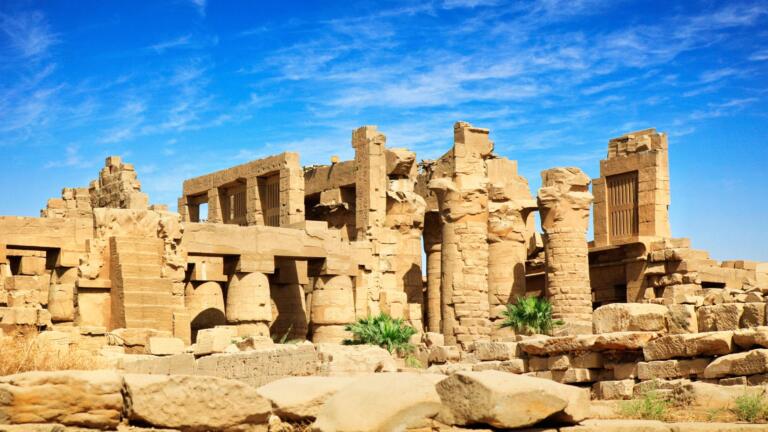
| Karnak | Luxor, East Bank | Amun-Ra, Mut and Khonsu | Middle Kingdom to Ptolemaic | 2–3 h |
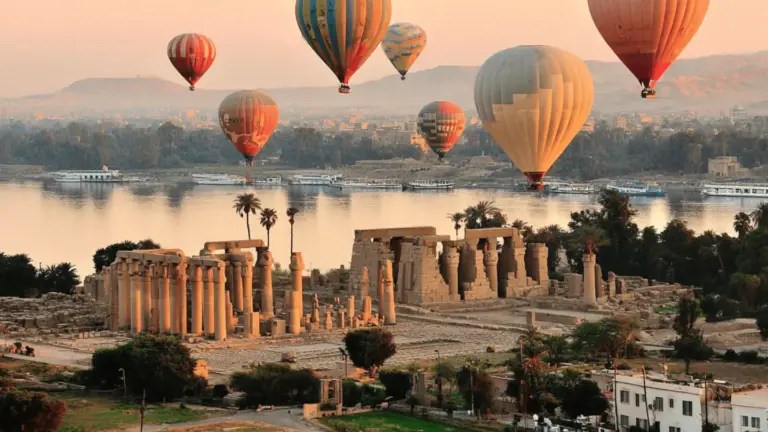
| Luxor Temple | Luxor, East Bank | Amun | New Kingdom | 1–1.5 h |
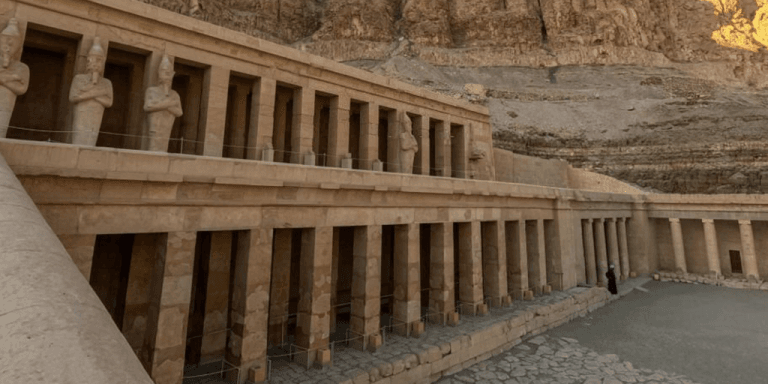
| Hatshepsut's Temple | Luxor, West Bank | Mortuary temple of Hatshepsut | New Kingdom | 1 h |
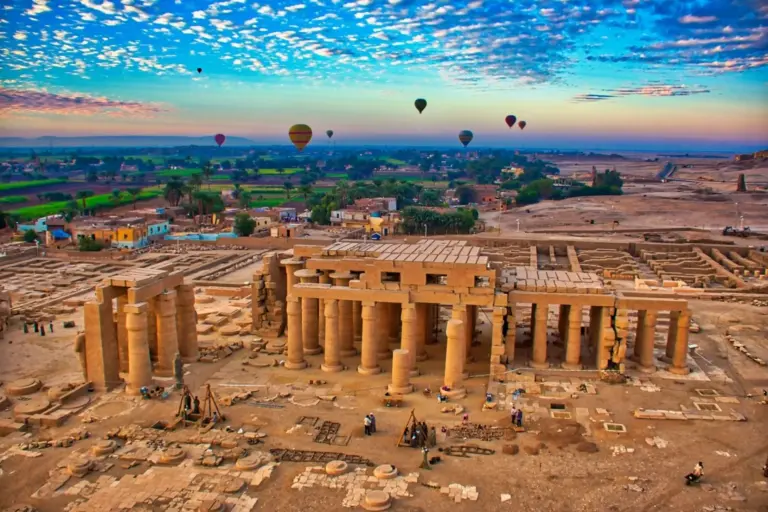
| Ramesseum | Luxor, West Bank | Mortuary temple of Ramesses II | New Kingdom | 45 min |
| Medinet Habu (Ramesses III) | Luxor, West Bank | Mortuary temple of Ramesses III | New Kingdom | 1–1.5 h |
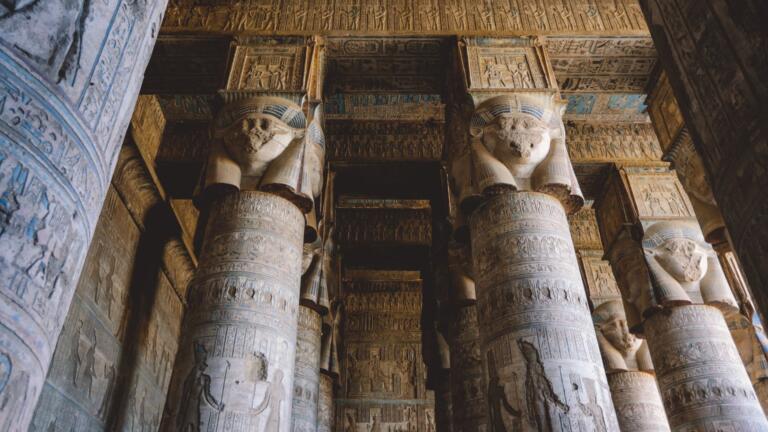
| Dendera | North of Luxor | Hathor | Ptolemaic and Roman | 1.5–2 h |
| Temple of Seti I | Abydos | Osiris and the gods; Seti I | New Kingdom | 1.5 h |
| Esna | Esna | Khnum | Ptolemaic and Roman | 45 min |
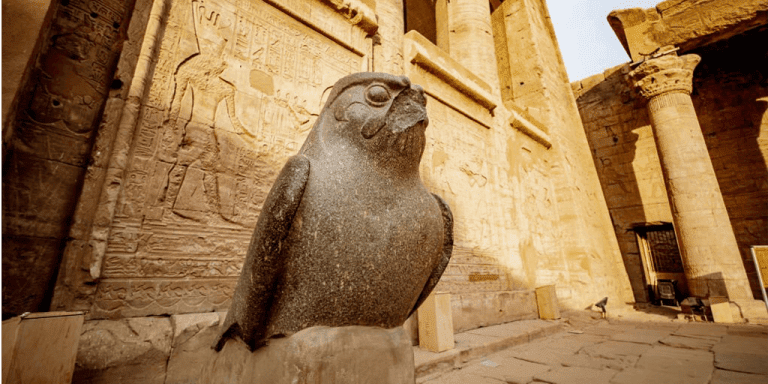
| Edfu | Edfu | Horus | Ptolemaic | 1–1.5 h |
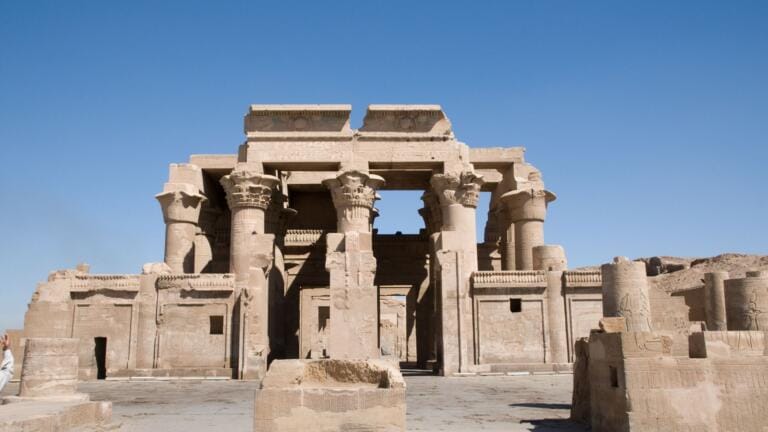
| Kom Ombo | Kom Ombo | Sobek and Haroeris (a double temple) | Ptolemaic | 45 min–1 h |
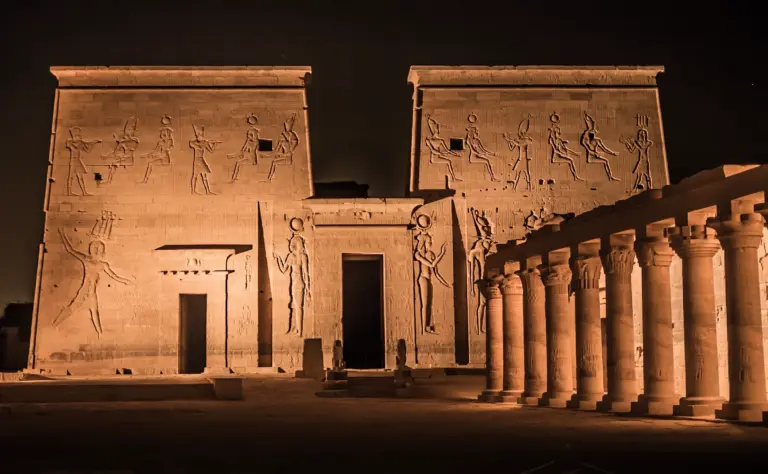
| Philae | Aswan | Isis | Ptolemaic and Roman | 1.5 h with the boat |
| Kalabsha | Aswan (New Kalabsha) | Mandulis, a Nubian god | Roman | 1 h |
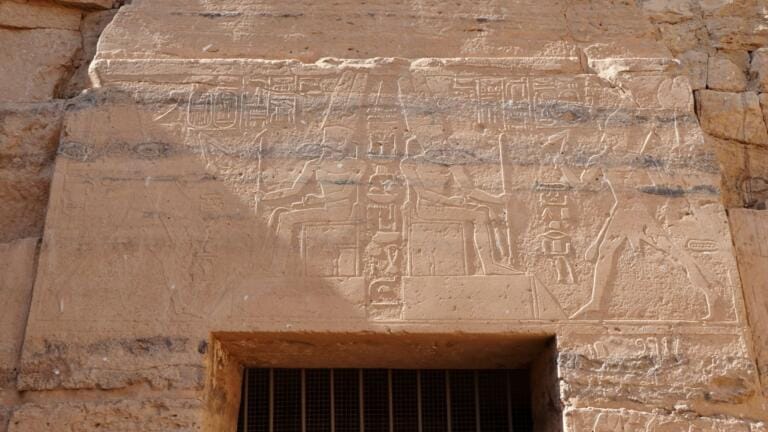
| Beit el-Wali | Aswan (New Kalabsha) | Rock-cut temple of Ramesses II | New Kingdom | 30 min |
| Abu Simbel | Abu Simbel | Ramesses II and Nefertari | New Kingdom | 2 h |
| Amada | Lake Nasser | Amun-Ra and Ra-Horakhty | New Kingdom | On a Lake Nasser cruise |
| Wadi el-Sebua | Lake Nasser | Ramesses II, Amun-Ra and Ra-Horakhty | New Kingdom | On a Lake Nasser cruise |
| Hibis | Kharga Oasis | Amun | Late Period | 1 h |
Which temples to see first
On a first trip, the essential four are Karnak, the largest temple complex ever built; Luxor Temple, best seen at dusk; Edfu, the most complete temple in Egypt; and Abu Simbel. A Nile cruise between Luxor and Aswan adds Kom Ombo, Philae and often Esna. With an extra day in Luxor, Dendera and the Temple of Seti I at Abydos are two of the most beautiful and least crowded.
How to visit Egypt's temples
- By Nile cruise: the easiest way to see the temples between Luxor and Aswan. See our Luxor–Aswan cruises or, for Nubia, a Lake Nasser cruise.
- By day tour: our Luxor day tours, Aswan day tours, the Dendera and Abydos tour and the Abu Simbel day tour.
- Timing: start early. Temples open around sunrise, and the light, the heat and the crowds are all better before 10 am, especially from May to September.
- Tickets are bought per site; some areas (such as the inner rooms at Dendera or extra tombs on the West Bank) cost extra. Your guide handles them.
Background reading: the gods you will meet in the temples, ancient Egyptian architecture and Ramesses II, who built more temples than any other pharaoh.
Egyptian temples: frequently asked questions
What is the largest temple in Egypt?
Karnak in Luxor. Built and extended for some two thousand years, it is the largest temple complex ever built, with the Great Hypostyle Hall of 134 columns at its heart.
Which is the best-preserved temple in Egypt?
The Temple of Horus at Edfu, with its roof, walls and inscriptions almost complete. Dendera is close behind, with painted ceilings that still keep their colour.
How many temples can I see in a week?
A week with a Nile cruise covers about eight to ten major temples: Karnak, Luxor, the West Bank temples, Edfu, Kom Ombo and Philae, plus Abu Simbel if you add it.
What is the difference between a temple and a tomb?
Temples were built above ground for worship or to honour a king; tombs were where the dead were buried, such as the royal tombs in the Valley of the Kings.
Can I visit the temples on my own?
Yes, but there is almost no explanation on site. A guide makes the reliefs and the history readable and handles tickets and timings.
 Luxor
Easy
Luxor
Easy Tombs of the Nobles
The Tombs of the Nobles in Luxor are the painted tombs of New Kingdom officials, such as Rekhmire, Ramose, Men...
 Aswan
Easy
Aswan
Easy Elephantine Island
Elephantine Island at Aswan has been inhabited since 3000 BCE — Egypt's oldest continuously occupied site, con...
 Alexandria
Easy
Alexandria
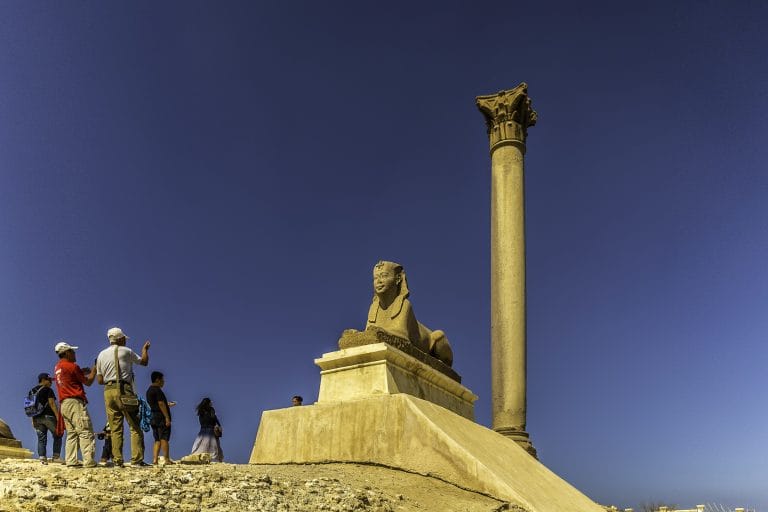
Easy Pompey’s Pillar
Pompey's Pillar in Alexandria is the largest ancient monolithic column outside Rome — a 27-meter Aswan granite...
 Giza
Easy
Giza
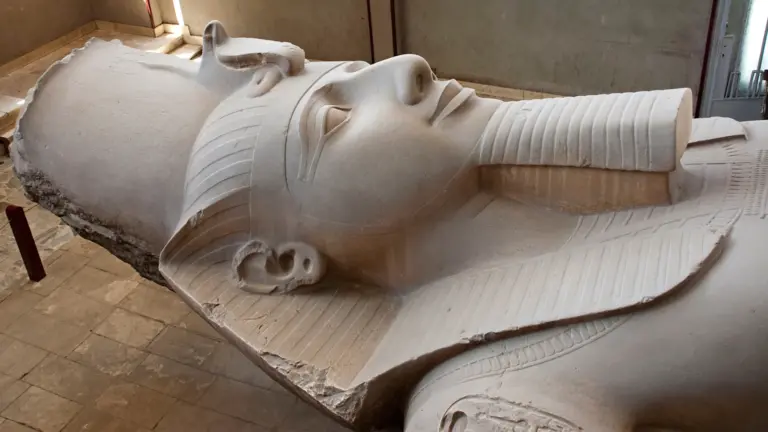
Easy Memphis Open Air Museum
The Memphis Open Air Museum preserves the most significant surviving objects from Egypt's first capital — incl...
 Luxor
Easy
Luxor
Easy Valley of the Queens
The Valley of the Queens contains over 90 royal tombs including Nefertari's — universally considered the fines...
 Aswan
Easy
Aswan
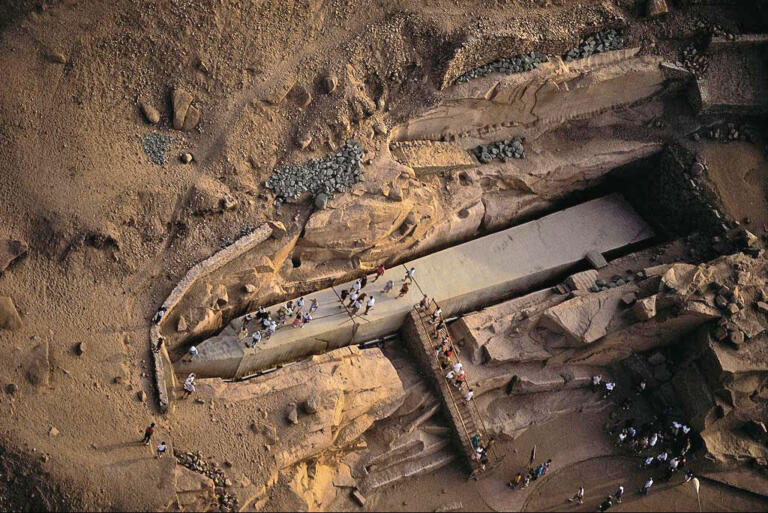
Easy Unfinished Obelisk
The Unfinished Obelisk in Aswan's ancient granite quarries is the largest ancient obelisk ever attempted — aba...
 Luxor
Easy
Luxor
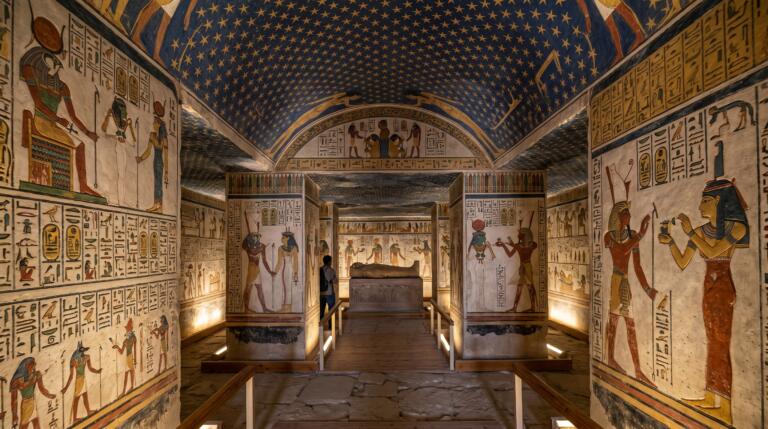
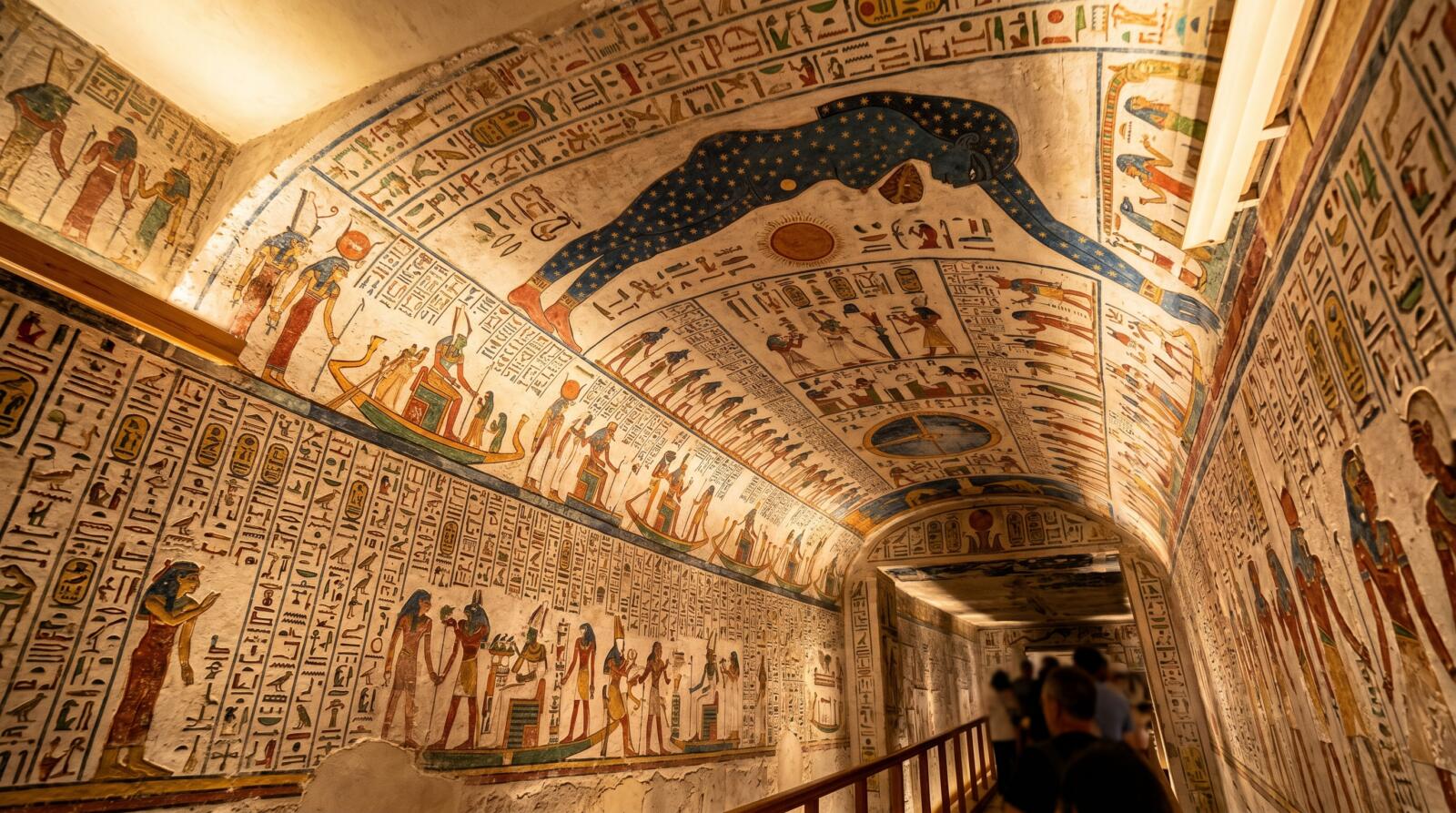
Easy The Tomb of Ramesses VI (KV9): The Celestial Library
The Tomb of Ramesses VI (KV9) is the most densely decorated tomb in the Valley of the Kings — a 3,100-year-old...
 Minya
Moderate
Minya
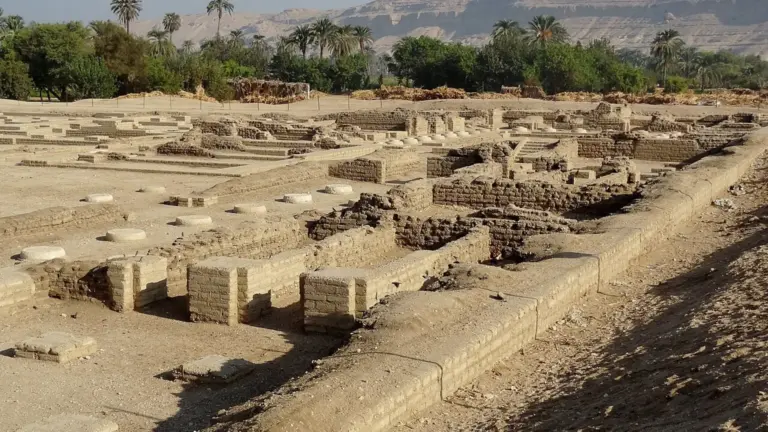
Moderate Tell el-Amarna
Tell el-Amarna is the archaeological site of Akhenaten's revolutionary 14th century BCE capital — built, popul...
 Luxor
Easy
Luxor
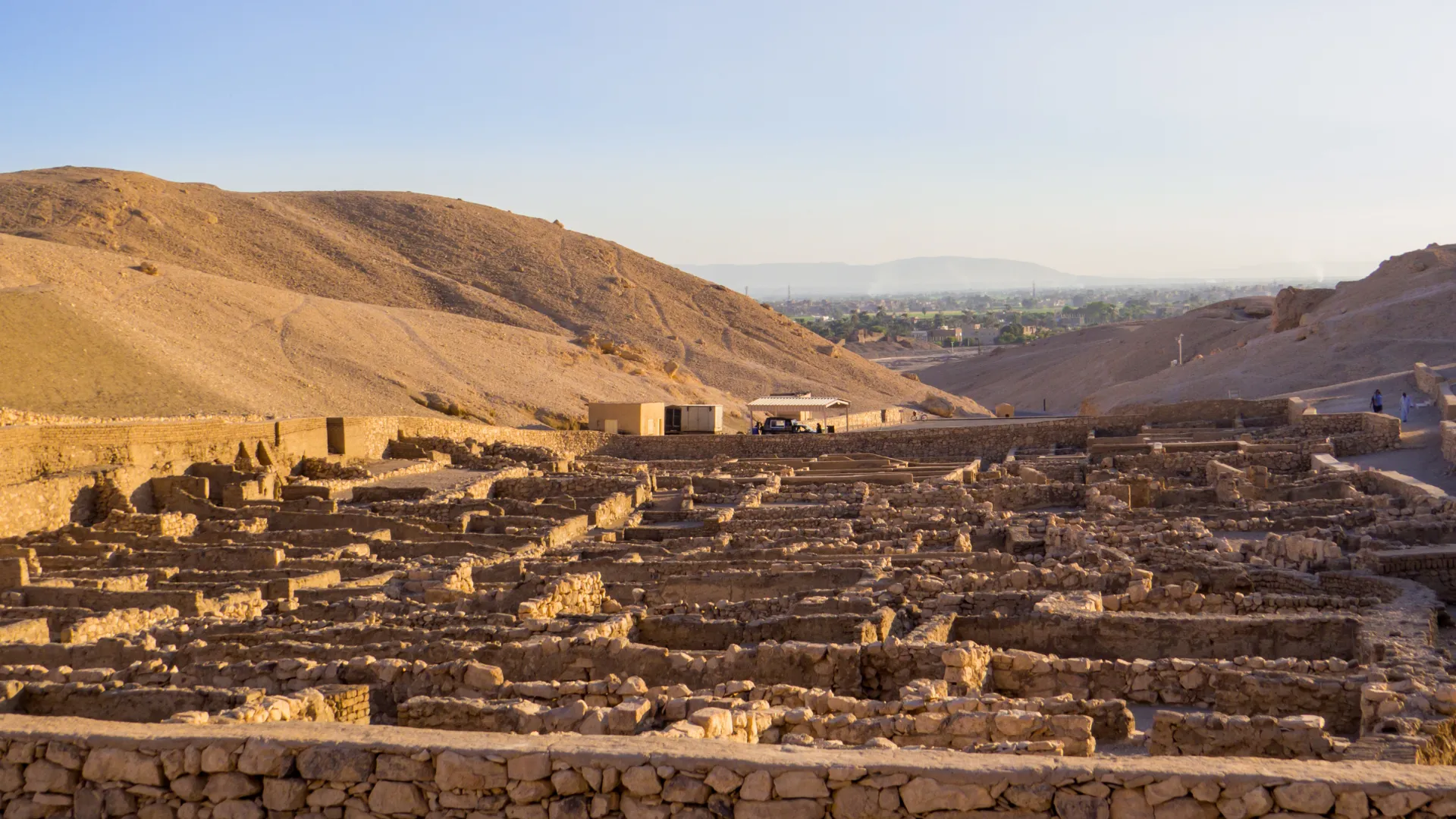
Easy Deir el-Medina
Deir el-Medina is ancient Egypt's best-preserved workers' village — home to the tomb builders of the Valley of...
 Luxor
Easy
Luxor
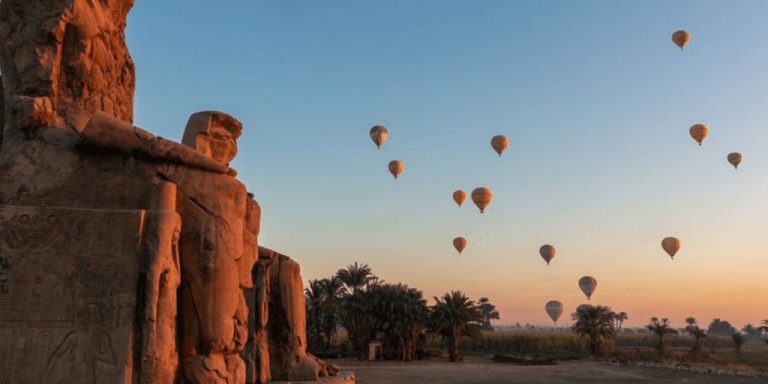
Easy Colossi of Memnon
The Colossi of Memnon are two 18-meter quartzite statues of Amenhotep III — the last survivors of Egypt's larg...
 Alexandria
Easy
Alexandria
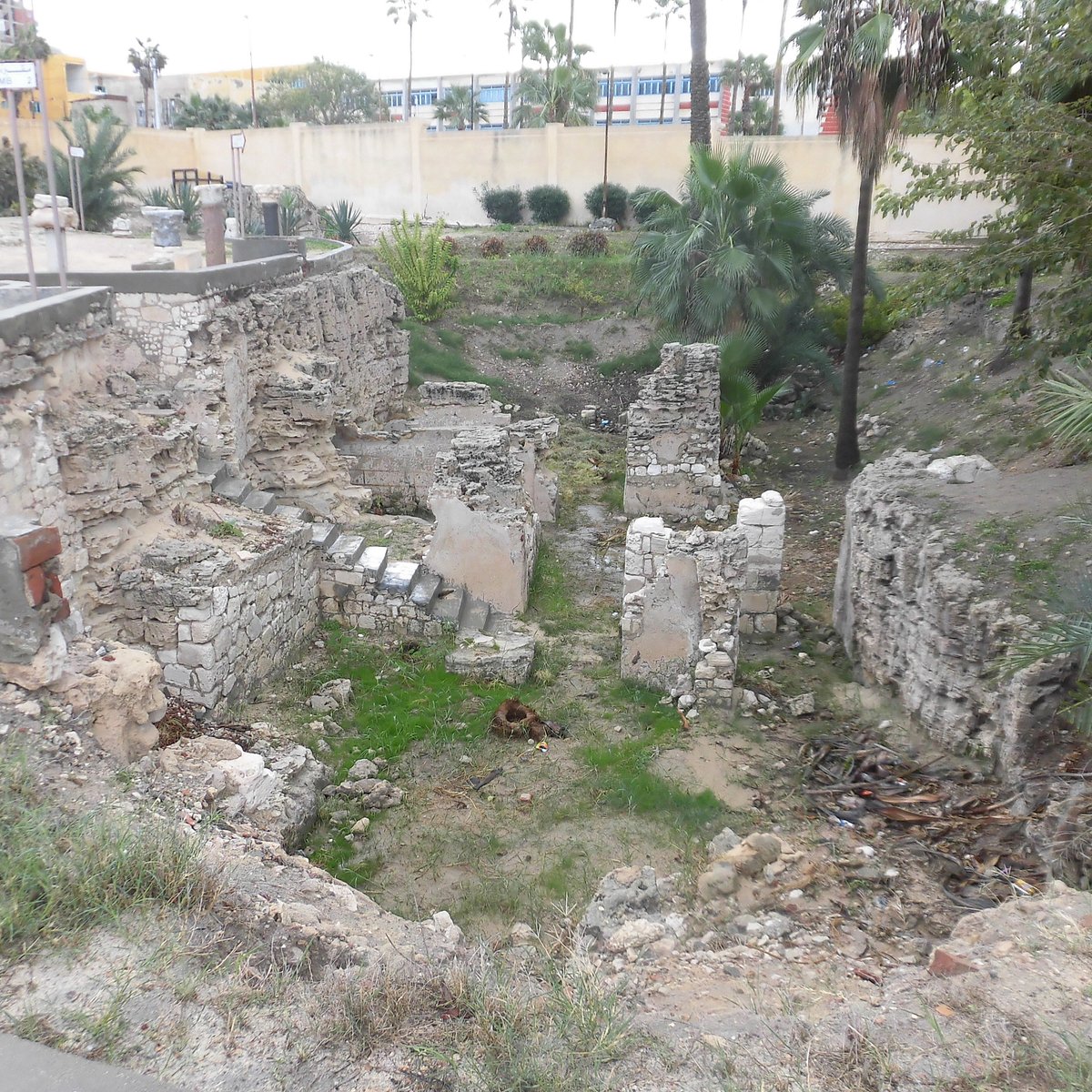
Easy Anfushi Tombs: The Colorful Underground Art of Alexandria
The Anfushi Tombs are Alexandria's most vivid example of Ptolemaic cultural fusion — underground burial chambe...
 Wadi El-Sebua
Moderate
Wadi El-Sebua
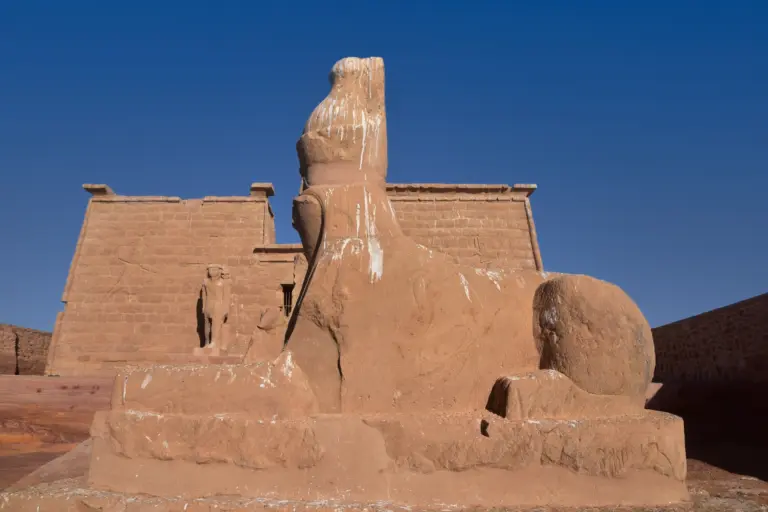
Moderate Wadi El-Sebua: The Valley of the Lions
Wadi El-Sebua — the Valley of the Lions — is a remote Lake Nasser archaeological zone containing three relocat...
 Aswan
Easy
Aswan
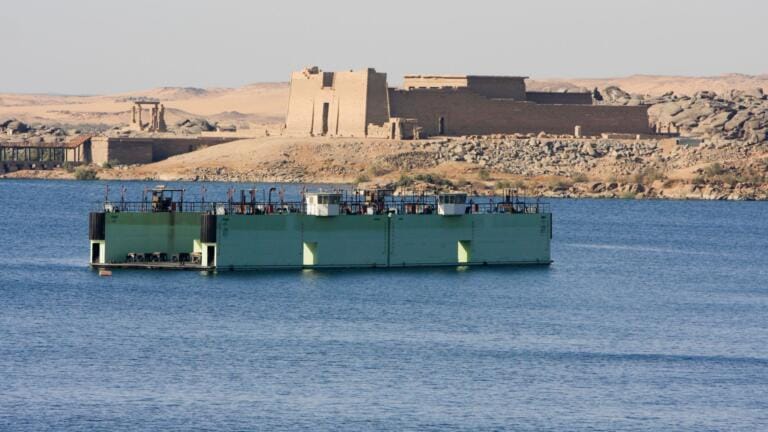
Easy The Temple of Kalabsha: The Pristine Marvel of Lower Nubia
The Temple of Kalabsha is the largest freestanding Nubian temple in Egypt — a Roman Augustus-era monument dedi...
 Abydos
Easy
Abydos
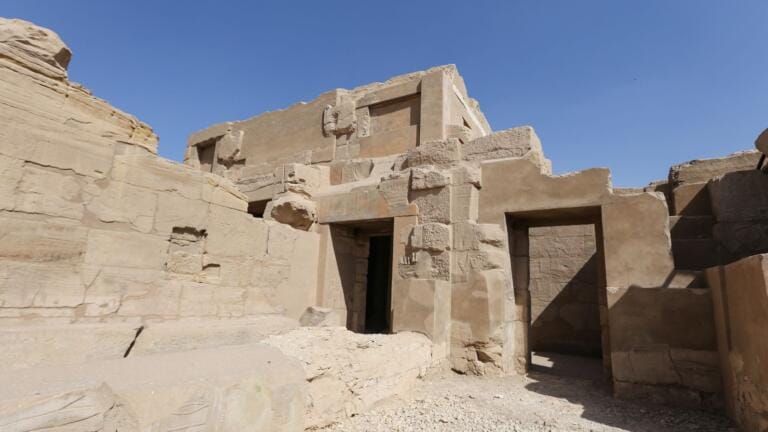
Easy Temple of Seti I
The Temple of Seti I at Abydos contains Egypt's finest painted reliefs and the famous Abydos King List — locat...
 Luxor
Easy
Luxor
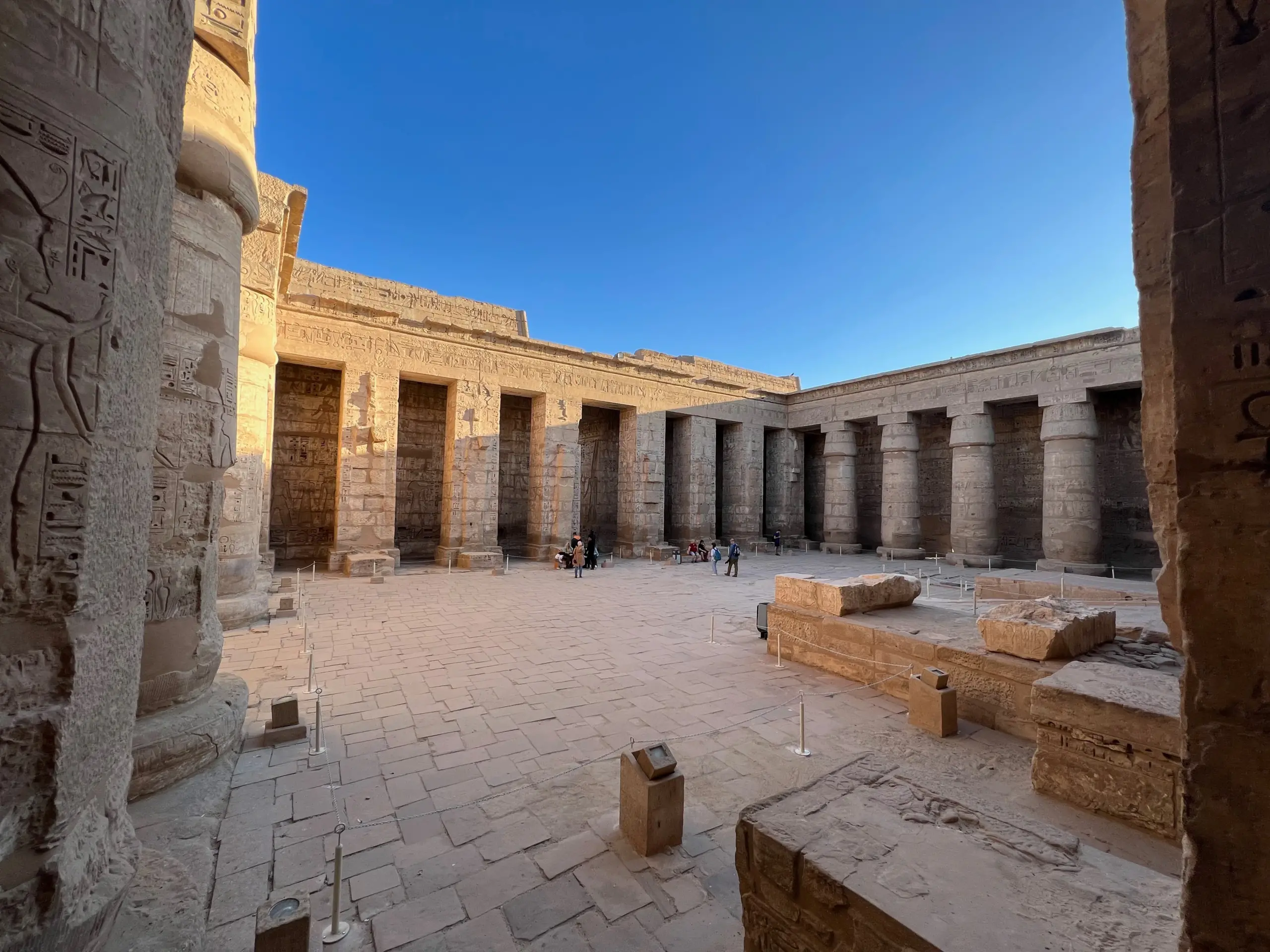
Easy Temple of Ramses III
Medinet Habu — the mortuary temple of Ramesses III — is the best-preserved New Kingdom temple on Luxor's west ...
 Kharga Oasis
Easy
Kharga Oasis
Easy Temple of Hibis
The Temple of Hibis at Kharga Oasis is the only complete Late Period temple in Egypt, containing the most exte...
 Esna
Easy
Esna
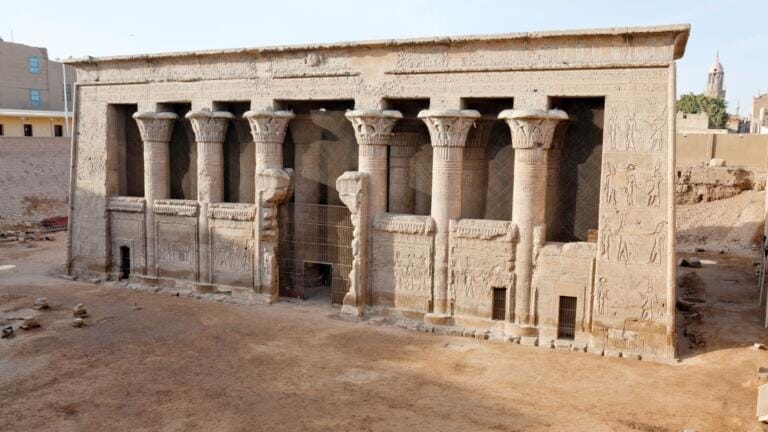
Easy Temple of Esna
The Temple of Esna is a Roman-era Khnum temple sitting 9 meters below the modern town, famous for its astronom...
 Turin
Easy
Turin
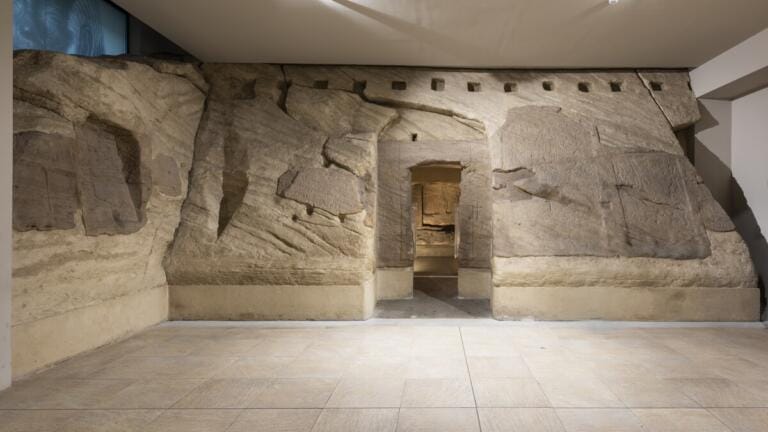
Easy Temple of Ellesyia
The Temple of Ellesyia is an 18th Dynasty Nubian rock-cut sanctuary built by Thutmose III that no longer exist...
 Qena
Easy
Qena
Easy Temple of Dendera
The Temple of Hathor at Dendera is one of Egypt's best-preserved Ptolemaic temples, famous for its astronomica...
 Luxor
Easy
Luxor
Easy Ramesseum Temple
The Ramesseum is Ramesses II's mortuary temple on Luxor's west bank — famous for the fallen colossus that insp...
 Aswan
Easy
Aswan
Easy Philae Temple
Philae Temple is where ancient Egyptian religion made its last stand — the site of the final hieroglyphic insc...
 Luxor
Easy
Luxor
Easy Luxor Temple
Luxor Temple is the most accessible ancient monument in Egypt — standing in the center of a modern city yet st...
 Kom Ombo
Easy
Kom Ombo
Easy Kom Ombo Temple
Kom Ombo is Egypt's only symmetrical double temple, dramatically positioned on the Nile bank at sunset, dedica...
 Luxor
Moderate
Luxor
Moderate Karnak Temple
Karnak Temple is the largest ancient religious complex ever constructed — 200 acres of pylons, obelisks, and h...
 Luxor
Easy
Luxor
Easy Hatshepsut Temple
Hatshepsut's mortuary temple at Deir el-Bahari is one of ancient Egypt's most architecturally refined monument...
 Edfu
Easy
Edfu
Easy Edfu Temple
Edfu Temple is the best-preserved ancient temple in Egypt and the finest example of Ptolemaic religious archit...
 Aswan
Easy
Aswan
Easy Beit el-Wali Temple
Beit el-Wali is one of Ramesses II's earliest temples, relocated to New Kalabsha island near Aswan, noted for ...
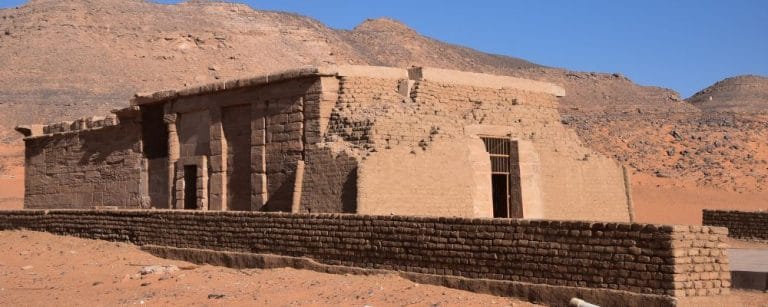 Amada
Easy
Amada
Easy Amada Temple: The Oldest Jewel of Nubia
The Temple of Amada is the oldest and most colorfully intact temple in Nubia, relocated as a single unit durin...
 Abu Simbel
Easy
Abu Simbel
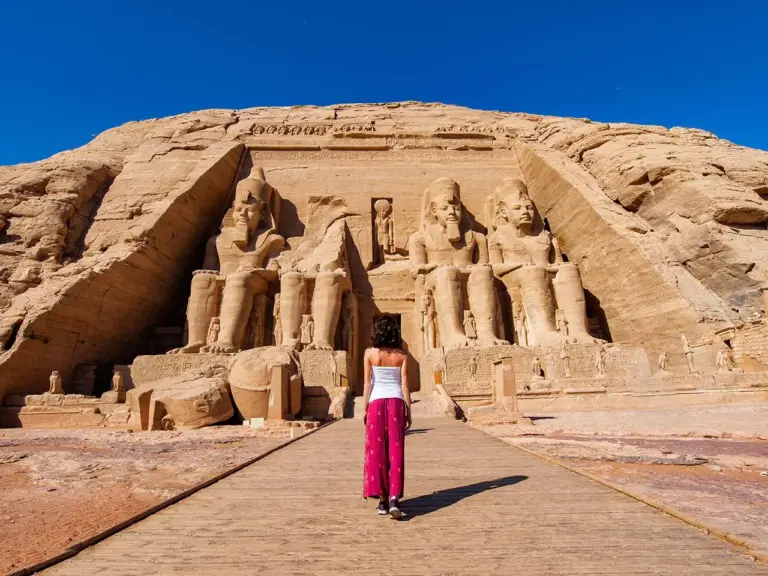
Easy Abu Simbel Temples
Abu Simbel Temples are the most iconic monuments of ancient Nubia — twin rock-cut temples of Ramesses II saved...
 Dahshur
Moderate
Dahshur
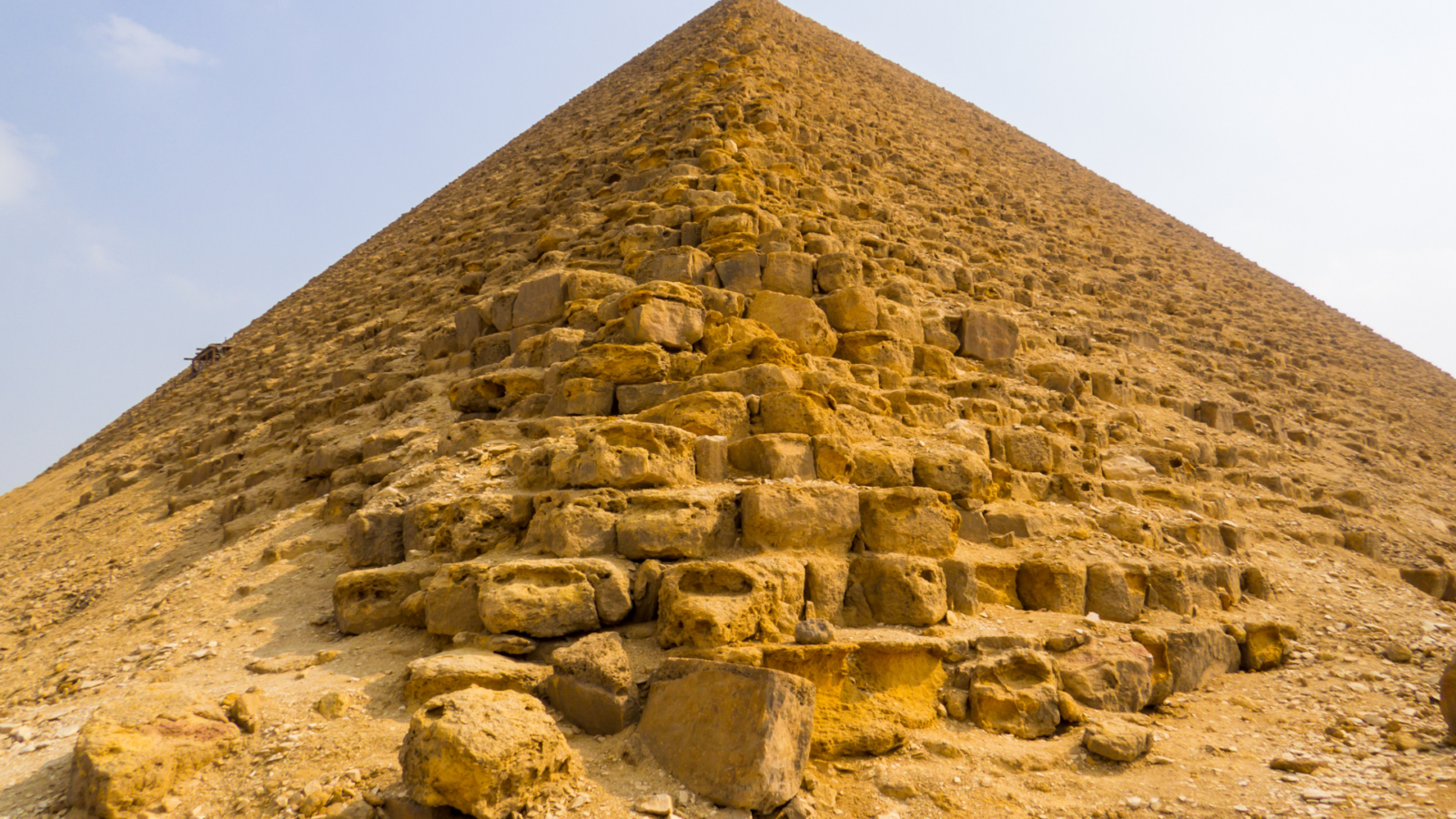
Moderate The Red Pyramid
The Red Pyramid at Dahshur is the world's first successful true pyramid, built by Sneferu around 2590 BCE, and...
 Giza
Easy
Giza
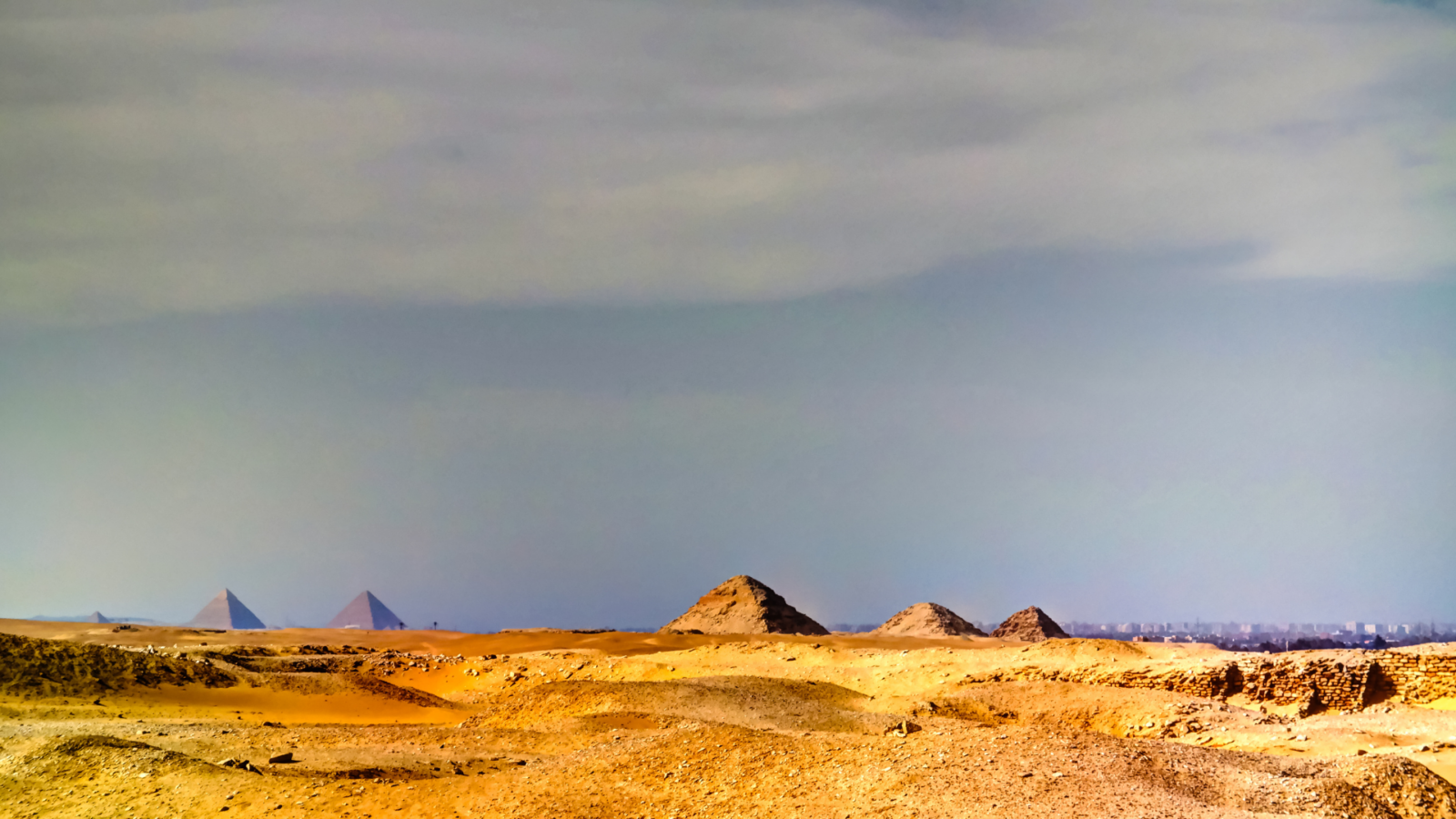
Easy The Pyramid of Teti
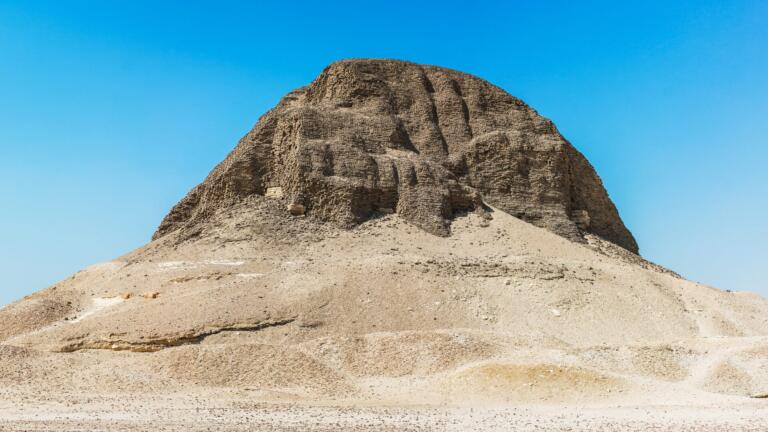
The Pyramid of Teti at Saqqara contains some of the best-preserved Pyramid Texts in Egypt, with a star-painted...
 Giza
Moderate
Giza
Moderate The Pyramid of Pepi II
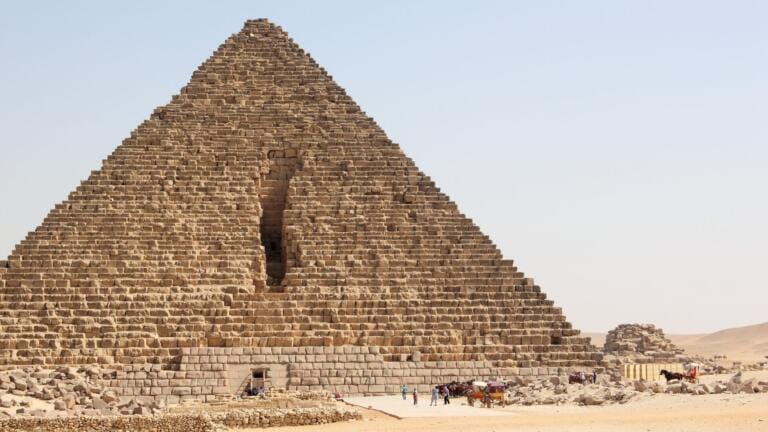
The Pyramid of Pepi II at South Saqqara is the last royal pyramid of the Old Kingdom, built for the pharaoh wh...
 Giza
Easy
Giza
Easy The Pyramid of Menkaure
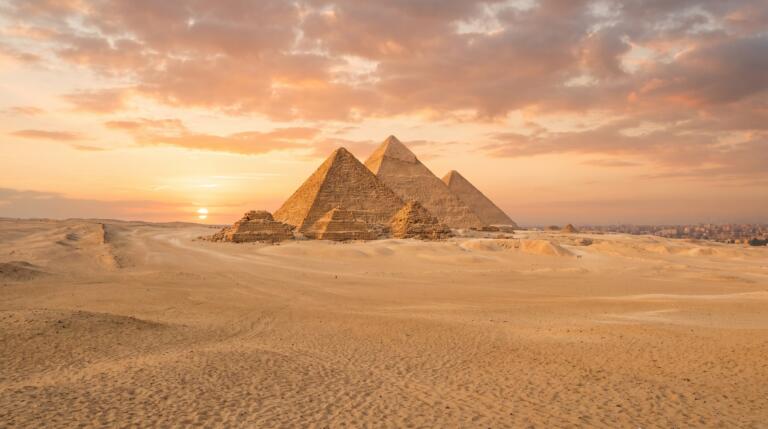
The Pyramid of Menkaure is the smallest of the three Giza pyramids, notable for its original red granite casin...
 Giza
Challenging
Giza
Challenging Great Pyramid of Khufu
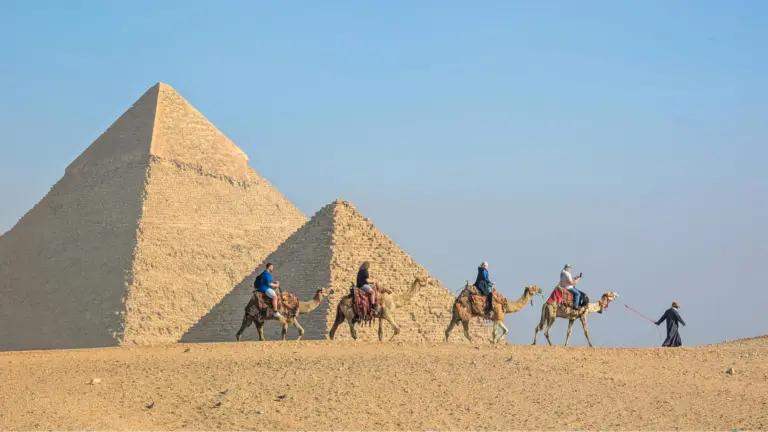
The Pyramid of Khufu — the Great Pyramid of Giza — is the only surviving Wonder of the Ancient World, the larg...
 Giza
Moderate
Giza
Moderate The Pyramid of Khafre
The Pyramid of Khafre is the second-largest pyramid at Giza and the best-preserved in terms of its complex, wi...
 Meidum
Moderate
Meidum
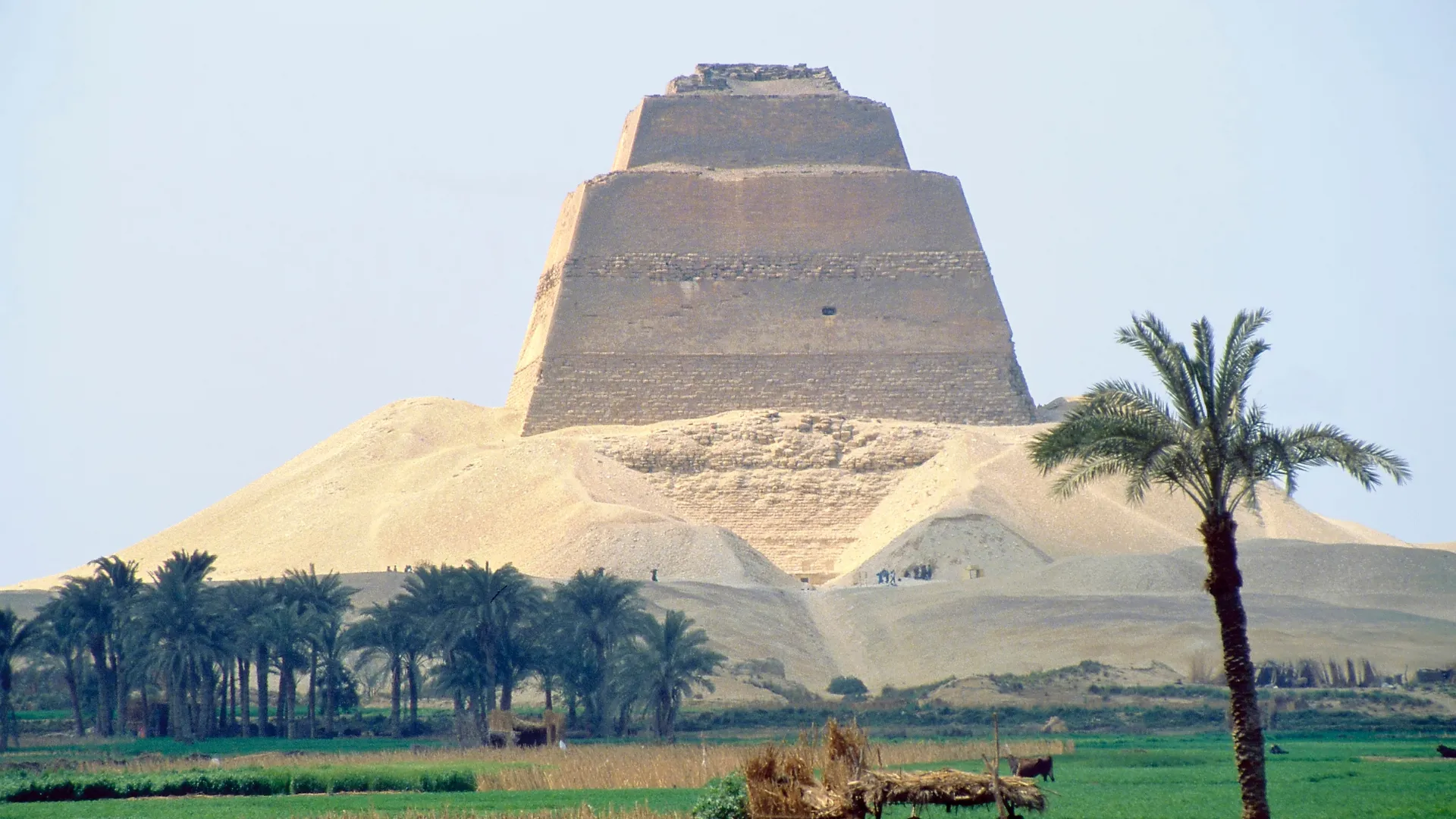
Moderate The Meidum Pyramid
The Meidum Pyramid is the earliest attempt at a true smooth-sided pyramid in Egypt, and its dramatic partial c...
 Giza
Easy
Giza
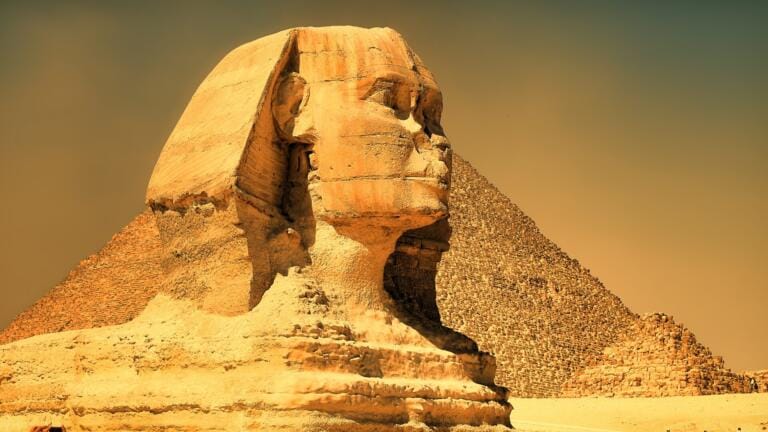
Easy The Great Sphinx
The Great Sphinx of Giza is the world's largest monolithic statue, carved around 2550 BCE from a single outcro...
 Dahshur
Moderate
Dahshur
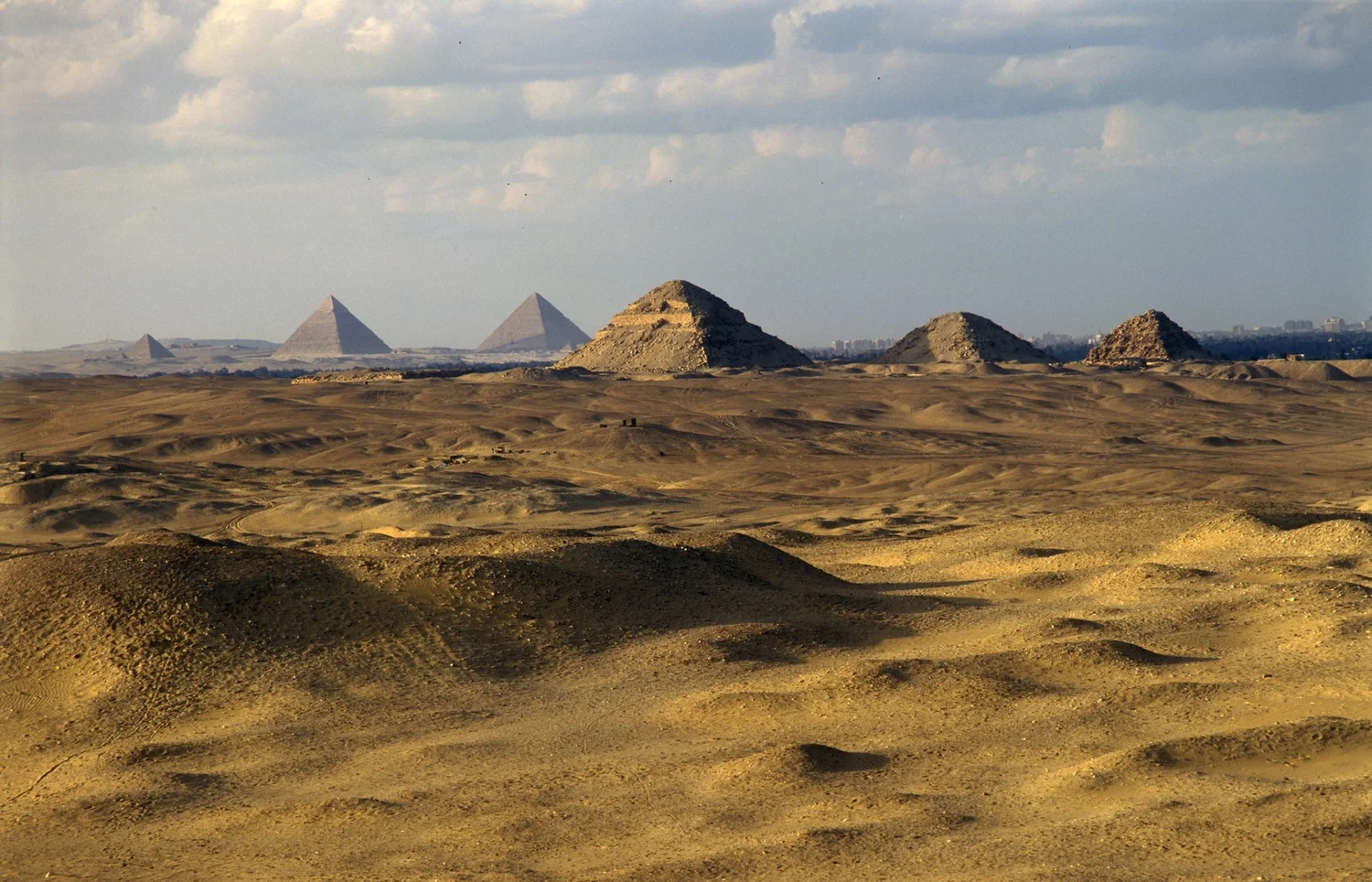
Moderate The Dahshur Necropolis
The Dahshur necropolis contains the Bent Pyramid and Red Pyramid — the two most architecturally significant st...
 Dahshur
Moderate
Dahshur
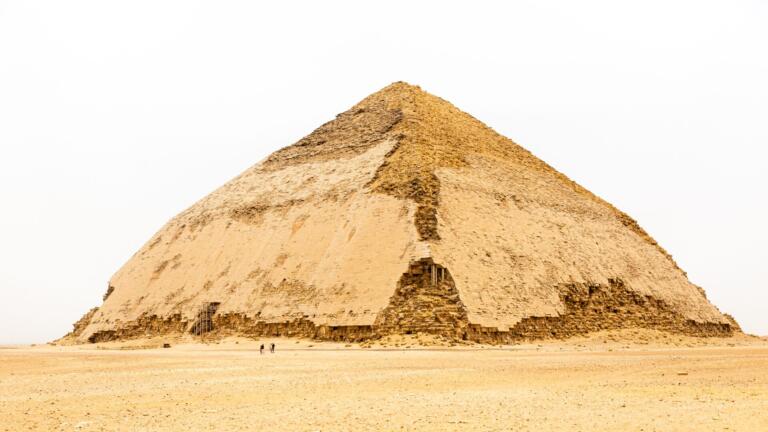
Moderate The Bent Pyramid
The Bent Pyramid at Dahshur is the best-preserved ancient pyramid casing in Egypt and the most visible archite...
 Giza
Easy
Giza
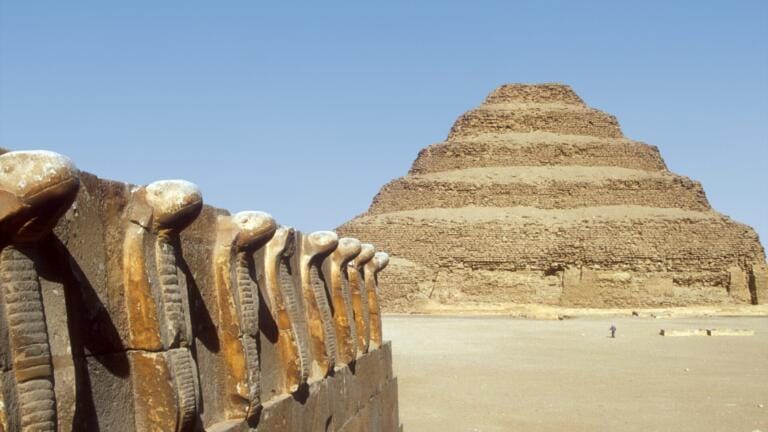
Easy Step Pyramid of Djoser
The Step Pyramid of Djoser at Saqqara is the world's oldest large-scale stone structure, designed by Imhotep a...
 Giza
Moderate
Giza
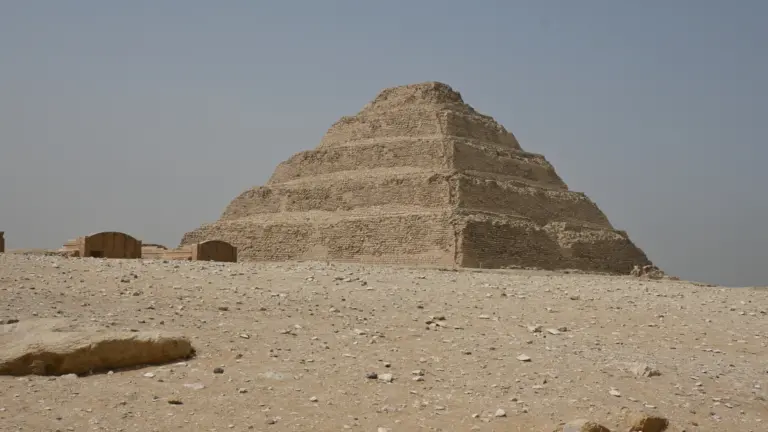
Moderate Saqqara & The Step Pyramid
Saqqara is Egypt's largest necropolis and one of its most active archaeological sites, home to the Step Pyrami...
 Giza
Moderate
Giza
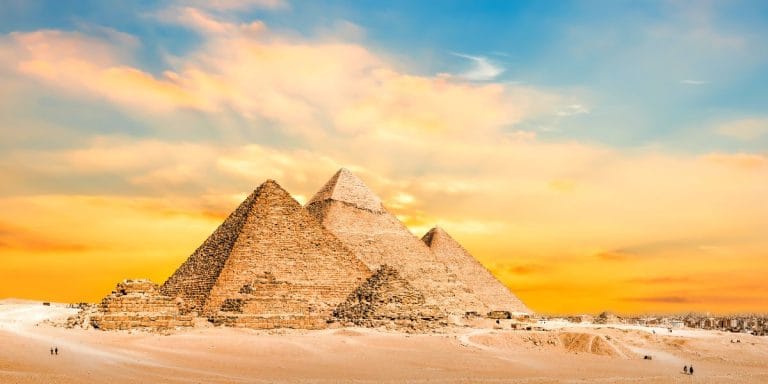
Moderate Giza Pyramid Complex
The Giza Pyramid Complex is the only surviving Wonder of the Ancient World and Egypt's most iconic destination...
 Luxor
Easy
Luxor
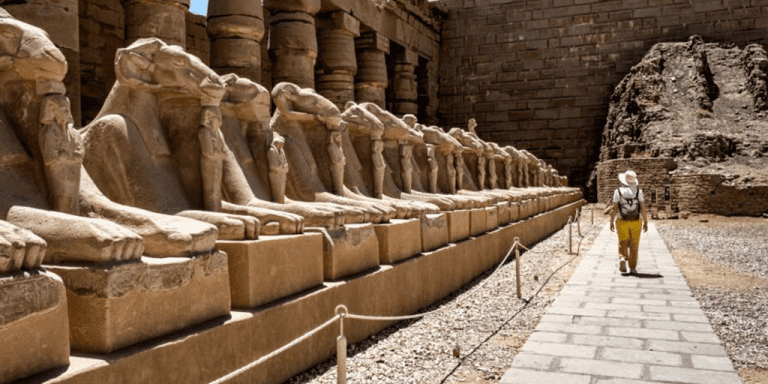
Easy Avenue of Sphinxes
Luxor's Avenue of Sphinxes is one of Egypt's most ambitious restoration achievements, reopened in 2021 after 7...
 Giza
Moderate
Giza
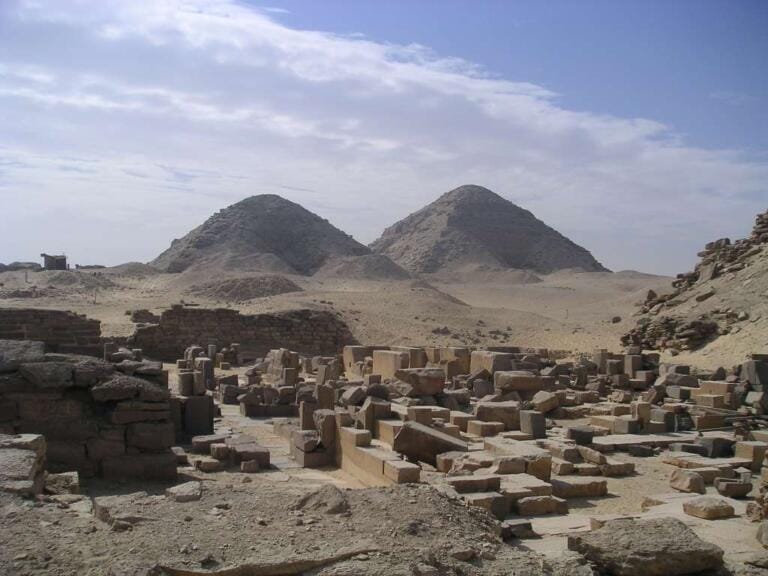
Moderate Abu Sir Pyramids
Abu Sir Pyramids offer an uncrowded alternative to Giza, with four 5th Dynasty royal complexes and some of the...




