







 Day Tour
 Day Tour
 Day Tour
 Day Tour
 Package
 Package
 Attraction
 Attraction
 Attraction
 Attraction
 Attraction
 Attraction
Testimonials
Our Clients Reviews
See what our happy travelers say about us
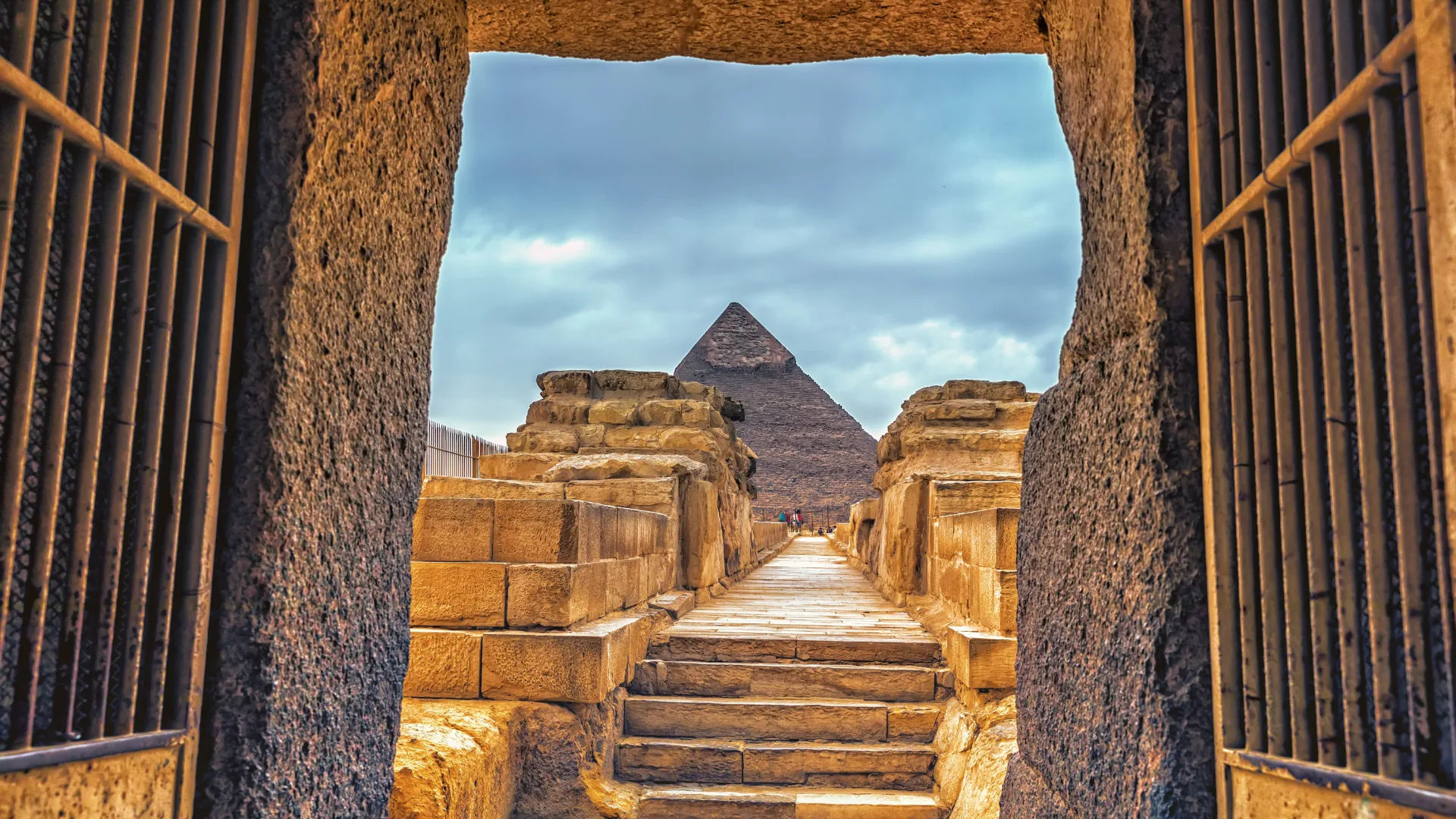
The Valley Temple of Khafre at Giza is one of the best-preserved temples from the Old Kingdom period and the only significant surviving valley temple on the Giza plateau. Built around 2530 BCE as the lower entrance to Khafre’s pyramid complex, it served as the reception and embalming hall where the pharaoh’s body was received after transport across the Nile. From here, a 494-meter covered causeway led up the plateau to the mortuary temple at the pyramid’s base.
The building is constructed from enormous blocks of red Aswan granite over an alabaster floor, with walls lined in polished granite. The interior T-shaped hall originally held 23 statues of Khafre in various materials — the seated diorite gneiss statue of Khafre now in the Cairo Museum, considered one of the masterworks of ancient Egyptian sculpture, was found here by Auguste Mariette in 1853. Individual granite blocks exceed 100 tonnes, making this one of the most massively constructed ancient buildings accessible to visitors anywhere in Egypt.
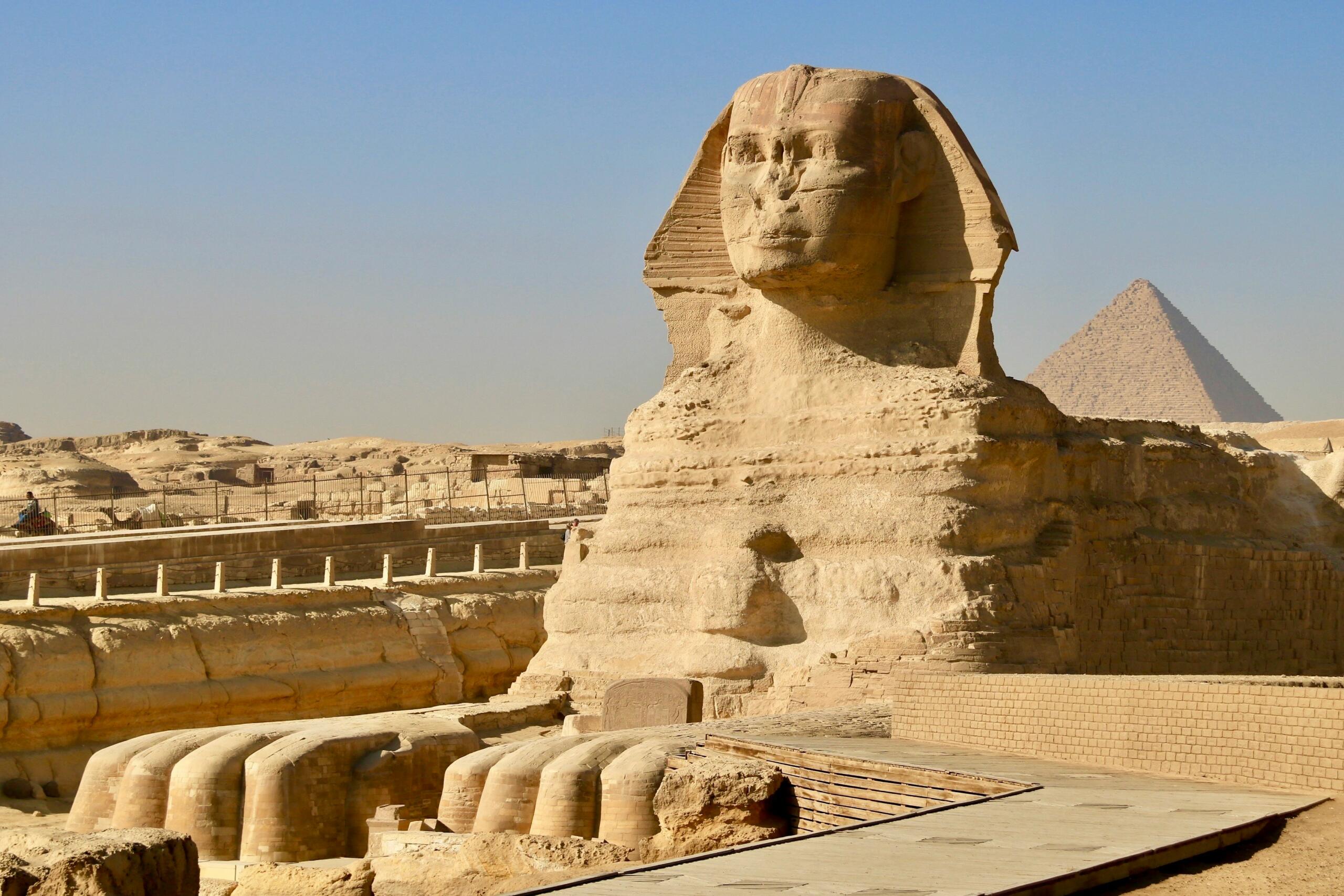
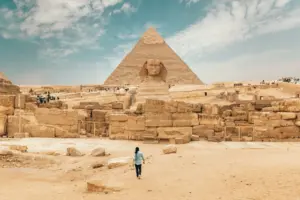
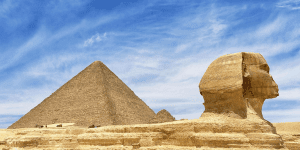
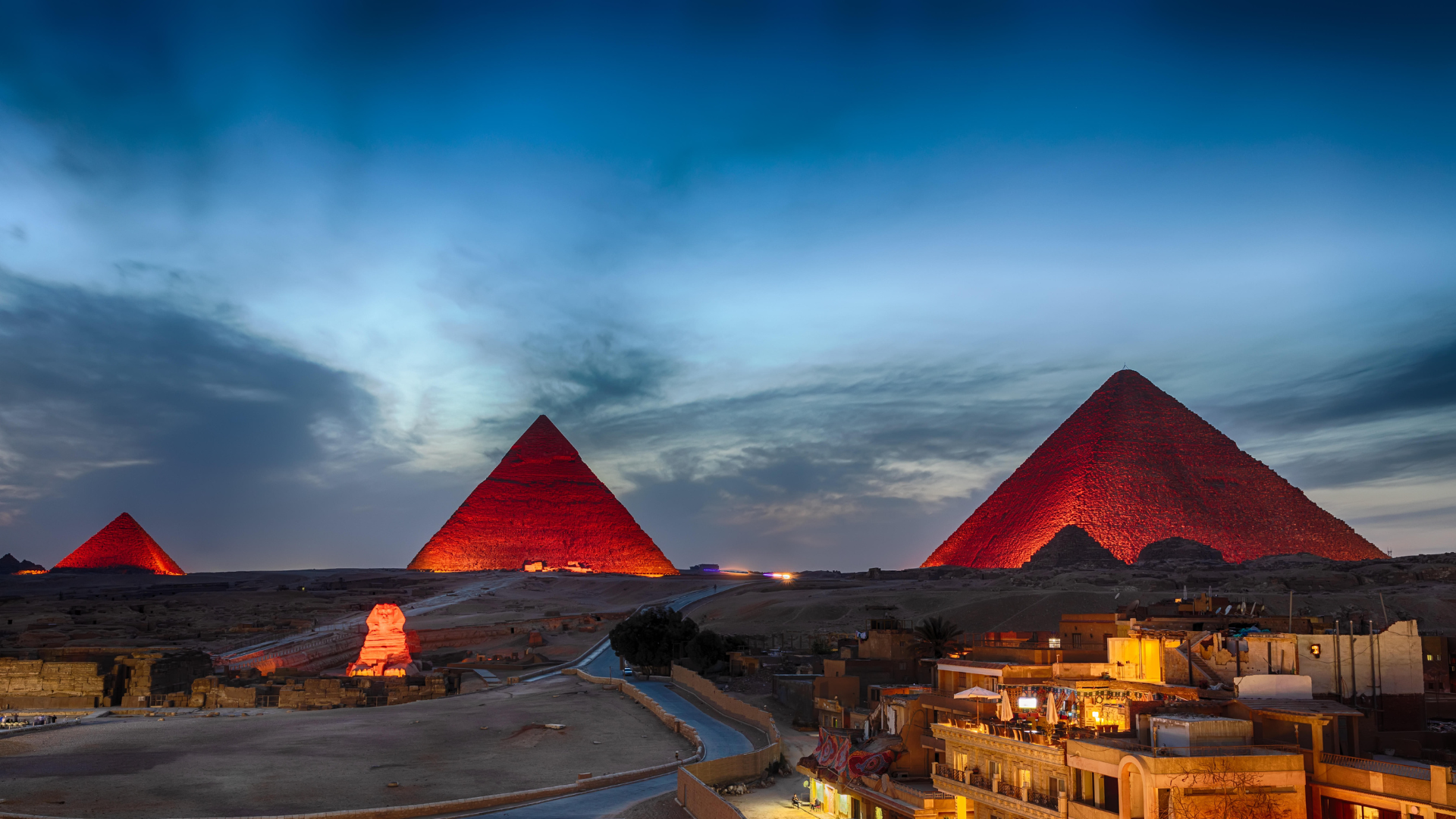
The Valley Temple’s proximity to the Great Sphinx means the two monuments are typically visited together. The Sphinx was likely designed as the guardian of the causeway and valley temple complex, its gaze directed east toward the sunrise.
The Valley Temple was built during the reign of Khafre (c. 2558–2532 BCE) and forms the lower terminus of his pyramid complex. The Nile would have reached the base of the plateau during the annual inundation, allowing the royal funerary boat carrying the embalmed body to dock at the valley temple’s quay. Inside, purification rituals were performed before the body was transported up the causeway for final funerary ceremonies.
Auguste Mariette excavated beginning in 1853, finding not only the famous Khafre statue but evidence that a secondary floor of alabaster had been laid over the original — possibly during a New Kingdom restoration.
The Sphinx Temple, located immediately in front of the Great Sphinx, was built at the same time as the Valley Temple but was left incomplete and never used. It shares the same massive granite and limestone construction style.
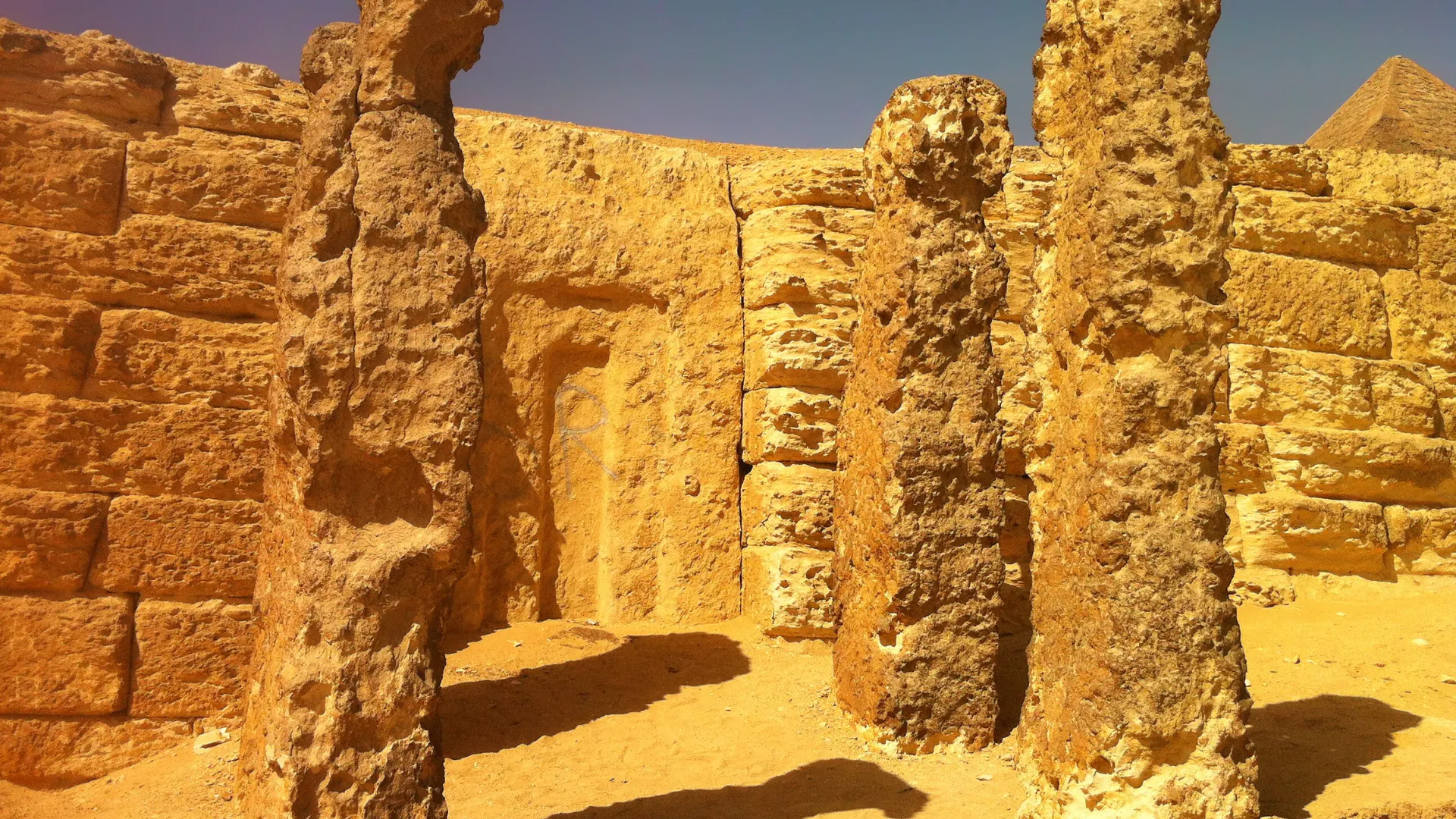
The T-shaped hall and antechamber are lined with massive polished red granite blocks over an alabaster floor — the combination of hard stone precision and scale is unlike any other surviving ancient Egyptian interior.
Twenty-three rectangular niches that once held seated and standing statues of Khafre line the hall walls — their empty symmetry conveys the original royal image-making program.
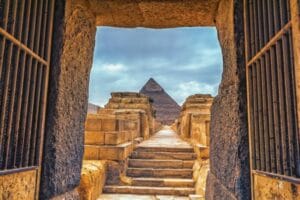
The granite door jambs of the causeway entrance give a direct view up the ascending passage toward Khafre's pyramid — one of the few intact transition points between a valley temple and its pyramid.
These packages visit this site as part of the itinerary.


Start From

Start From


Start From

See what our happy travelers say about us



