
Testimonials
Our Clients Reviews
See what our happy travelers say about us
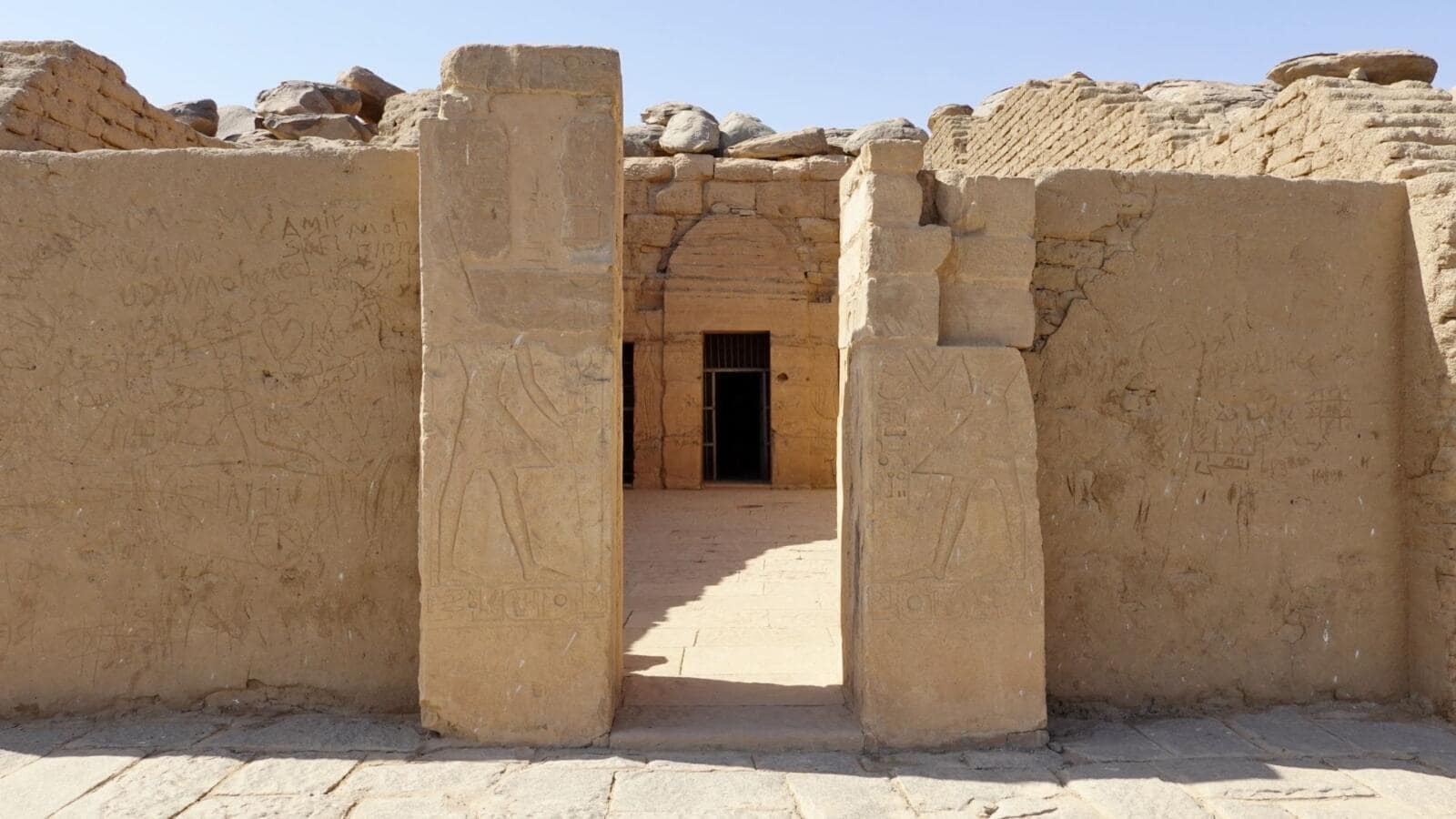
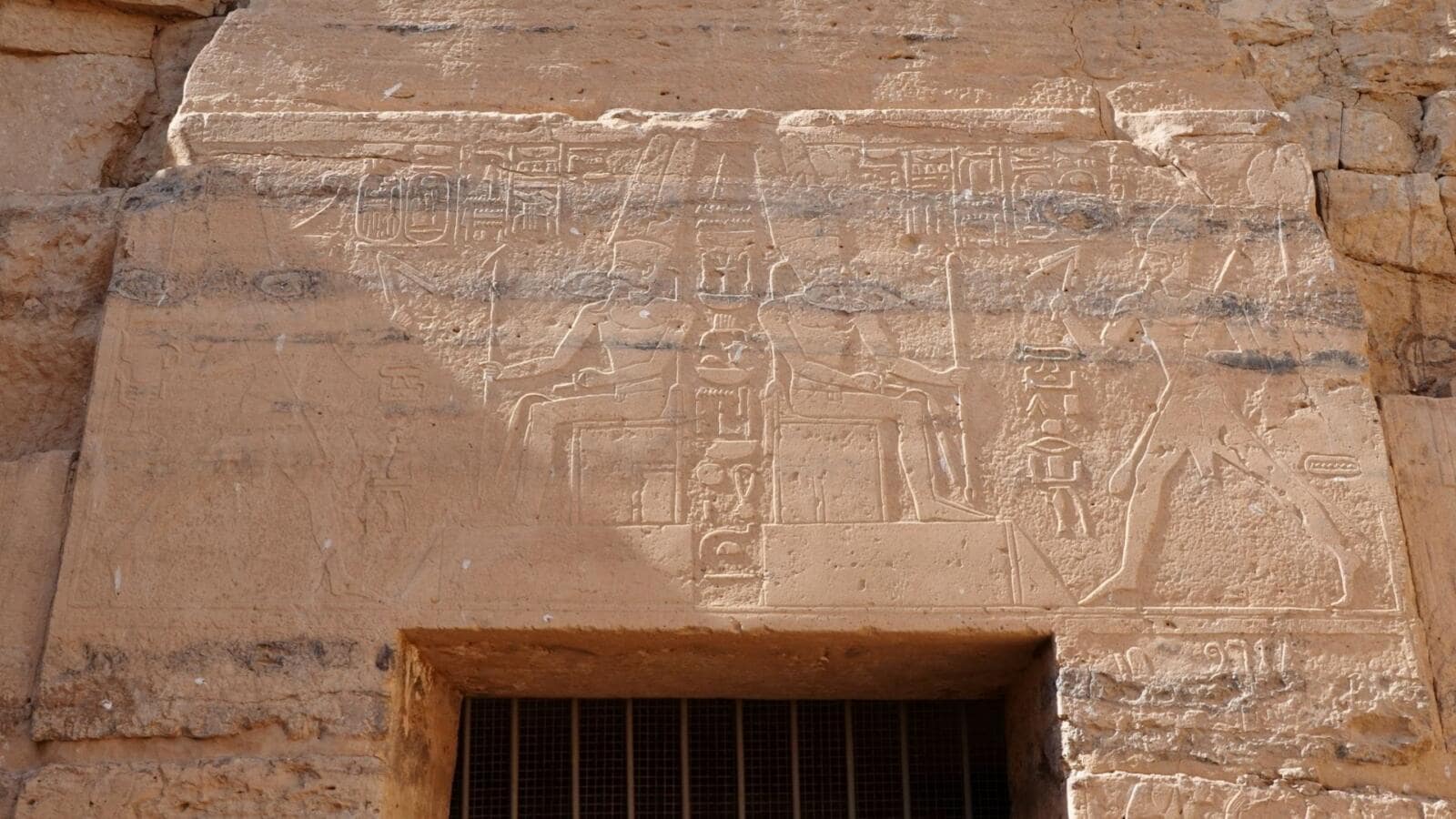
Beit el-Wali is a small rock-cut temple built by Ramesses II during the early years of his reign, approximately 1279–1260 BCE, originally sited in Lower Nubia near the first Nile cataract. The name means ‘House of the Governor’ in Arabic. During the UNESCO Nubian Monuments salvage campaign, it was relocated to the artificial island of New Kalabsha near the Aswan High Dam, where it now stands alongside the Temple of Kalabsha and the Kiosk of Qertassi.
Despite its compact size, Beit el-Wali is one of the most historically informative early Ramesside temples. Its entrance corridor walls are covered in painted raised reliefs depicting Ramesses II’s military campaigns into Nubia, Libya, and Canaan — executed early in his reign, before the more formalized propaganda style of his later monuments. The colors, though partially faded, remain striking.
The inner sanctuary contains a carved niche with seated statues of Ramesses II flanked by the gods Amun and Horus. The temple pairs naturally with a visit to the much larger Kalabsha Temple on the same island.
Beit el-Wali was built in the first decade of Ramesses II’s reign as part of a program of Nubian temple construction to consolidate Egyptian control south of Aswan. The campaign reliefs on the entrance hall walls are among the earliest known depictions of Ramesses II in military action, predating the Abu Simbel reliefs of the Battle of Kadesh.
The tribute scenes show Nubian chiefs bringing gold rings, animal skins, and exotic animals including baboons and giraffes — a vivid pictorial record of Nubian trade goods. Egyptologists consider these reliefs valuable for their relatively unschematic quality compared to later Ramesside temple decoration.
The Egyptian Antiquities Organization and the Oriental Institute of Chicago jointly dismantled and documented the temple before relocation to New Kalabsha, where it was re-erected in 1978.
Painted raised reliefs of Ramesses II's Nubian, Libyan, and Canaanite campaigns cover the entrance corridor walls in a dynamic style distinct from later Ramesside carving.
Vividly detailed reliefs show Nubian chiefs presenting exotic animals — giraffes, leopards, baboons — alongside gold and ivory, a unique pictorial record of Nubian tribute goods.
Three carved seated figures of Ramesses II with Amun and Horus occupy a niche in the sanctuary — the focal point of the temple's cult function.

See what our happy travelers say about us
