
 Day Tour
 Day Tour
 Day Tour
 Day Tour
 Package
 Attraction
 Attraction
 Attraction
 Attraction
 Attraction
 Attraction
Testimonials
Our Clients Reviews
See what our happy travelers say about us
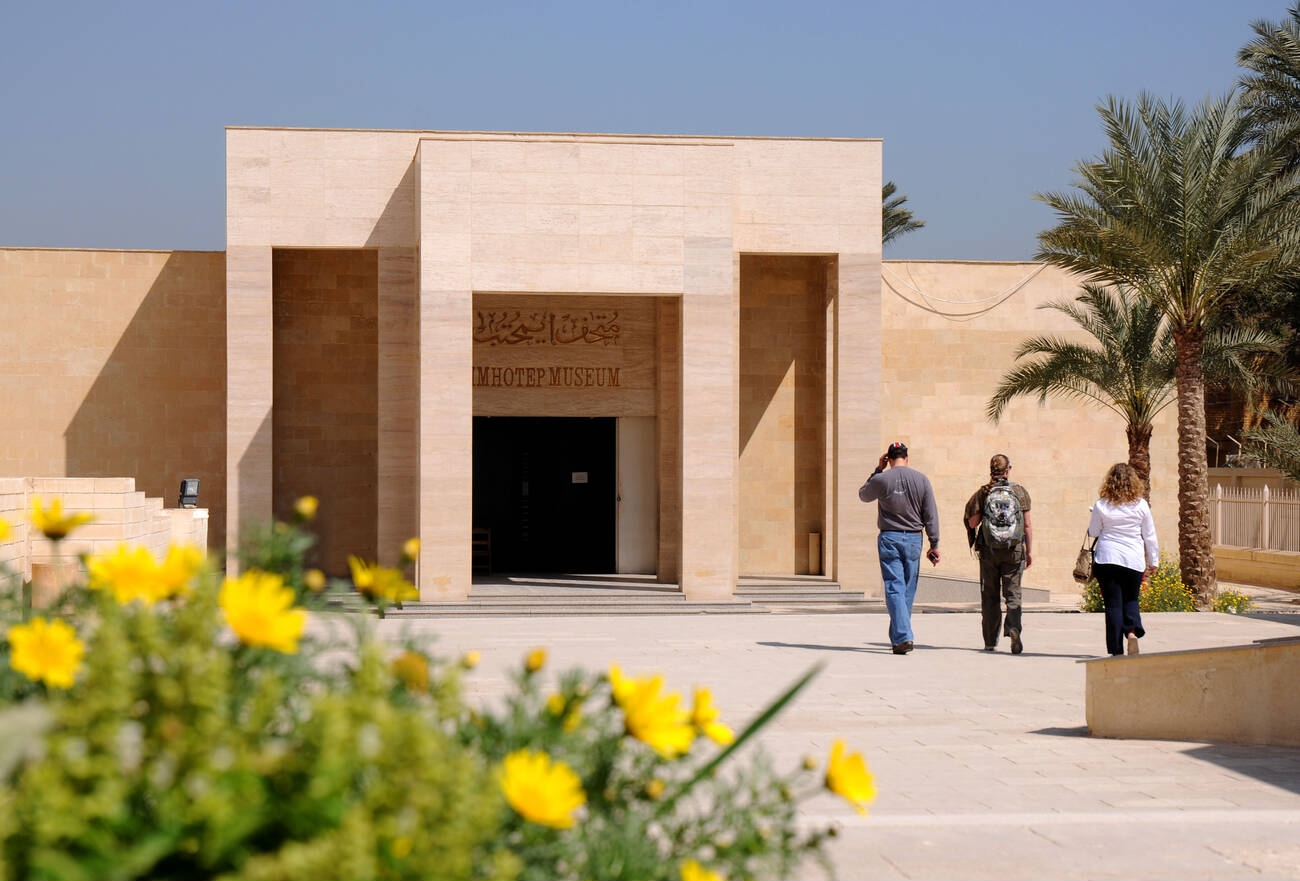
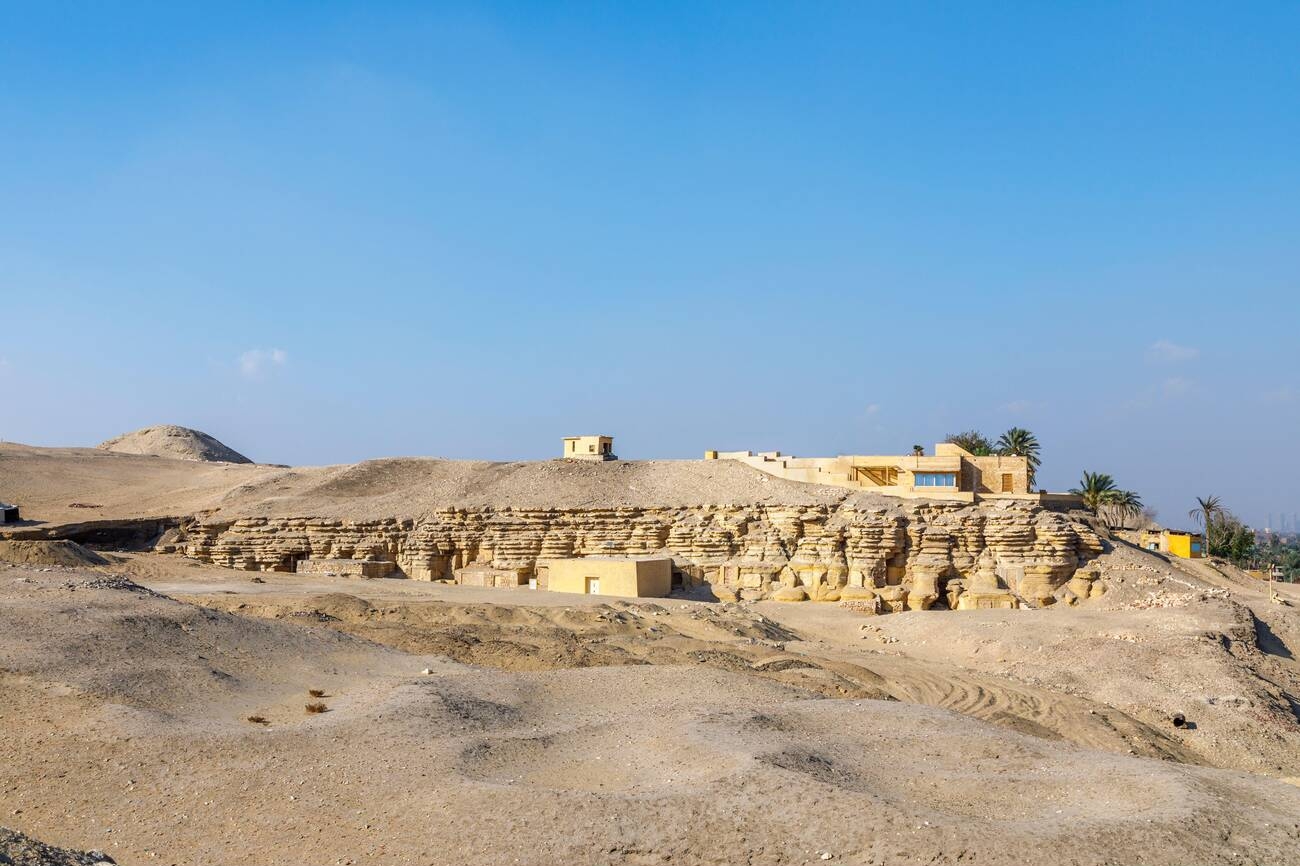
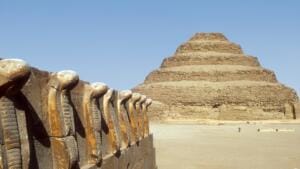
The Imhotep Museum is an on-site museum at the Saqqara necropolis, located near the Step Pyramid of Djoser and named after the ancient Egyptian architect and polymath who designed the Step Pyramid around 2630 BCE. Opened in 2006, it was one of the first purpose-built site museums in Egypt designed to keep significant finds at their place of discovery rather than sending them to Cairo — a model that has since influenced museum policy across the country.
The museum’s collection focuses on objects discovered at Saqqara during excavations from the early 20th century to the present day, including material from the most recent and spectacular finds: the 59 sealed wooden coffins discovered in 2020, intact gilded mummies from nearby shaft tombs, carved wooden statues, bronze ritual objects, painted funerary equipment, and architectural fragments from the Step Pyramid complex itself. The museum’s galleries are organized thematically around the history of Saqqara as a burial site, the figure of Imhotep, and the ongoing work of archaeology at the site.
Because Saqqara remains one of the most actively excavated sites in Egypt — with new discoveries announced almost annually — the Imhotep Museum occupies a unique position as a living repository of a site in active excavation. Objects on display include finds made as recently as a few years before any given visit, giving the museum a currency not available in institutions dependent on older collections.
Imhotep served as the chief architect, physician, and vizier of Pharaoh Djoser of the 3rd Dynasty (c. 2686–2613 BCE). He is credited with designing not only the Step Pyramid but the entire surrounding ceremonial complex at Saqqara — the first large-scale stone building project in human history. In later periods he was deified as a god of medicine and wisdom, identified by Greek colonists with their own healing deity Asclepius. He remains one of the only non-royal commoners in ancient Egyptian history to achieve divine status.
The decision to name the Saqqara site museum after Imhotep was both a tribute to the ancient polymath and an acknowledgment of the site’s identity as the place where the most revolutionary architectural innovation in ancient history occurred. The museum was built in a low-profile modern structure designed to minimize visual impact on the ancient landscape.
The 2020 announcement of the discovery of 59 sealed wooden coffins at Saqqara — made by Egyptian Antiquities Minister Khaled el-Anany in a live press conference from the site — drew international media attention and significantly raised the museum’s profile as a repository of ongoing discoveries.
Selected painted wooden coffins from the extraordinary 2020 discovery of 59 sealed intact sarcophagi — some of the best-preserved coffins from the Late Period in any Egyptian museum.
Gilded cartonnage masks and wrapped mummies from Saqqara shaft tombs, displayed with conservation-quality lighting that reveals the gold leaf and painted detail.
A dedicated gallery on the architect and deified physician Imhotep, with architectural fragments from the Step Pyramid complex and objects associated with his later cult.
Carved wooden shabtis, canopic jars, offering tables, and ritual objects from multiple dynasties, representing the diversity of funerary practice across Saqqara's 3,000-year use.

See what our happy travelers say about us



