
Summary
Nefertiti was the Great Royal Wife of the pharaoh Akhenaten in the 14th century BC and one of the most powerful queens of ancient Egypt. Her name means “the beautiful one has come”. Together with her husband she led the religious revolution that put the sun disc, the Aten, above all other gods and built a new capital at Amarna. Her painted limestone bust, found in 1912, made her face one of the most famous in the world, yet how her life ended and where she was buried are still unknown.
Who Was Nefertiti?
Nefertiti lived during the 18th Dynasty, at the height of the New Kingdom. Her family background is uncertain; one theory makes her the daughter of the courtier Ay, who later became king himself. She married Akhenaten, son of Amenhotep III, who came to the throne around 1353 BC.
She had six daughters with Akhenaten. One of them, Ankhesenpaaten, later renamed Ankhesenamun, became the wife of Tutankhamun.
Queen of the Aten Revolution
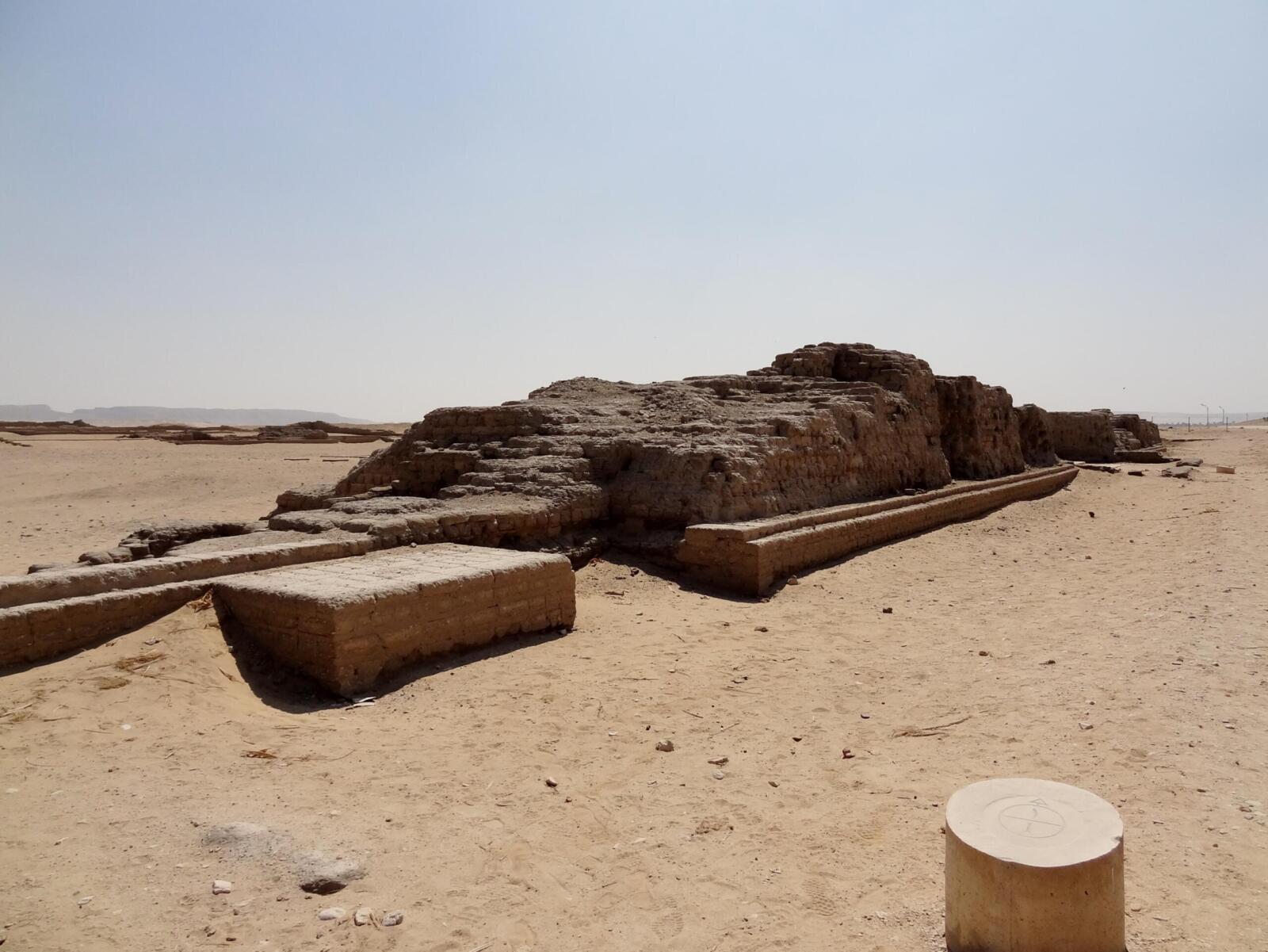
Akhenaten broke with the old gods of Thebes and worshipped one god, the Aten, the disc of the sun. Around his fifth year he founded a new city, Akhetaten, “horizon of the Aten”, today called Tell el-Amarna.
Nefertiti appears beside him on almost every monument, more often and more prominently than any queen before her. She is shown making offerings to the Aten herself, riding in a chariot, and even striking down enemies, a scene normally reserved for kings. Under the Aten’s rays, the royal family is also shown in tender, everyday moments, kissing and playing with their daughters, something new in Egyptian art.
The Bust of Nefertiti
On 6 December 1912 a German team led by Ludwig Borchardt found the painted limestone bust in the workshop of the sculptor Thutmose at Amarna. With its tall blue crown, long neck and perfectly balanced face, it is the best-known portrait from the ancient world. It is now in the Neues Museum in Berlin. Egypt has asked for its return, arguing it left the country unfairly in the division of finds.
One eye of the bust has no inlay. It was probably a sculptor’s model, used as a pattern for other portraits of the queen.
Her Last Years: A Mystery
Nefertiti seems to disappear from the record around Akhenaten’s twelfth to fourteenth year, and for a century historians assumed she had died or fallen from favour. In 2012 an inscription found in a quarry at Deir el-Bersha, dated to year 16 of the reign, named her as Great Royal Wife, so she was still alive and still queen near the end of his reign.
Many Egyptologists think she then ruled herself, either as co-regent with Akhenaten or after his death, under the name Neferneferuaten. Others link that name to a different royal woman. The evidence is still debated.
8-Day Cairo, Siwa and White & Black Desert Adventure
Planning the trip itself? Start here.
View This TripWhere Is Nefertiti's Tomb?
Her burial has never been identified. A royal tomb was cut for the family at Amarna, but the city was abandoned soon after Akhenaten’s death. Suggestions include a mummy known as the “Younger Lady” from tomb KV35 in the Valley of the Kings (DNA studies identify her as Tutankhamun’s mother, and most experts do not think she is Nefertiti), and hidden chambers behind the walls of Tutankhamun’s tomb, which radar surveys have not confirmed. Finding Nefertiti remains one of the great open questions in Egyptology.
Where to See Nefertiti in Egypt
- Cairo: the Egyptian Museum displays an unfinished quartzite head of Nefertiti from the same Amarna workshop, many say more beautiful than the Berlin bust, plus reliefs of the royal family.
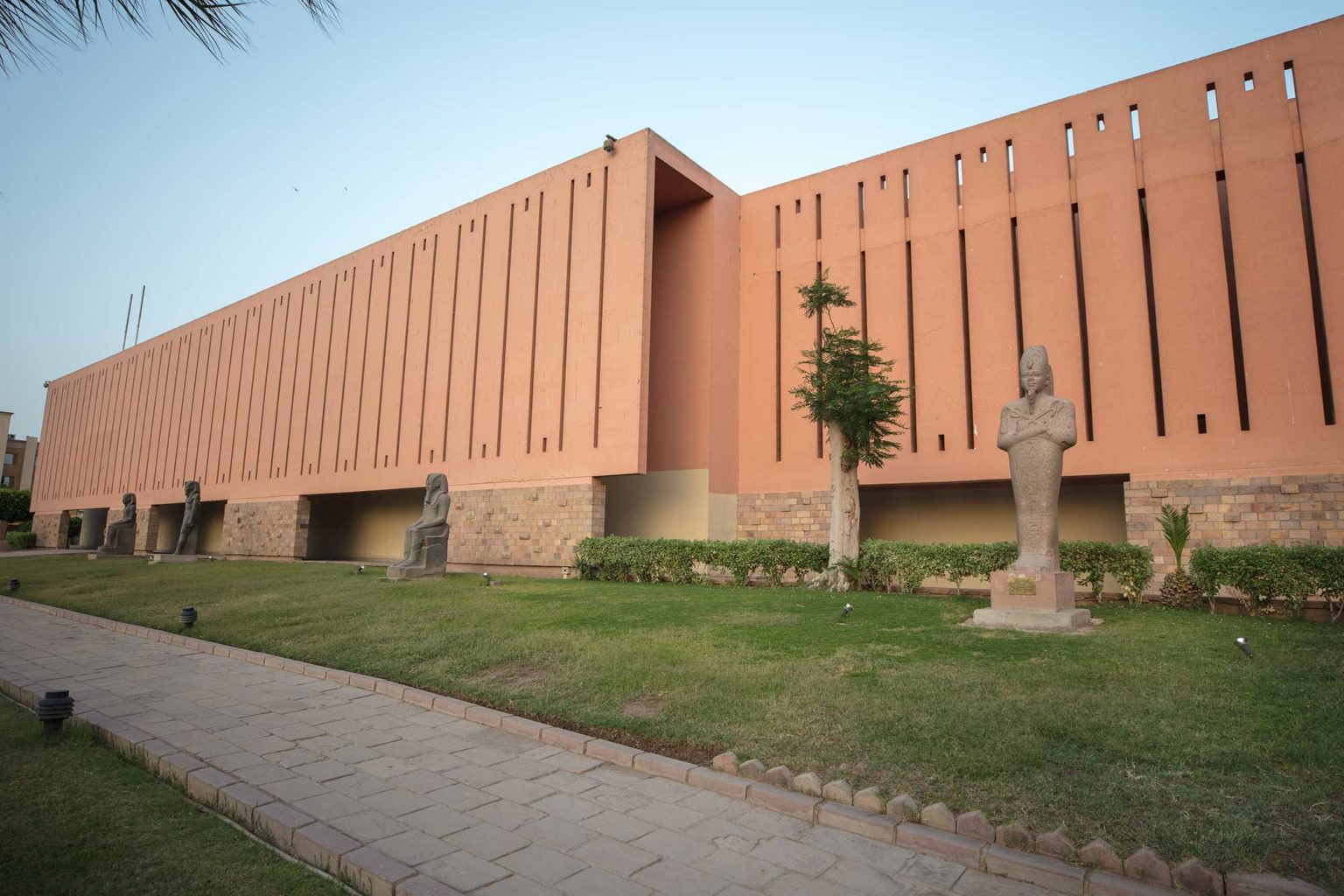
- Luxor: the Luxor Museum has a rebuilt wall of small stone blocks from Akhenaten’s temples at Karnak, showing the king and queen.
- Amarna: the ruins of her city at Tell el-Amarna, with the rock tombs of the nobles, decorated with scenes of the royal couple.
Nefertiti: FAQ
Who was Nefertiti?
The Great Royal Wife of the pharaoh Akhenaten, around 1350 BC, and a powerful queen at the centre of the Aten religion.
What does the name Nefertiti mean?
“The beautiful one has come”.
Is Nefertiti the same as Nefertari?
No. Nefertiti was the wife of Akhenaten in the 14th century BC; Nefertari was the wife of Ramesses II about 80 years later, famous for her tomb in the Valley of the Queens.
Where is the Nefertiti bust?
In the Neues Museum in Berlin, Germany.
Was Nefertiti related to Tutankhamun?
She was his stepmother, and her daughter Ankhesenamun became his wife; DNA tests show his own mother was another royal woman.
Has Nefertiti’s mummy been found?
No. Her mummy and tomb have never been securely identified.


























