Summary
The New Kingdom (about 1550–1069 BC, the 18th to 20th Dynasties) was the richest and most powerful age of ancient Egypt. It began when Ahmose drove out the Hyksos, and Egypt then built an empire from Nubia to Syria. Its best-known rulers are almost all from this age:
- Hatshepsut and Thutmose III;
- Akhenaten and Nefertiti;
- Tutankhamun;
- Ramesses II.
Most of what visitors see in Luxor, from Karnak to the Valley of the Kings, and Abu Simbel in the far south, was built by its kings.
The New Kingdom at a Glance
| Ruler | Dynasty | Known for |
|---|---|---|
| Ahmose I | 18th | Expelled the Hyksos and reunited Egypt |
| Hatshepsut | 18th | Female pharaoh; the temple at Deir el-Bahari; the expedition to Punt |
| Thutmose III | 18th | Egypt’s greatest general; empire to the Euphrates |
| Amenhotep III | 18th | Peace, wealth and Luxor Temple |
| Akhenaten | 18th | Worship of the Aten; the new capital at Amarna |
| Tutankhamun | 18th | Restored the old gods; his tomb was found nearly intact |
| Ramesses II | 19th | Battle of Kadesh, peace with the Hittites, Abu Simbel |
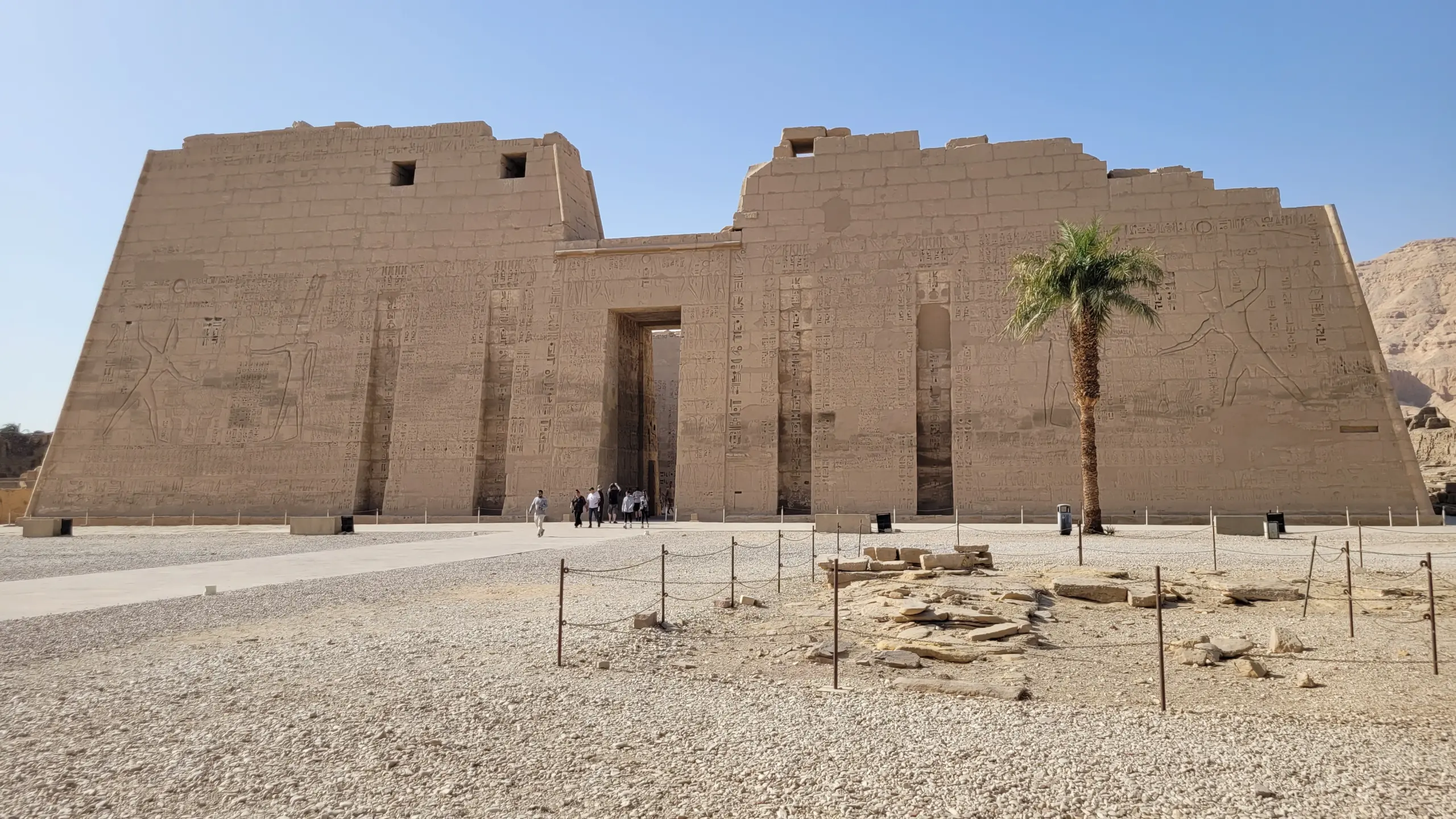
| Ramesses III | 20th | Defeated the Sea Peoples; Medinet Habu |
From the Hyksos to an Empire
Before the New Kingdom, the north of Egypt was ruled by the Hyksos, kings of Asian origin. Ahmose, a prince of Thebes, drove them out around 1550 BC. His successors took the war abroad. Thutmose III fought some seventeen campaigns, won the battle of Megiddo, and made Egypt the greatest power of the region, with vassal cities in Canaan and Syria and gold from Nubia.
Thebes, Amun and the Valley of the Kings
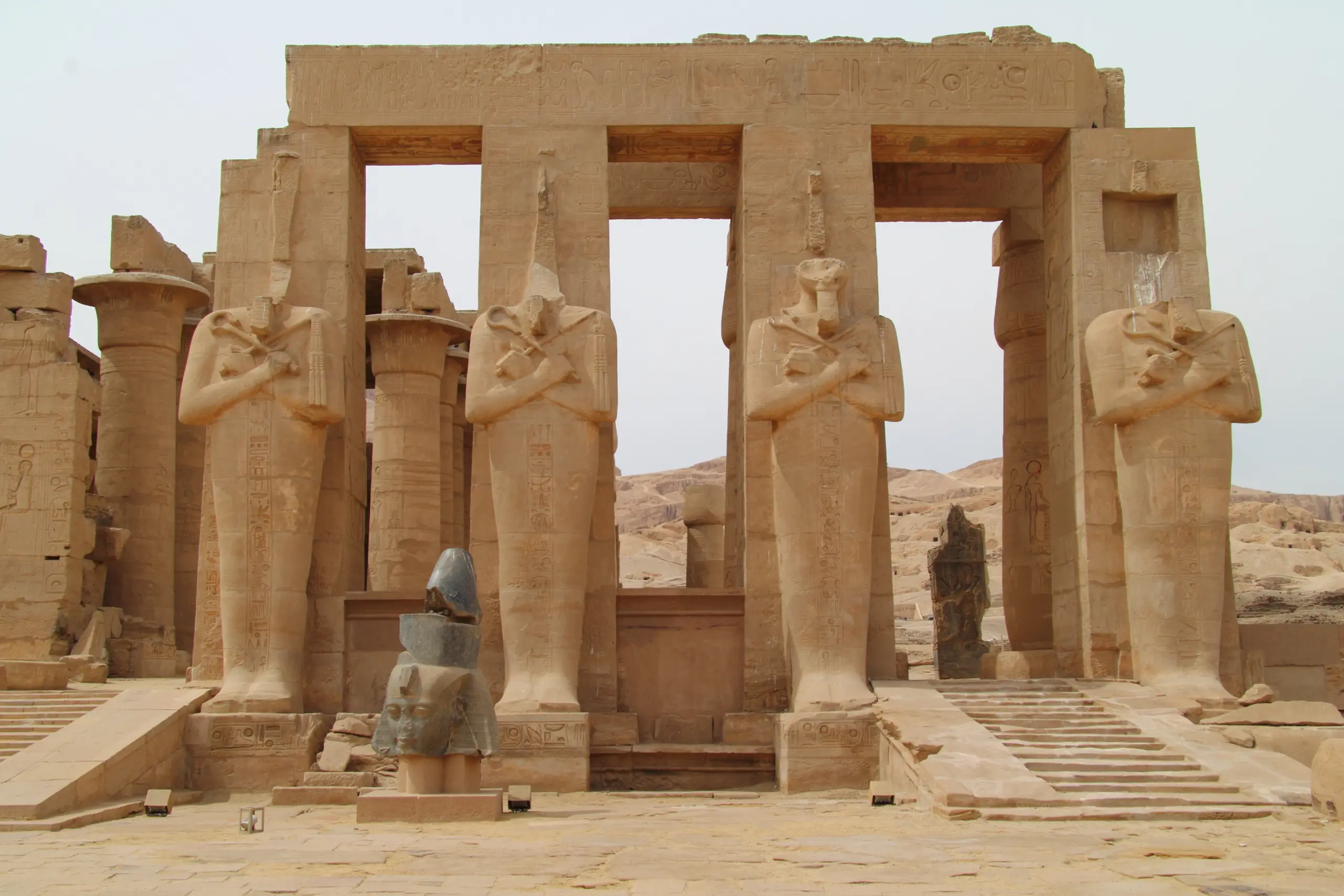
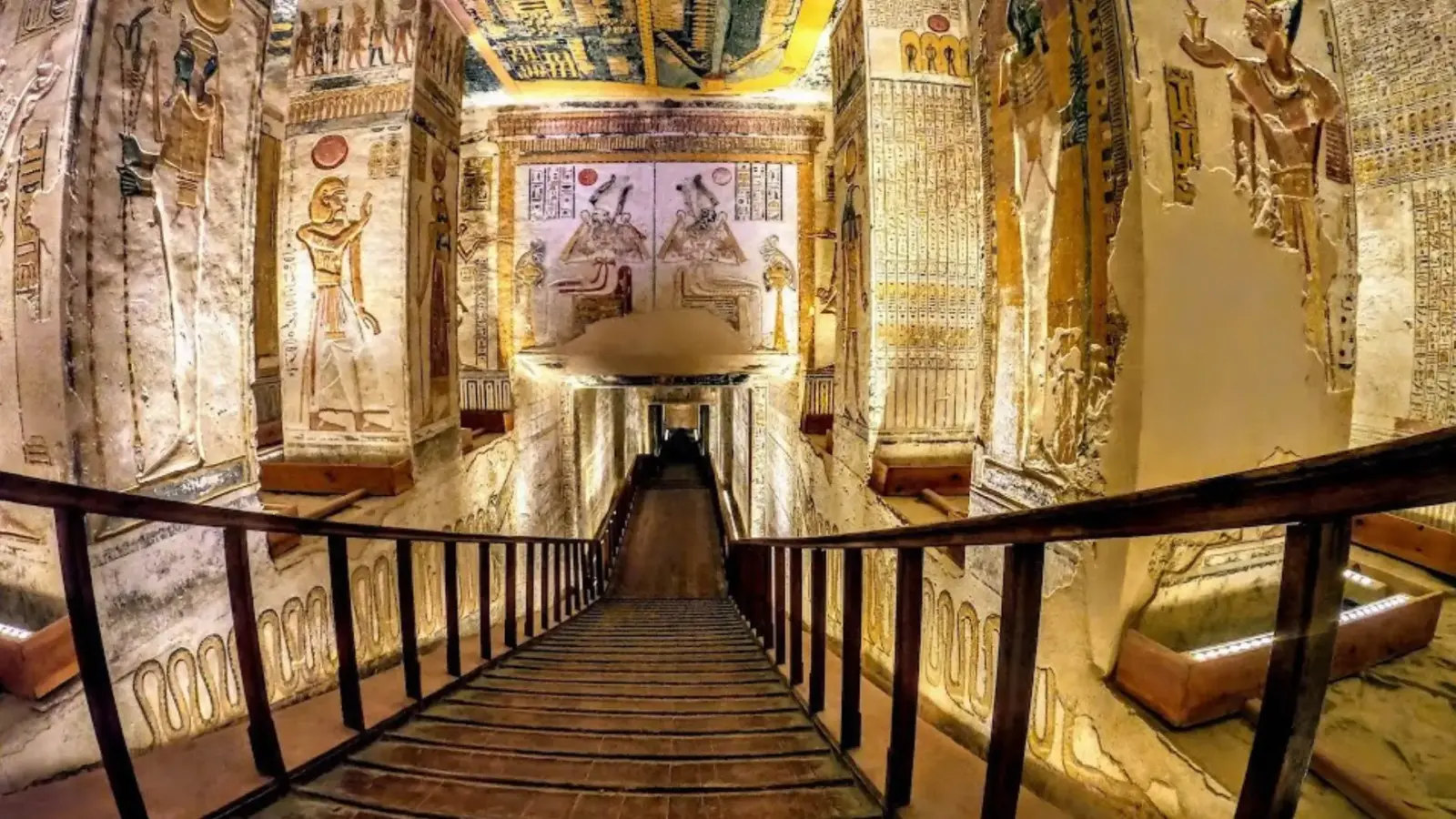
The kings came from Thebes, modern Luxor, and they poured their wealth into its god Amun-Ra. Karnak grew into the largest temple of Egypt. Instead of pyramids, the kings were buried in rock-cut tombs hidden in the Valley of the Kings, with their memorial temples on the plain below, from Hatshepsut’s at Deir el-Bahari to the Ramesseum and Medinet Habu.
The Amarna Revolution
Akhenaten broke with tradition. He promoted a single sun god, the Aten, closed the temples of Amun and built a new capital at Amarna, with a new, lifelike style of art; his queen was Nefertiti. After his death the court returned to the old gods under the young Tutankhamun, and later kings tried to erase Akhenaten’s memory.
The Ramesside Age and the End
The 19th Dynasty brought Ramesses II, who fought the Hittites at Kadesh around 1274 BC and later signed one of the first known peace treaties with them. He built on a giant scale, from Abu Simbel to the Ramesseum. Ramesses III held off the Sea Peoples, but after him the kings lost the empire, tomb robbing spread in the Valley of the Kings, and the New Kingdom ended around 1069 BC. See how ancient Egypt ended for what came next, and the Old Kingdom for the age of the pyramids.
Where to See the New Kingdom
- Luxor: Karnak, Luxor Temple, the Valley of the Kings and the Temple of Hatshepsut. See our Luxor travel guide.
- Abu Simbel: the temples of Ramesses II and Nefertari; see our Abu Simbel day tour.
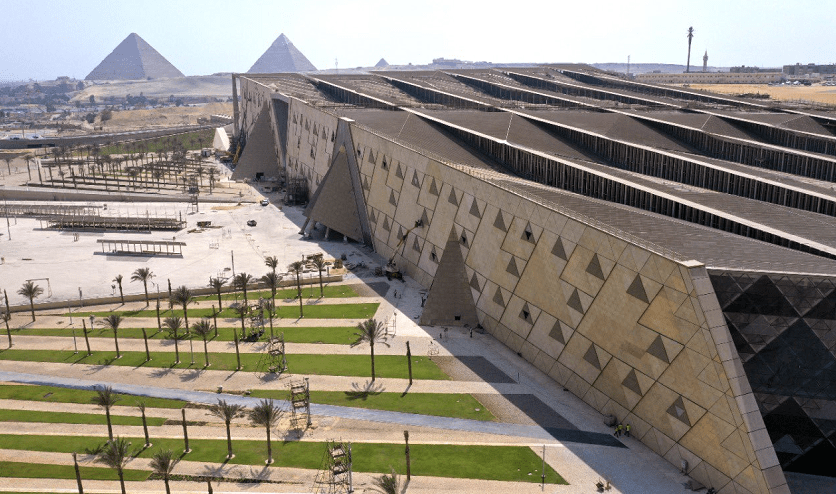
- The Grand Egyptian Museum: the treasures of Tutankhamun.
The New Kingdom of Egypt: FAQ
When was the New Kingdom of Egypt?
About 1550 to 1069 BC, the 18th, 19th and 20th Dynasties.
Who were the most famous New Kingdom pharaohs?
Hatshepsut, Thutmose III, Amenhotep III, Akhenaten, Tutankhamun and Ramesses II.
Why is it called the New Kingdom?
Historians divide Egyptian history into the Old, Middle and New Kingdoms, three periods of strong, united rule separated by times of division.
Where were New Kingdom pharaohs buried?
Mostly in the Valley of the Kings, on the West Bank at Luxor.