
Summary
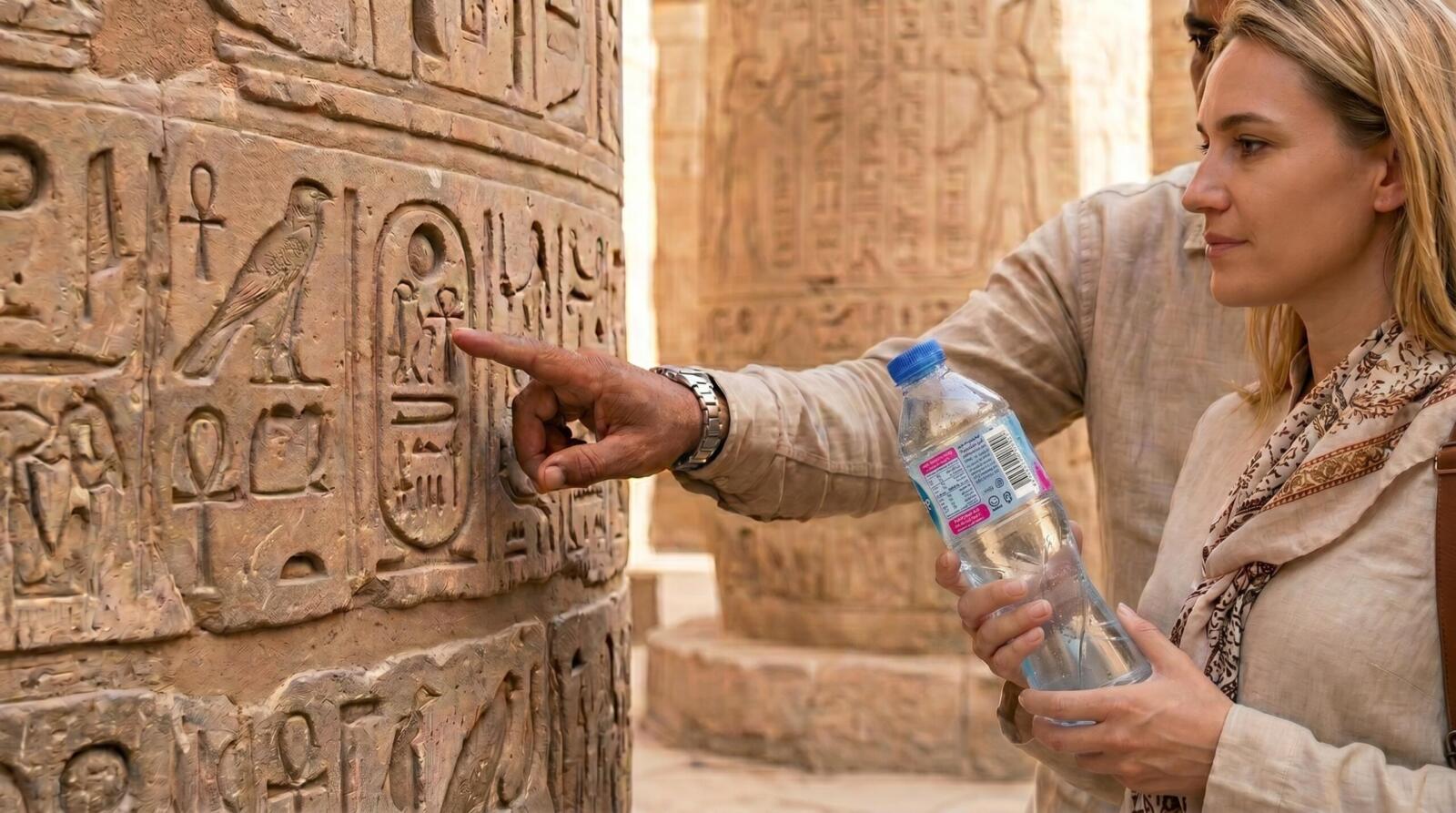
Scribes were the small group of ancient Egyptians who could read and write, and they ran the country. They counted the harvest, collected taxes, recorded the height of the Nile flood, wrote letters and contracts, and copied religious texts. Probably only a few percent of Egyptians were literate, so being a scribe brought respect, an easy life by the standards of the time, and a path to the highest offices.
Who Could Become a Scribe?
Most scribes were the sons of scribes and officials, though a talented boy from a modest family could sometimes rise. Training began young, around the age of five to ten, in schools attached to temples and government offices. A few women of high rank could read, but the profession was overwhelmingly male. See where scribes stood in the Egyptian social pyramid.
Learning to Write
Pupils learned first the cursive hieratic script used every day, and only later the formal hieroglyphs carved on monuments. They practised by copying classic texts again and again onto flakes of limestone and broken pottery (ostraca) and wooden boards covered with plaster, because papyrus was too expensive for exercises. Discipline was strict; one schoolbook says “a boy’s ear is on his back: he listens when he is beaten”.
A favourite school text, the Satire of the Trades, mocks every other job, the smith with fingers like crocodile skin, the farmer always in debt, to persuade boys that the scribe’s life is best.
The Scribe's Tools
- The palette: a long, narrow board, usually wood, with two hollows for cakes of black ink (soot) and red ink (ochre), and a slot for pens.
- Pens: thin rush stems chewed at the end into a brush.
- A water pot to wet the ink.
- Papyrus: sheets made from the pith of the papyrus plant, glued into rolls.
Black ink was used for the main text and red for headings and important words, the origin of our word “rubric”. The hieroglyph for “scribe” is a picture of this kit.
8-Day Cairo, Siwa and White & Black Desert Adventure
Planning the trip itself? Start here.
View This TripWhat Scribes Did
Scribes were the civil service. They measured fields after each flood, assessed and collected taxes in grain, kept the accounts of temples and royal workshops, recorded court cases and wrote letters for people who could not. The highest scribes became governors, generals and viziers. At Deir el-Medina, the village of the royal tomb builders, thousands of ostraca record daily life: absences from work, shopping lists, loans and quarrels.
Gods and Famous Scribes
The god of scribes was Thoth, often shown as an ibis or a baboon, with the goddess Seshat as the lady of writing. Scribes poured a drop of water from their pot in honour of Imhotep before they began. The famous painted limestone Seated Scribe, now in the Louvre, and many statues in the Egyptian Museum show officials proudly sitting cross-legged with a papyrus roll open on their lap.
Scribes in Ancient Egypt: FAQ
What did scribes do in ancient Egypt?
They wrote and kept records for the state and temples: taxes, harvests, accounts, letters, laws and religious texts.
How many Egyptians could read?
Probably only a few percent of the population, which is why scribes were so valued.
How long did it take to become a scribe?
Several years of schooling, starting in childhood.
What did scribes write with?
Rush pens and black and red ink on papyrus, ostraca and wooden boards.
Who was the god of scribes?
Thoth, the god of writing and wisdom.

























