Summary
Priests in ancient Egypt were the servants of the gods. Their job was to care for the god’s statue in the temple as if it were a living lord: waking it, washing it, dressing it and feeding it every day, so that the god would keep the world in order.
In theory the pharaoh was the high priest of every temple; in practice thousands of priests did the work, in ranks from the powerful High Priest of Amun at Karnak down to part-time “pure ones” who served one month in four.
The Ranks of the Priesthood
- The High Priest of each great temple, such as the High Priest of Amun at Karnak, ran its estates, workshops and staff. At the end of the New Kingdom the high priests of Amun ruled southern Egypt almost as kings.
- “Servants of the god” (hem-netjer) were the senior priests allowed into the sanctuary.
- “Pure ones” (wab priests) carried the sacred boats and objects and did the everyday work.
- Lector priests read the sacred texts aloud during rituals and funerals.
- The sem priest performed the Opening of the Mouth at funerals, often wearing a leopard skin.
The Daily Ritual
At dawn the priests broke the seal on the shrine, woke the god with hymns, washed and anointed the statue, dressed it in fresh linen and offered it food and drink. The god “ate” the essence of the offerings; the food itself then went to the priests and the temple staff. The shrine was sealed again, and the ritual was repeated in shorter form at midday and in the evening. Ordinary people never saw it: they prayed at the temple gates and met the god only at festivals, when the statue was carried out in its boat.
Rules of Purity
Priests had to be pure to enter the god’s house. They shaved their heads and bodies, washed several times a day in the temple’s sacred lake, wore only white linen and papyrus sandals, and avoided certain foods during their service. Most priests served in rotation: the staff was divided into groups, each serving one month and then returning to ordinary life, often with a family and another job.
Priestesses and the God's Wife of Amun
Women served as singers and musicians in the temples, and some as priestesses of goddesses such as Hathor. The highest religious office a woman could hold was the God’s Wife of Amun at Thebes; in the 8th–6th centuries BC it was held by kings’ daughters and controlled great wealth. See women in ancient Egypt.
Priests, Scribes and Knowledge
Temples were also libraries and schools. Priests kept the calendar, the sacred texts and medical knowledge, and many were trained scribes. For the bigger picture of their beliefs, read religion in ancient Egypt and Maat, the order the rituals were meant to keep.
Where to See the World of the Priests
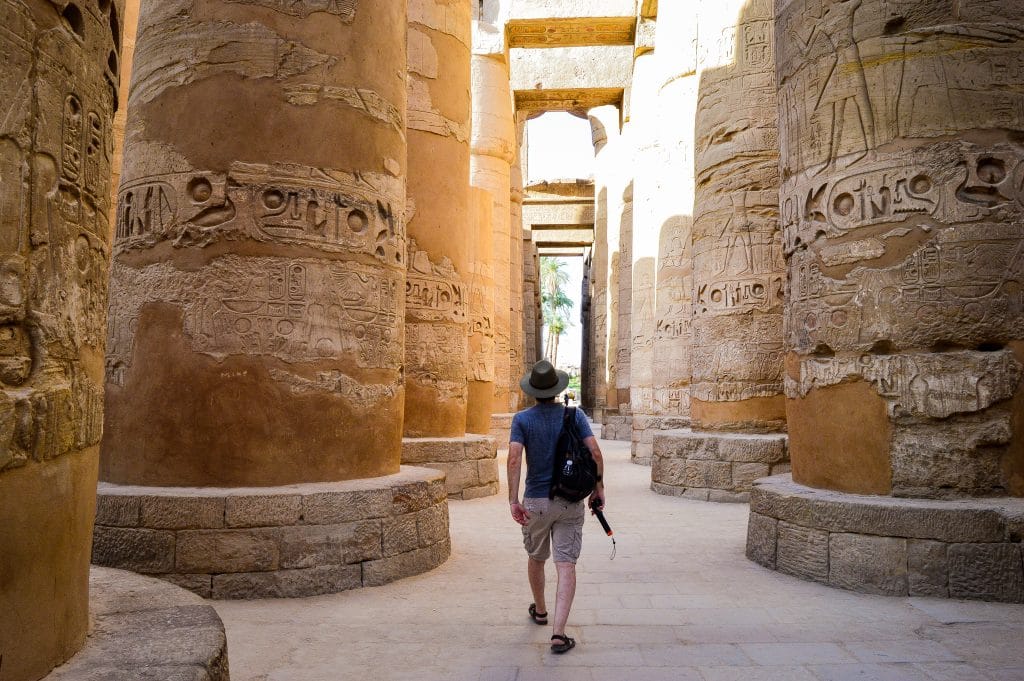
- Karnak: the sacred lake where priests purified themselves, and the sanctuary of Amun.
- Edfu: the best-preserved temple in Egypt, with its rituals carved on the walls.
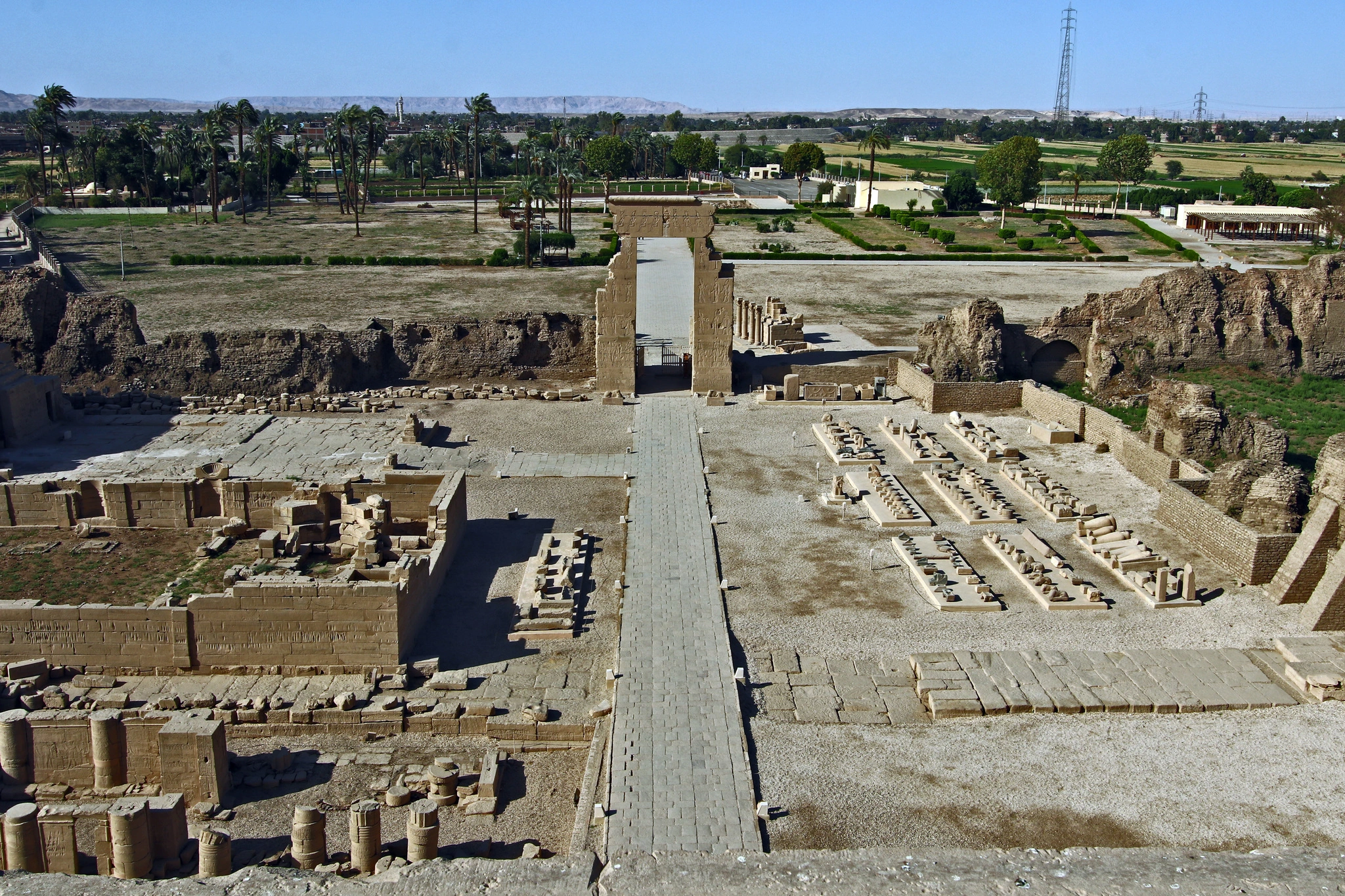
- Dendera: the stairways and roof chapels used in the New Year procession.
Visit them with a guide on our Karnak and Luxor Temple tour or on a Nile cruise, which stops at Edfu.
Priests of Ancient Egypt: FAQ
What did priests do in ancient Egypt?
They cared for the gods’ statues in the temples, performed daily rituals and festivals, ran the temple estates and kept sacred knowledge.
Could women be priests in ancient Egypt?
Yes. Women served as temple singers and priestesses, and the God’s Wife of Amun was one of the most powerful offices in Thebes.
Why did Egyptian priests shave their heads?
For ritual purity. They shaved their heads and bodies and washed several times a day before serving the god.
Who was the most powerful priest in Egypt?
The High Priest of Amun at Karnak, whose temple owned vast lands.