Summary
Rome ruled Egypt for almost 700 years. It began in 30 BC, when Octavian defeated Cleopatra and Mark Antony, and ended with the Arab conquest in AD 641. Under the emperors:
- Egypt was Rome’s granary, shipping wheat to feed the capital.
- Alexandria was the second city of the empire.
- The old religion lived on: Roman emperors were carved on temple walls dressed as pharaohs.
Before Rome came three centuries of Greek rule under the Ptolemies.
Before Rome: The Ptolemies
Alexander the Great took Egypt in 332 BC and founded Alexandria. After his death his general Ptolemy made himself king, and his family ruled for three centuries from Alexandria, home of the Lighthouse and the Library. The last of the line was Cleopatra VII, whose alliance with Mark Antony ended in defeat at Actium in 31 BC and her death the next year.
Egypt Under the Emperors
Octavian, soon to be Augustus, kept Egypt as a special province under his own control, governed by a prefect. Senators could not even visit without permission, because whoever held Egypt held Rome’s food supply. Grain ships sailed from Alexandria to Italy every year. Egypt also gave Rome granite and porphyry from desert quarries for its temples and columns.
Emperors as Pharaohs
Rome left Egyptian religion in place, and the emperors paid for temples in the old style. On the walls they appear as pharaohs, making offerings to Egyptian gods, with their names written in hieroglyphs:
Life in Roman Egypt
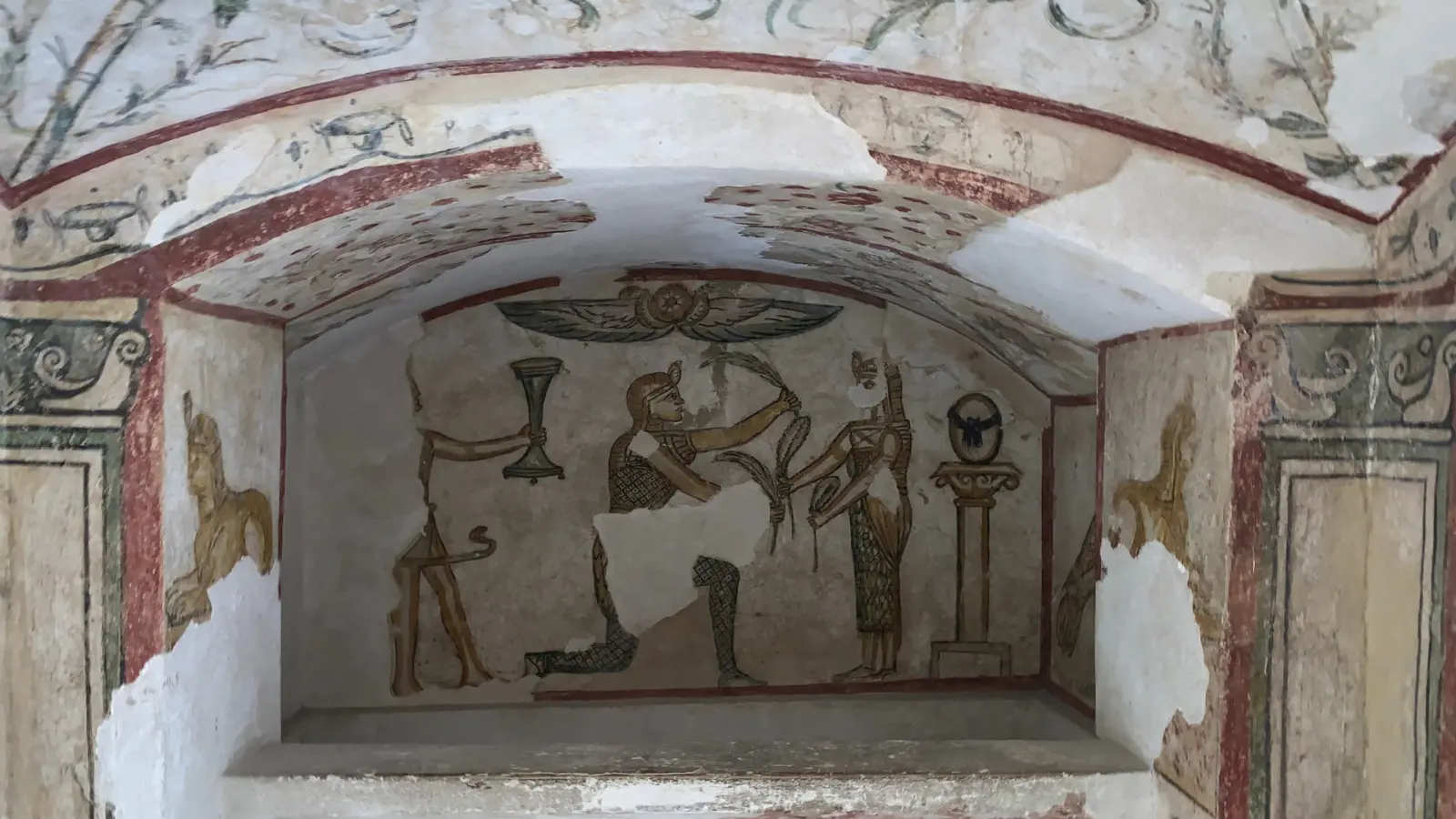
Greek remained the language of government and the cities, while Egyptian was spoken in the countryside. Families in the Fayum painted portraits of the dead on wooden panels and placed them over the mummies; these “Fayum portraits” are among the most lifelike faces from the ancient world. In Alexandria, the Catacombs of Kom el-Shoqafa mix Egyptian gods with Roman dress and Greek design.
Christian Egypt and the End of Roman Rule
Christianity spread early in Egypt, and Alexandria became one of its great centres. Monasticism began in the Egyptian deserts. Under Diocletian the Christians were persecuted, and the Coptic calendar still counts its years from his reign. Roman Egypt passed to the Eastern, Byzantine empire, and in AD 641 the Arab army of Amr ibn al-As took the fortress of Babylon in Cairo. The remains of that fortress stand in Coptic Cairo, under the Hanging Church.
Roman Sites to Visit in Egypt
- Alexandria: the Catacombs of Kom el-Shoqafa, Pompey’s Pillar (raised for the emperor Diocletian) and the Roman theatre at Kom el-Dikka. See our Alexandria day trip.
- Old Cairo: the Roman fortress of Babylon.
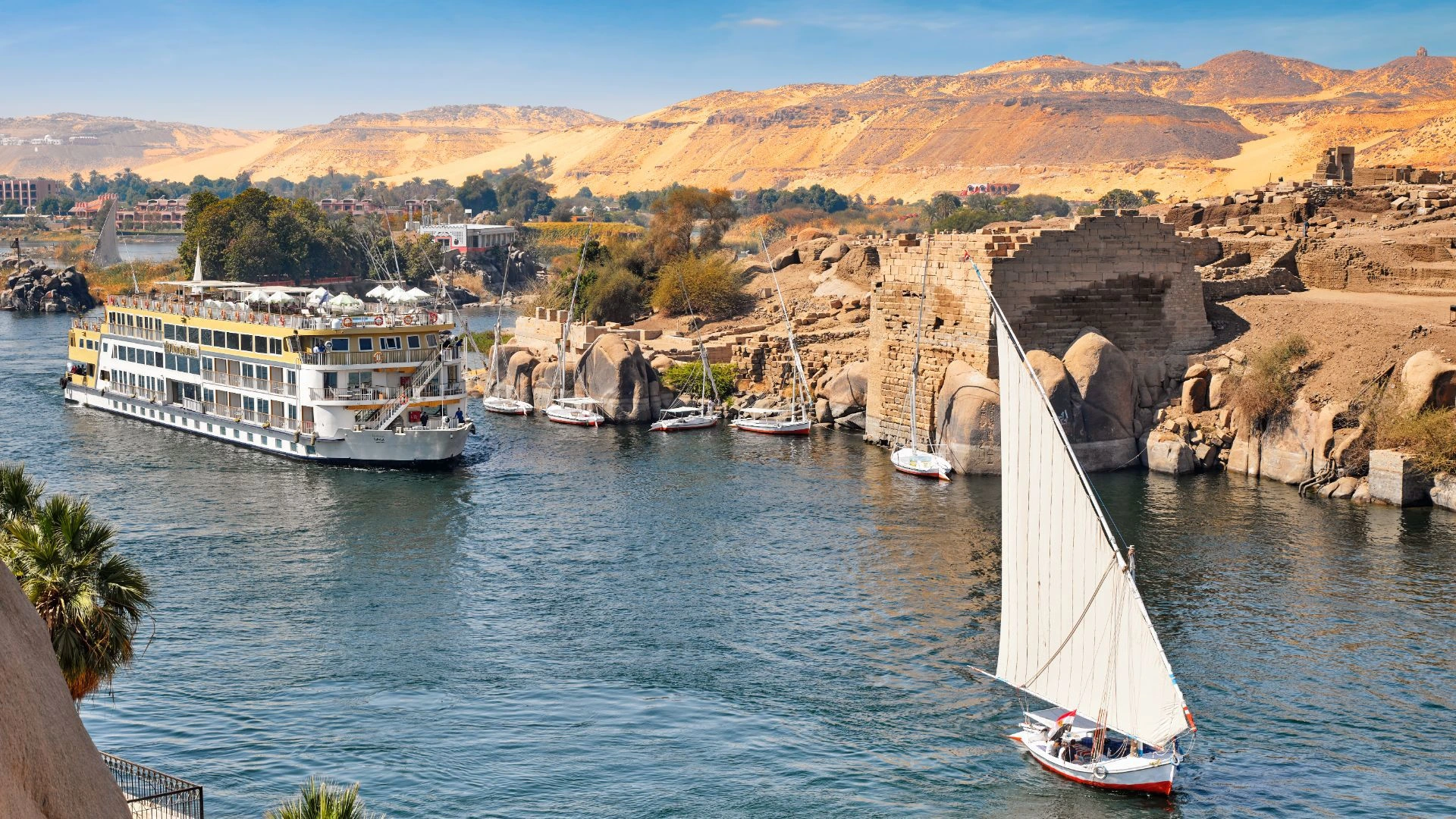
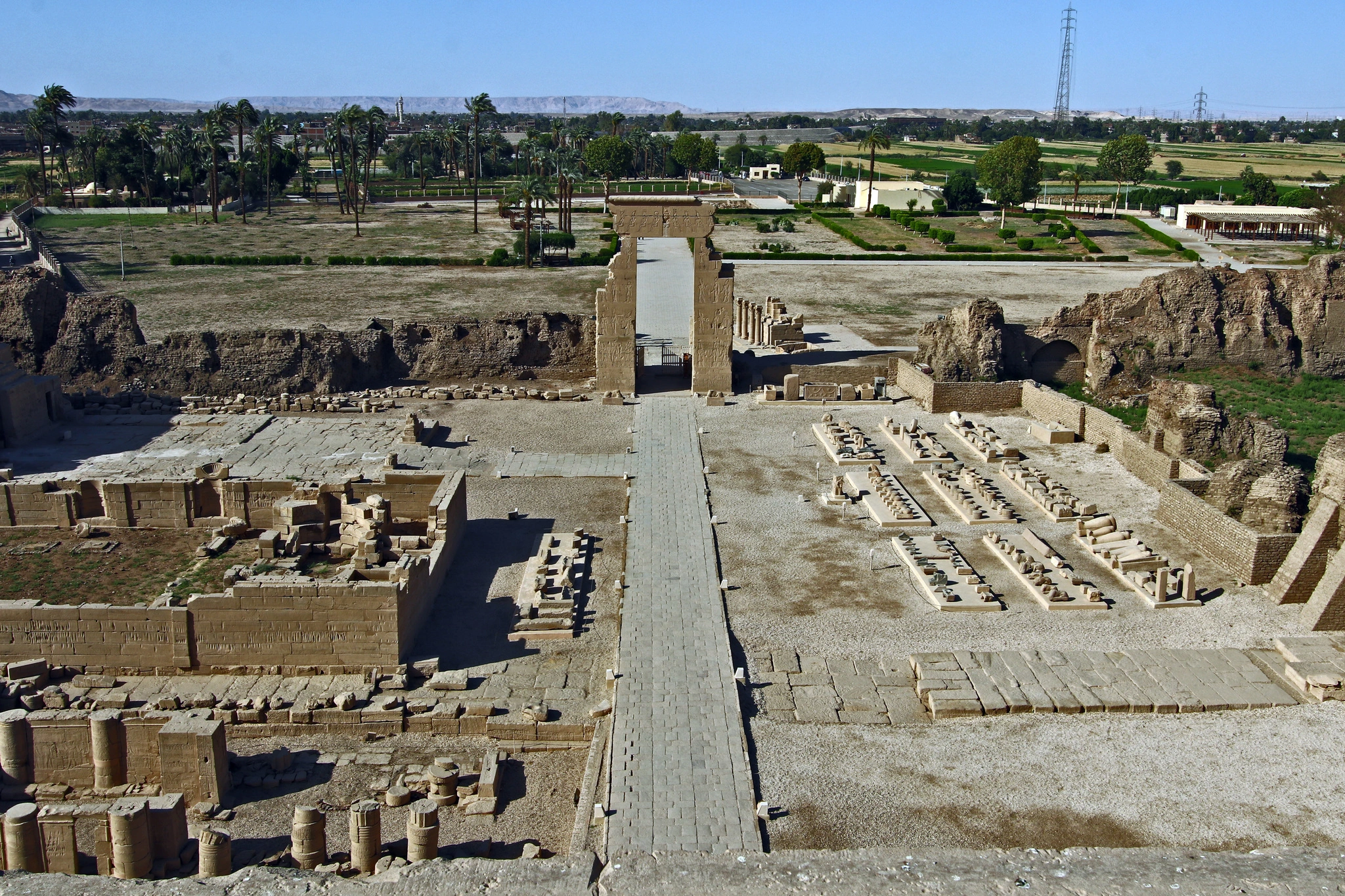
- On the Nile: Dendera, Esna, Kom Ombo and Philae, all on a Nile cruise or an excursion from one.
Roman Egypt: FAQ
When did Rome rule Egypt?
From 30 BC, after the death of Cleopatra, until the Arab conquest in AD 641, the last part under the Byzantine empire.
Why was Egypt important to Rome?
Its grain fed the city of Rome, and Alexandria was the empire’s second city and a great port.
Did the Romans build temples in Egypt?
Yes. Emperors paid for temples in the Egyptian style and are shown on their walls as pharaohs, as at Dendera, Esna and Philae.
Who ruled Egypt before the Romans?
The Ptolemies, a Greek dynasty founded by a general of Alexander the Great, from 305 to 30 BC.