Summary
The ancient Egyptians lived on bread and beer, both made from the emmer wheat and barley that grew along the Nile. To that they added:
- vegetables, especially onions, garlic, leeks, lentils and lettuce;
- fish from the river, and ducks and geese;
- dates, figs and grapes.
Beef was a luxury for the rich, for festivals and for offerings to the gods. We know all this from tomb paintings of harvests and kitchens, and from real food buried with the dead, including the bread, meat and wine jars in the tomb of Tutankhamun.
Bread and Beer: The Basics of Every Meal
Bread was the centre of every meal, baked in many shapes from emmer wheat and barley, sometimes sweetened with dates or honey. Grinding the grain on stone left grit in the flour, and the wear it caused shows on the teeth of mummies.
Beer was thick, mildly alcoholic and nourishing, and people of every class drank it daily. The workers who built the pyramids at Giza were paid largely in bread and beer, and the remains of their bakeries have been found near the plateau.
Vegetables, Fruit and Pulses
- Vegetables: onions, garlic and leeks, lettuce (sacred to the god Min), cucumbers and radishes.
- Pulses: lentils, chickpeas and beans gave cheap protein.
- Fruit: dates, figs, grapes and, later, pomegranates. Sycamore figs grew along the canals.
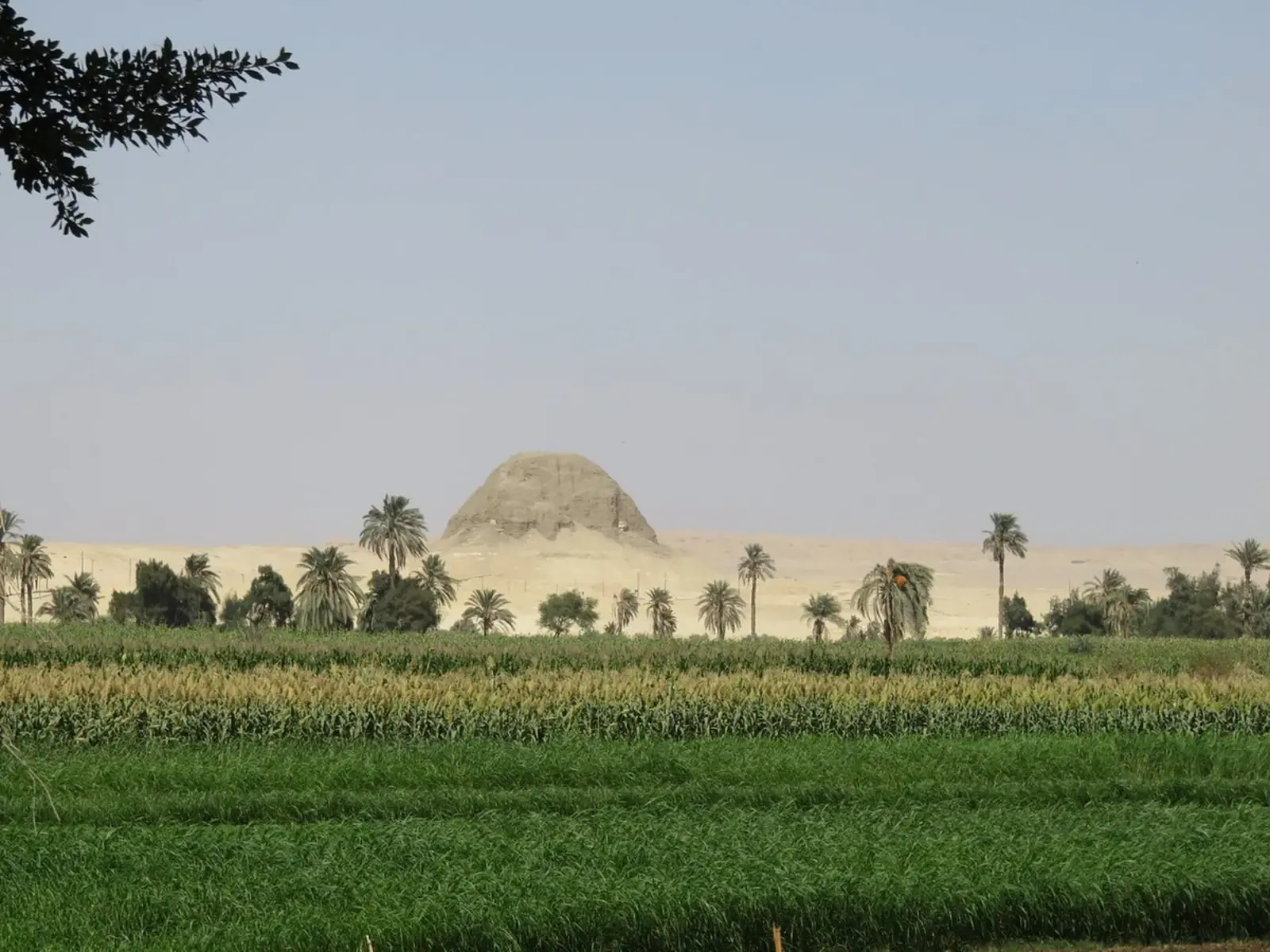
All of it depended on the yearly flood of the Nile, which left fresh black soil on the fields. Read more about the people who grew it in farmers in ancient Egypt.
Fish, Fowl and Meat
For most Egyptians the daily protein was fish from the Nile and the marshes, dried or salted, and birds such as ducks, geese, pigeons and quail, caught with nets. Cattle were expensive to keep, so beef was eaten mainly by the wealthy, at festivals and as temple offerings, which the priests then shared. Goats, sheep and pigs were kept too. Milk, cheese and honey from domestic bees completed the larder.
Wine, Feasts and the Food of the Rich
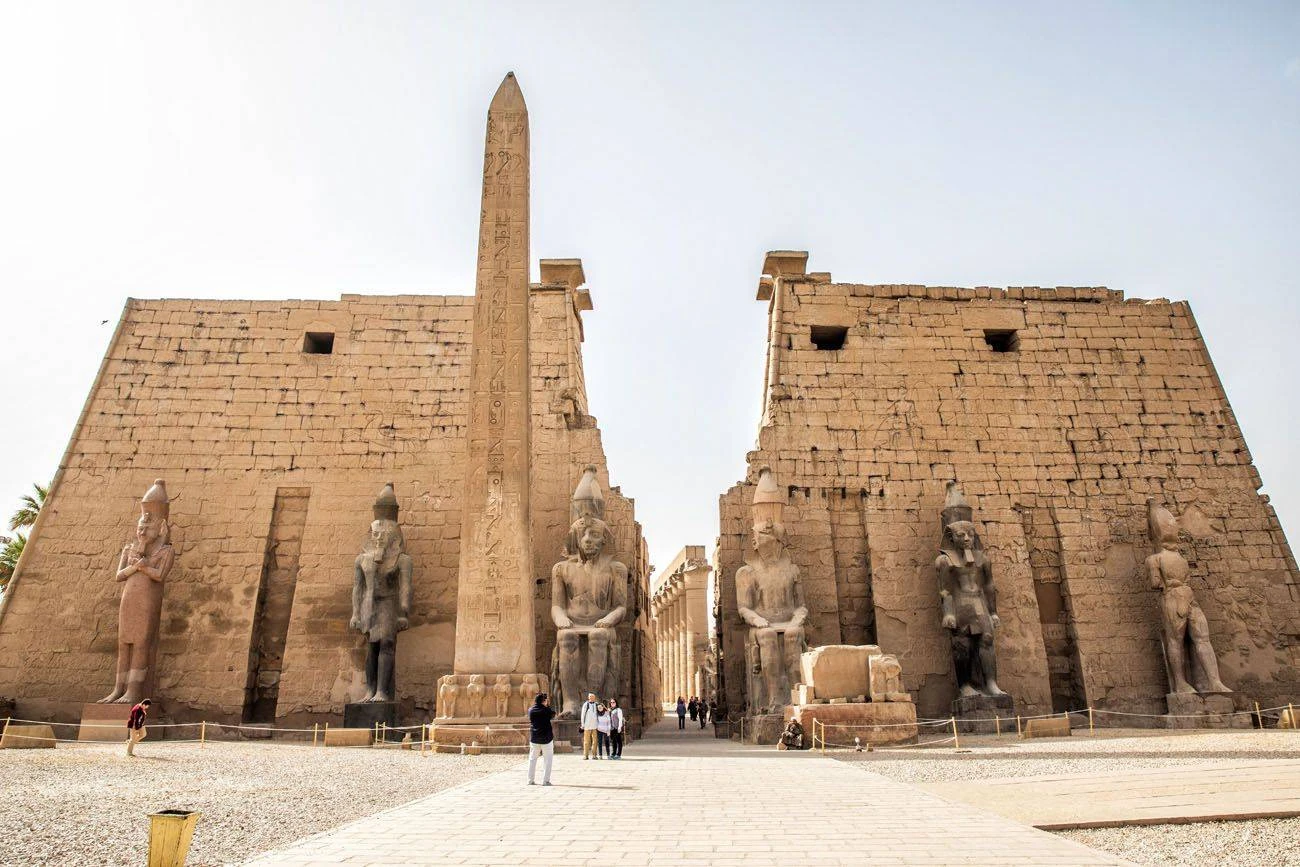
Wine was made in the Delta and the oases and drunk mostly by the elite. Wine jars were labelled with the vineyard and the year, like a modern bottle. Tomb paintings of banquets show guests served with roast fowl, bread, fruit and wine, with musicians playing. See them in the Tombs of the Nobles in Luxor.
How We Know What They Ate
- Tomb paintings show ploughing, harvesting, baking, brewing and fishing step by step.
- Food offerings were left in tombs for the afterlife; Tutankhamun’s tomb held loaves, meat in boxes and dozens of wine jars.
- Workers’ villages such as Deir el-Medina kept records of rations.
- Mummies and skeletons show worn teeth from gritty bread and the diseases of a rich diet among the elite.
Ancient Food in Egypt Today
Bread is still called aish, “life”, in Egypt, and beans, lentils, onions and dates are still everyday food. Try today’s dishes in our guide to Egyptian food, and see the tomb paintings for yourself on our Luxor West Bank tour.
Ancient Egyptian Food: FAQ
What was the main food in ancient Egypt?
Bread and beer, made from emmer wheat and barley, eaten and drunk every day by rich and poor.
Did ancient Egyptians eat meat?
Yes, but beef was costly and eaten mostly by the rich and at festivals. Fish and birds were the everyday protein.
What did ancient Egyptians drink?
Beer above all, water from the Nile, milk, and wine for the wealthy.
How do we know what ancient Egyptians ate?
From tomb paintings, food left in tombs, ration records and the study of mummies.