
Summary
Egyptian food is hearty, generous and often vegetarian, built on bread, beans, lentils, rice and fresh herbs. The dishes to try are koshari, the national dish; ful medames and ta’meya for breakfast; molokhia, mahshi and fatteh for family meals; kebab and kofta from the grill; and desserts such as Om Ali, basbousa and kunafa. This guide covers 17 traditional Egyptian dishes, what to drink, the ancient roots of the cuisine, and tips for eating well in Egypt.
What Is Egyptian Food Like?
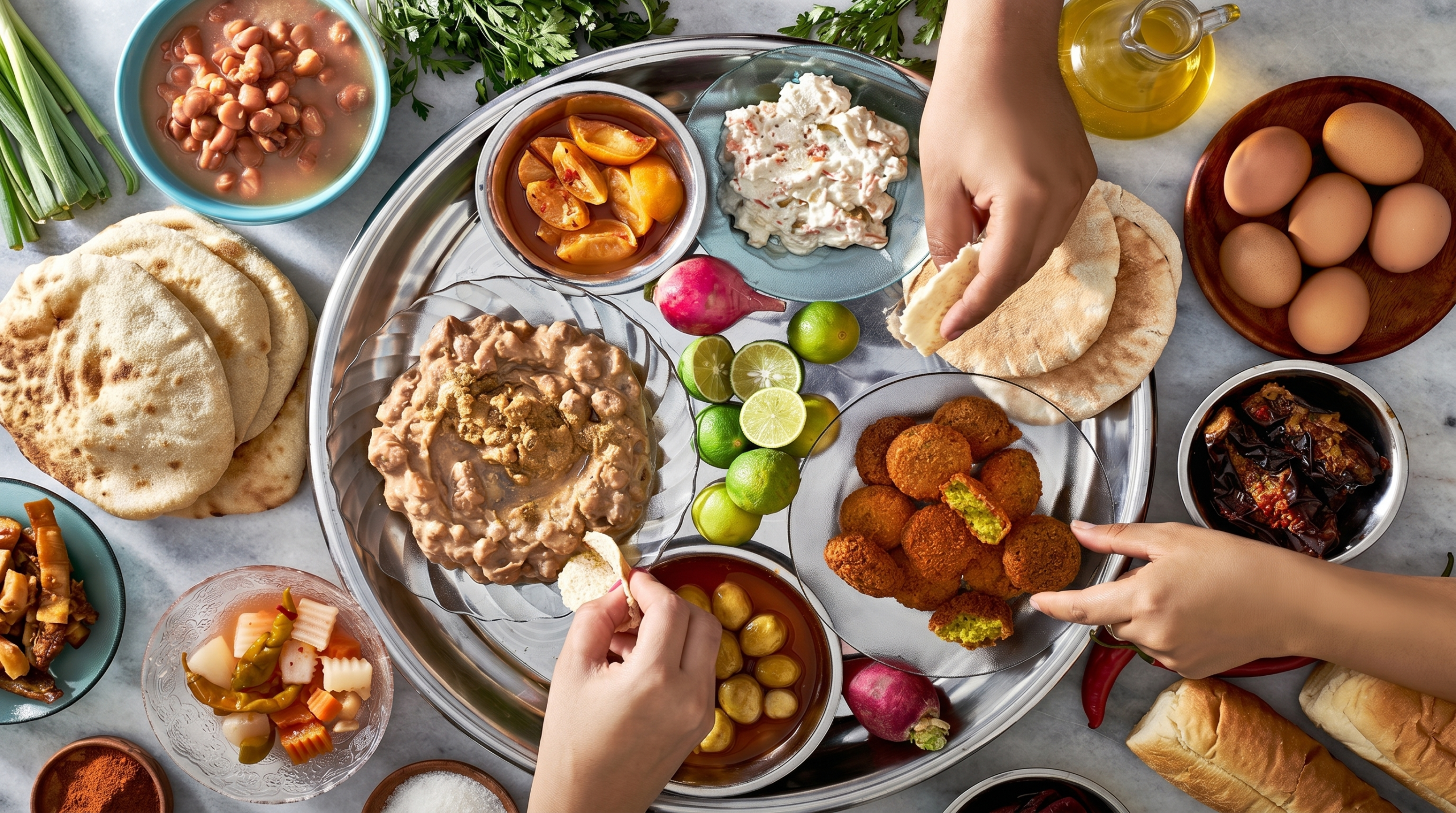
Egyptian food is generous, filling and mostly simple: bread, beans, lentils, rice, vegetables and herbs, cooked with garlic, onions, cumin and coriander, with grilled meat for feasts. Much of it is naturally vegetarian, because for centuries Coptic Christians fasted from animal products for more than half the year, and many of the most famous dishes, such as koshari, ful and ta’meya, grew out of that tradition.
The cooking also carries traces of every people who ruled Egypt: Ottoman pastries and kebabs, Levantine dips, and Mediterranean fish on the coast. Every meal comes with aish baladi, the round flatbread whose name means “life”. Below are 17 dishes to try, from breakfast to dessert, then what to drink, tips for eating out, and a quick reference table.
Koshari: The Soul of Cairo

No Egyptian food guide would be complete without starting with Koshari, the undisputed national dish. It is the ultimate comfort food and a legendary mix of rice, lentils, pasta, and chickpeas.
Everything is unified by a bold, tangy tomato sauce and topped with “Ward” (crispy fried onions) and a drizzle of garlic vinegar. You will find it on every street corner during your Cairo & Giza Tours, and a single bowl costs less than a dollar.
Ful Medames: The Ancient Breakfast
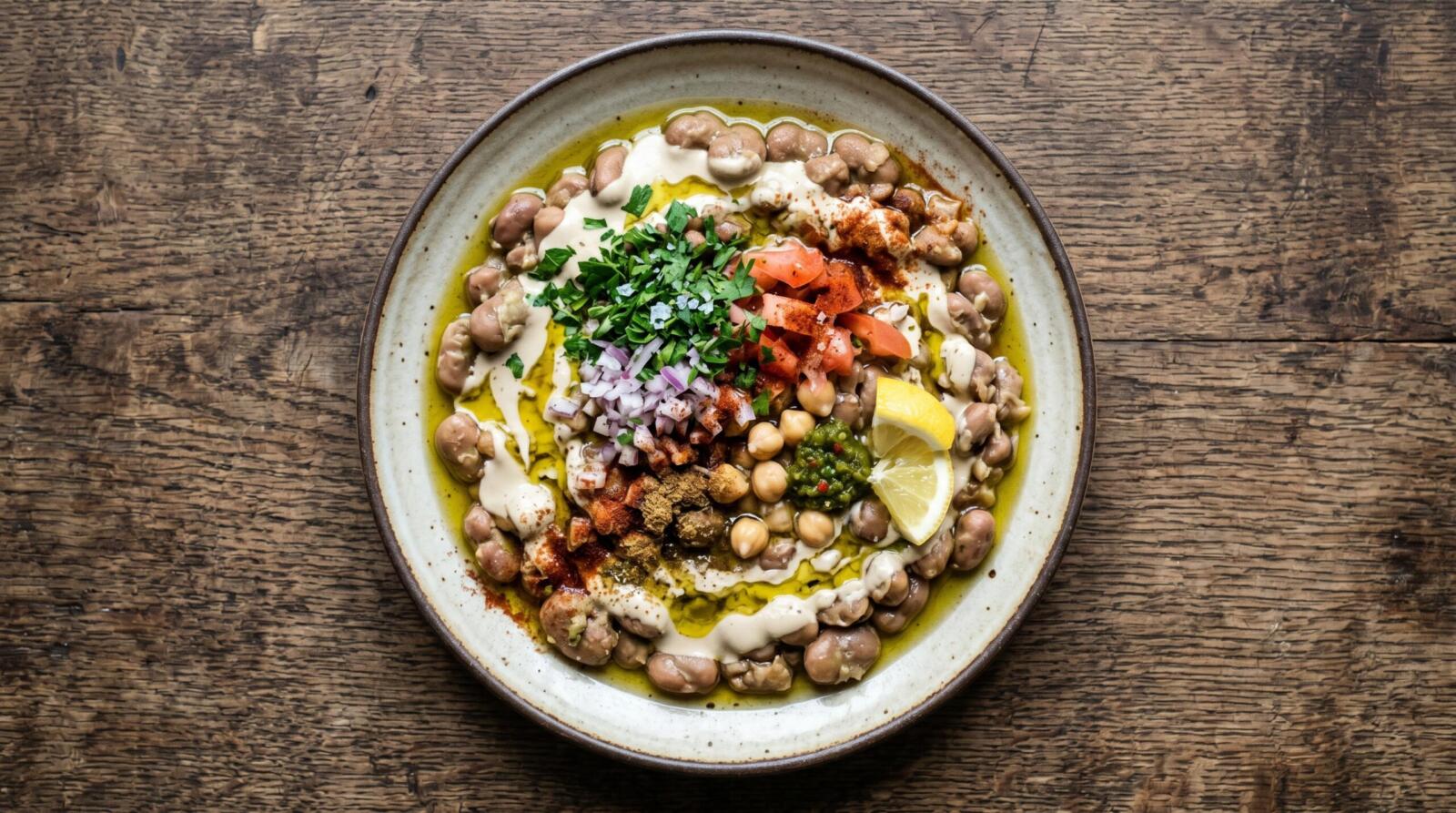
The undisputed “King of Breakfast” in any Egyptian food guide. These slow-cooked fava beans have been a staple since the time of the Pharaohs, making them one of the oldest known recipes on Earth.
Generously seasoned with premium olive oil, cumin, and a squeeze of fresh lemon, Ful Medames is the fuel that powers millions of Egyptians every morning. It is typically served with fresh Aish Baladi bread and pickled vegetables.
Ta’meya: The Green Falafel

Egypt’s unique and distinctly green take on falafel. Unlike the chickpea-based version found across the Middle East, Egyptian Ta’meya is made with crushed fava beans and a vibrant burst of fresh herbs like leek and coriander.
The result is a lighter, fluffier, and greener patty that is crispy on the outside and melt-in-your-mouth on the inside. It is one of the most popular traditional Egyptian food items for a quick, satisfying meal.
Hawawshi: The Crispy Meat Pie

A savory delight that every Egyptian food guide highlights as a must-try street food. It consists of richly spiced minced meat stuffed inside freshly baked whole-wheat pita bread.
The entire sandwich is then grilled or baked until the crust is perfectly golden and crispy. The aroma alone from a Hawawshi stand is enough to stop any traveler in their tracks.
Molokhia: The Royal Green Soup
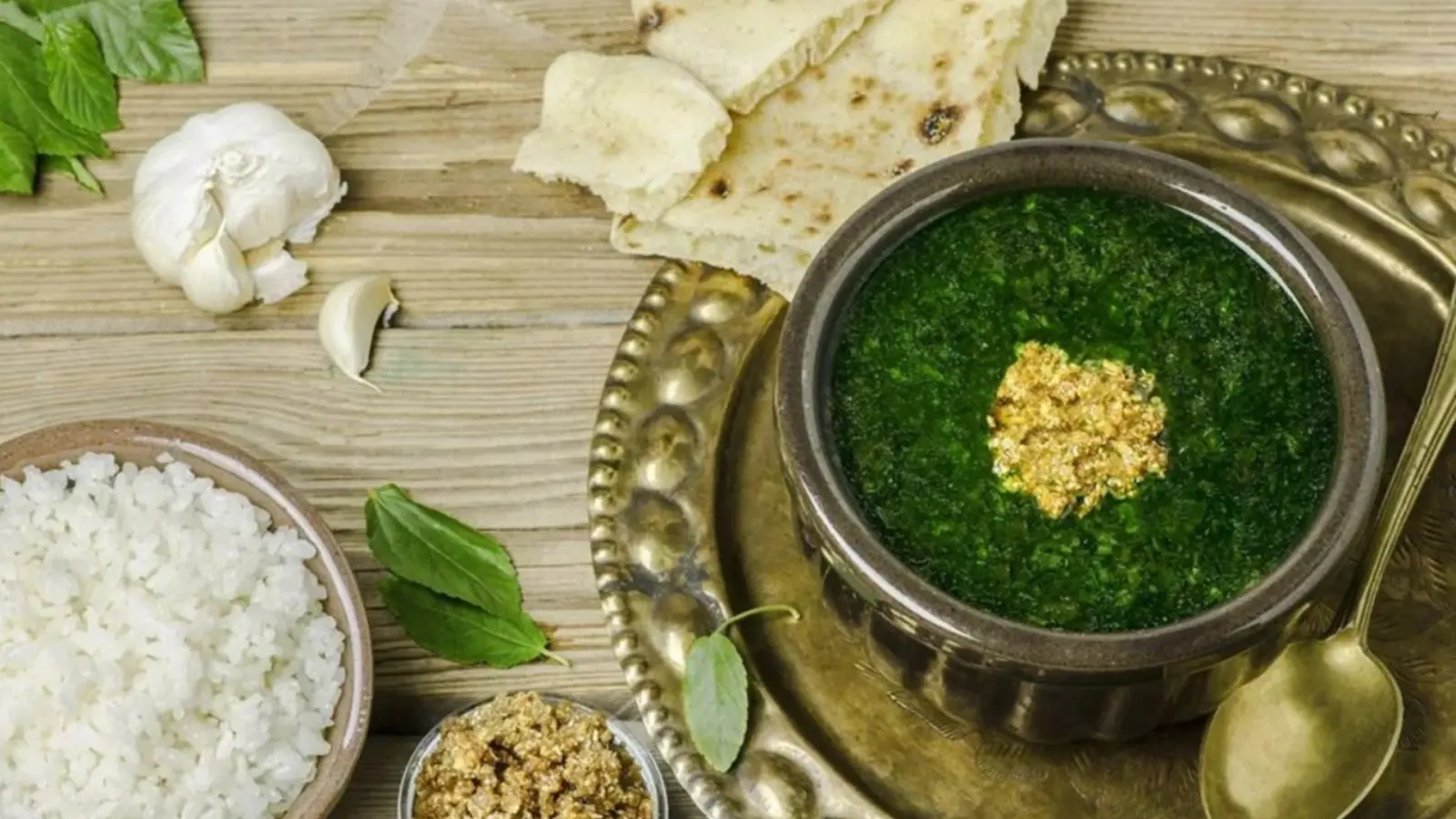
A silky, nutrient-rich soup made from finely chopped jute leaves, prepared with a sizzling “Tasha” — a fragrant sauté of garlic and coriander that is poured over the top with a dramatic sizzle.
It is often served alongside roasted chicken and vermicelli rice. Legend says this dish was once reserved exclusively for Pharaohs, hence its royal reputation.
Fatteh: The Festive Masterpiece
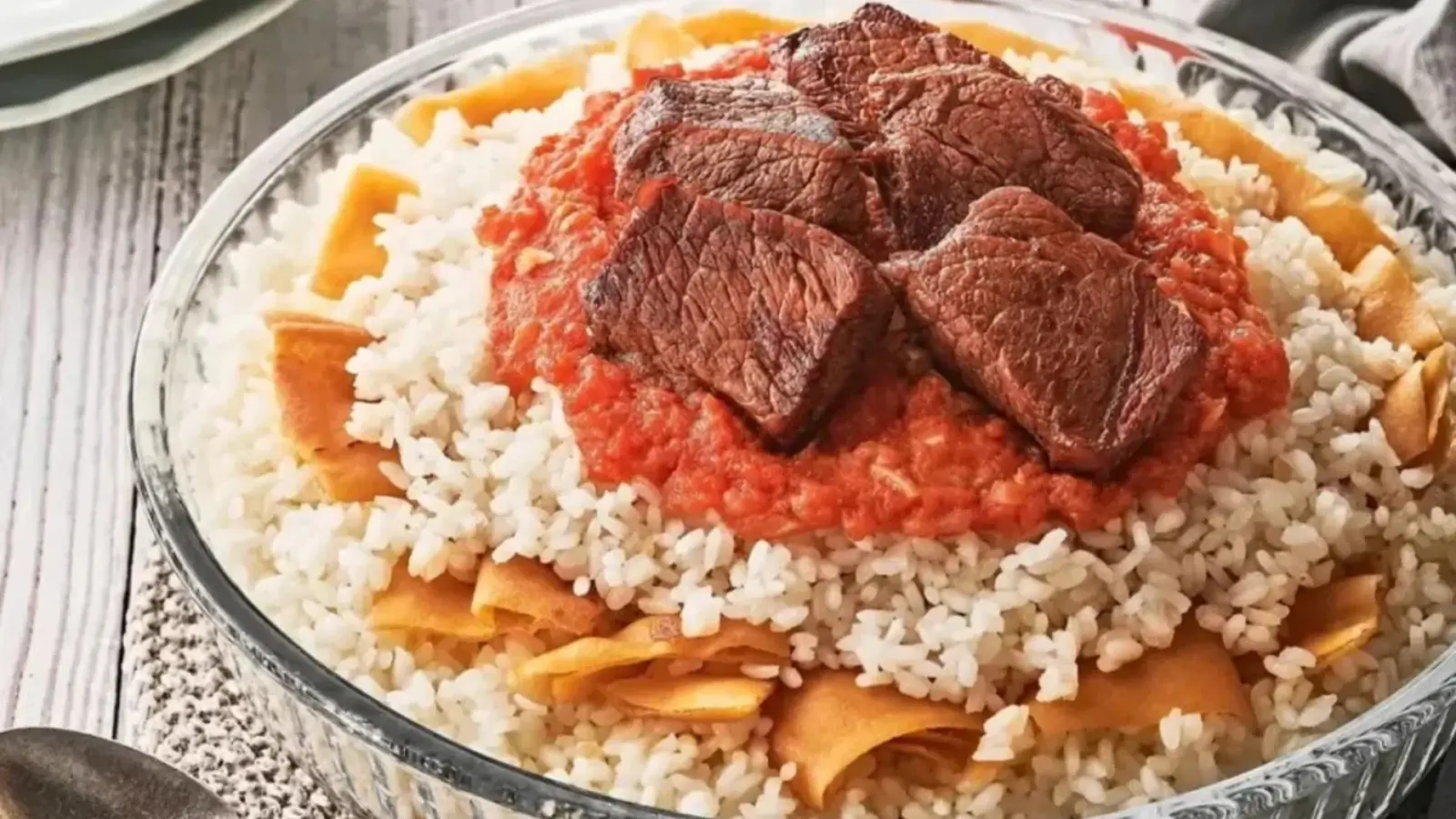
A celebratory dish that graces the table during every major Egyptian holiday and family gathering. It features layers of toasted bread and fluffy rice, soaked in a tangy vinegar-garlic sauce.
Everything is topped with tender, slow-cooked chunks of meat. Fatteh is a true taste of Egyptian generosity and is best experienced during a festive season visit through our Egypt Food & Culture experiences.
Kabab & Kofta: The Charcoal Classics

Premium skewers of succulent lamb or veal alongside perfectly seasoned minced meat, all grilled over charcoal to achieve a smoky, melt-in-your-mouth texture that is simply irresistible.
These charcoal classics are the centerpiece of any Egyptian family dinner. They are best enjoyed in the traditional restaurants along the Nile, where you can dine while watching the sunset over the water.
Baba Ganoush: The Smoky Dip
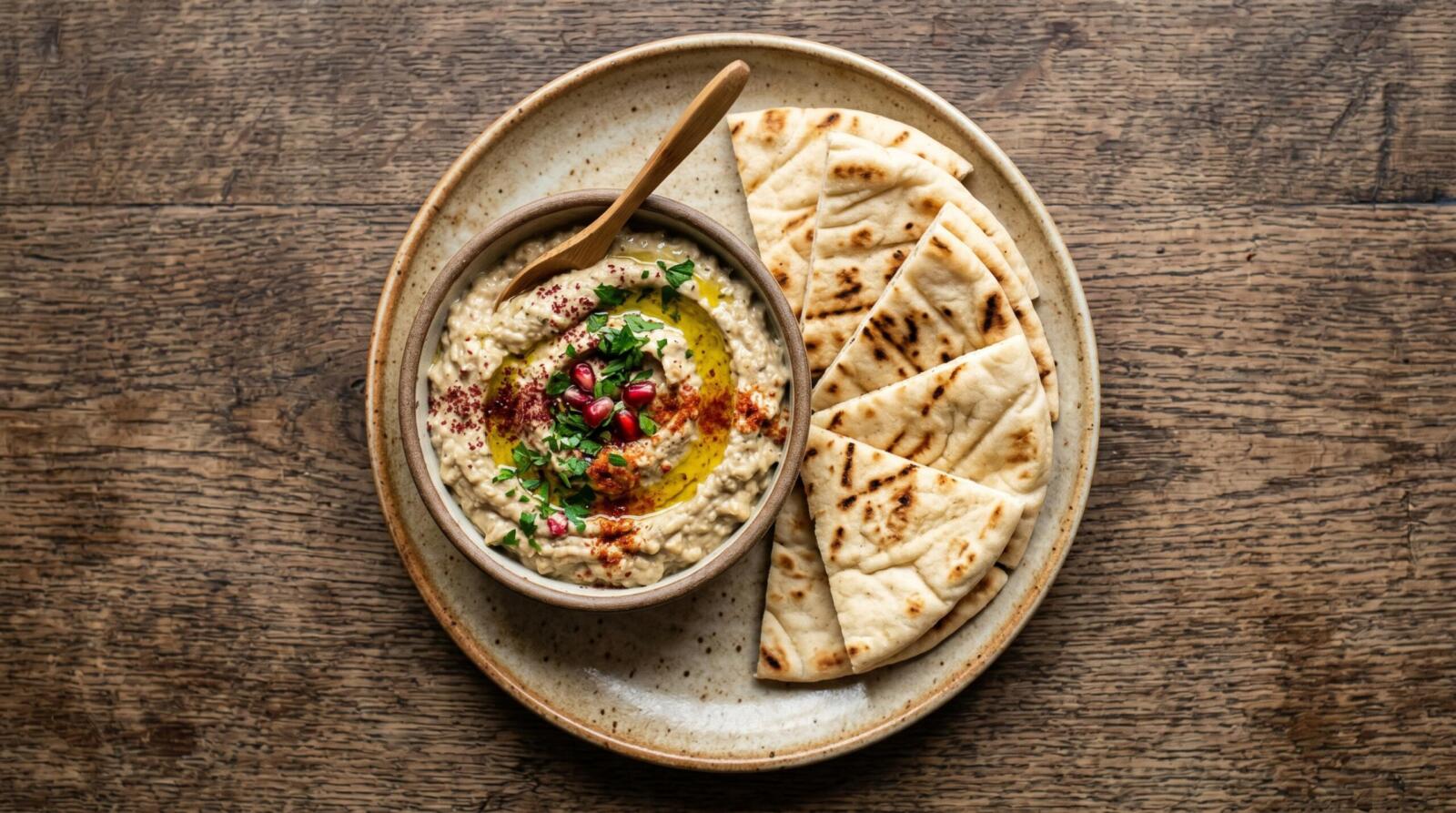
A creamy, deeply smoky roasted eggplant dip blended with high-quality tahini, garlic, and a generous squeeze of fresh lemon juice. It is the perfect companion for Aish Baladi.
This versatile dip is found on virtually every Egyptian dining table, from humble street-side cafes to the finest five-star restaurants.
Mahshi: Stuffed Mediterranean Jewels
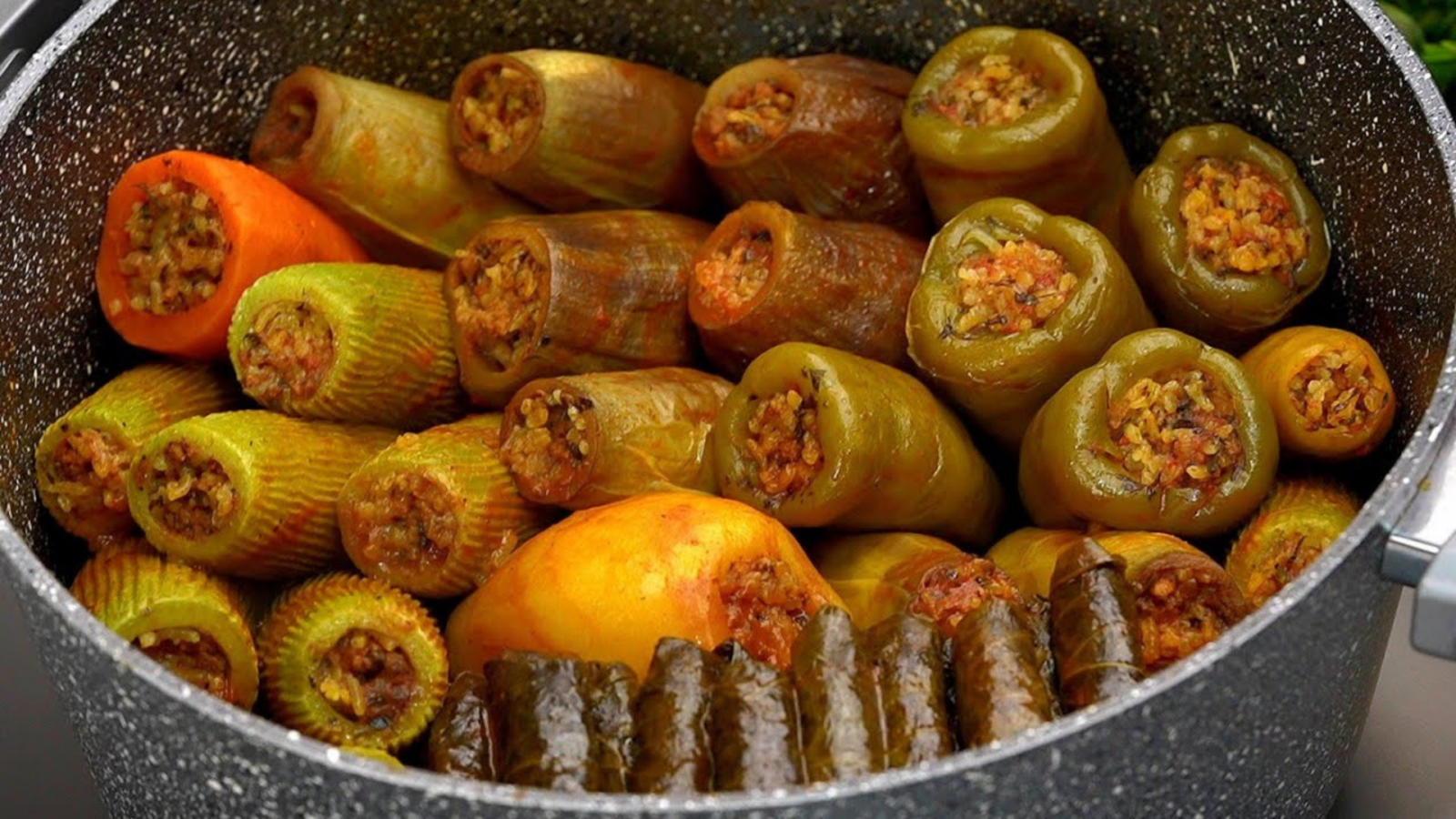
A colorful array of vegetables — zucchini, eggplant, bell peppers, or vine leaves — each lovingly stuffed with a fragrant mixture of rice, herbs, and secret Egyptian spices.
Mahshi is a labor of love that requires hours of patient preparation. It is a staple of traditional Egyptian food and a dish that every grandmother takes immense pride in perfecting.
Mombar: The Spiced Sausage
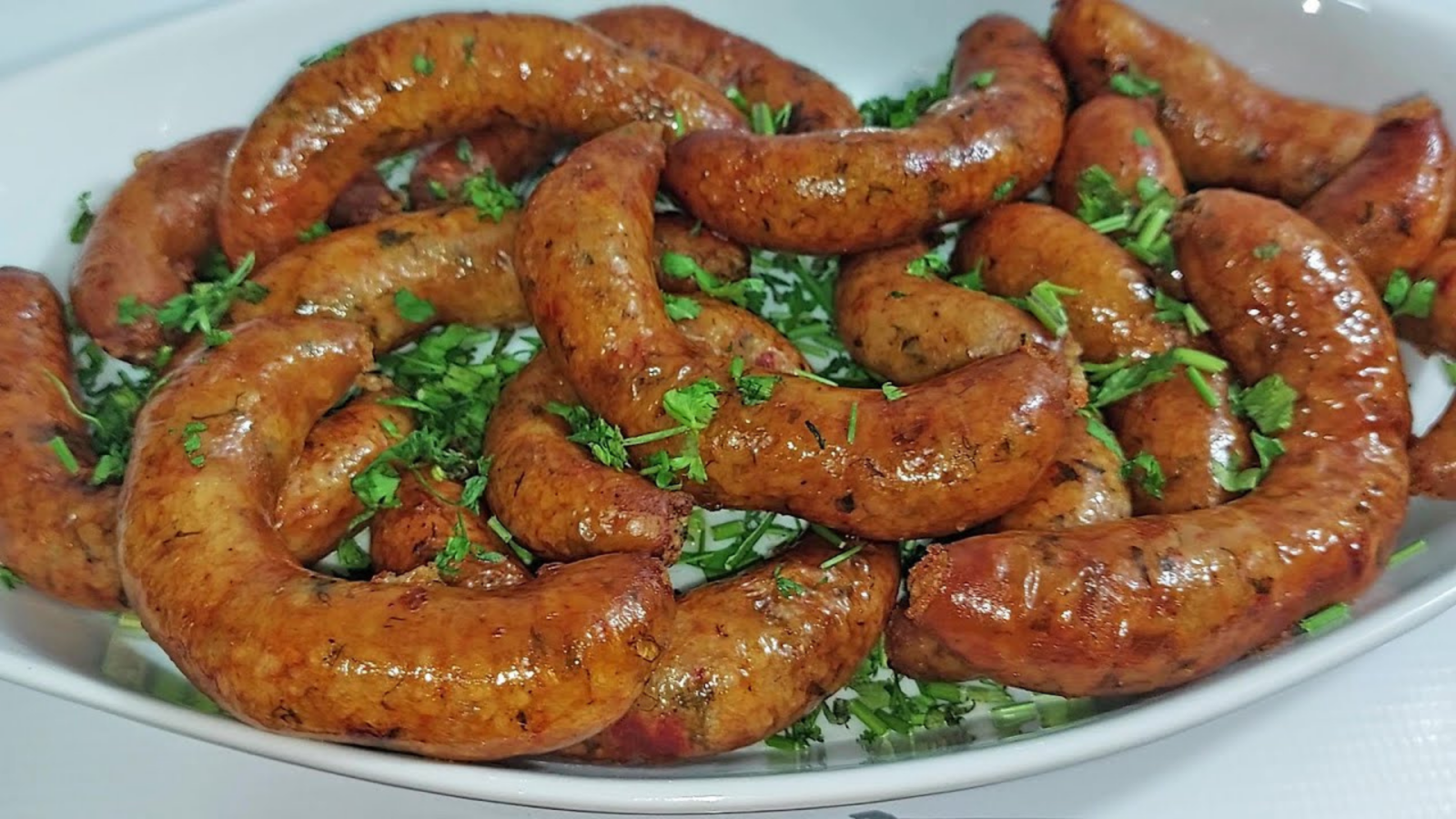
Deep-fried beef sausages stuffed with a savory rice mixture, seasoned with a blend of aromatic spices. This crispy, flavorful delicacy is often the highlight of traditional Egyptian feasts.
Mombar has a uniquely satisfying crunch that gives way to a warm, spiced filling. It is a dish you will not find easily outside of Egypt, making it a truly exclusive culinary experience.
Aish Baladi: The Life-Giving Bread
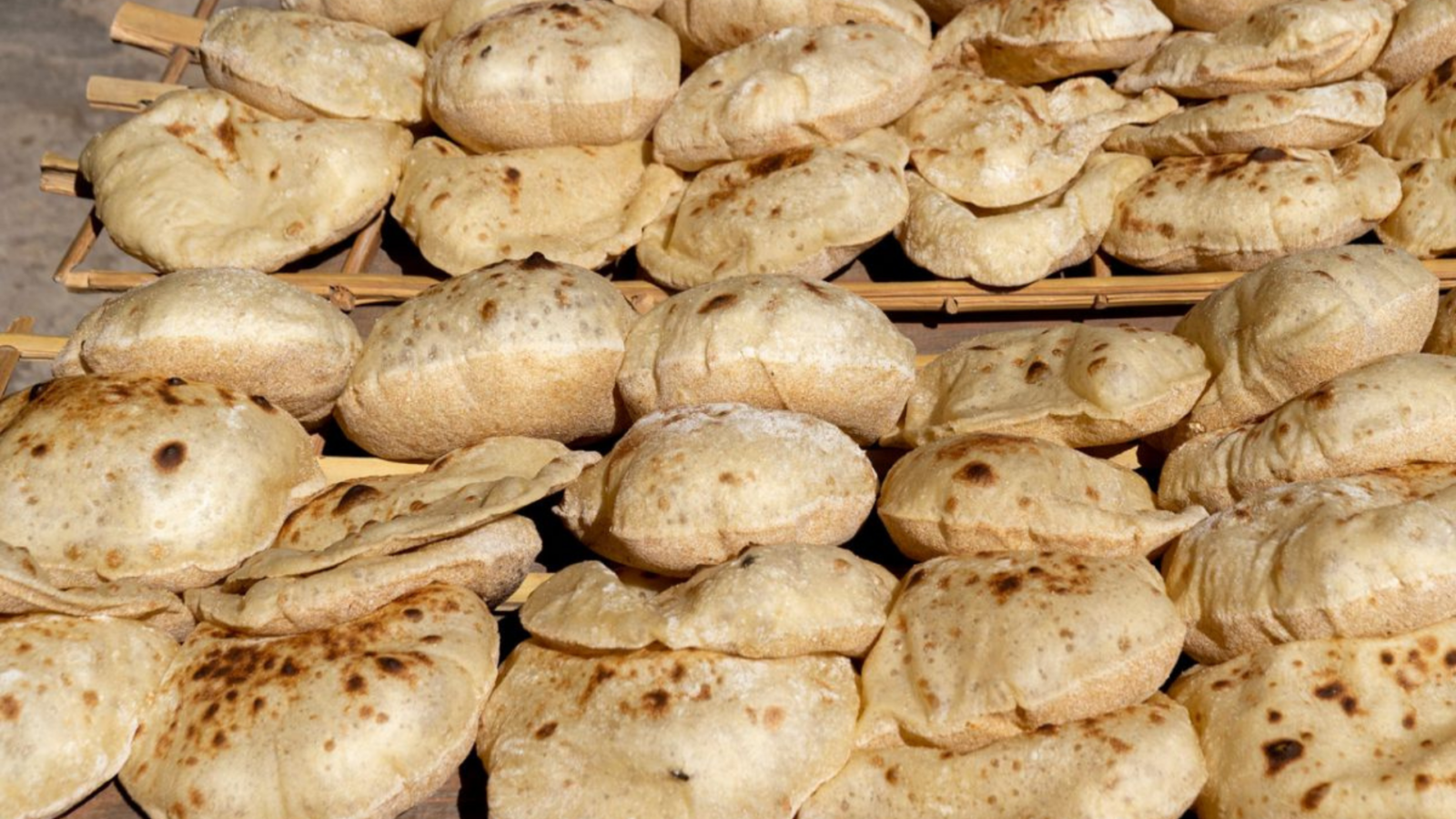
The absolute backbone of every Egyptian meal. This traditional bran-dusted flatbread is baked at extremely high temperatures in communal clay ovens to create the perfect pocket.
The word “Aish” literally translates to “life” in Egyptian Arabic, reflecting the central, sacred role this bread plays in the national diet. No meal is complete without it.
8-Day Cairo, Siwa and White & Black Desert Adventure
Planning the trip itself? Start here.
View This TripFiteer Meshaltet: The Egyptian Croissant
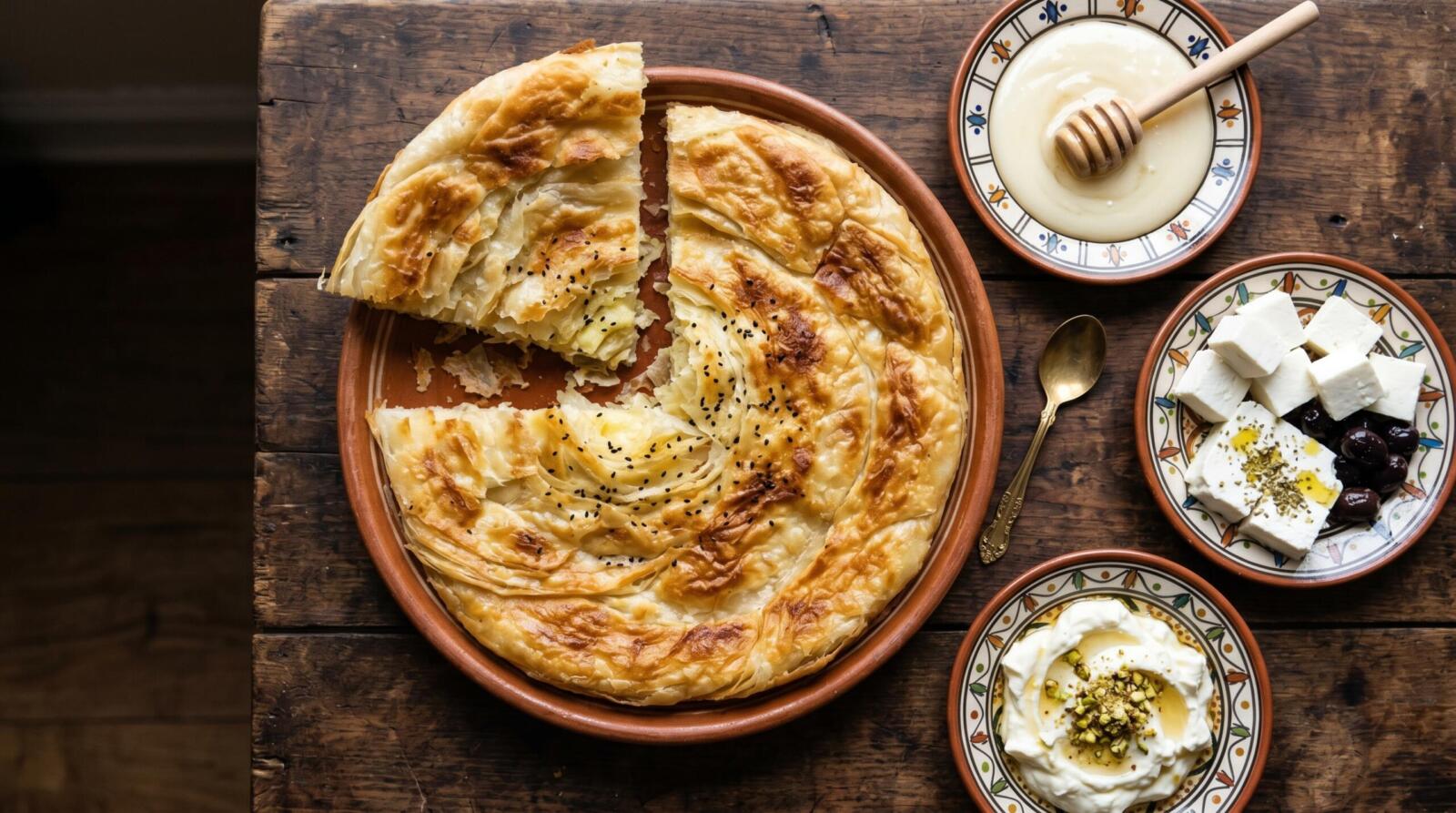
A masterpiece of ancient Egyptian baking that has survived for thousands of years. Thin, multi-layered flaky pastry is meticulously stretched by hand and generously brushed with clarified butter.
It is traditionally served either sweet with white cheese and mountain honey, or savory with minced meat. Finding the best Fiteer is an adventure in itself during any Egypt Day Tours & Excursions.
Om Ali: The Queen of Puddings
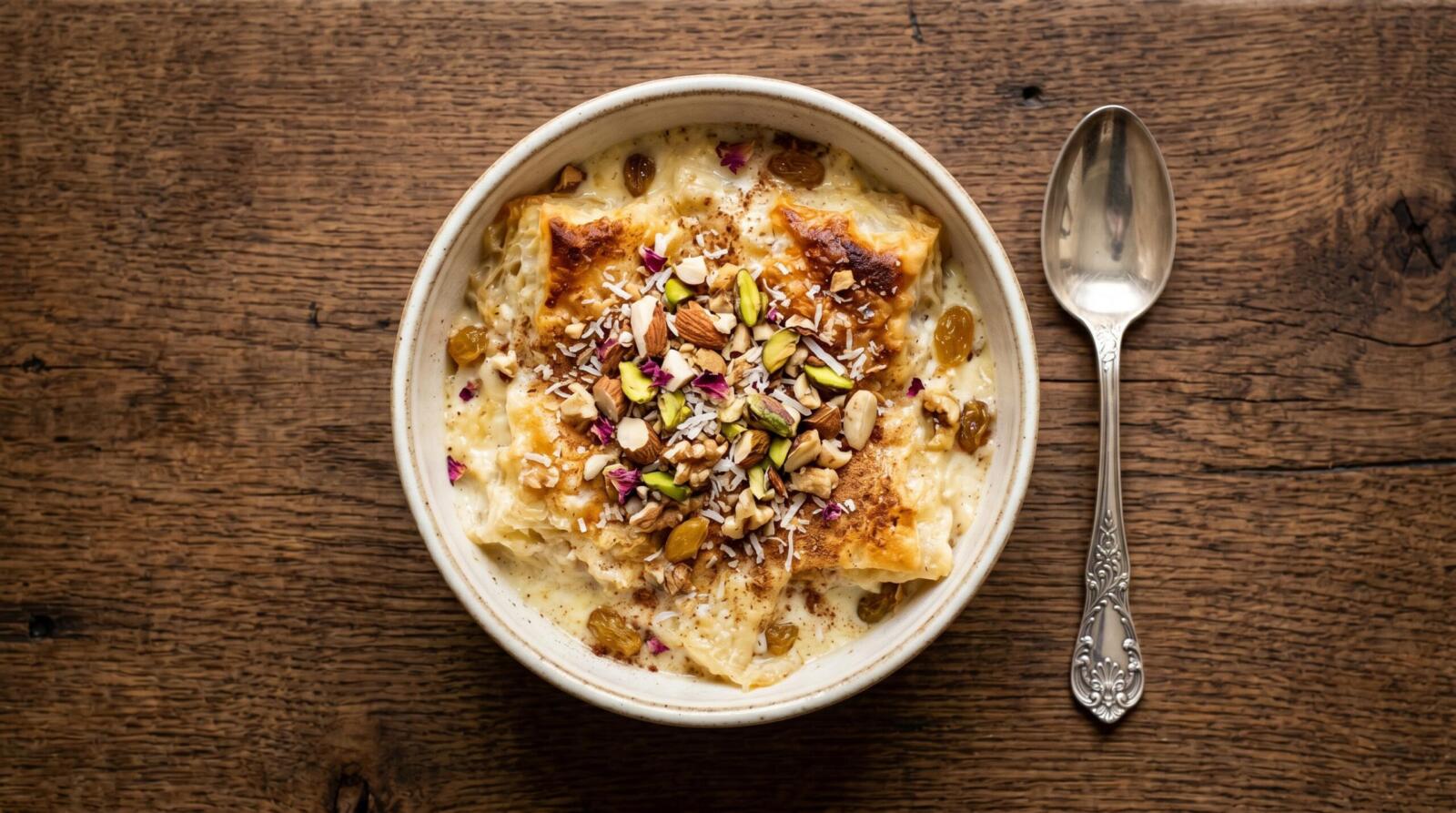
A warm, comforting bread pudding made with layers of puff pastry soaked in sweetened milk, enriched with a lavish layer of thick cream, and topped with a generous handful of premium nuts.
Om Ali is Egypt’s most beloved dessert, and no Egyptian food guide is truly complete without it. According to legend, it was created to celebrate a royal victory centuries ago.
Basbousa: The Golden Semolina Cake

A soft, moist semolina cake, delicately soaked in fragrant rose-water syrup and often garnished with blanched almonds or a dollop of fresh cream on top.
Basbousa is a staple in Egyptian bakeries and is enjoyed with afternoon tea. Its perfect balance of sweetness and texture makes it an ideal introduction to Egyptian desserts.
Kunafa: The Golden Threads
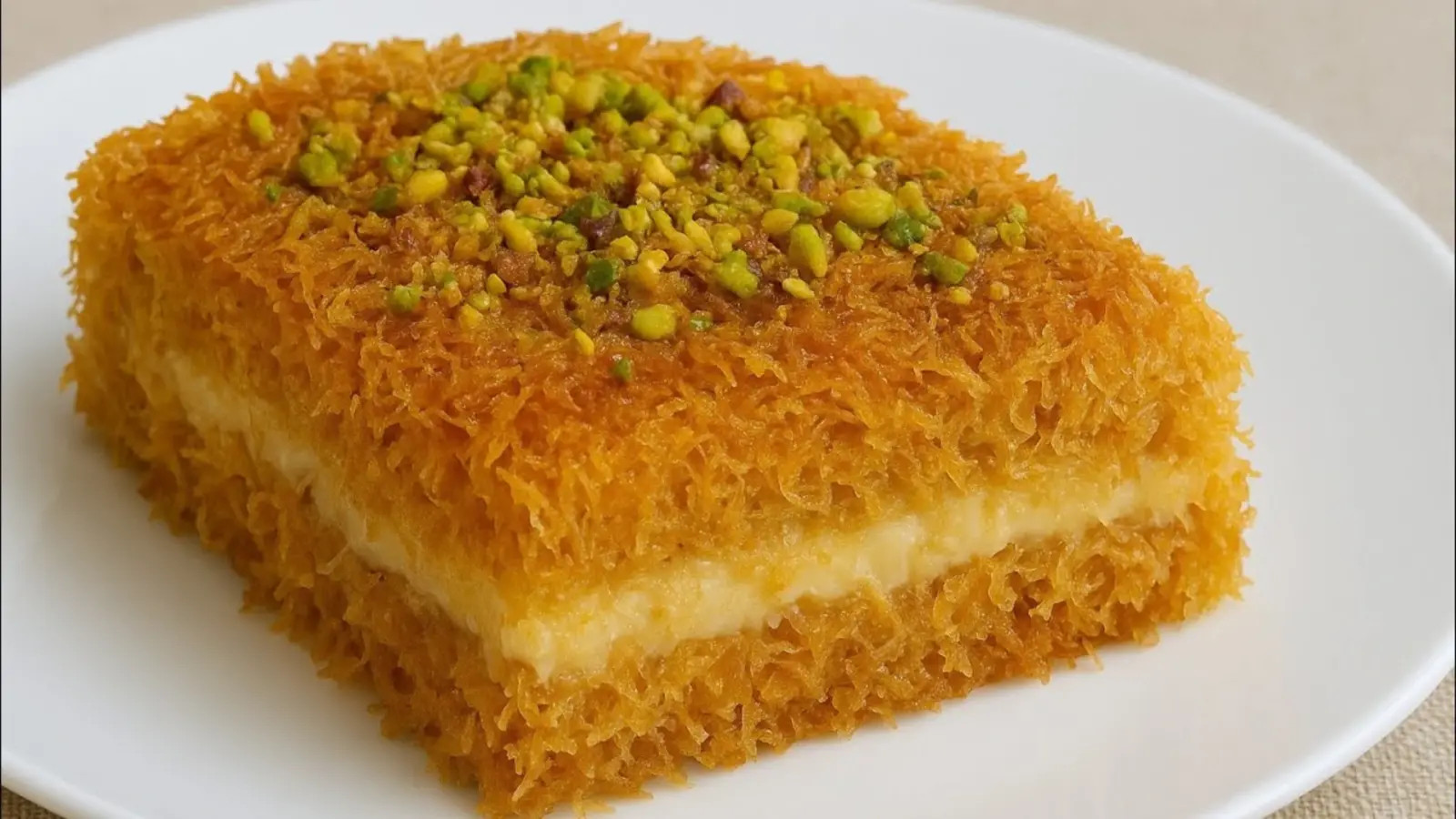
A show-stopping dessert featuring crispy shredded pastry layered with rich, stretchy cream or soft cheese, then generously drizzled with a sweet, aromatic syrup.
It is the undisputed star of Egyptian desserts, especially during festive seasons like Ramadan. The sight of a massive Kunafa tray being flipped upside down in a bakery is a spectacle every visitor should witness.
Baklawa: The Golden Layers of Art

A true masterpiece of confectionery. Egyptian Baklawa consists of dozens of paper-thin layers of phyllo pastry, meticulously brushed with clarified butter and stuffed with premium nuts like pistachios, walnuts, or hazelnuts.
Baked to a perfect golden crunch and drizzled with a light floral syrup, it is the epitome of elegance and culinary tradition. According to Wikipedia’s Egyptian Cuisine article, these sweets have been perfected in Egypt over many centuries.
Halawa: The Energy-Packed Tahini Delight
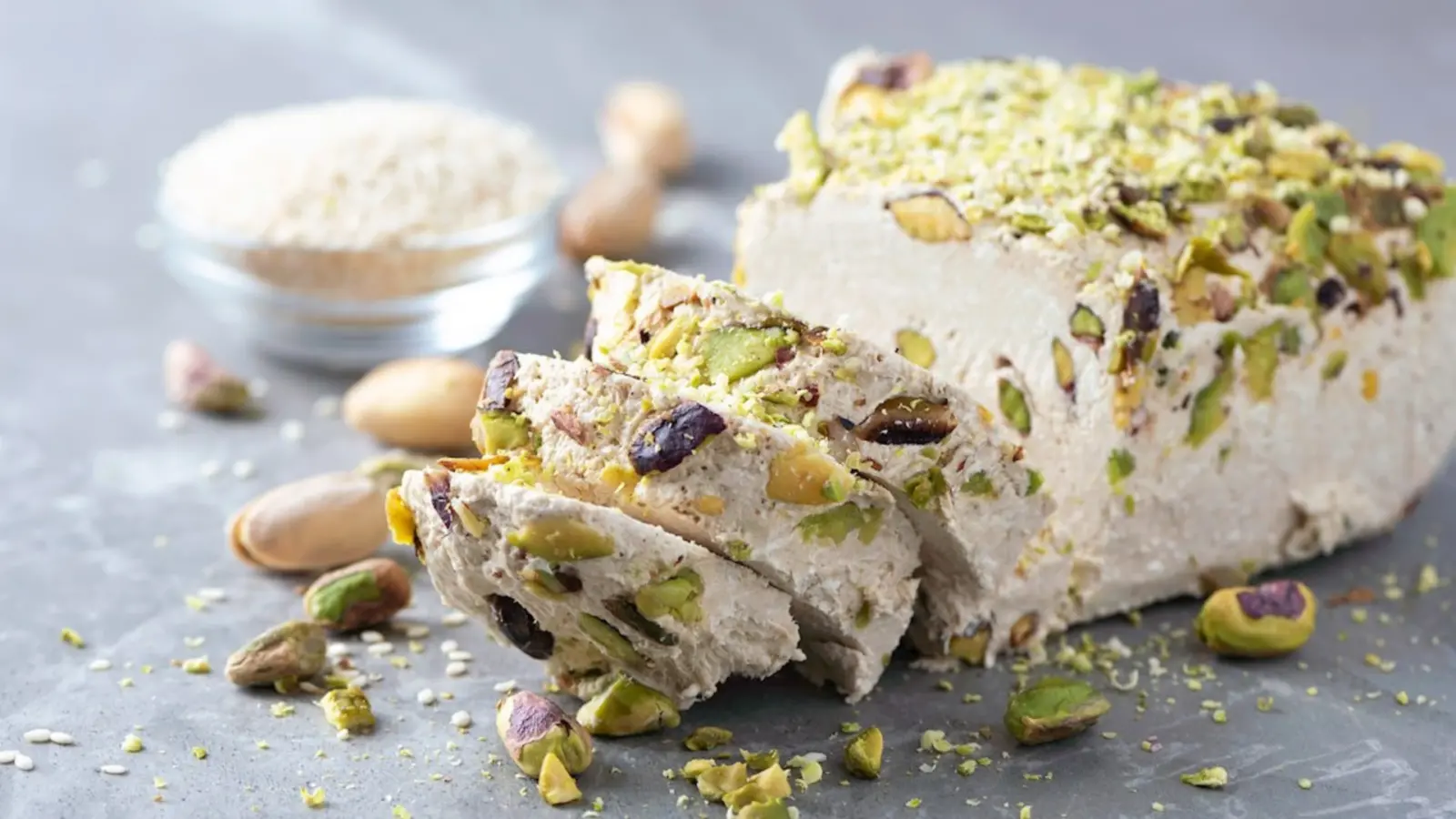
The final stop in our Egyptian food guide is this beloved classic made from premium sesame paste. Halawa is a dense, sweet confection that melts on your tongue, offering a rich and deeply nutty flavor.
Whether enjoyed plain, studded with crunchy pistachios, or swirled with chocolate, it has been a source of energy for Egyptians for generations. It is a versatile treat often served as a quick snack to fuel your adventures across Egypt’s historic sites. For more information about Egyptian culinary traditions, the UNESCO Intangible Heritage page offers global context on food heritage. You can also explore more of Egypt’s cultural side on our Blog.
Egyptian Food at a Glance
| Dish | What it is | When to eat it | Vegetarian? |
|---|---|---|---|
| Koshari | Rice, lentils, pasta and chickpeas with tomato sauce and fried onions | Lunch, any time | Yes (vegan) |
| Ful medames | Slow-cooked fava beans with oil, cumin and lemon | Breakfast | Yes (vegan) |
| Ta’meya | Falafel made with fava beans and green herbs | Breakfast | Yes (vegan) |
| Hawawshi | Bread stuffed with spiced minced meat, baked crisp | Lunch, street food | No |
| Molokhia | Green soup of jute leaves with garlic and coriander | Lunch with rice and chicken or rabbit | Can be |
| Fatteh | Layers of bread, rice, garlic-vinegar sauce and meat | Feasts, Eid | No |
| Kebab and kofta | Charcoal-grilled lamb pieces and minced-meat skewers | Dinner | No |
| Baba ghanoush | Smoky aubergine dip with tahini | Starter | Yes |
| Mahshi | Vegetables and vine leaves stuffed with herbed rice | Lunch, family meals | Often |
| Mombar | Sausage of spiced rice in a casing, fried | Feasts | No |
| Aish baladi | Round wholewheat flatbread | Every meal | Yes |
| Fiteer meshaltet | Flaky layered pastry, sweet or savoury | Breakfast, late night | Yes |
| Om Ali | Bread pudding with milk, nuts and raisins | Dessert | Yes |
| Basbousa | Semolina cake soaked in syrup | Dessert | Yes |
| Kunafa | Shredded pastry with cream or cheese and syrup | Dessert, Ramadan | Yes |
| Baklawa | Filo layers with nuts and syrup | Dessert | Yes |
| Halawa | Sesame-paste sweet | Breakfast, snack | Yes (vegan) |
What to Drink in Egypt
- Shai (tea): black tea, strong and sweet, often with fresh mint (shai bil na’na’). It is offered everywhere as a sign of welcome.
- Ahwa (coffee): thick, Turkish-style coffee, ordered sada (no sugar), mazboot (medium) or ziyada (sweet).
- Karkadeh: a deep red hibiscus drink, served cold in summer and hot in winter, especially popular in Aswan.
- Asab: fresh sugarcane juice, pressed in front of you at juice stalls for a few pounds.
- Fresh juices: mango, guava, orange and strawberry in season, often thick enough to eat with a spoon.
- Sahlab: a warm, creamy winter drink of milk thickened with starch, topped with nuts and cinnamon.
- Tamr hindi and sobia: tamarind and coconut-milk drinks that appear on every table in Ramadan.
Alcohol is available in hotels, many tourist restaurants and on Nile cruises; Egypt brews its own beer and makes wine. Outside these places, most Egyptians do not drink alcohol, so it is polite not to expect it.
The Ancient Roots of Egyptian Food
Some dishes on an Egyptian table today were eaten in the time of the pharaohs:
- Bread and beer were the basic food of every ancient Egyptian. The workers who built the pyramids received daily rations of both, and archaeologists have found their bakeries next to the workers’ town at Giza.
- Fava beans, the base of ful and ta’meya, have been found in tombs dating back thousands of years.
- Onions, garlic and leeks were everyday food. The Greek historian Herodotus wrote that an inscription on the Great Pyramid recorded what was spent on radishes, onions and garlic for the workers.
- Molokhia and lentils also have very long histories along the Nile.
Read more about how the pyramid builders lived in how were the pyramids built?
Tips for Eating in Egypt
- Drink bottled water, and choose busy street stalls where the food is cooked fresh in front of you.
- Vegetarians eat well: koshari, ful, ta’meya, mahshi and most dips contain no meat. Vegans should ask about butter (samna) in rice and pastries.
- Meal times are late: lunch is often the main meal, between 2 and 5 pm, and dinner can start after 9 pm.
- In Ramadan, many cafés close by day and the whole country breaks the fast together at sunset with iftar. It is a wonderful time to try special dishes and desserts; eat discreetly in public during the day.
- Tipping: restaurants usually add a 12% service charge; leaving a little extra in cash for the waiter is normal.
- Eat with your right hand when sharing bread and dips from a common plate.
Before you travel, see also the Egypt visa rules and the best time to visit Egypt.
Where to Try Egyptian Food
Cairo is the best place to eat your way through the list: koshari shops downtown, ful and ta’meya carts in the morning, and grills in the old Islamic city. In Luxor and Aswan, look for Nubian cooking, with slow-cooked stews and fresh bread baked in clay ovens, and on a Nile cruise the buffets usually include a night of Egyptian dishes. Ask your guide on any of our Cairo and Giza tours to stop at a favourite local place for lunch.




























