Summary
The Sinai Peninsula is the triangle of land that joins Africa to Asia. It is mostly desert and mountains, yet it has been a road for armies, a source of turquoise for the pharaohs and a holy place for Jews, Christians and Muslims. This guide explains where Sinai is, what happened there and what you can see today.
Where Is the Sinai Peninsula?

Sinai lies in the north-east of Egypt. The Mediterranean Sea is on its north side, the Gulf of Suez on the west and the Gulf of Aqaba on the east, and the two gulfs meet at its southern tip in the Red Sea. The Suez Canal now separates it from the rest of Egypt. It covers about 60,000 square kilometres and is the only part of Egypt that lies in Asia. The north is low and sandy; the south is a block of high granite mountains, with Mount Catherine, at about 2,600 metres, the highest point in the country.
Turquoise and Copper for the Pharaohs
From the time of the Old Kingdom, Egyptian kings sent expeditions into south-west Sinai to mine turquoise and copper. The miners left carved records in the rocks at Wadi Maghara. At Serabit el-Khadim they built a temple to Hathor, called “Lady of Turquoise”, which was enlarged over many centuries. Short inscriptions found there, written by workers from the Levant, are probably among the earliest examples of an alphabet. You can read more about the goddess in our guide to Hathor.
A Land Bridge for Armies and Traders
Because Sinai is the only land route between Egypt and the Near East, it was always a border and a highway. The pharaohs guarded the northern coast road, known as the Ways of Horus, with a line of forts and wells. Armies marched along it in both directions: Egyptians heading for Canaan and Syria, and invaders such as the Assyrians, Persians and Alexander the Great coming the other way. Traders and, in later centuries, pilgrims to Mecca and Jerusalem used the same tracks.
Mount Sinai and Saint Catherine's Monastery
Sinai is best known for its place in the Bible. Tradition identifies Mount Sinai, also called Jebel Musa (“Mountain of Moses”), as the place where Moses received the Ten Commandments; scholars still debate the real location. At its foot stands Saint Catherine’s Monastery, built in the 6th century under the Byzantine emperor Justinian. It is one of the oldest Christian monasteries still in use, with a famous library of old manuscripts and icons, and the area is a UNESCO World Heritage Site. Many visitors climb the mountain at night to watch the sunrise from the top.
Sinai in Modern Times
In the 20th century Sinai was again a front line. Israel occupied it in the war of 1967. After the 1973 war and the Egypt–Israel peace treaty of 1979, it was returned to Egypt in stages, and the last part was handed back in 1982. Egypt marks 25 April as Sinai Liberation Day. Taba, on the Gulf of Aqaba, followed in 1989 after international arbitration. Today South Sinai lives mainly from tourism, while Bedouin tribes still live in the mountains and valleys.
Sinai Today: Reefs and Resorts
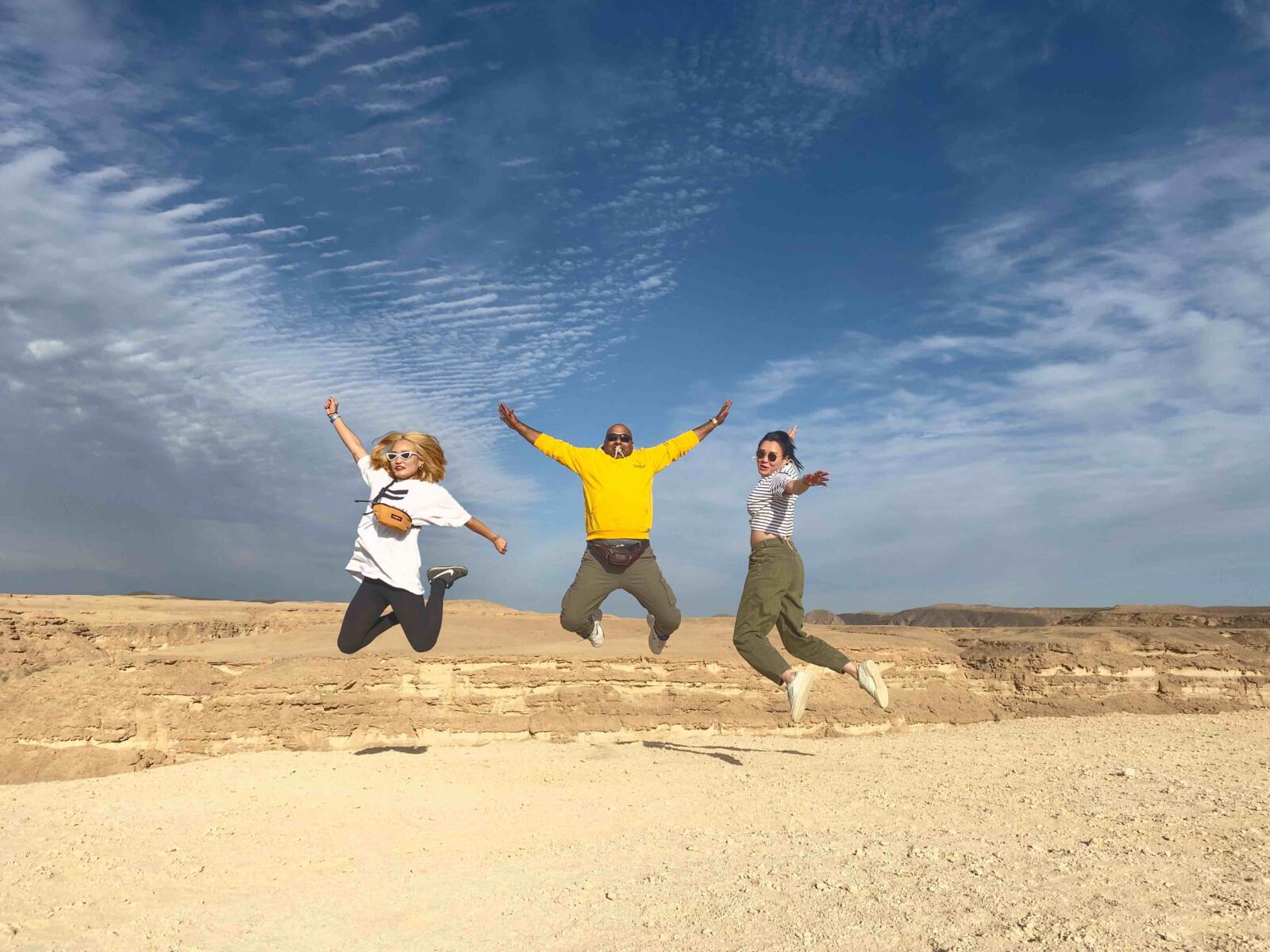
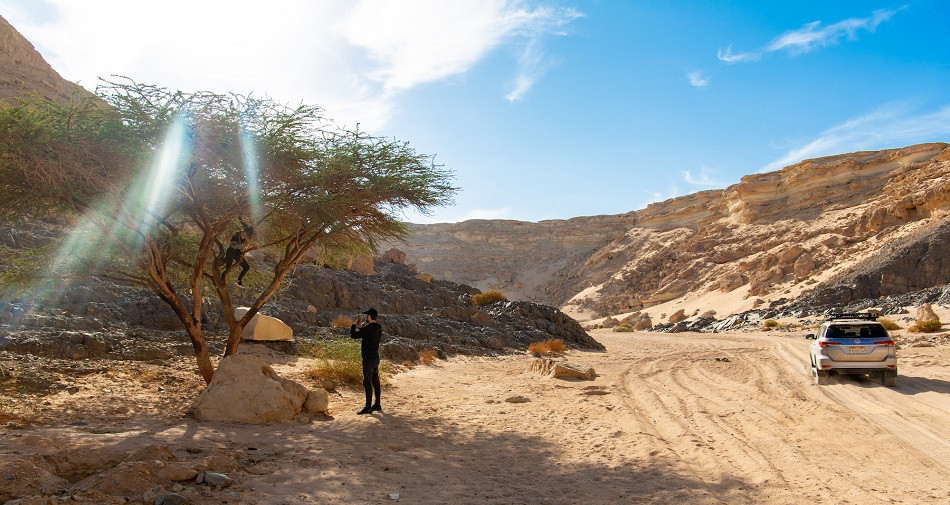
The southern coast is one of the best places in the world for diving and snorkelling. Ras Mohammed National Park protects the reefs at the southern tip near Sharm el-Sheikh, and Dahab is known for the Blue Hole. Inland, the desert offers canyons, Bedouin camps and starry nights; see our notes on hiking and camping in Sinai and the Sharm el-Sheikh travel guide. Travel advice for North Sinai is different from the south, so check your government’s current advice and our page on travel safety in Egypt.
Combining Sinai With Classic Egypt
Sharm el-Sheikh has flights from Cairo and many European cities, so a few days on the Sinai coast fit well after the pyramids and the temples of the Nile Valley. Start with one of our Egypt tour packages or a Nile cruise, then ask us about adding beach days at the end. You can also see the Suez Canal, the waterway that has separated Sinai from the Nile Delta since 1869.
Sinai Peninsula: FAQ
Is the Sinai Peninsula in Africa or Asia?
In Asia. It is the only part of Egypt on the Asian side of the Suez Canal, and it forms the land bridge between the two continents.
Why was Sinai important to the ancient Egyptians?
For its turquoise and copper mines, worked from the Old Kingdom onwards, and because the coast road across northern Sinai was the main route to the Near East.
Can you climb Mount Sinai?
Yes. Most people start at night near Saint Catherine’s Monastery and walk about three hours to reach the summit for sunrise. Bring warm clothes, as it is cold at the top for much of the year.
When did Sinai return to Egypt?
Under the 1979 peace treaty with Israel; the handover was completed in 1982, and Taba was returned in 1989.