
Testimonials
Our Clients Reviews
See what our happy travelers say about us
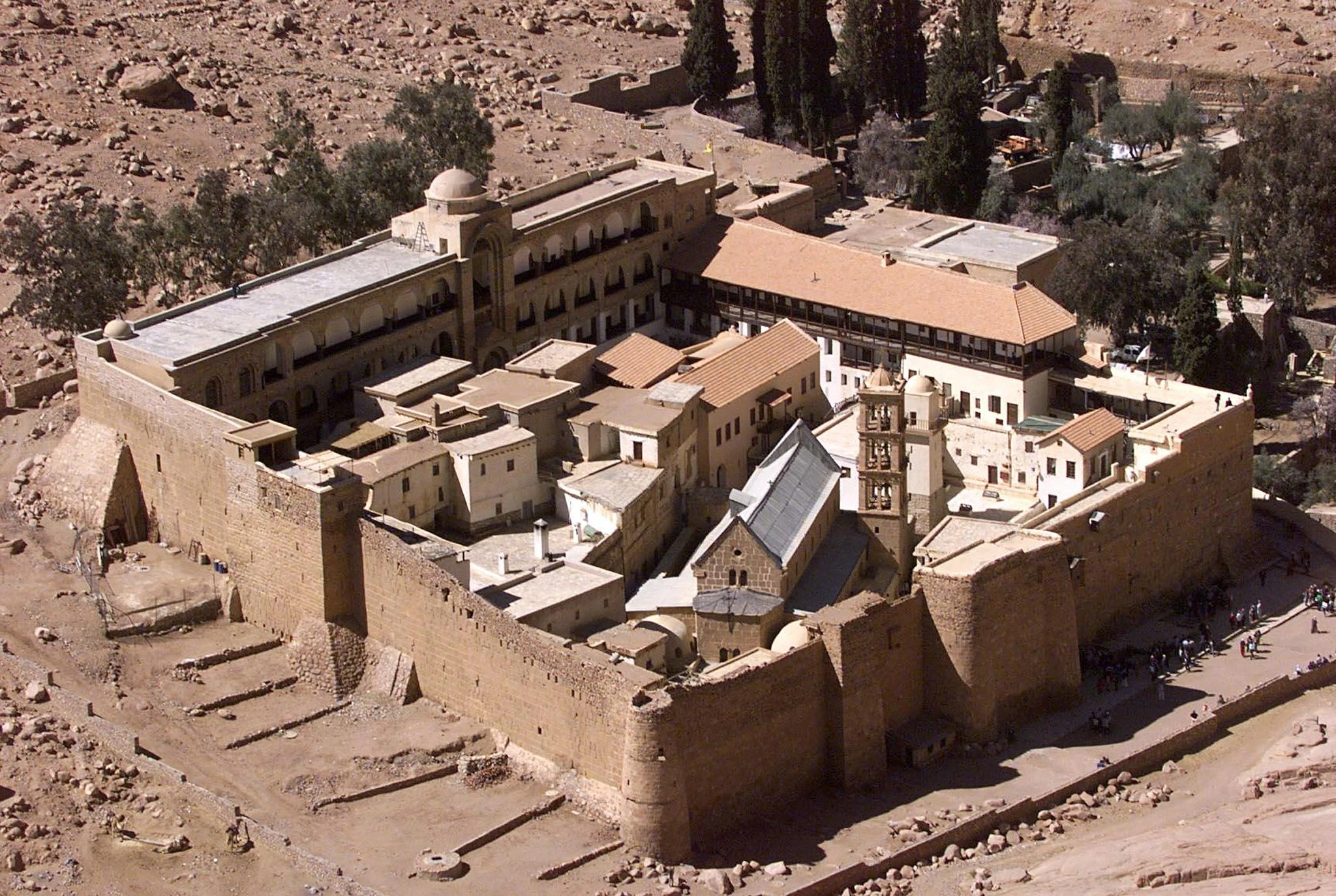
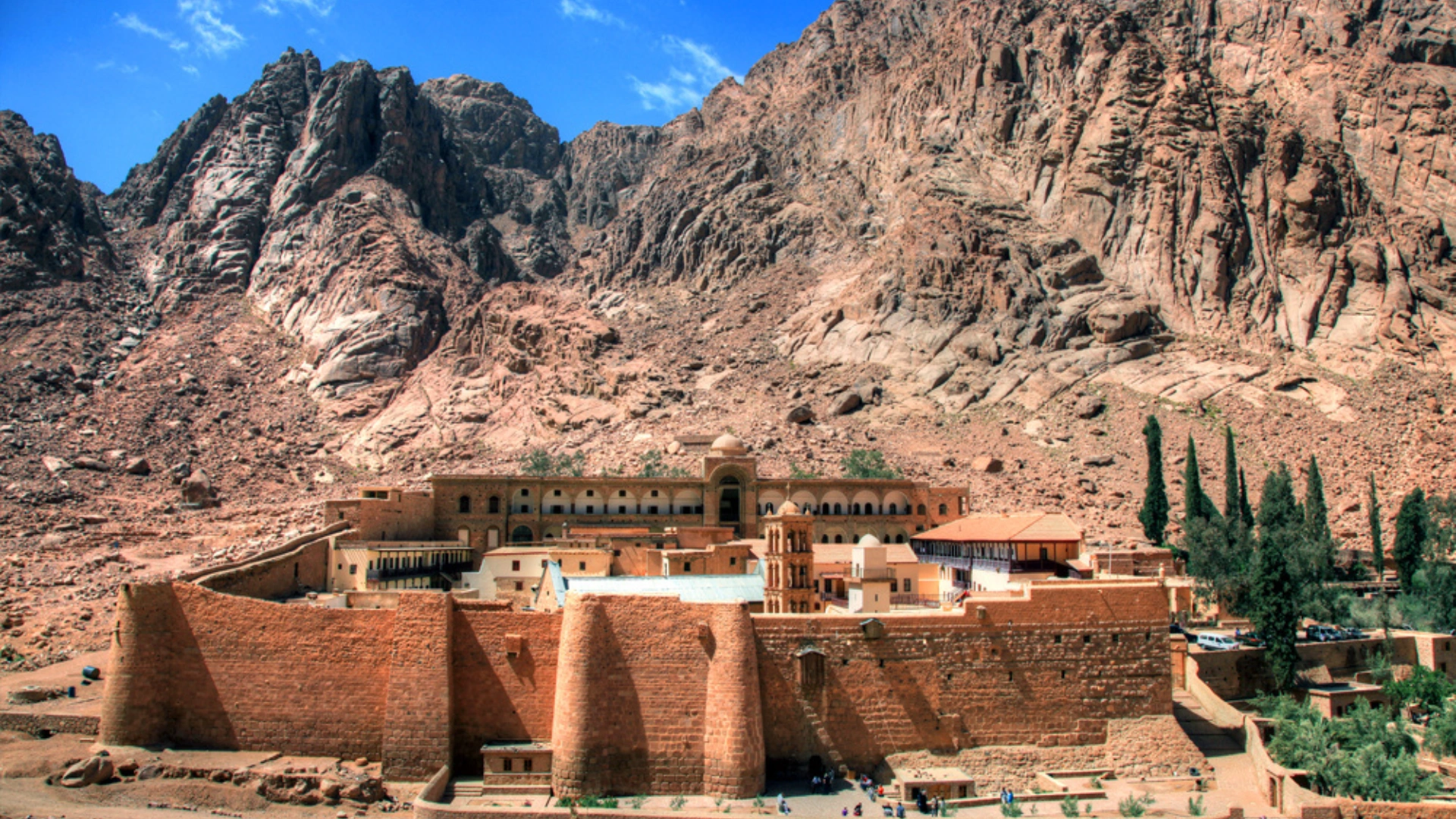
The Saint Catherine’s Monastery at the foot of Mount Sinai in the southern Sinai Peninsula is the oldest continuously inhabited Christian monastery in the world, founded by the Byzantine Emperor Justinian between 548 and 565 CE on the site already venerated as the location of the Burning Bush of Moses. The monastery is a UNESCO World Heritage Site and belongs to the Greek Orthodox Church, maintaining a community of Greek Orthodox monks who have kept the monastery’s religious and intellectual traditions unbroken for over 1,400 years.
The monastery’s library is second only to the Vatican Library in the quantity and importance of its early Christian manuscripts — over 3,300 manuscripts in Greek, Arabic, Syriac, Georgian, Armenian, Slavonic, and other languages are housed here, along with approximately 5,000 early printed books. The discovery of the Codex Sinaiticus — one of the oldest and most complete manuscripts of the Christian Bible, dating to the 4th century CE — in the monastery’s collection by German scholar Constantin von Tischendorf in 1844 made St. Catherine’s internationally famous in biblical scholarship.
Beyond the library, the monastery contains the Chapel of the Burning Bush (built over the site where Moses is said to have encountered God), the Church of the Transfiguration with its extraordinary 6th-century Byzantine mosaic of the Transfiguration of Christ — one of the finest surviving Byzantine mosaics anywhere in the world — and the famous Skull House (charnel house) where the bones of deceased monks are displayed. The surrounding Sinai landscape — granite mountains rising to 2,285 meters at Mount Sinai (Jebel Musa) and 2,629 meters at Mount Catherine — adds a dimension of austere natural grandeur to the monastic experience.
The site at the foot of what is now called Jebel Musa (Mount Moses) was venerated by early Christian hermits from at least the 3rd century CE as the location of the Burning Bush described in Exodus 3. A small chapel and hospice were established in the 4th century CE, and the Byzantine Empress Helena (mother of Constantine) reportedly ordered the construction of a chapel over the Burning Bush site.
Emperor Justinian commissioned the fortification and expansion of the site between 548 and 565 CE, building the massive granite walls (approximately 10–15 meters high) that still enclose the monastery compound today. He also commissioned the Church of the Transfiguration, whose 6th-century apse mosaic remains intact — a remarkable survival of Byzantine artistic culture from the reign of the empire’s greatest emperor.
The monastery’s survival through 1,400 years of Muslim rule is attributed partly to its position in the isolated Sinai mountains, partly to the protection afforded by the Bedouin tribes of the region, and partly to a document known as the Achtiname of Muhammad — a letter reportedly dictated by the Prophet Muhammad granting the monastery his protection. The document’s authenticity is debated by scholars, but it was accepted by successive Islamic rulers and enabled the monastery to continue as a Christian institution through the Umayyad, Abbasid, Fatimid, and Ottoman periods.
The 6th-century Byzantine apse mosaic depicting the Transfiguration of Christ — one of the finest and oldest surviving Byzantine mosaics in the world, in the church commissioned by Emperor Justinian.
The chapel built over the site traditionally identified as the Burning Bush of Moses (Exodus 3) — shoes must be removed before entering, as monks consider it the same sacred ground described in scripture.
The world's second most important early Christian manuscript collection — over 3,300 manuscripts in multiple languages, including portions of the Codex Sinaiticus still held at the monastery.
The charnel house containing the neatly arranged bones and skulls of deceased monks — a medieval tradition of monastic memento mori still maintained by the community.
The original granite fortification walls built under Emperor Justinian (548–565 CE), rising 10–15 meters and enclosing the entire monastery compound in a state of remarkable preservation.

See what our happy travelers say about us



