






 Attraction


Testimonials
Our Clients Reviews
See what our happy travelers say about us


The Church and pilgrimage complex of Saint Mina at Abu Mena, approximately 45 km southwest of Alexandria in the Western Desert, marks the site of one of the most important early Christian pilgrimage destinations in the ancient Mediterranean world. Saint Mina (or Menas) was an Egyptian soldier-martyr executed for his Christian faith around 296 CE during the Diocletian persecution. According to Coptic tradition, a camel refused to move beyond a particular spot in the desert — the place where Mina’s body was buried — leading to the discovery of the tomb and the construction of a basilica above it by Emperor Constantine in the 4th century.
In the 4th and 5th centuries CE, the pilgrimage site of Abu Mena was one of the most visited in the Christian world — comparable in significance to the shrines of Rome and Jerusalem — attracting pilgrims from across the Mediterranean who sought healing at Mina’s tomb. Archaeological excavations have revealed the remains of an enormous basilica complex including baths, hostels, and warehouses for the thousands of pilgrims who visited annually. The distinctive Abu Mena pilgrim flask — a small two-handled ceramic vessel filled with water or oil sanctified at the tomb — was produced and distributed by the millions and has been found in archaeological sites from Britain to the Persian Gulf.
The modern church complex at Abu Mena includes a large contemporary church built over the archaeological remains, an active monastery, and a museum displaying excavated objects from the ancient pilgrimage site. The entire area was inscribed as a UNESCO World Heritage Site in 1979 but has since been placed on the List of World Heritage in Danger due to rising groundwater from agricultural irrigation threatening the ancient remains.
Saint Mina (c. 285–296 CE) was born in Egypt and served in the Roman army before publicly declaring his Christianity and being martyred in Asia Minor or Egypt — accounts differ — during the Diocletian persecution. His body was repatriated to Egypt and buried in the Western Desert near Alexandria.
The pilgrimage site grew rapidly after the 4th century CE, when Emperor Arcadius (395–408 CE) built a major basilica over the tomb. The site attracted not only pilgrims but also substantial imperial investment — a colonnaded street, multiple basilicas, baths, and extensive hostel accommodation were constructed, making Abu Mena one of the largest purpose-built pilgrimage complexes in the late antique world. At its peak in the 5th and 6th centuries CE, the site may have received hundreds of thousands of visitors annually.
Abu Mena was destroyed by the Berber invasions of the 7th century CE and the site was abandoned and covered by desert sand. Its location was rediscovered in the 19th century, and systematic excavations beginning in the 1940s revealed the full extent of the ancient complex. The modern church was built over the archaeological site in the late 20th century, and a monastery was established. The UNESCO heritage listing of 1979 recognized the site’s exceptional significance, though the subsequent inscription on the Danger List reflects the ongoing threat from agricultural development in the surrounding region.
A large contemporary church built over the archaeological remains of the ancient pilgrimage basilica — the active devotional center of the modern pilgrimage tradition.
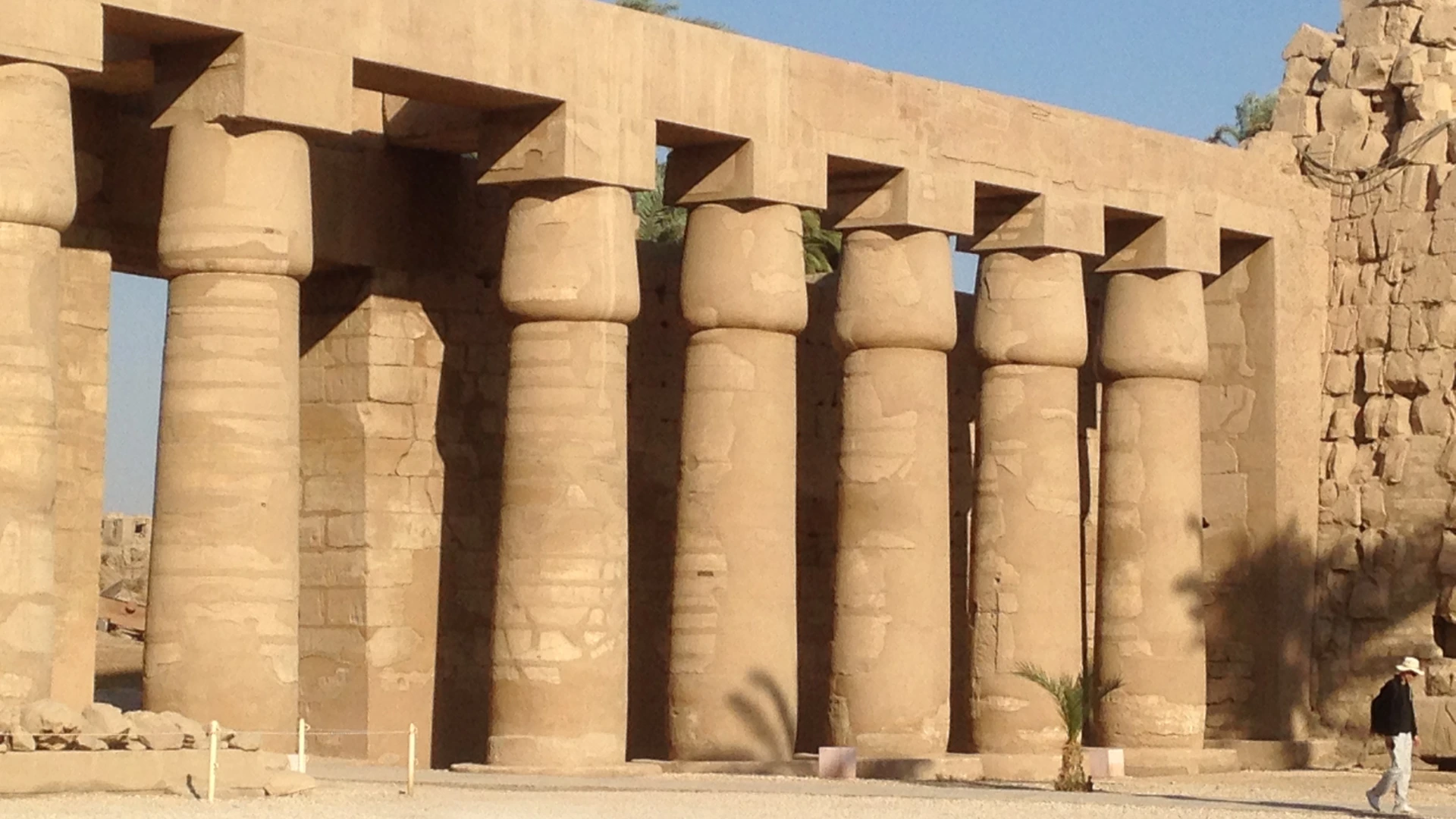
The excavated ruins of the 4th–6th century pilgrimage complex — column bases, basilica foundations, baptistery, and pilgrim hostel remains visible across the site.
On-site museum displaying pilgrim flasks, inscriptions, mosaics, and objects from excavations — including examples of the distinctive two-handled Abu Mena flask found across the ancient world.
The Monastery of Saint Mina adjacent to the church is a functioning monastic community — visitors may observe the monastic life that continues the site's religious tradition.
Packages travelling to Cairo, where Church of Saint Menas is located.


Start From

See what our happy travelers say about us



