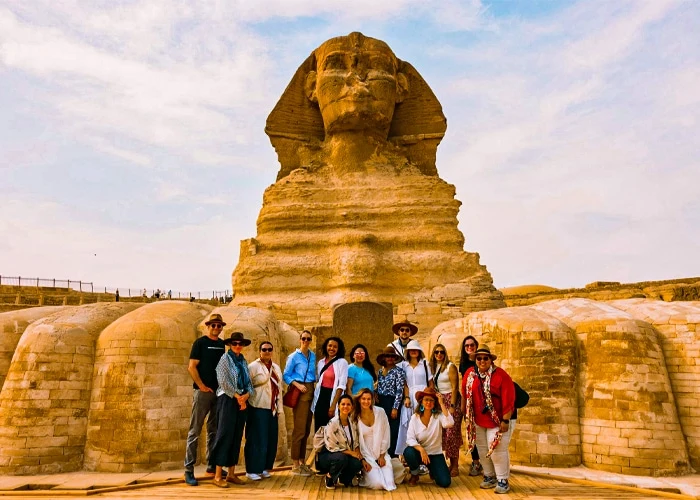
Luxor Marathon — Run Through History
- 07:00
Luxor Marathon — Run Through History
Run through 3,000 years of history — the Luxor Marathon takes runners past the Avenue of Sphinxes, Karnak Temple, and the Nile. The world’s most historically stunning marathon course.
What Actually Happens
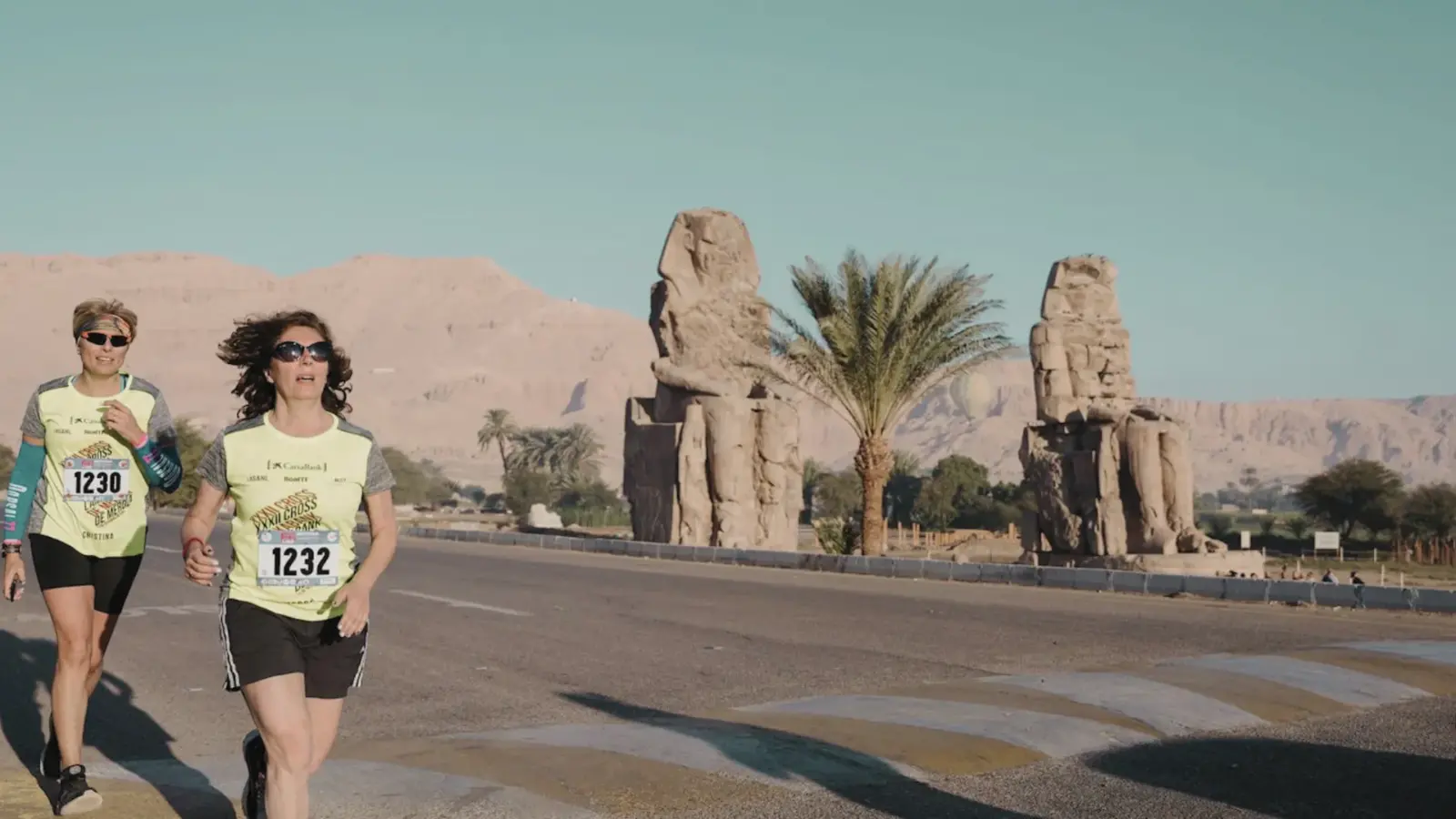
The Egyptian Marathon runs on Luxor’s west bank, starting in the dark in front of the Temple of Hatshepsut and following the road past the Colossi of Memnon and the edge of the Valley of the Kings.
The course is flat and fast, and the January air is cool at dawn — but the sun is high by the closing kilometres, which is what makes it harder than the profile suggests.
Full marathon, half marathon and 10K all start together, so the field spreads out across the same ancient ground.
Historical Background
First run in 1994, the Egyptian Marathon is the oldest international marathon in Egypt and one of the oldest in Africa.
The course was laid out to run through the Theban necropolis, past monuments built between 1500 and 1200 BC — the mortuary temple of Hatshepsut, the Ramesseum and the Colossi of Memnon.
It draws a small international field each January, and the west bank villages turn out along the route.

Key Highlights
Day Schedule
Practical Information
Insider Tips
Start hydrating two days out. The dry desert air dehydrates you faster than the temperature suggests.
Bring a throwaway layer for the start — 6:00 AM in January is genuinely cold.
Sun protection matters more than in a European race; the last hour is fully exposed.
Stay on the west bank if you can. It removes a river crossing on race morning.
Book the Valley of the Kings for the day after, not before — walking the tombs the day before the race is a mistake.
Collect your bib early; the expo is small and closes the evening before.
How to Get There
See It for Yourself
Day Tours Around Luxor
Make the most of your visit with a guided day out in Luxor.
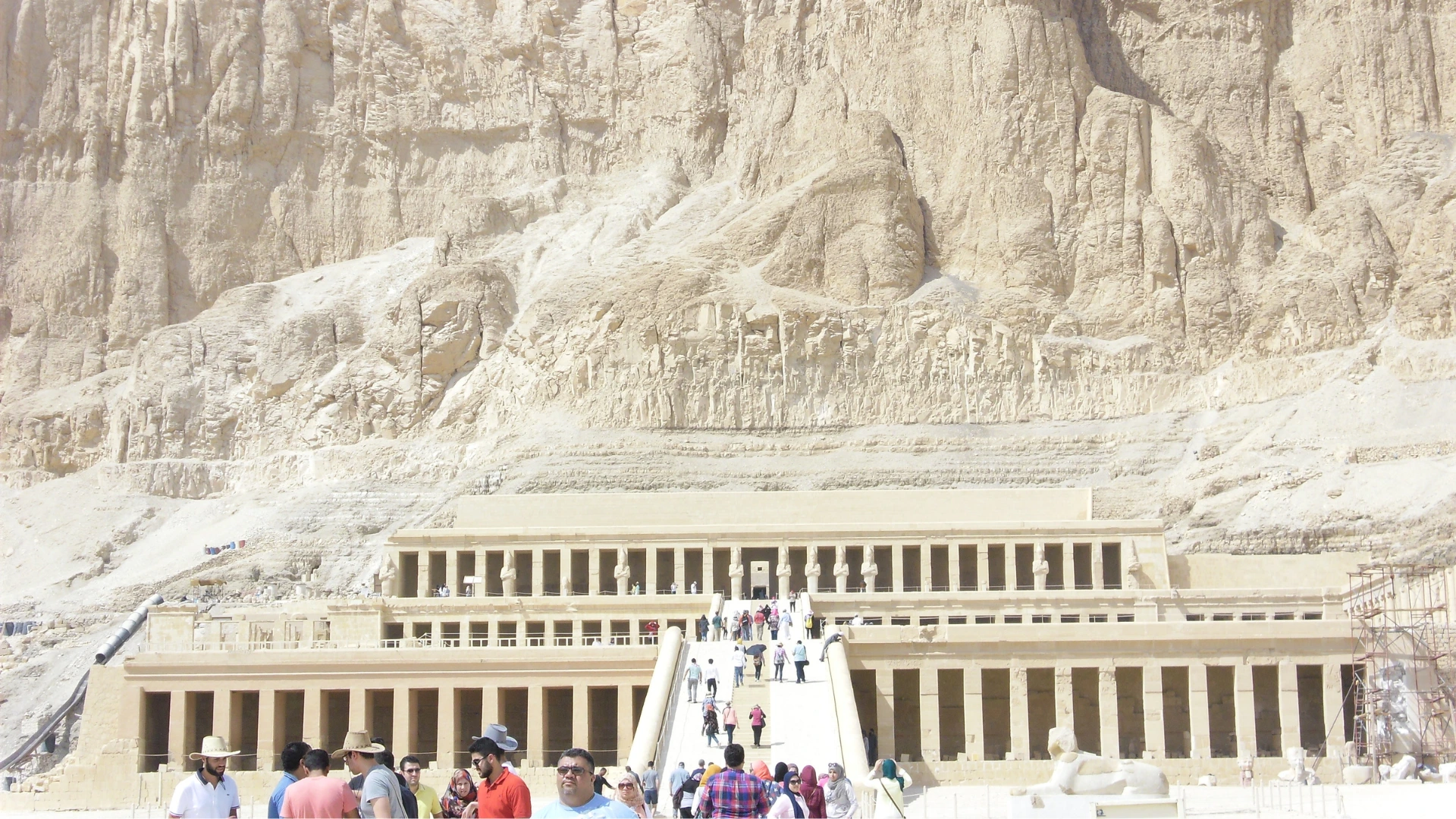

Luxor West Bank: Valley of the Kings Tour
Start From
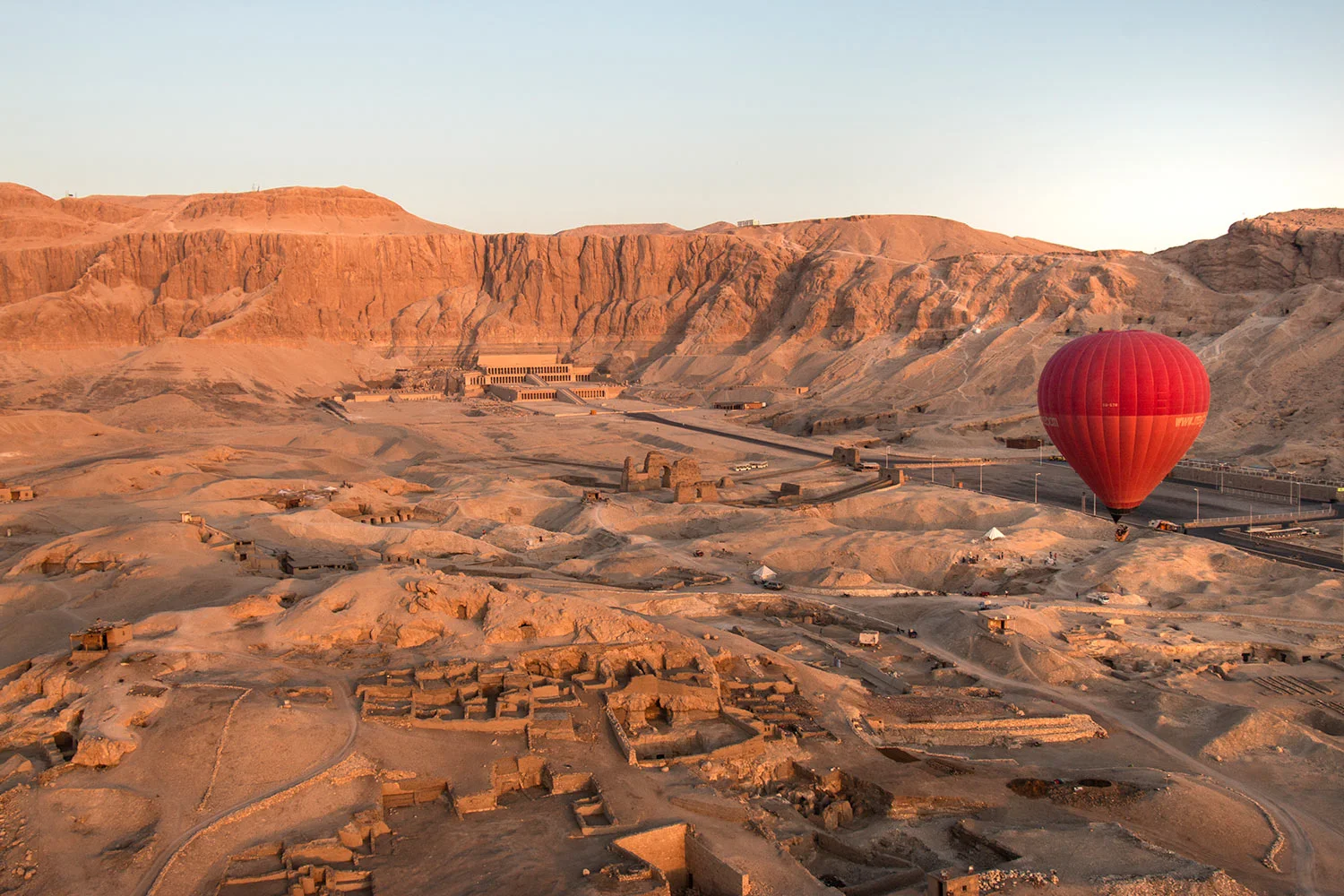

Luxor Sunrise Hot Air Balloon Ride
Start From


Luxor Day Trip from Hurghada by Air
Start From
Luxor East & West Banks Full-Day Tour
Start From

Luxor East Bank: Karnak & Luxor Temples Tour
Start From


Hurghada to Cairo, Abu Simbel & Luxor Tour
Start From
Egypt Tour Packages Including Luxor
Complete trips with hotels, transfers and guided sightseeing that take you to Luxor.

Romantic Egypt: Cairo & Nile Cruise Honeymoon
Start From
Egypt VIP Luxury Experience: Cairo & Nile Cruise – 7 Days
Start From