
Summary
This guide highlights the most common tourist scams in Egypt—such as unsolicited gifts, taxi overcharging, and misleading information about site closures—and provides practical solutions for each. The key to a hassle-free journey is maintaining confidence, using local “no” phrases, and, most importantly, traveling with a professional guide who manages interactions on your behalf.
The "Free Gift" Trap
Details: Vendors may hand you “free” papyrus, scarves, or trinkets, only to demand payment or become aggressive once you accept them.
The Taxi Fare Tactic
Details: Some drivers might “forget” to use the meter or quote an inflated price at the end of the trip. The safest bet is to agree on a price beforehand or use ride-hailing apps like Uber or Careem.
Pyramid Touts & Camel Rides
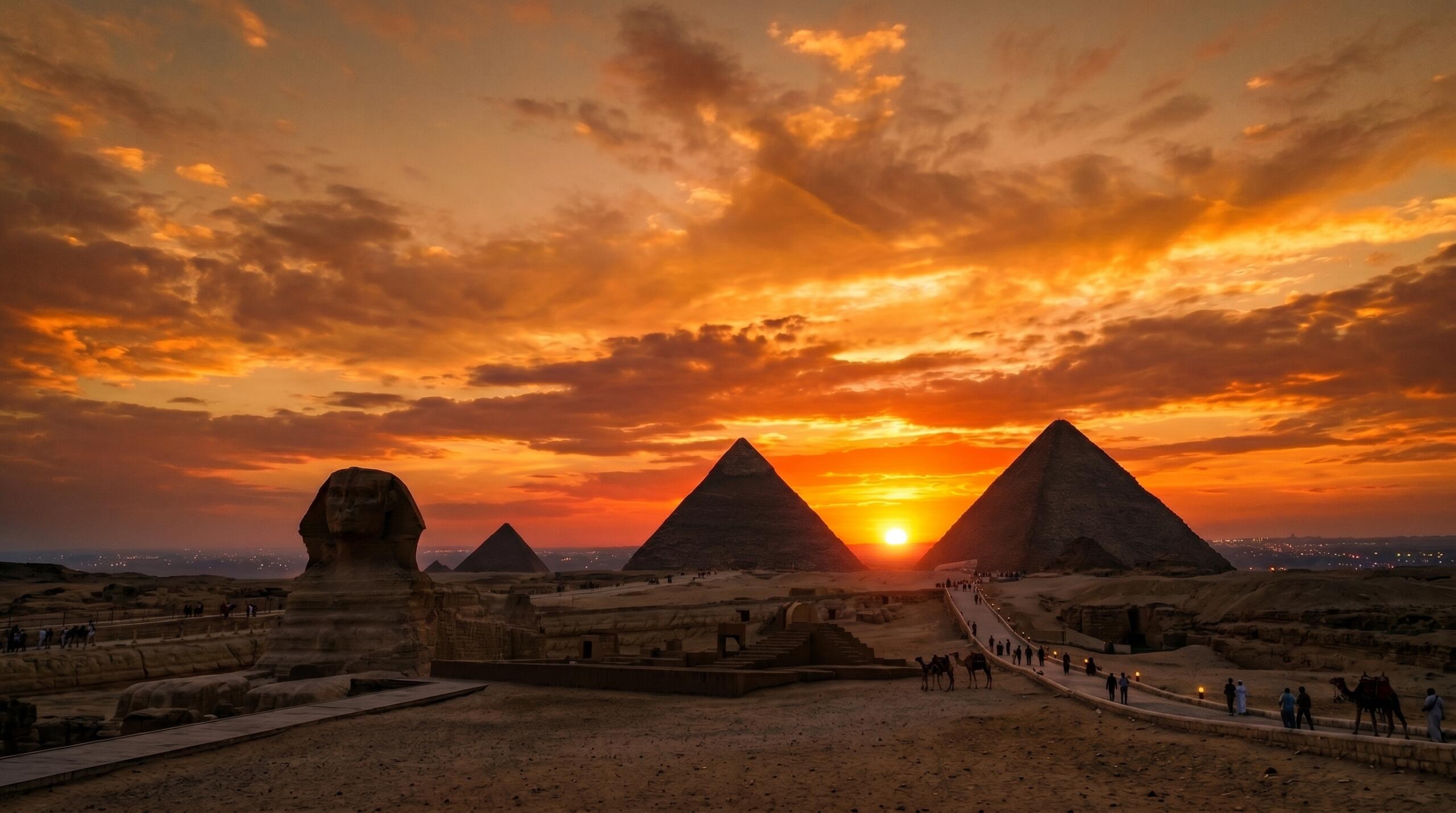
Details: At the Giza Plateau, you may be offered “secret” spots or cheap camel rides that come with hidden exit fees. Always stay with your official guide and decline unsolicited offers firmly.
8-Day Cairo, Siwa and White & Black Desert Adventure
Planning the trip itself? Start here.
View This TripThe "Closed Attraction" Scam
Details: A local might claim a site is closed for prayer or maintenance to lure you to a nearby shop. Always verify opening hours at the official entrance or with your professional guide.
Pro Tips for Confidence
Details: Walk with a sense of purpose, use the phrase “La, Shukran” (No, thank you) respectfully but firmly, and always keep small Egyptian Pound denominations for tips and small buys.
Travel with a Local Advocate
Details: Booking with Top Class Egypt Travel ensures you have a private Egyptologist guide who acts as your shield, handling all negotiations and logistics so you can focus on the history.



























