
 Day Tour
 Day Tour
 Day Tour
 Attraction
 Attraction
 Attraction
 Attraction
 Attraction
 Attraction
Testimonials
Our Clients Reviews
See what our happy travelers say about us

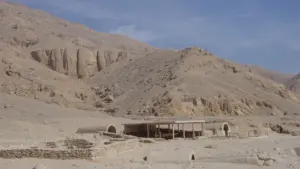
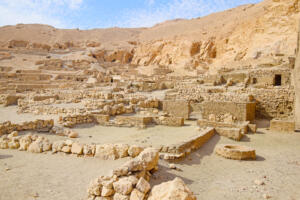
The Tombs of the Nobles are the burial places of the officials, priests and scribes who served the pharaohs of the New Kingdom, cut into the hills of Sheikh Abd el-Qurna and the neighbouring slopes on Luxor’s west bank. More than 400 tombs are known. While the royal tombs in the Valley of the Kings are covered with the books of the afterlife, the nobles chose to paint their own lives: harvests, banquets, hunting in the marshes, workshops, foreign envoys bringing tribute, and the families they hoped to rejoin in the next world.
The tombs are small and often quiet, a short drive from the Valley of the Kings and the Temple of Hatshepsut, and several keep their colours almost as bright as the day they were painted. For many visitors, they give the most vivid picture of daily life in ancient Egypt anywhere in the country.
Most of the decorated tombs date from the 18th Dynasty, around 1500–1300 BC, when Thebes was the capital of an empire and its officials were rich enough to build their own tombs within sight of the royal temples. Each tomb usually has a courtyard, a wide hall for offerings, a long passage, and a shaft down to the burial chamber. Because the local limestone here is poor, many walls were plastered and painted rather than carved, which is why their colours are so fresh. From the 18th century, the village of Qurna grew among and inside the tombs; its families were moved to new villages in the 2000s, and the hillside is now an open archaeological area.
The vizier of Thutmose III: foreign envoys bringing tribute, craftsmen at work and the text of the Duties of the Vizier.
A vizier under Amenhotep III and Akhenaten, with some of the finest carved reliefs in Egypt and a famous painted funeral procession.
Small tombs with vivid paintings of farming, harvest, fishing and banquets, often visited together.
The "Tomb of the Vines", with a painted grape arbour across its ceiling and the owner with his wife.
Unlike the Valley of the Kings, there is no single ticket for the whole hill. The tombs are grouped, and each group has its own ticket, sold at the West Bank ticket office near the Colossi of Memnon. The most visited groups are:
| Group | Why visit |
|---|---|
| Rekhmire and Sennefer | The vizier's tomb with tribute scenes, and the "Tomb of the Vines" |
| Ramose, Userhat and Khaemhat | The finest reliefs, and the change to Amarna art |
| Menna and Nakht | The brightest scenes of farming, fishing and banquets |
Prices change often, so check them at the ticket office or ask your guide. The tombs are open daily from about 6:00 AM to 5:00 PM. Allow about 30 minutes per group.
The tombs lie between the Temple of Hatshepsut and the Ramesseum, a few minutes from the Valley of the Kings and Deir el-Medina, the village of the royal tomb builders. Ask to add one group to our Luxor West Bank tour or the Valley of the Queens, Medinet Habu and Ramesseum tour. Read about the officials who built them in the vizier in ancient Egypt and farmers in ancient Egypt.
Yes. They are quieter than the royal tombs and show everyday life in ancient Egypt, farming, feasts and family, in bright, well-preserved colours.
Rekhmire and Sennefer, Ramose, and Menna and Nakht are the most rewarding groups. If you only have time for one, choose Menna and Nakht for colour or Ramose for carving.
No. Each group of tombs has its own ticket, sold at the West Bank ticket office.
On Luxor's west bank, on the hills of Sheikh Abd el-Qurna between the Temple of Hatshepsut and the Ramesseum.

See what our happy travelers say about us



