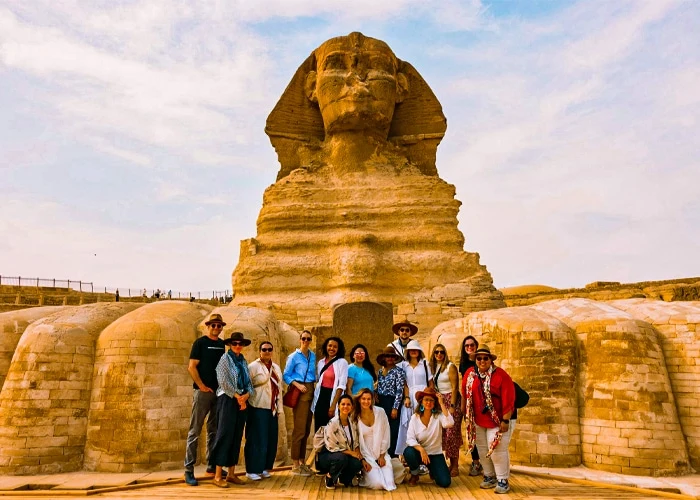
Sham El-Nessim — Egypt’s Ancient Spring Festival
- 09:00
Sham El-Nessim — Egypt’s Ancient Spring Festival
Egypt’s oldest surviving festival — 4,500 years old. Celebrated since Pharaonic times, families gather outdoors to eat salted fish, colored eggs, and spring onions, marking the arrival of spring.
What Actually Happens
Sham El-Nessim is celebrated on the Monday after Coptic Easter — a date that shifts annually but always falls in spring. The festival predates Christianity, Islam, and even the pharaohs we know best — it has been celebrated continuously for 4,500 years.
Ancient Egyptians called it “Shemu” (Harvest Season) and marked it as the new year. They decorated eggs with hieroglyphics and left them in colored wicker baskets at the entrances to tombs. They ate green onions to ward off evil spirits and fever.
Today, every Egyptian family — Christian, Muslim, and secular alike — celebrates together. It’s a uniquely unifying Egyptian tradition that transcends religion.
Historical Background
Sham El-Nessim is the oldest continuously celebrated festival in Egypt, dating back to roughly 2700 BC. The ancient Egyptians called it Shemu — the harvest season — and marked the moment when day and night stand equal.
The name means “smelling the breeze”. Families leave the house at dawn to breathe the spring air, an unbroken custom for more than four and a half thousand years.
It is one of the few festivals every Egyptian celebrates regardless of faith. Muslims and Christians spend the day together in parks, on the Nile and along the coast.

Key Highlights
Day Schedule
Practical Information
Insider Tips
Try feseekh cautiously — it's an acquired taste. Eat with bread to balance the saltiness.
Head to Cairo's Al-Azhar Park, the Giza Corniche, or Garden City for the most festive atmosphere.
An excellent day for people photography — families in colorful spring clothes fill every public space.
Roads in Cairo are packed from early morning. Walk or use the Metro if possible.
How to Get There
See It for Yourself
Day Tours Around Cairo
Make the most of your visit with a guided day out in Cairo.
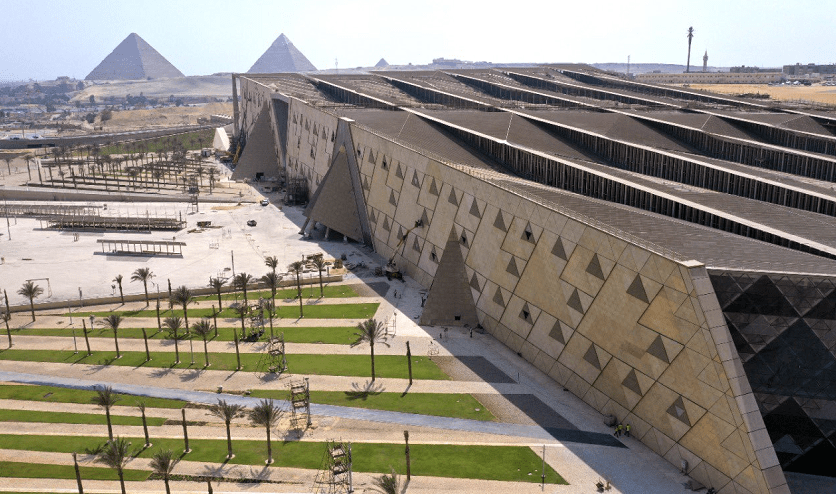

Cairo Day Trip from Hurghada by Road
Start From

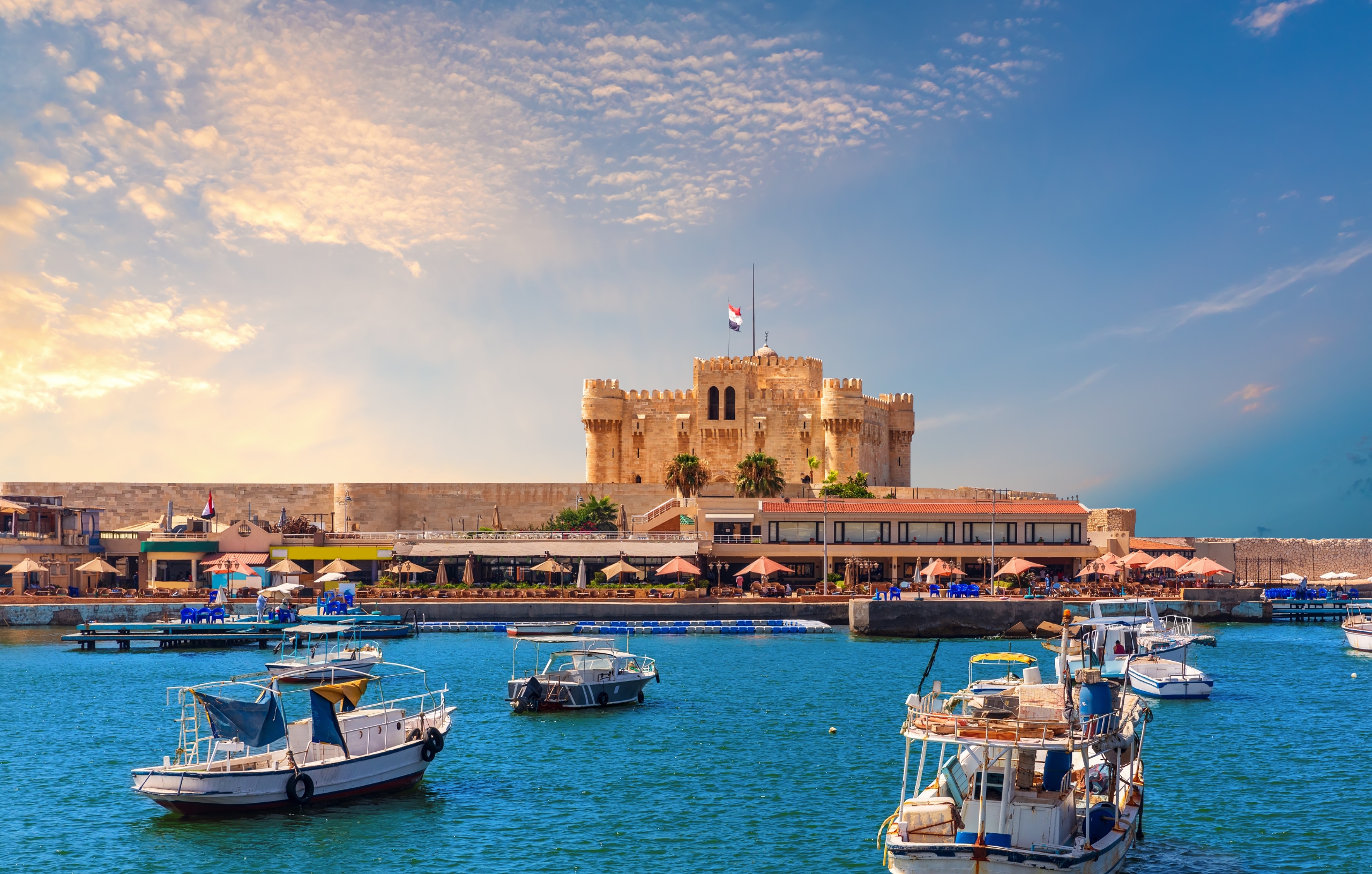
Alexandria Day Trip from Cairo
Start From


Giza Pyramids & Grand Egyptian Museum Tour
Start From
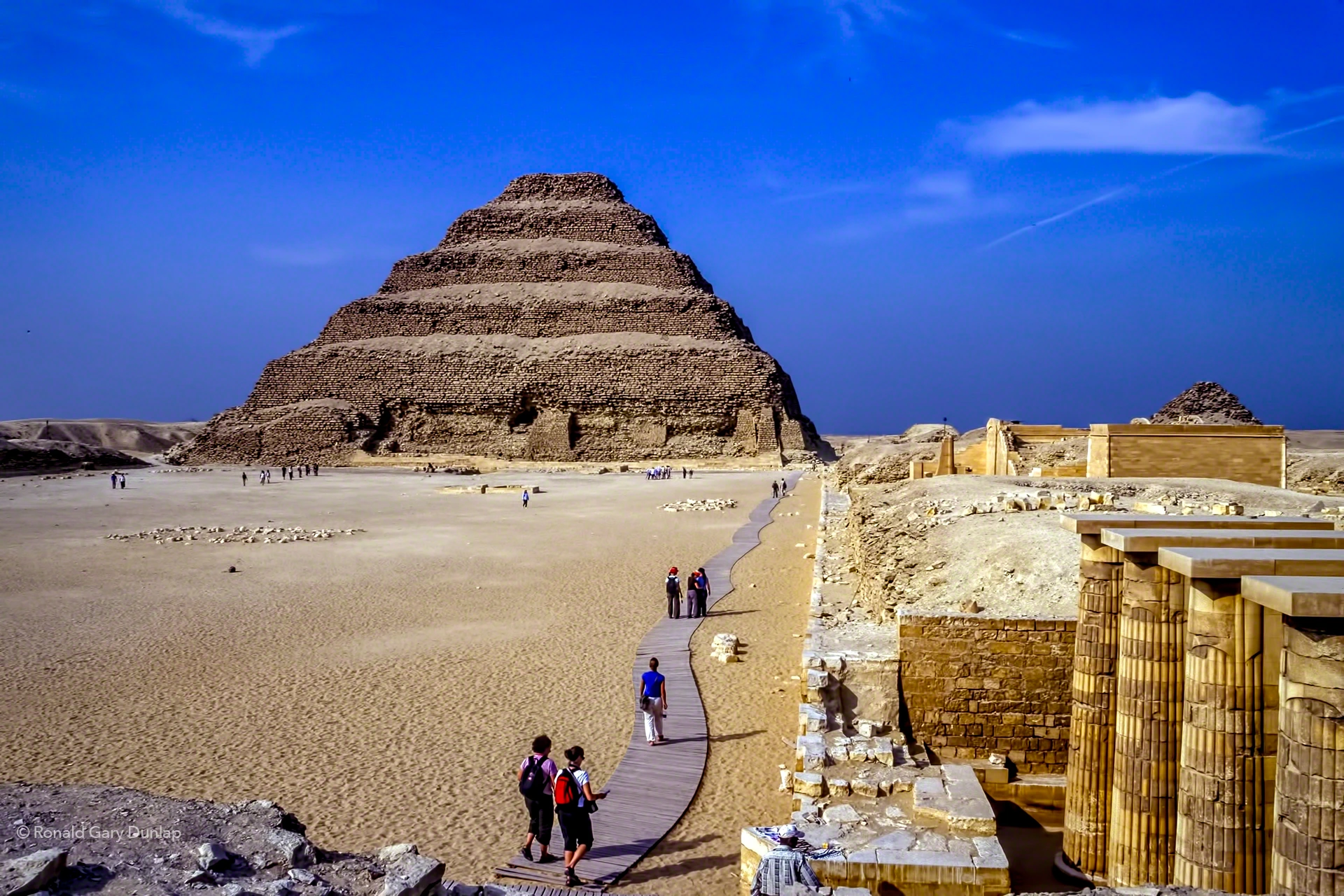

Saqqara & Memphis: Birthplace of Ancient Egypt Tour
Start From

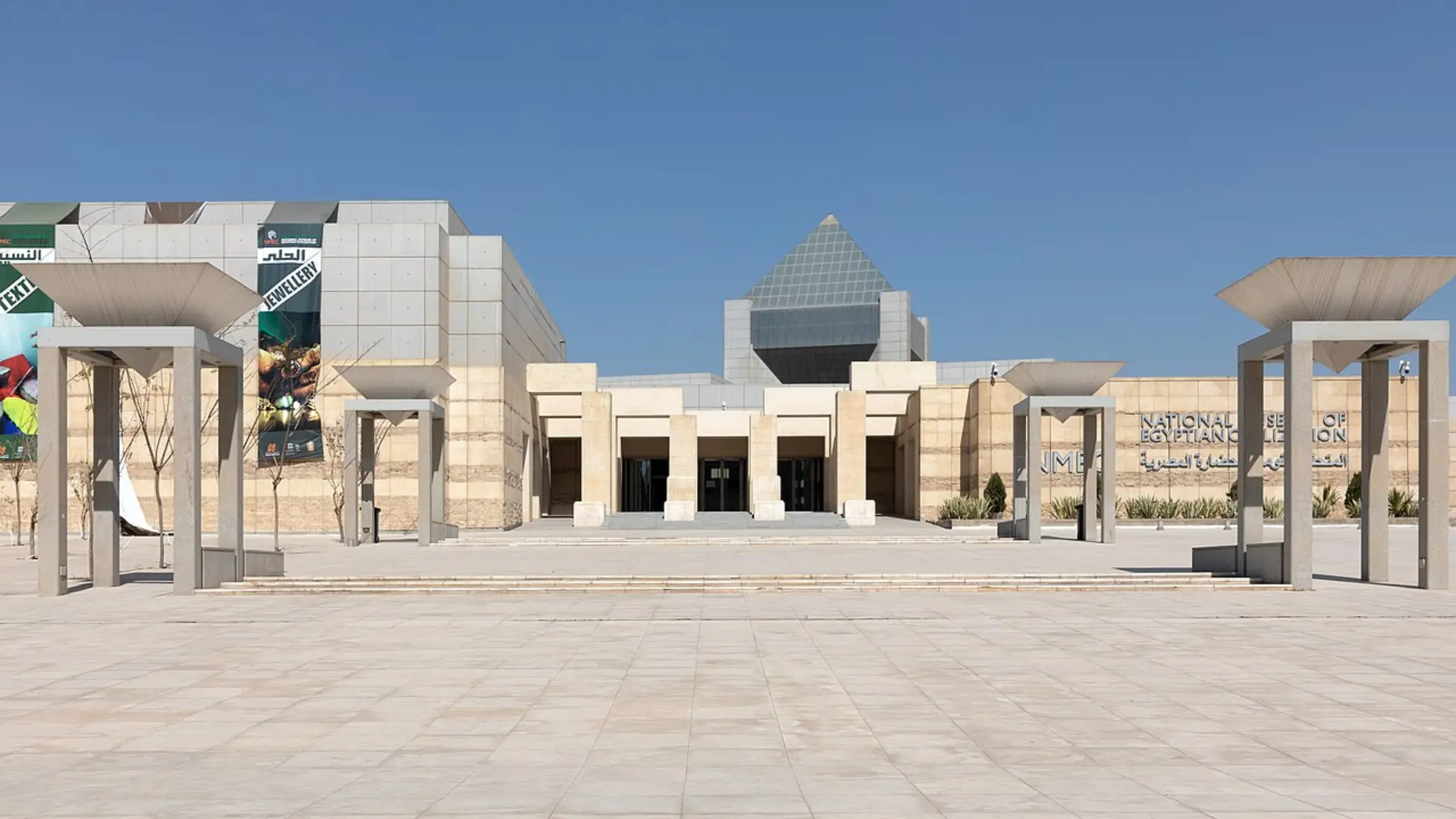
NMEC Museum & Old Cairo Heritage Tour
Start From


Pyramids Day Trip from Hurghada by Air
Start From

Hurghada to Cairo, Abu Simbel & Luxor Tour
Start From
Egypt Tour Packages Including Cairo
Complete trips with hotels, transfers and guided sightseeing that take you to Cairo.


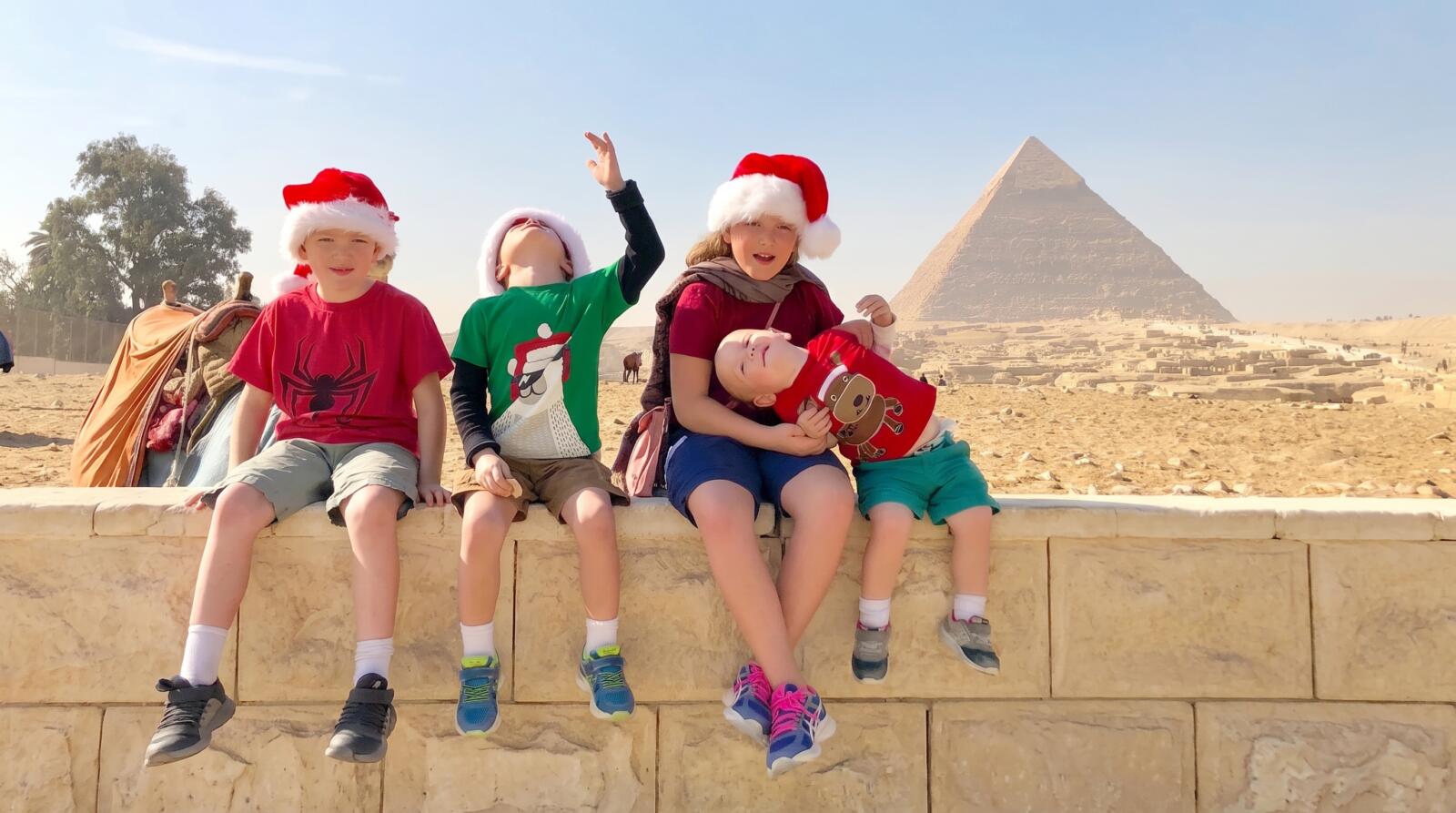
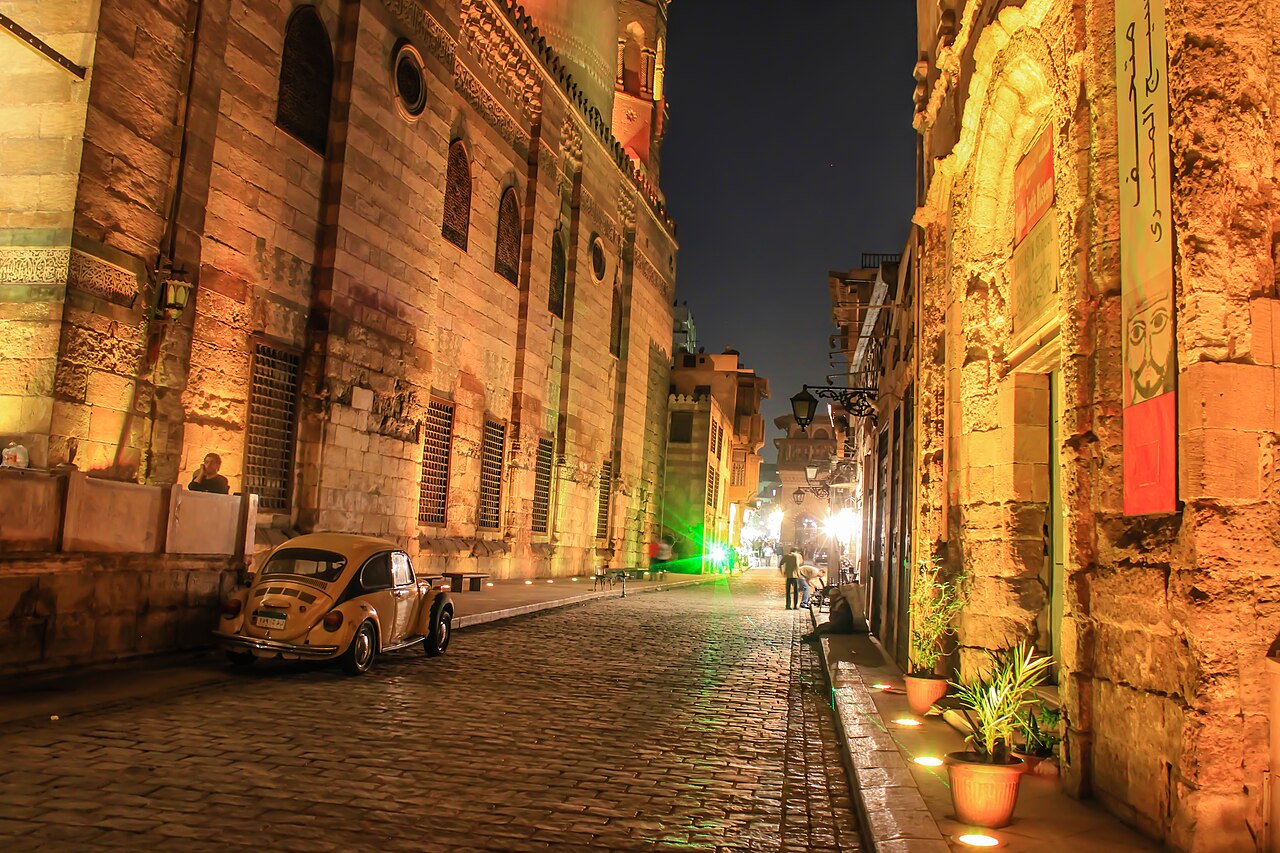


Cairo & Alexandria Meditrranean Escape
Start From
6-Day Cairo, Alexandria and Siwa Oasis Adventure
Start From