Nubian Cultural Festival — Aswan
- 17:00
Nubian Cultural Festival — Aswan
Celebrate one of Africa's richest cultures — Nubian music, colorful villages, ancient traditions, and the warmth of Nubian hospitality on the banks of the Nile at Aswan.
What Actually Happens
Nubian culture survives in the villages on the west bank at Aswan — Gharb Soheil and Elephantine Island — where houses are painted in blues and ochres and the language is still spoken daily.
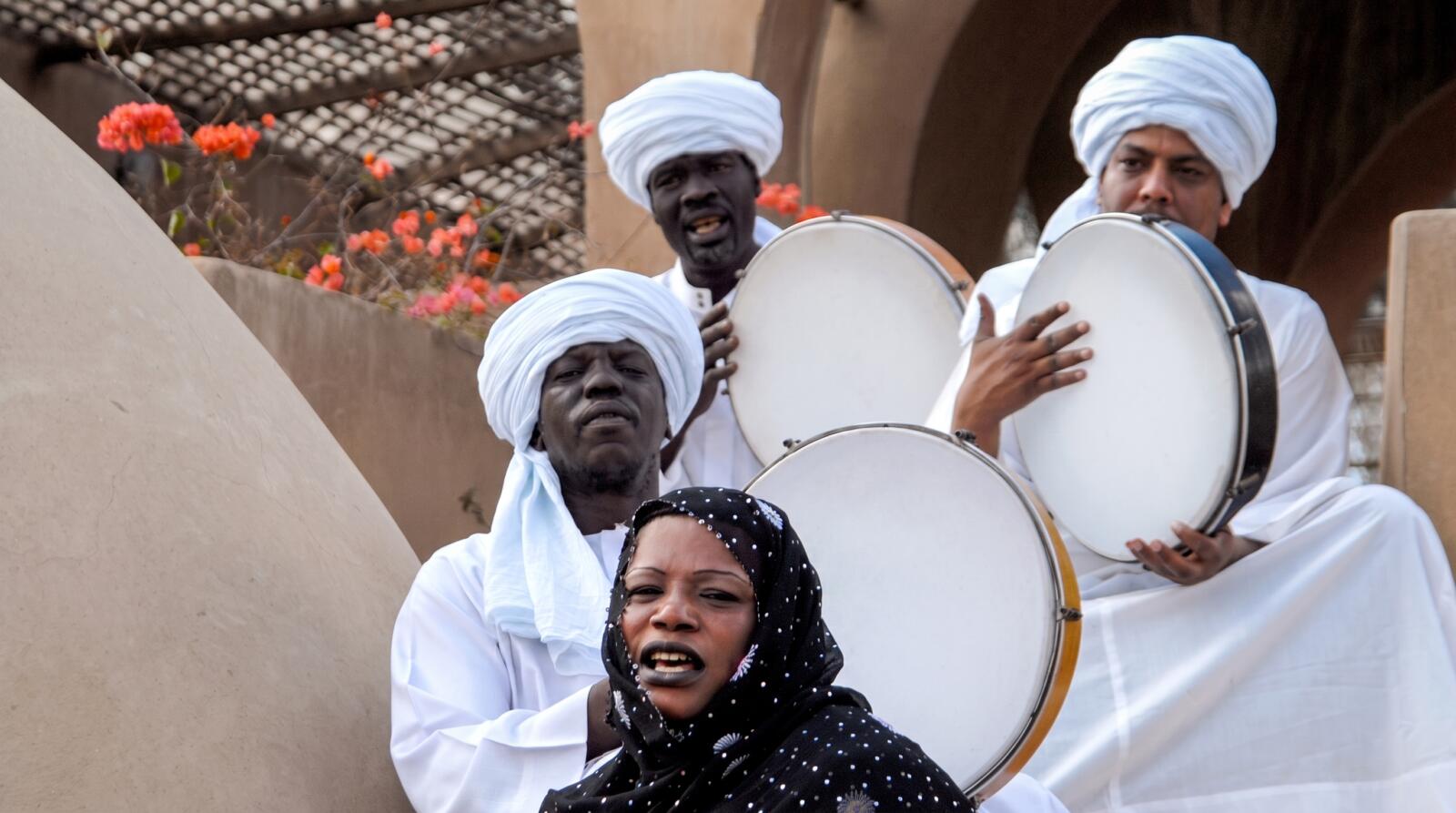
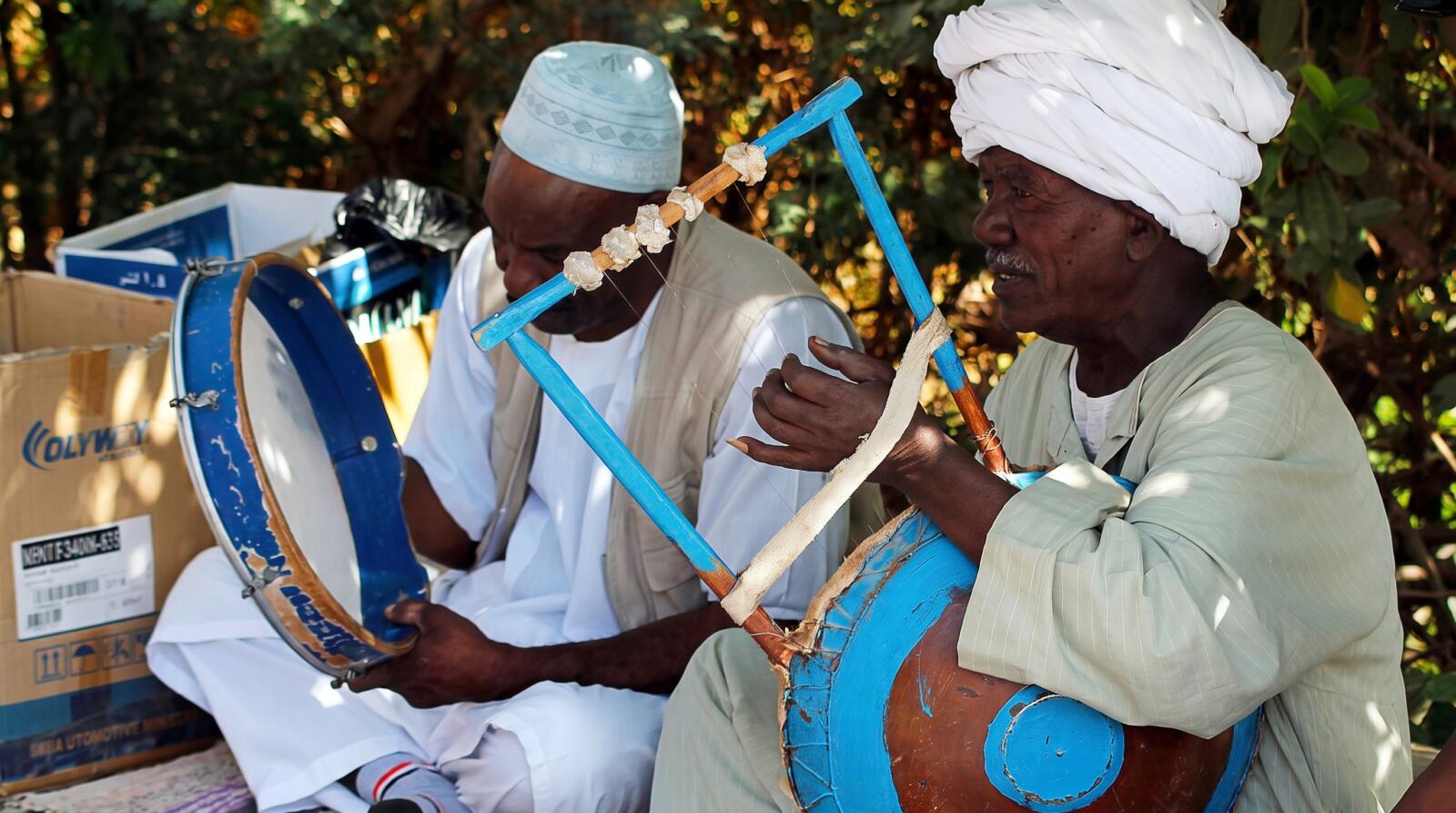
The festival brings the music out into the open: hand drums, the tar frame drum, call-and-response singing and dancing that goes on long after dark.
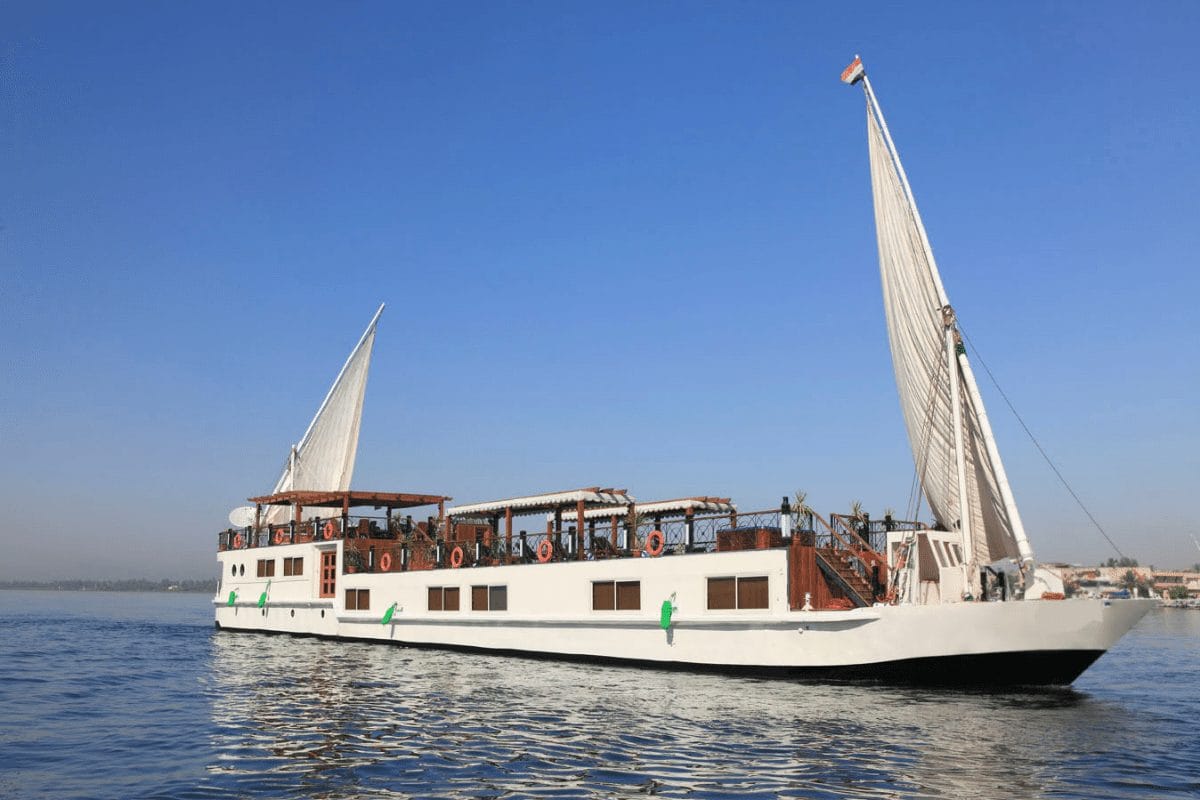
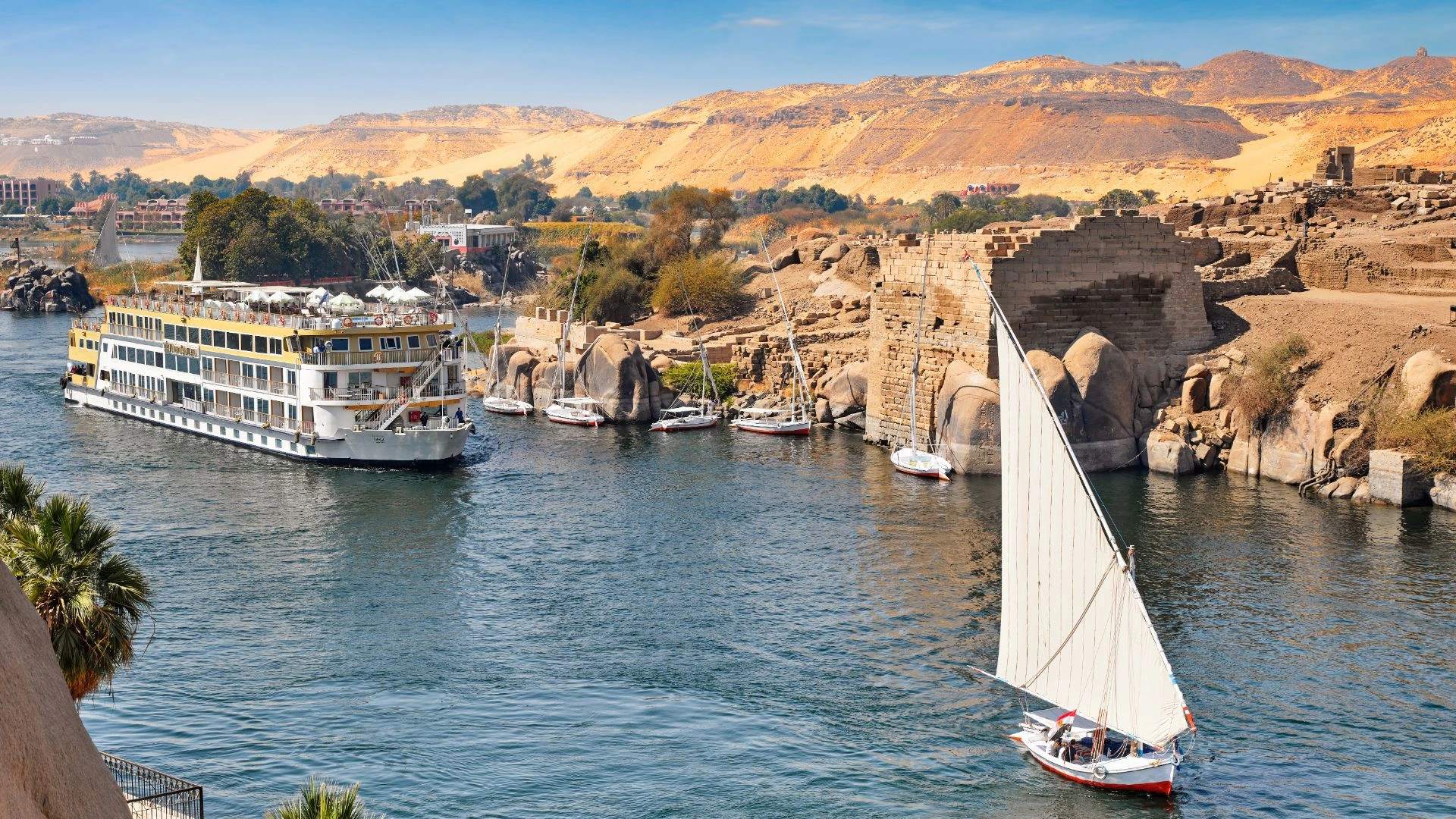
Getting there is half of it. You cross by felucca, and the villages face the water with the desert rising behind them.
Historical Background
Nubia stretched along the Nile from Aswan into what is now Sudan, and its kings ruled Egypt as the 25th Dynasty in the 8th century BC.
The building of the Aswan High Dam in the 1960s flooded much of historic Nubia. More than 100,000 Nubians were resettled, and communities around Aswan became the centre of efforts to hold on to the language, music and building traditions.
The Nubian Museum in Aswan, opened in 1997 with UNESCO support, records what was lost and what survived.
Key Highlights
Day Schedule
Practical Information
Insider Tips
Agree the felucca price before you board — round trip including waiting time.
Bring small notes. Village shops and tea houses do not take cards.
Ask before photographing people or inside houses. Most will say yes, and it changes the encounter.
Evenings on the river are cold in winter — bring a layer even in February.
The Nubian Museum in Aswan is worth an hour before you cross over.
How to Get There
See It for Yourself
Day Tours Around Aswan
Make the most of your visit with a guided day out in Aswan.


Abu Simbel & Nubian Village Day Tour
Start From


Aswan Highlights: Philae Temple & High Dam Tour
Start From


Hurghada to Cairo, Abu Simbel & Luxor Tour
Start From
Egypt Tour Packages Including Aswan
Complete trips with hotels, transfers and guided sightseeing that take you to Aswan.

Romantic Egypt: Cairo & Nile Cruise Honeymoon
Start From


Egypt VIP Luxury Experience: Cairo & Nile Cruise – 7 Days
Start From