
Abu Simbel Sun Festival — February
- 07:15
Abu Simbel Sun Festival — February
The sun pierces 65 meters into Ramses II’s temple to illuminate his statue for exactly 20 minutes — on the anniversary of his coronation. A phenomenon 3,200 years in the making.
What Actually Happens
On February 22nd, as dawn breaks over Lake Nasser, an extraordinary sight unfolds that has not changed in 3,200 years. The rising sun begins to travel down a 65-meter corridor carved into solid sandstone rock, gradually penetrating deeper into darkness until — at precisely 7:15 AM — golden light floods the innermost sanctuary.
For exactly twenty miraculous minutes, the statues of Pharaoh Ramses II, Ra-Horakhty (the sun god), and Amun-Ra (king of the gods) are bathed in blazing light. The fourth statue — Ptah, the god of darkness and the underworld — deliberately remains in shadow, exactly as the ancient architects intended.
This is not a coincidence. Ancient Egyptian architects calculated the precise angles, depths, and orientations of this 200-foot rock-cut temple so that light would illuminate the sanctuary on exactly two days of the year: February 22nd (the anniversary of Ramses’ coronation) and October 22nd (his birthday). The precision rivals modern engineering.
After the temple was relocated in the 1960s to save it from rising waters of the Aswan Dam — in what UNESCO called the most ambitious cultural rescue operation in history — the alignment shifted by one day. Yet the phenomenon remains breathtaking.
Historical Background
Ramses II, who ruled Egypt for 66 years (1279–1213 BC), commissioned Abu Simbel as both a monument to his military victory at the Battle of Kadesh and a declaration of his divine status. The four colossal statues at the entrance — each 20 meters tall — depict Ramses himself.
The temple was carved into a sandstone cliff on the west bank of the Nile, near what is now the Sudan border. For centuries after Ramses’ death, sand gradually buried the temple. It was rediscovered by Swiss explorer Johann Ludwig Burckhardt in 1813.
In 1964, as the Aswan High Dam threatened to submerge the site forever, an international effort led by UNESCO dismantled the entire temple — cutting it into 2,000 blocks each weighing up to 30 tons — and reassembled it 65 meters higher and 200 meters from its original location. The $40 million operation took four years and involved engineers from 50 countries.
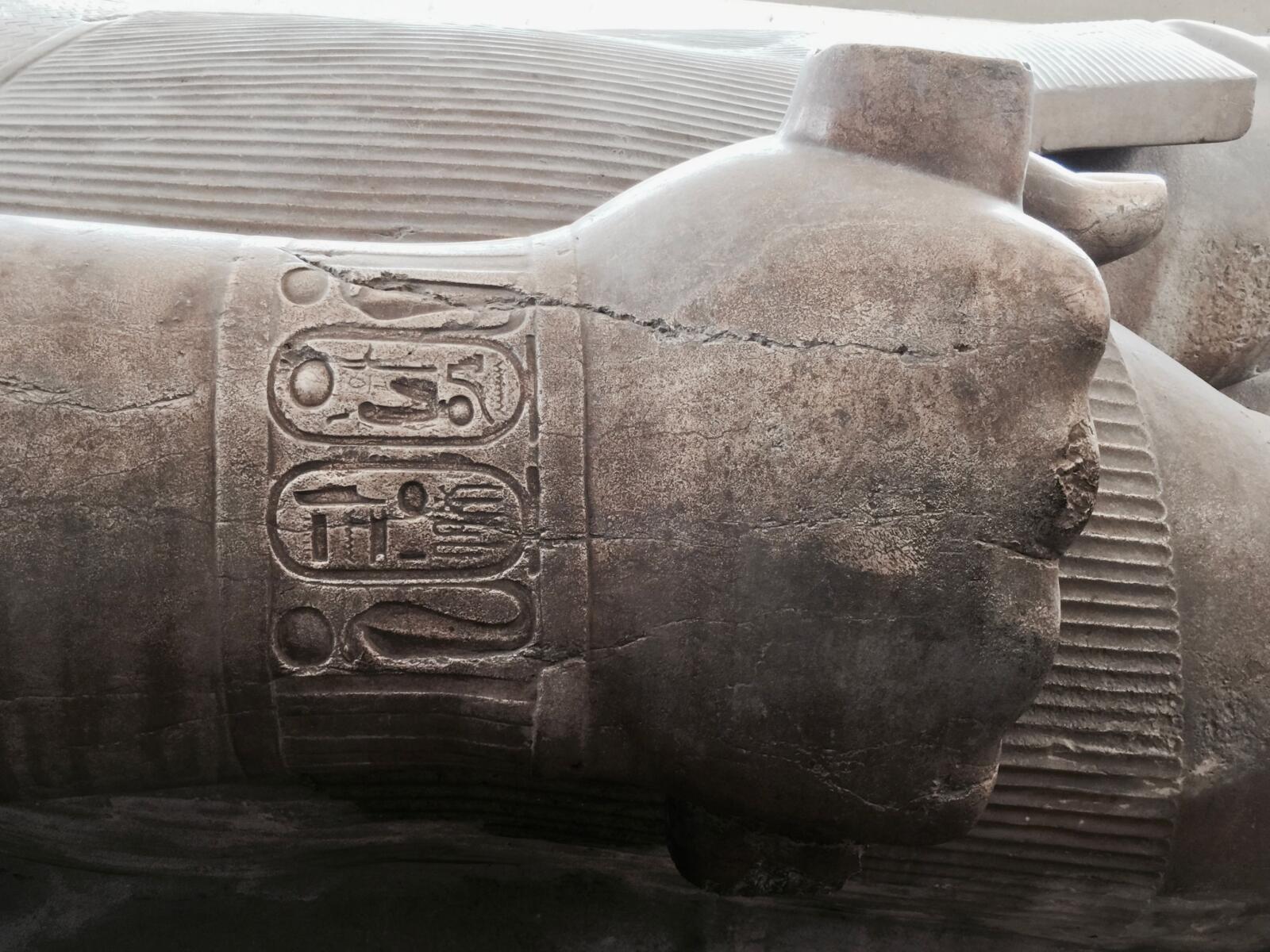
Key Highlights
Day Schedule
What's Included
Practical Information
Insider Tips
Arrive by 3:00 AM to secure a front position. Late arrivals may not get inside the temple during the alignment.
Bring warm layers — desert temperatures at 3-4 AM can be near 10°C (50°F), even in February.
Carry at least 2 liters of water. The site is remote and supplies are limited.
Fully charge your camera and phone. Bring extra batteries — cold temperatures drain batteries faster.
Bring Egyptian pounds in cash for the entrance fee and souvenir market.
Consider staying overnight in Abu Simbel to avoid the 3 AM wake-up from Aswan.
Egypt Air operates a 45-minute morning flight from Aswan to Abu Simbel for those who prefer to fly.
Photography is permitted inside the temple. Flash photography may be restricted — check current rules at entrance.
How to Get There
See It for Yourself
Day Tours Around Abu Simbel
Make the most of your visit with a guided day out in Abu Simbel.


Abu Simbel & Nubian Village Day Tour
Start From


Hurghada to Cairo, Abu Simbel & Luxor Tour
Start From
Egypt Tour Packages Including Abu Simbel
Complete trips with hotels, transfers and guided sightseeing that take you to Abu Simbel.

Egypt Honeymoon Grand Romance
Start From

Romantic Egypt: Cairo & Nile Cruise Honeymoon
Start From
Egypt VIP Luxury Experience: Cairo & Nile Cruise – 7 Days
Start From




