Summary
Deepening your connection to the Land of the Pharaohs begins with embracing the timeless pillars of Egyptian hospitality and respect. Understanding Egypt culture and etiquette before you travel transforms your journey from a simple sightseeing trip into a genuinely immersive, human experience.
This ultimate guide highlights the key social customs you need to know. We cover everything from using the right hand for greetings and gifts to adopting a modest dress code in cities and sacred religious sites.
By remaining mindful of the country’s deeply rooted religious traditions, you move beyond the role of tourist into the heart of one of the world’s oldest living civilisations. To master Egypt culture and etiquette, one must first approach it with a willing heart. At Top Class Egypt Travel, we believe that these small gestures of cultural awareness are the true key to an enriching holiday, especially when planning memorable Egypt family holidays.
Social Etiquette: The Foundation of Connection
The foundation of Egypt culture and etiquette begins with everyday human interaction. In Egypt, social relationships are built on a bedrock of warmth, generosity, and mutual respect. These values are expressed through language, gesture, and the simple rituals of daily greeting.
The Ultimate Egypt Culture and Etiquette Tips Every Traveller Should Know
Opening any interaction with the traditional Islamic greeting “As-salamu Alaykum” — meaning “Peace be upon you” — immediately establishes a powerful rapport with locals. It demonstrates genuine cultural awareness. Egyptians are extraordinarily hospitable people, and this simple gesture of respect is received with warmth wherever you go.
Always use your right hand when greeting, eating, or offering and receiving gifts. The left hand is traditionally considered unclean in Egyptian culture, and this is an Egypt customs and traditions detail that is universally observed.
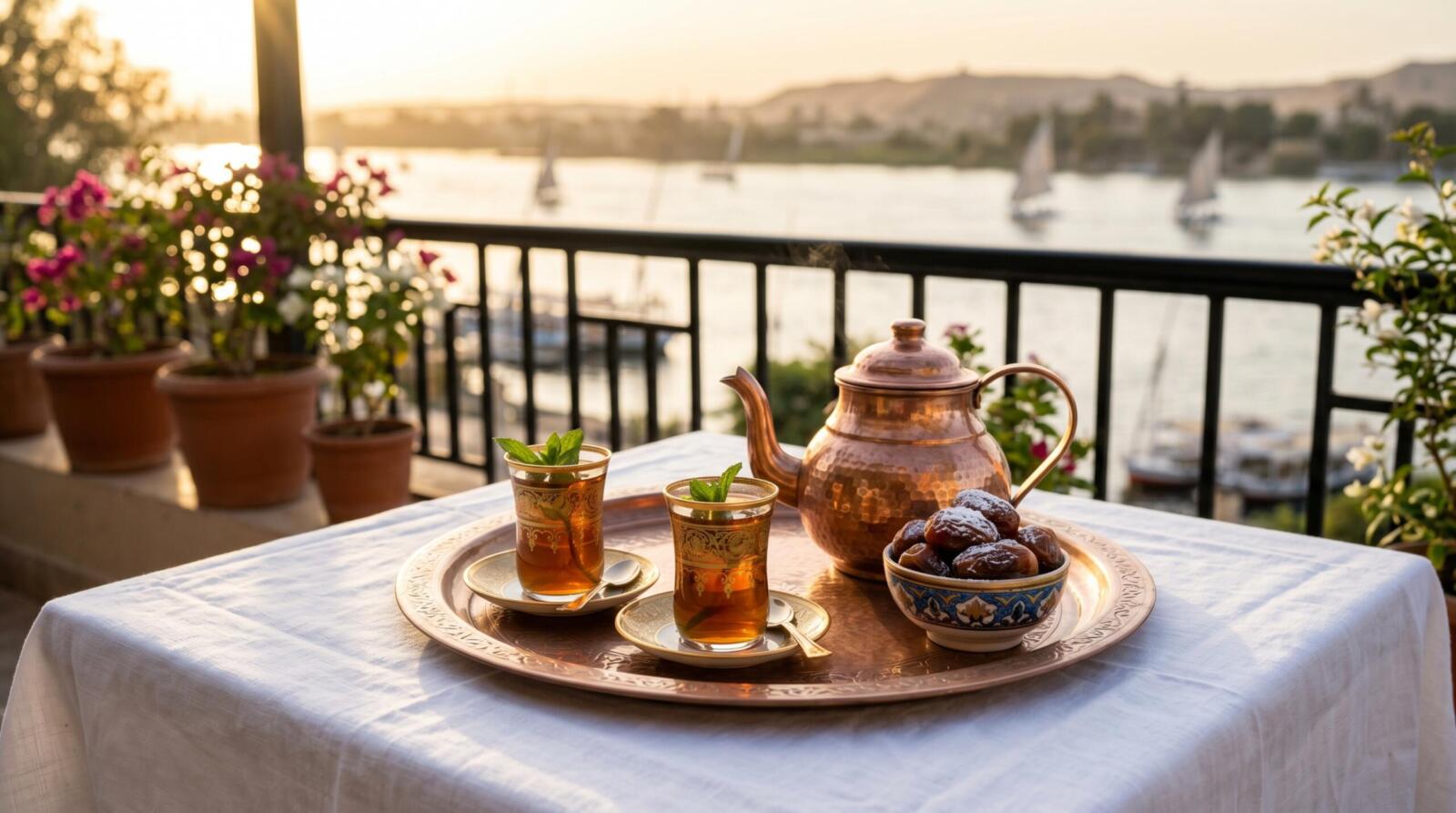
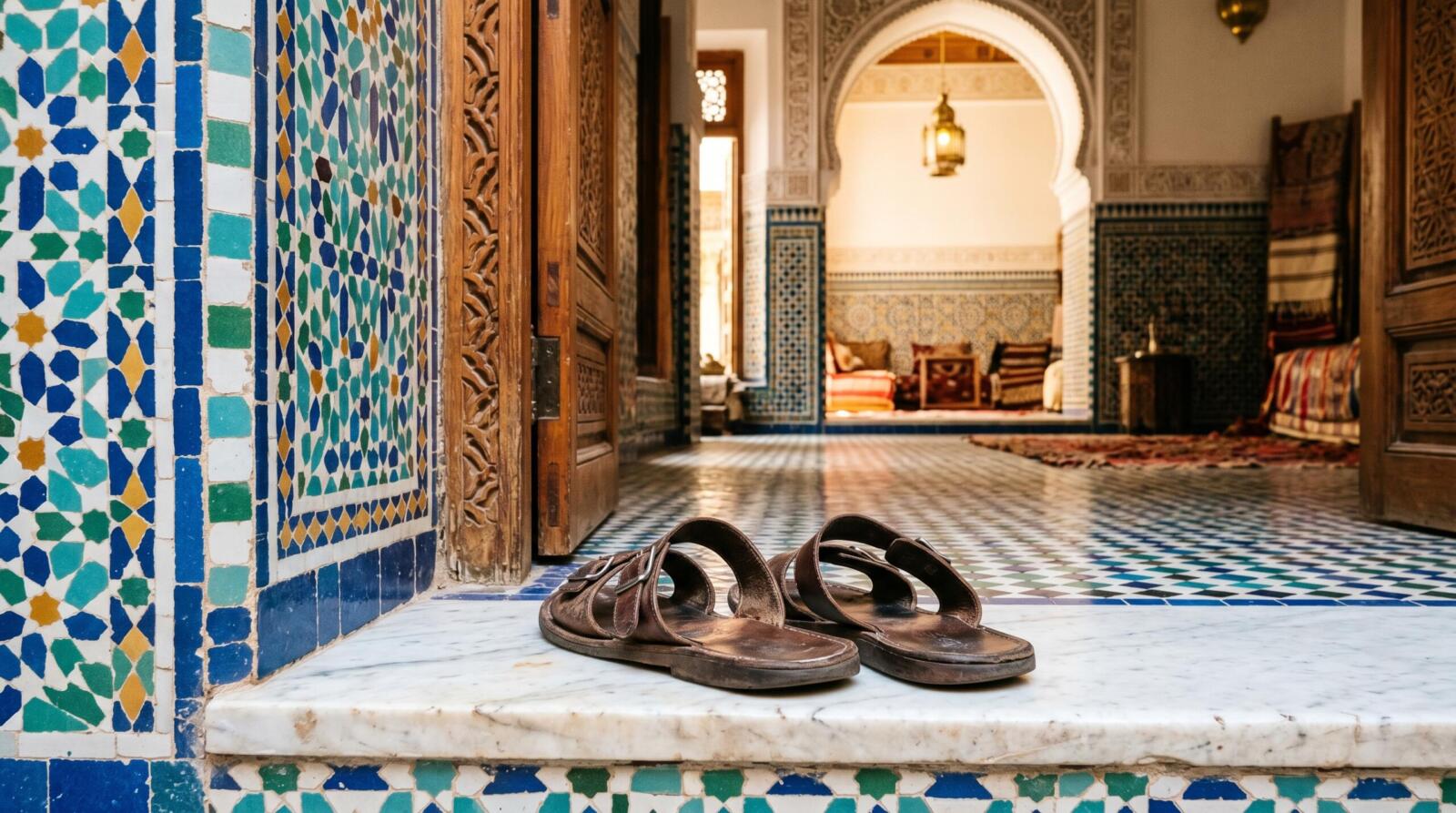
When entering private homes or religious sites, be prepared to remove your shoes as a mark of respect. Acceptance of hospitality is another powerful act of cultural connection. Refusing an offer of tea or coffee can be perceived as dismissive, while accepting it opens doors to genuine conversation. For more broad insights on planning your trip, our comprehensive Egypt travel guide is an excellent starting point. You can also read about global cultural norms on resources like Commisceo Global’s Egypt Guide for deeper anthropological context.
Dress Code: Navigating Modesty with Style
One of the most practical aspects of Egypt culture and etiquette is navigating the dress code. Egypt travel etiquette guide essentials extend naturally to the way you dress. Understanding this is one of the most important Egypt cultural tips for tourists visiting the country for the first time.
While Egypt is an extraordinarily welcoming and cosmopolitan destination, it remains a proudly conservative society. Modest dress is universally understood as a sign of genuine respect.
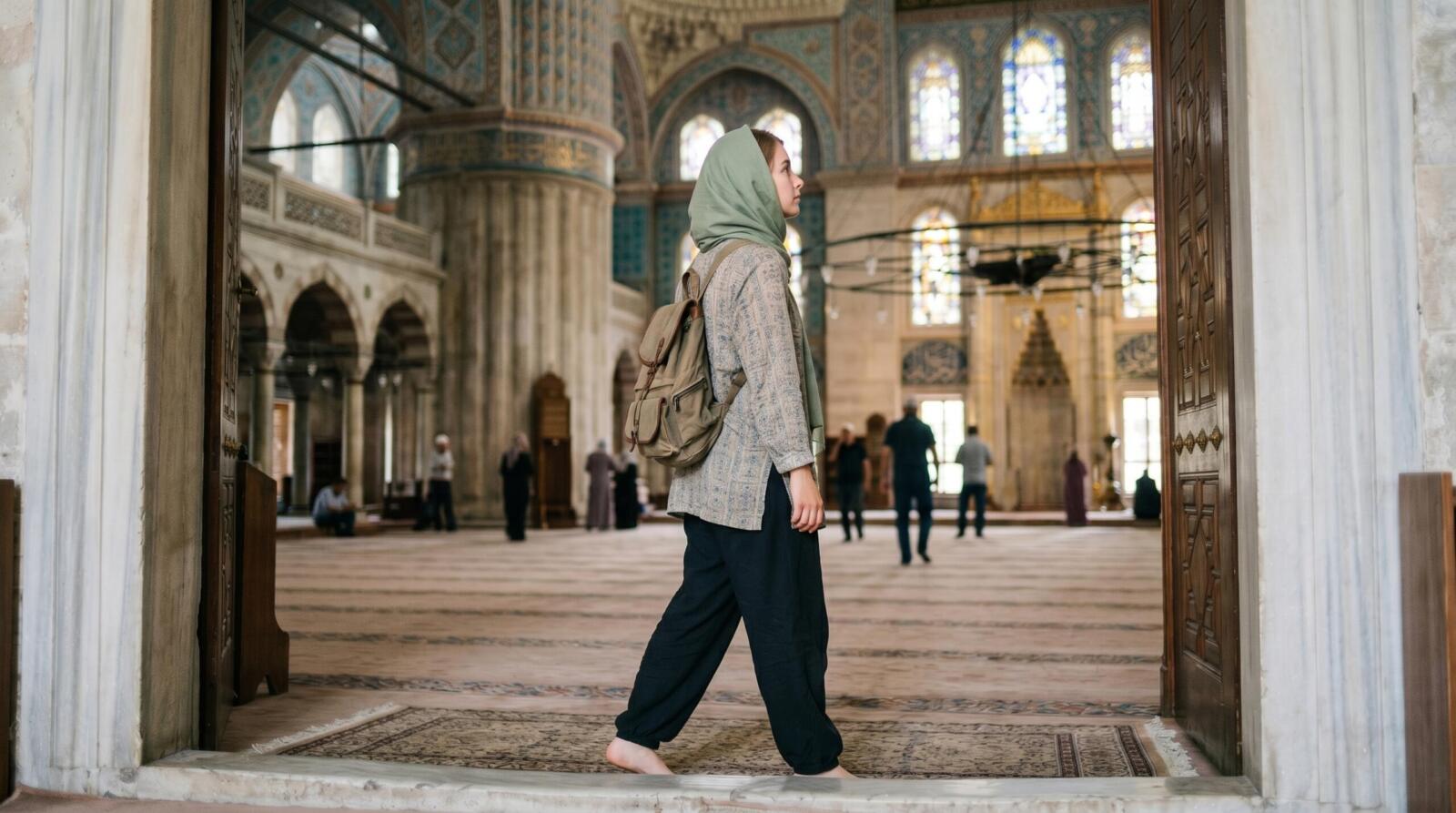
In major cities like Cairo and Alexandria, and specifically inside mosques, Coptic churches, and ancient religious monuments, both men and women should ensure that shoulders and knees are covered. For women, a lightweight scarf or pashmina carried in a day bag is an invaluable tool. It provides instant, graceful coverage whenever it is needed, without compromising on personal style.
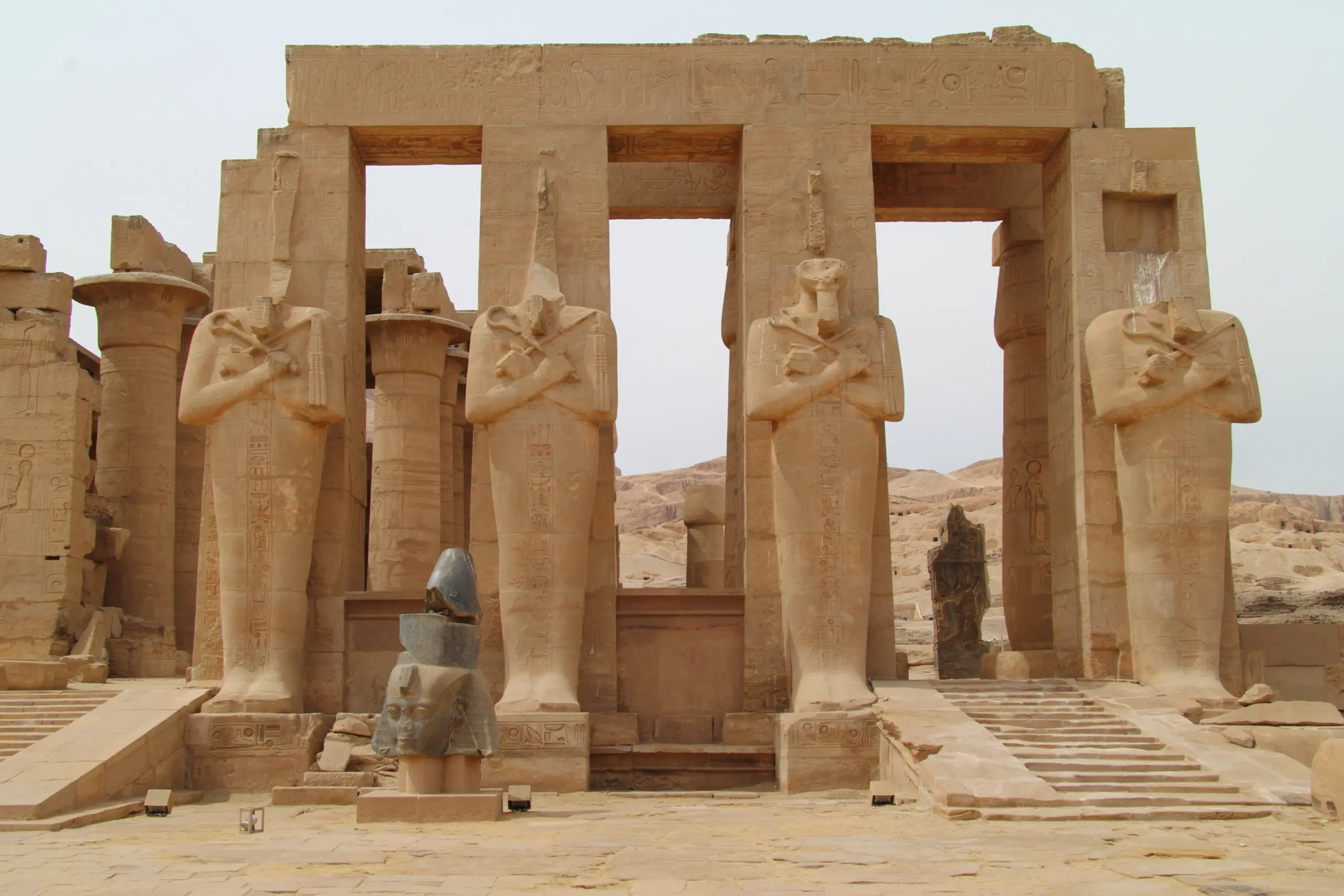
When exploring various Egypt attractions, you will find that locals deeply appreciate visitors who dress thoughtfully. Within the private grounds of Red Sea resorts, standard beachwear is perfectly appropriate and widely accepted.
The key principle of Egypt culture and etiquette when it comes to dress is simple: adapt thoughtfully to your environment. Egypt’s dress code is less a restriction and more an invitation to engage more deeply with the culture. If you have specific concerns before packing, you can always check our traveler FAQs for practical advice. For a wider perspective on visiting conservative religious sites, the Ministry of Tourism and Antiquities offers practical, real-world advice.
8-Day Cairo, Siwa and White & Black Desert Adventure
Planning the trip itself? Start here.
View This TripReligious Mindfulness: Respecting Local Traditions
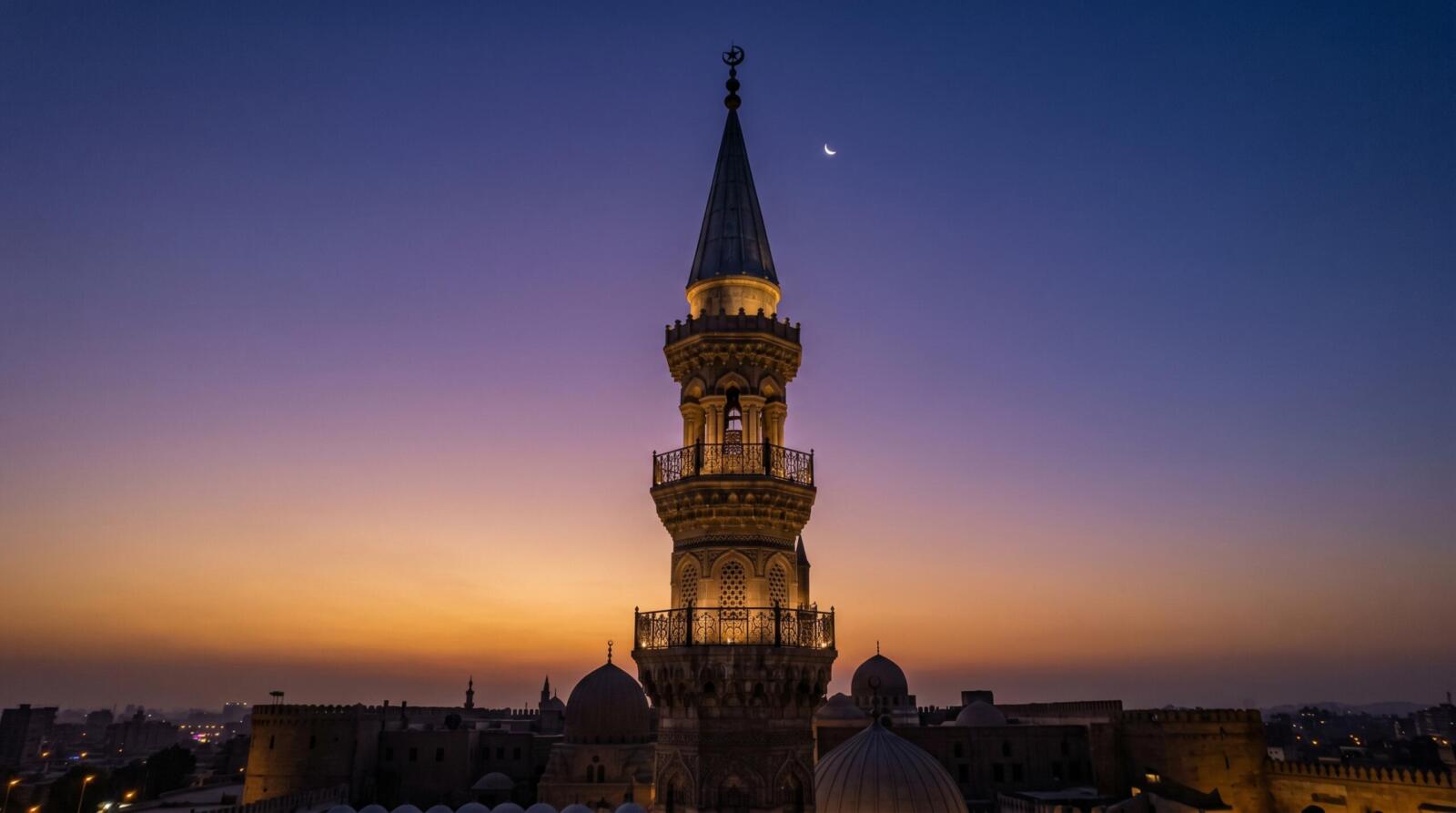
Religious mindfulness is central to Egypt culture and etiquette. At the very heart of Egypt customs and traditions is the Islamic faith. It is a living, daily presence that shapes the rhythm of Egyptian life in ways that are beautiful, profound, and entirely accessible to the mindful traveller.
Islam is not a background detail of life in Egypt; it is the melody that runs through every day. Understanding this is the foundation of genuine Egypt travel etiquette.
The Adhan — the Call to Prayer — sounds five times daily from the minarets of Egypt’s thousands of mosques. Rather than experiencing it as an interruption, embrace it as one of the most atmospheric sounds you will encounter. During prayer times, it is considered respectful to lower your voice near mosques.
During the holy month of Ramadan, being mindful of those who are fasting is a thoughtful gesture that is deeply appreciated. Avoiding eating, drinking, or smoking openly in public spaces during daylight hours shows great respect, even though restaurants remain fully open for international travellers.
Ramadan is also one of the most vibrant times to visit Egypt. The post-sunset Iftar meal transforms the streets into celebrations of food, family, and faith. For more details on the culinary aspects of Egyptian traditions, explore our Egypt food & culture insights.
Understanding Egypt culture and etiquette around religious life is about earning the deep trust and genuine friendship of the Egyptian people. Travellers who approach this with curiosity and respect consistently describe their Egyptian experience as transformative. To read more ongoing stories and updates about travelling respectfully, keep an eye on our blog and latest news. Additionally, BBC Travel often features beautiful pieces on experiencing Egyptian heritage respectfully.