





 Cruise Ship
 Attraction
 Attraction
 Attraction
 Attraction
 Attraction
 Attraction
Testimonials
Our Clients Reviews
See what our happy travelers say about us
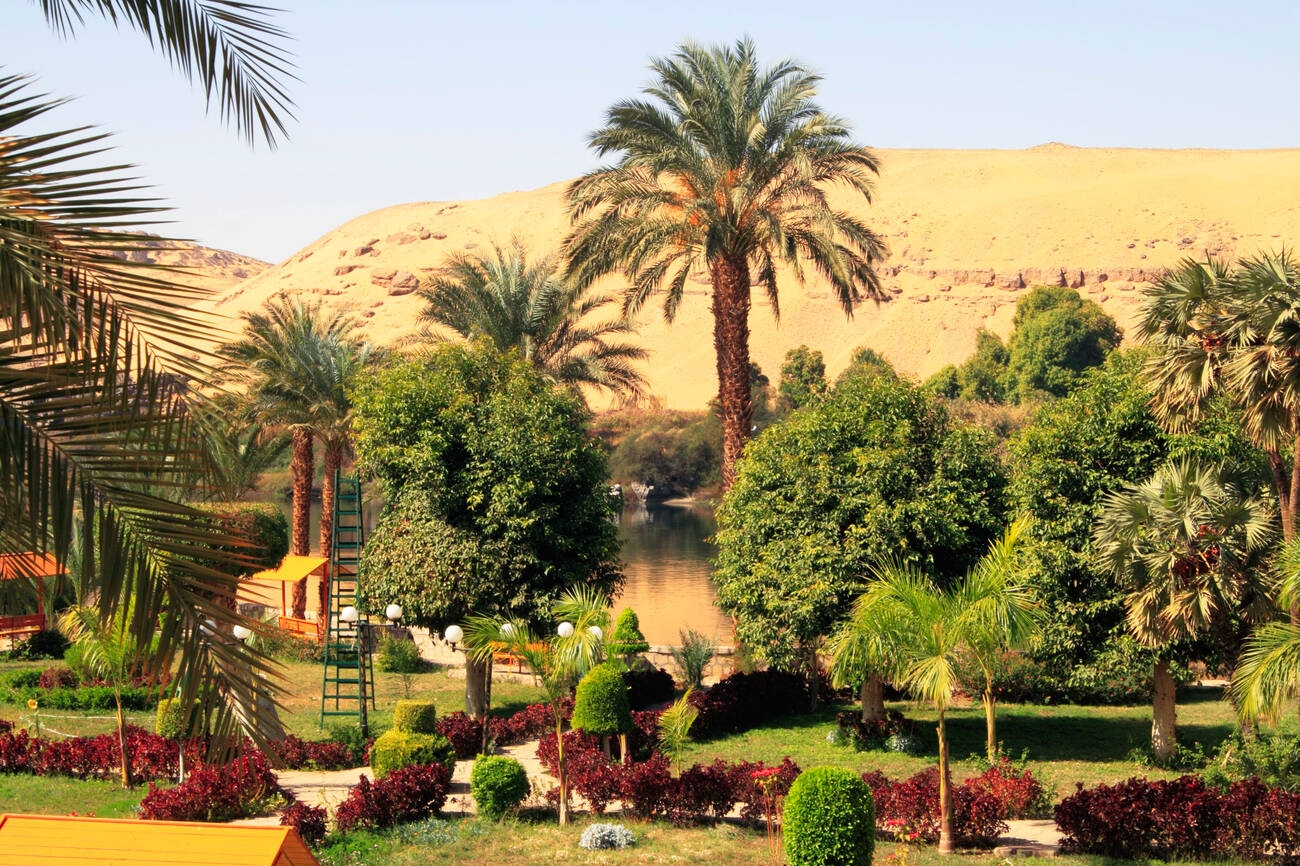
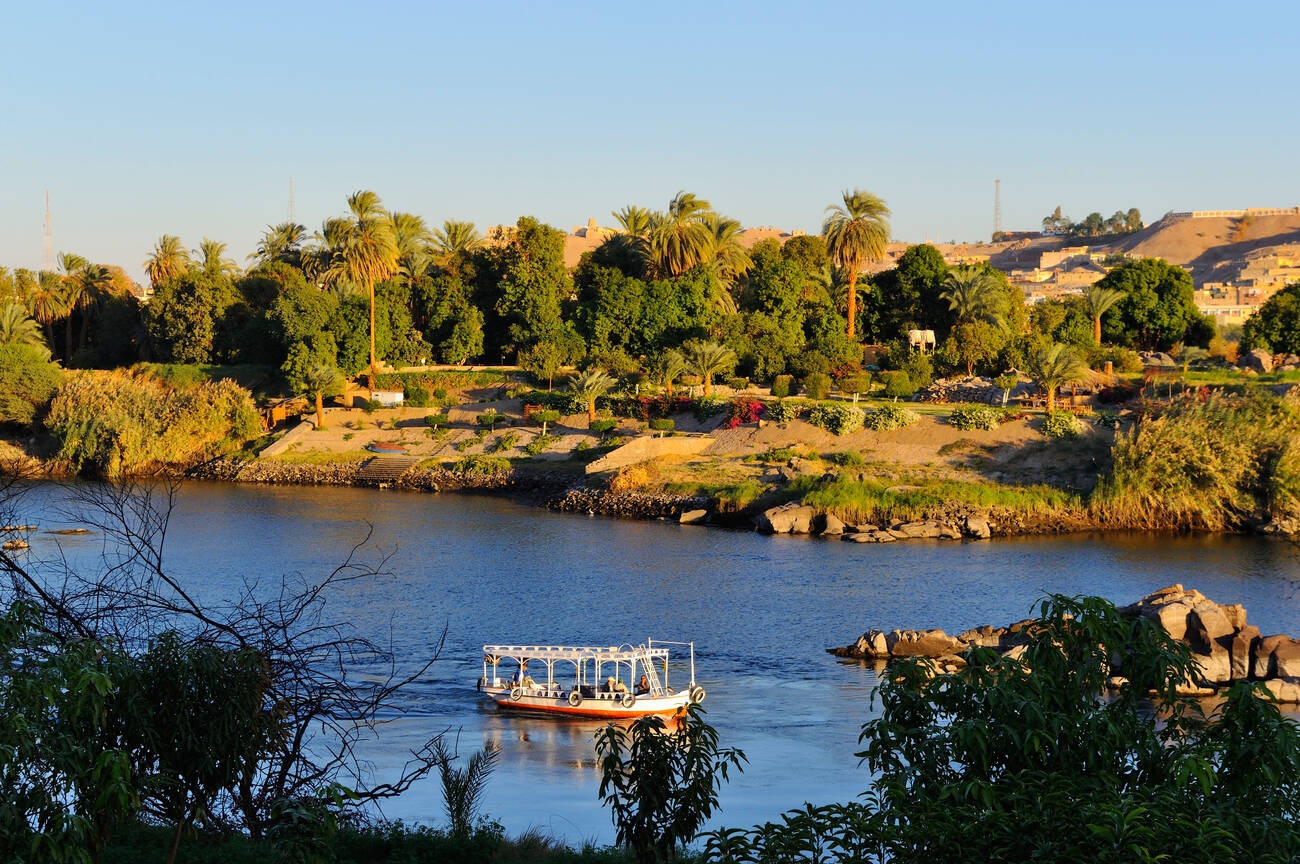
Officially Geziret al-Nabatat, ‘Island of Plants’ — is a small island in the Nile at Aswan, covered by a botanical garden established in the early 20th century and maintained today as one of the most pleasant green spaces in Upper Egypt. The island is accessed by a short felucca or motorboat ride from the Aswan Corniche, and its quiet shaded paths, exotic tropical plantings, and Nile views make it a genuinely refreshing contrast to the heat and dust of Aswan’s city and monument circuit.
The garden was originally developed by Lord Kitchener — the British commander who had conquered Sudan in the 1890s and was given the island as a personal gift — who used it to indulge his passion for exotic plants, importing specimens from across the British colonial world: palms from India and Africa, tropical trees from the Americas, spice plants from Asia, and flowering shrubs from the Mediterranean. The collection now numbers hundreds of species and includes impressive specimens of large tropical trees that have had over a century to mature.
The island is at its most beautiful in the early morning and late afternoon when the light filters through the palm canopy and the surrounding Nile reflects the garden’s green. The combination of the botanical interest, the island setting, and the felucca journey to reach it makes Kitchener’s Island one of Aswan’s most consistently enjoyable visitor experiences — accessible to all ages and requiring no particular cultural or historical knowledge to appreciate.
The island was granted to Field Marshal Horatio Herbert Kitchener (1850–1916) after his successful campaign to recapture Sudan from the Mahdist forces in 1896–1898 and his appointment as Governor-General of Sudan. Kitchener developed a genuine passion for horticulture during his years in Egypt and Sudan and used the island to create a botanical garden drawing on plant material from across the British Empire’s tropical territories.
After Kitchener left Egypt, the island was transferred to the Egyptian Ministry of Agriculture, which continued to develop and maintain the botanical collection. During the British colonial period the island was a popular recreational destination for expatriate Europeans in Aswan, and it retained its character as a genteel green escape through the Egyptian post-independence period.
The island today is managed by the Aswan governorate and maintains its character as a public botanical garden. The mature tropical trees planted by Kitchener over a century ago — now enormous specimens — give the island its distinctive shaded character and distinguish it from more recently established gardens elsewhere in Egypt.
Mature tropical trees over a century old — palms, fig species, tropical hardwoods, and flowering trees from multiple continents — creating a dense shaded canopy unique in Upper Egypt.
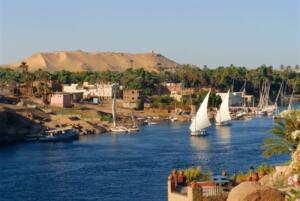
Views from the island's shores across the Nile to Elephantine Island, the desert hills, and the Aswan skyline — particularly beautiful in the early morning and at sunset.
The short felucca or motorboat ride from the Corniche to reach the island — a brief but atmospheric Nile journey that adds to the sense of arriving at a secluded green sanctuary.
Hundreds of labeled tropical and subtropical plant species from multiple continents — of particular interest to visitors with a botanical inclination, with information panels at key specimen trees.
Packages travelling to Aswan, where Kitchener’s Island Botanical Garden is located.


Start From

Start From

See what our happy travelers say about us



