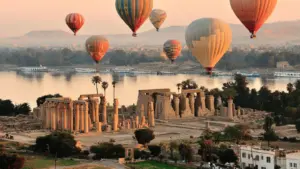
The Karnak Temple Complex is one of the most breathtaking and historically significant sites in Egypt. Located in Luxor, this vast complex of temples, chapels, pylons, and obelisks stands as a testament to the architectural brilliance and religious devotion of the ancient Egyptians. Visiting Karnak Temple offers travelers an unforgettable experience, with its towering columns, intricate carvings, and a history that spans over 2,000 years.
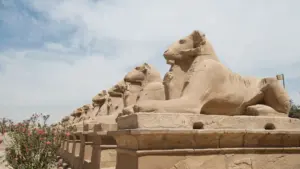
Karnak Temple has a history stretching back over four millennia. The site was originally a modest temple dedicated to the Theban triad of Amun-Ra, Mut, and Khonsu. Over time, successive pharaohs expanded and modified the complex, transforming it into the largest religious site in ancient Egypt. The temple flourished during the New Kingdom, as rulers such as Thutmose III, Hatshepsut, and Ramses II contributed monumental structures. Karnak remained a vital religious center until the decline of ancient Egyptian civilization and the rise of other religious influences. Today, it stands as an open-air museum of Egyptian architectural and artistic achievements. The construction of Karnak Temple was not the work of a single ruler but rather a long-term project spanning multiple dynasties. The earliest structures date back to the Middle Kingdom (around 2000 BCE), but the majority of the temple complex was built and expanded upon during the New Kingdom (1550-1070 BCE). Some of the most influential pharaohs associated with its construction include: Karnak Temple is one of the most impressive architectural achievements of ancient Egypt. The complex covers an area of about 200 acres and features numerous temples, courtyards, and monuments. Some of the most remarkable architectural elements include: One of the most famous sections of Karnak, the Great Hypostyle Hall is a massive structure covering 5,000 square meters. It features 134 gigantic sandstone columns, the tallest standing at 24 meters. These columns are adorned with intricate carvings of gods, pharaohs, and religious texts, giving visitors a glimpse into the grandeur of ancient Egyptian worship. This grand processional way once connected Karnak Temple to Luxor Temple. The avenue is lined with hundreds of sphinx statues, symbolizing protection and divine power. It was recently restored, allowing tourists to walk along the same path that ancient Egyptians used during religious festivals. The large rectangular Sacred Lake within the temple complex was used for purification rituals by priests. It remains one of the best-preserved parts of the temple and offers a picturesque spot for visitors to take in the temple’s ambiance. Karnak Temple once housed several massive obelisks, with only a few remaining today. The most famous one was erected by Hatshepsut, standing at 29.5 meters tall. Obelisks were symbols of power and devotion to the sun god Amun-Ra. The complex features numerous pylons, which are large entrance gates decorated with carvings of pharaohs making offerings to the gods. These pylons lead into vast courtyards where ceremonies and rituals were performed. The Karnak Temple is one of the most famous and awe-inspiring archaeological sites in the world, known for its immense size, architectural grandeur, and deep religious significance. As the largest religious complex ever built, it covers over 200 acres and was developed over a span of more than 2,000 years by numerous pharaohs, including Hatshepsut, Ramses II, and Seti I. The temple was primarily dedicated to Amun-Ra, the chief god of Thebes, but also included shrines and sanctuaries for other deities, making it a central place of worship in ancient Egypt. One of the most iconic features of Karnak is the Great Hypostyle Hall, a vast area filled with 134 colossal columns, some towering up to 23 meters (75 feet) high. These intricately decorated pillars, covered in hieroglyphs and carvings, create a breathtaking atmosphere, making the hall one of the most photographed and admired structures in Egypt. Another significant aspect of Karnak is the Avenue of Sphinxes, a 3-kilometer-long ceremonial road lined with ram-headed sphinx statues, which once connected Karnak to Luxor Temple and played a crucial role in the Opet Festival, an annual religious procession. Karnak also stands out for its sacred lake, which was used for purification rituals by priests, and for its towering obelisks, including the famous obelisk of Hatshepsut, one of the tallest in Egypt. The temple’s walls and pylons are adorned with detailed hieroglyphic inscriptions, narrating the victories, religious beliefs, and daily life of ancient Egyptian rulers. Additionally, the temple’s design incorporates celestial alignments, demonstrating the Egyptians’ advanced knowledge of astronomy and their connection between the gods and the stars. Today, Karnak continues to captivate visitors with its remarkable history and grandeur. The sound and light show at night brings its past to life, illuminating the temple with dramatic storytelling and colorful lights. Whether exploring its towering columns, sacred spaces, or ancient carvings, Karnak remains an extraordinary testament to Egypt’s rich cultural and religious heritage, drawing tourists, historians, and archaeologists from around the world. A visit to Karnak Temple is just the beginning of an unforgettable journey through the wonders of Luxor and Aswan. These cities are home to some of the most incredible ancient sites in the world, making them perfect destinations for history lovers and adventure seekers alike. Our Cairo Tours are designed to suit every traveler’s interests, offering personalized experiences that highlight the best of Egypt. From the iconic landmarks of Cairo to the breathtaking wonders of Luxor, Aswan, and the serene oases, we ensure a journey filled with discovery and excitement. At Top Class Egypt Travel, we specialize in curating extraordinary travel experiences that go beyond the ordinary. From the awe-inspiring pyramids of Giza to the vibrant bazaars of Cairo, our itineraries are crafted to immerse you in the rich tapestry of Egyptian history, culture, and natural beauty.
History of Karnak Temple


Who Built Karnak Temple?


Karnak Temple Architecture

1. The Great Hypostyle Hall
2. The Avenue of Sphinxes
3. Sacred Lake
4. The Obelisks of Karnak
5. Pylons and Courtyards

Why is the Karnak Temple so famous?


Visiting Karnak Temple


Request a Call


Our latest Posts


Discover Egypt in Style: Tailor-Made Holidays for Unforgettable Adventures
Frequently Asked Questions
Everything you need to know about traveling to Egypt
How can I book an Egypt day tour?
Booking through reputable tour operators or agencies is advisable. You can also book tours through the website www.topclassegypttravel.com or WhatsApp us at +201221029071.
Are guided tours necessary?
While you can explore some sites independently, guided tours often provide valuable historical and cultural insights. It's recommended to hire a guide for complex historical sites like the Pyramids.
What's the best time to visit Egypt?
Egypt's peak tourist season is from October to April when the weather is cooler. However, if you prefer fewer crowds and lower prices, consider visiting during the shoulder seasons.
What should I wear during the tours?
When visiting religious sites and conservative areas, it's respectful to dress modestly. Light, breathable clothing and comfortable shoes are recommended.
Is it safe to travel to Egypt?
Egypt has made substantial efforts to enhance the safety and security of tourists. While it's always important to stay informed and exercise caution, many travelers visit Egypt without any issues.
What draws travelers to Egypt?
Egypt's appeal lies in its rich history, featuring ancient sites dating back over 4,000 years, alongside captivating city resorts and pristine beaches. Your Egyptian journey promises the vacation of your dreams.
What are the transportation options?
When it comes to getting around Egypt, a taxi is often the fastest choice, particularly in Cairo. Alternatively, you can opt for the efficient metro system when roads are congested.
What languages are spoken in Egypt?
Arabic is the official language of Egypt, but most Egyptians in urban areas understand and speak some English. Professional tour guides offer guidance in English and other languages.
What are the best activities to enjoy?
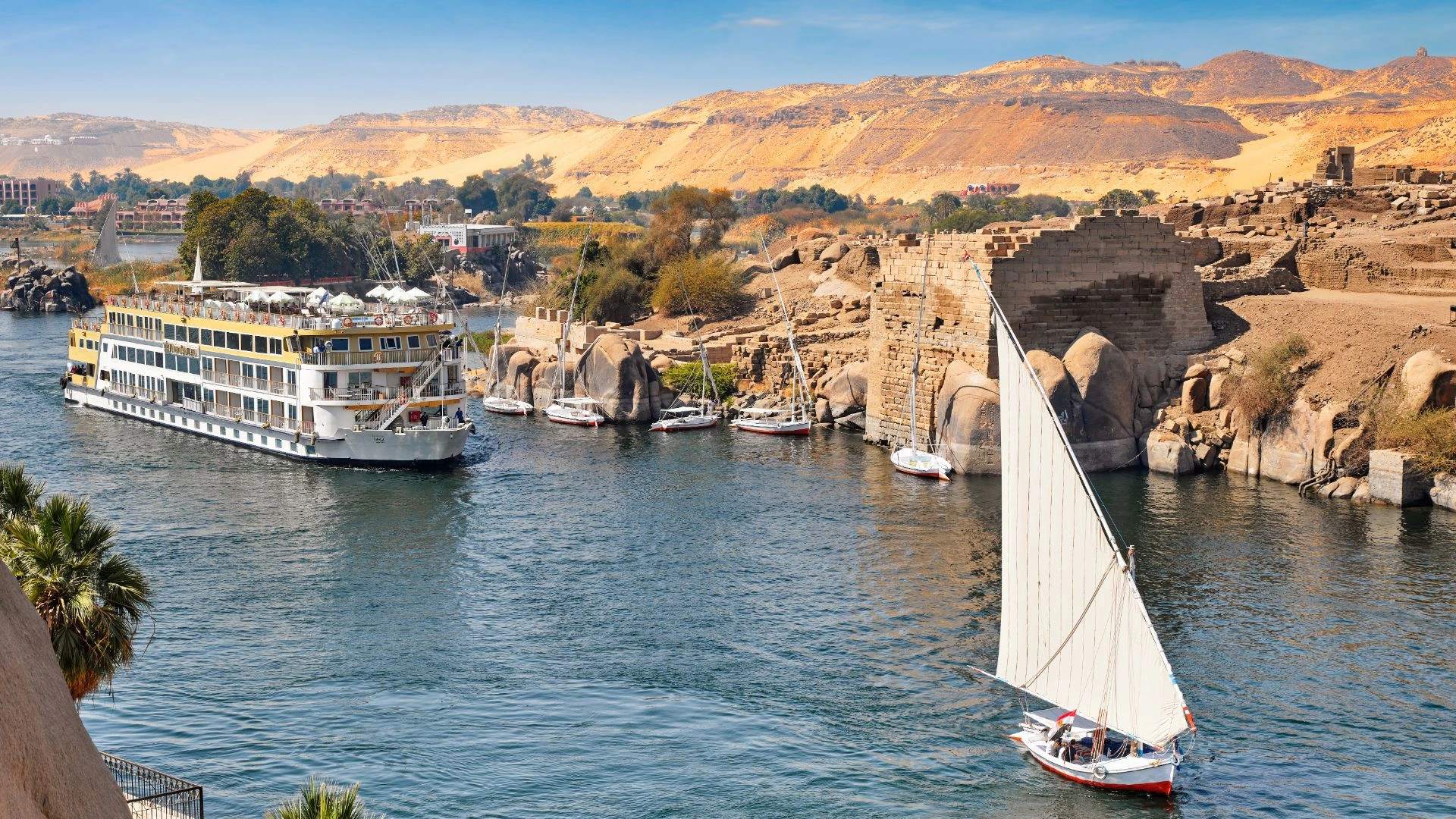
Egypt offers diverse activities: Nile Cruises, hot air balloon rides, Egyptian cuisine, shopping in Old Cairo, diving and snorkeling in the Red Sea, and Western Desert safaris.
Why choose Top Class Egypt Travel?
With over 20 years of experience, we create remarkable vacations across Egypt. We tailor all tours to your specific needs. Your safety and comfort are our top priorities.