




 Day Tour
Testimonials
Our Clients Reviews
See what our happy travelers say about us

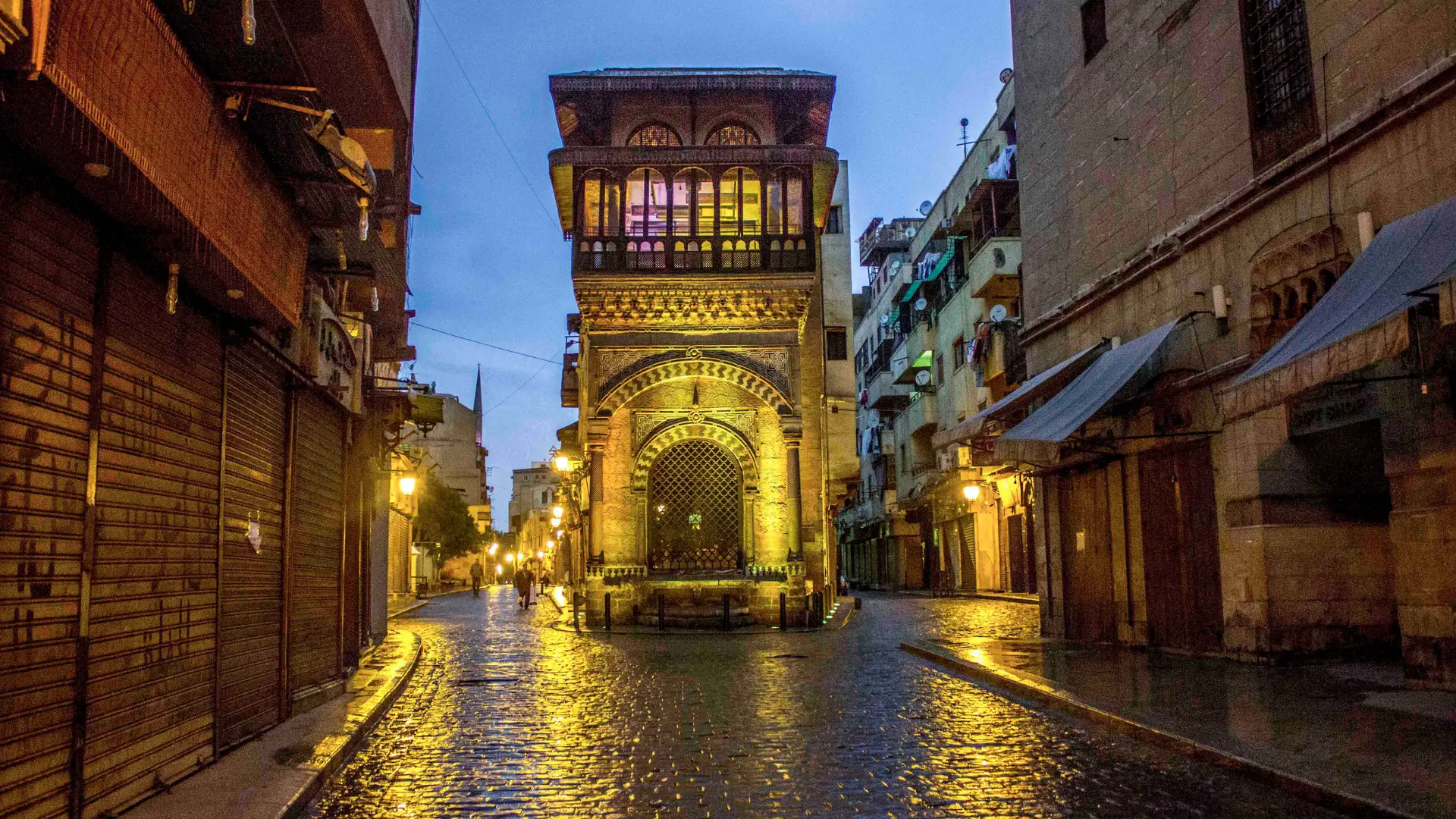
Al-Mu’izz Street is the main north-south artery of medieval Islamic Cairo, running approximately 1 km from Bab al-Futuh (the Gate of Conquest) in the north to Bab Zuwayla (the Gate of Zuwayla) in the south, and constituting what many architectural historians describe as the world’s largest open-air museum of Islamic architecture. The street was established in the 10th century as the ceremonial axis of the Fatimid royal city of al-Qahira (Cairo) and has accumulated monuments from the Fatimid (969–1171 CE), Ayyubid (1171–1250 CE), Mamluk (1250–1517 CE), and Ottoman (1517–1798 CE) periods in such density that virtually every building along its length is of historical significance.
Walking the full length of al-Muizz from one gate to the other passes the al-Hakim Mosque, the Aqmar Mosque, the Qalawun Complex, the Barquq Complex, the al-Mu’ayyad Mosque, the Bein al-Qasrein district, and dozens of smaller mosques, madrasas, Sufi khanqahs, caravanserais, and private houses — a chronological archive of Islamic architectural history visible in original materials without museum glass. Cairo’s designation as a UNESCO World Heritage Site in 1979 specifically recognized this concentration of monuments.
The street is both an archaeological and a living urban space: craft workshops, spice merchants, copper-smiths, and cafes operate at ground level beneath the medieval facades, and the evening atmosphere — with the stone monuments illuminated and street vendors active — makes al-Muizz one of the most vibrant and visually distinctive pedestrian experiences in Egypt.
Al-Muizz Street was established as the royal processional way of the Fatimid city of al-Qahira, founded in 969 CE by the Fatimid general Jawhar al-Siqilli following the Fatimid conquest of Egypt. The city was originally a walled enclosure for the royal family, court, and army — ordinary Cairenes lived in the older settlement of Fustat to the south. The main street, named for the Fatimid Caliph al-Muizz li-Din Allah, ran between two sets of palace complexes.
As the city developed and opened to the general population under the Fatimid Caliph al-Amir in the 11th century, the street became a commercial and institutional artery. Each subsequent ruling dynasty added its own buildings — the Ayyubids built madrasas (religious schools) to promote Sunni orthodoxy after the Fatimid period, the Mamluks built their grand funerary complexes as expressions of political power, and the Ottomans added wakkalas (commercial warehouses) and smaller mosques.
The street was renamed by the Egyptian government in 1998 in recognition of its architectural significance and converted into a pedestrian zone. A major restoration and lighting project in the early 2000s installed discreet illumination on the key monuments, transforming the street into one of Cairo’s most visited evening destinations.
The Fatimid city gates at the northern and southern ends (1087 CE) — the northern gate flanked by two massive round towers, the southern gate topped by the minarets of the al-Mu'ayyad Mosque.
The magnificent 13th-century Mamluk complex of Sultan Qalawun comprising a mosque, madrasa, and hospital — one of the grandest architectural ensembles of the medieval Islamic world.
The finest surviving Fatimid mosque facade (1125 CE) with its carved limestone medallions and early muqarnas portal — the first decorated street-facing mosque facade in Egypt.
The area 'between the two palaces' — the former site of the Fatimid dual palace complex, now occupied by a cluster of Mamluk monuments including the Barquq and Nasir Muhammad complexes.
At dusk the street's stone monuments are gently illuminated while craft workshops and food stalls operate at ground level — creating the most atmospheric pedestrian experience in Islamic Cairo.
These packages visit this site as part of the itinerary.

See what our happy travelers say about us



