
Testimonials
Our Clients Reviews
See what our happy travelers say about us
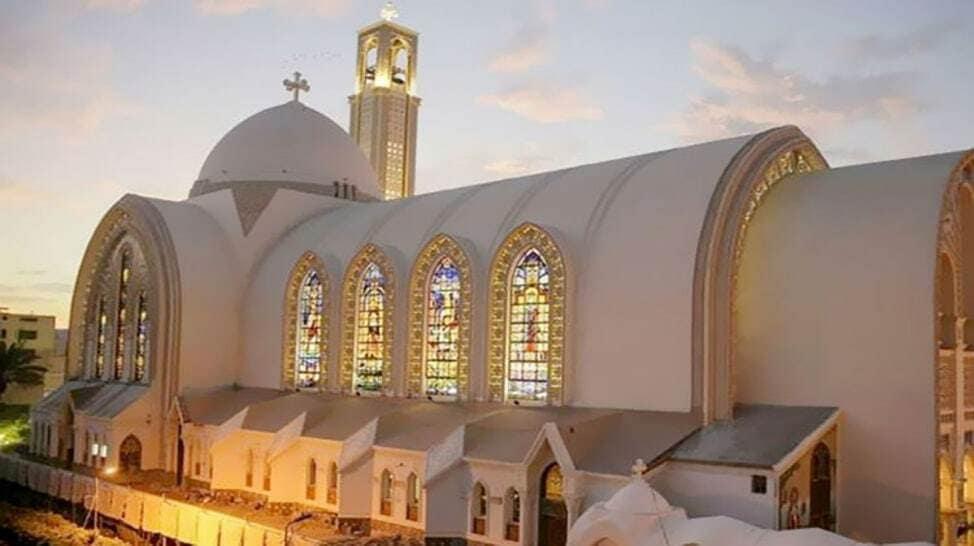
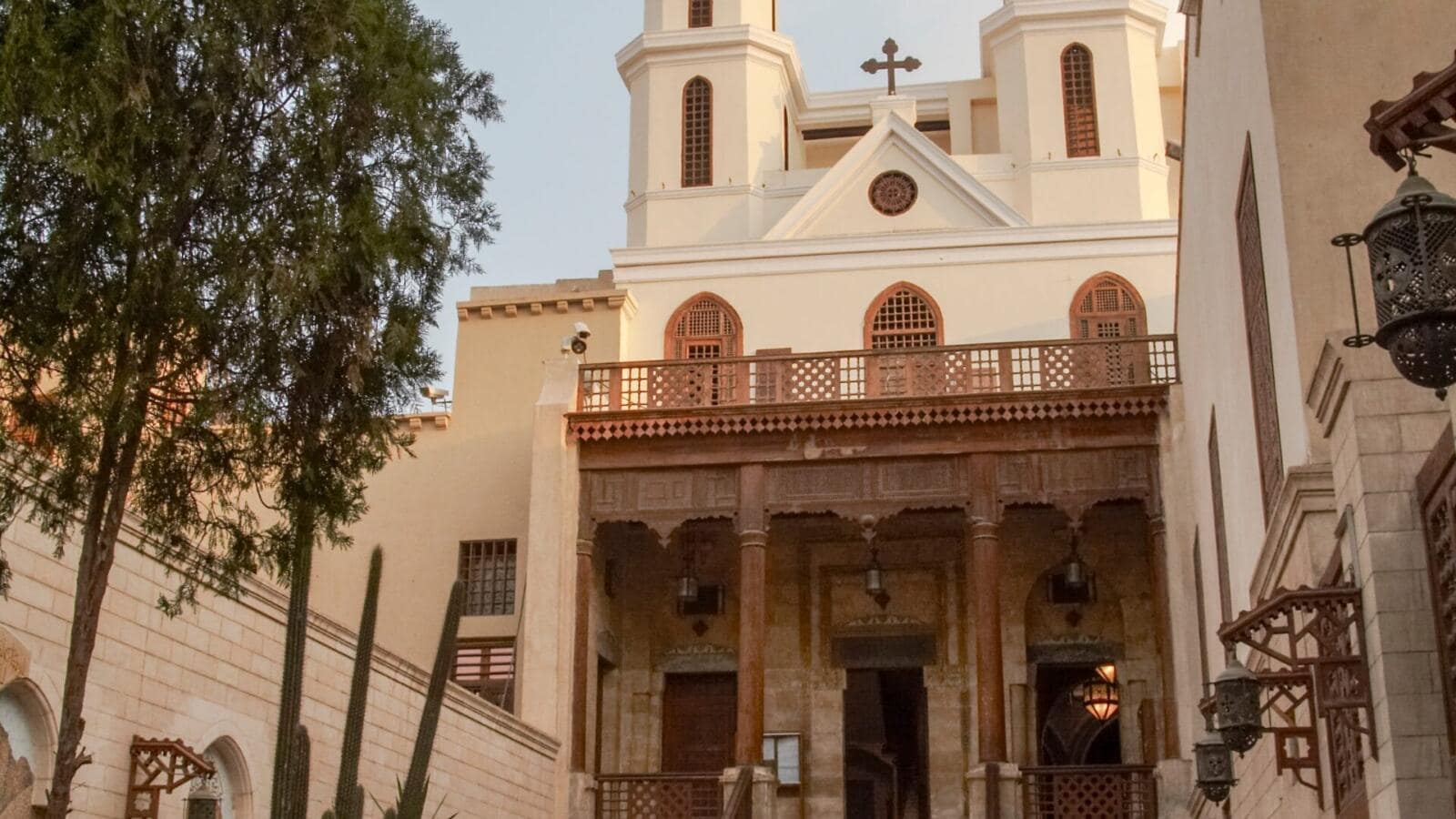
There are several churches dedicated to the Virgin Mary across Egypt, but the most significant for modern Coptic devotion is the Church of the Virgin Mary at Zeitoun in northern Cairo — the site of a celebrated series of apparitions between 1968 and 1971, when hundreds of thousands of Egyptians (both Christian and Muslim) and international observers reported seeing luminous apparitions of the Virgin Mary appearing on the church roof. The Zeitoun apparitions were officially recognized by the Coptic Orthodox Church, the Roman Catholic Church, and were observed by Pope Cyril VI, President Gamal Abdel Nasser, and documented by Egyptian television. They remain one of the most widely witnessed and officially recognized Marian apparitions in modern history.
The church itself is a Coptic Orthodox church built in the early 20th century, architecturally unremarkable from the exterior but of enormous spiritual significance to Egypt’s Coptic community. On the night of April 2, 1968, workers at a transport garage opposite the church reported seeing a luminous figure on the church dome that they initially mistook for a woman about to jump from the roof. The apparitions continued intermittently for approximately three years, with thousands of people gathering nightly in the street outside the church. The apparitions were characterized by lights, dove-shaped luminous forms, and a figure identified as the Virgin Mary, sometimes carrying the infant Jesus.
For visitors, the church is primarily of interest as a living pilgrimage site — the spot where one of the 20th century’s most remarkable and thoroughly documented religious phenomena was reported by millions of witnesses over three years.
The Zeitoun apparitions of 1968–1971 were first reported on April 2, 1968, and quickly attracted enormous crowds. The Egyptian government organized crowd control as hundreds of thousands gathered nightly in the streets of the working-class Zeitoun neighborhood. The apparitions were photographed and filmed, with official documentation commissioned by both the Coptic Church and Egyptian state media. Pope Cyril VI of the Coptic Church and later Pope Paul VI of the Roman Catholic Church both recognized the apparitions as authentic.
The apparitions occurred at a moment of profound national trauma — just nine months after Egypt’s devastating defeat in the 1967 Six-Day War with Israel. For many Egyptians, both Christian and Muslim, the apparitions were interpreted as a divine sign of consolation and hope. The broad participation across religious lines — with Muslim Egyptians among the most vocal witnesses and reporters — reflected the deep cultural veneration of the Virgin Mary in Egyptian Islam, where Maryam (Mary) is honored as the mother of the Prophet Isa (Jesus).
The Zeitoun church has since become an important pilgrimage destination in the Coptic liturgical calendar, with the anniversary of the first apparition (April 2) and the Feast of the Assumption (August 22) drawing large gatherings.
The church dome from which the luminous apparitions were reported — the focal point of the pilgrimage site and the subject of thousands of photographs taken during the 1968–1971 events.
The church and its surrounding street retain an active devotional atmosphere — the site continues to draw Coptic and Catholic pilgrims, as well as Muslim visitors who venerate Mary in the Islamic tradition.
Inside the church, photographs and documentation of the 1968–1971 apparitions are displayed, providing the most accessible visual record of the events for visitors.
Packages travelling to Cairo, where Church of the Virgin Mary is located.

Start From
Start From
Start From

See what our happy travelers say about us
