



 Attraction
 Attraction
 Attraction
 Attraction
 Attraction
 Attraction
Testimonials
Our Clients Reviews
See what our happy travelers say about us

Al-Rifa’i Mosque stands at the foot of the Citadel in Cairo, directly facing the 14th-century Sultan Hassan Mosque across the Salah al-Din Square, and together the two buildings form one of the finest architectural juxtapositions in any Islamic city. Completed in 1912 after 43 years of intermittent construction, al-Rifa’i was built as a mausoleum and mosque for the Egyptian royal family and the Khedival house, and today contains the tombs of Khedive Ismail, King Fuad I, and King Farouk — Egypt’s last three monarchs — as well as the tomb of Mohammad Reza Shah Pahlavi, the last Shah of Iran, who was buried here in 1980 following his death in exile in Cairo.
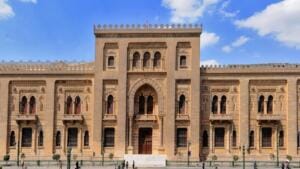
The mosque’s architecture is a grand exercise in neo-Mamluk style, deliberately designed to complement its medieval neighbor Sultan Hassan Mosque while demonstrating Egypt’s early 20th-century ambition and wealth. The exterior is clad in pale limestone with carved arabesque decorative details, stalactite cornices, and pointed arched windows referencing Mamluk architectural vocabulary. The interior is richly appointed with marble floors, gilded ceilings, ornate prayer niches, and the royal tomb chambers — the largest of which belongs to Khedive Ismail.
The presence of the Shah of Iran’s tomb gives al-Rifa’i an unusual international dimension: the Shah died in Cairo having been denied asylum in numerous countries, and his burial here at the invitation of President Sadat reflects a moment of Egyptian diplomatic generosity that continues to draw Iranian visitors to the tomb.
Al-Rifa’i Mosque was commissioned in 1869 by Princess Khushyar Hanim, the mother of Khedive Ismail, as a royal mausoleum and replacement for an earlier shrine to the Sufi saint Ahmad al-Rifa’i on the same site. Construction began in 1869 but was halted multiple times due to financial difficulties during the successive reigns of Khedive Ismail, Khedive Tewfik, and Khedive Abbas Helmi II before being completed under the supervision of architect Max Herz Bey in 1912.
The mosque’s completion was timed to coincide with the transformation of Cairo’s medieval fabric under European-influenced urban planning, and its grand neo-Mamluk facade was intended to give the square at the Citadel’s base an architectural character befitting a modern capital’s historic center. The commission and design of al-Rifa’i by Egyptian and European architects working together reflects the cosmopolitan character of the Khedival court.
King Farouk — the last king of Egypt, deposed in the 1952 Revolution — had initially been buried in Italy. His remains were returned to Egypt in 1965 and interred in al-Rifa’i, providing a posthumous reconciliation between the monarchy and the republic. The Shah of Iran, Mohammad Reza Pahlavi, was granted refuge by President Sadat after being expelled from Iran and denied entry to Western countries; he died in Cairo in July 1980 and was buried in al-Rifa’i with full state honors.
The ornately decorated tomb chambers of Egypt's last monarchs — Khedive Ismail, King Fuad I, and King Farouk — and the Shah of Iran, accessible to visitors during opening hours.
The lavishly appointed prayer hall with marble floors, gilded ceilings, and carved limestone mihrabs representing the peak of early 20th-century Islamic revival architecture in Egypt.
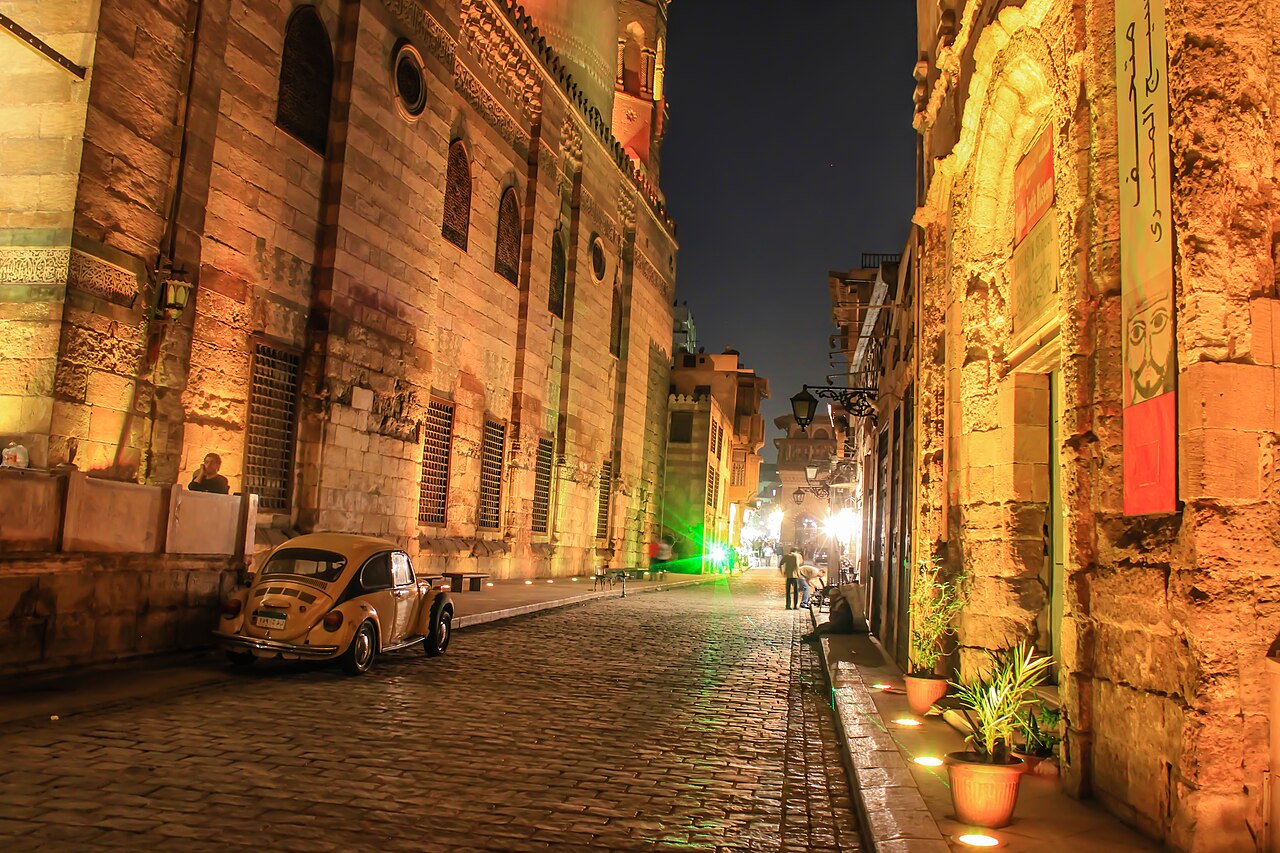
The view from the mosque's entrance steps across Salah al-Din Square to the 14th-century Sultan Hassan Mosque is one of the most dramatic architectural confrontations in Islamic Cairo.
Packages travelling to Cairo, where Al-Rifa’i Mosque is located.



Start From

See what our happy travelers say about us



