


Attraction Details
Overview
Wadi El-Rayan Waterfalls
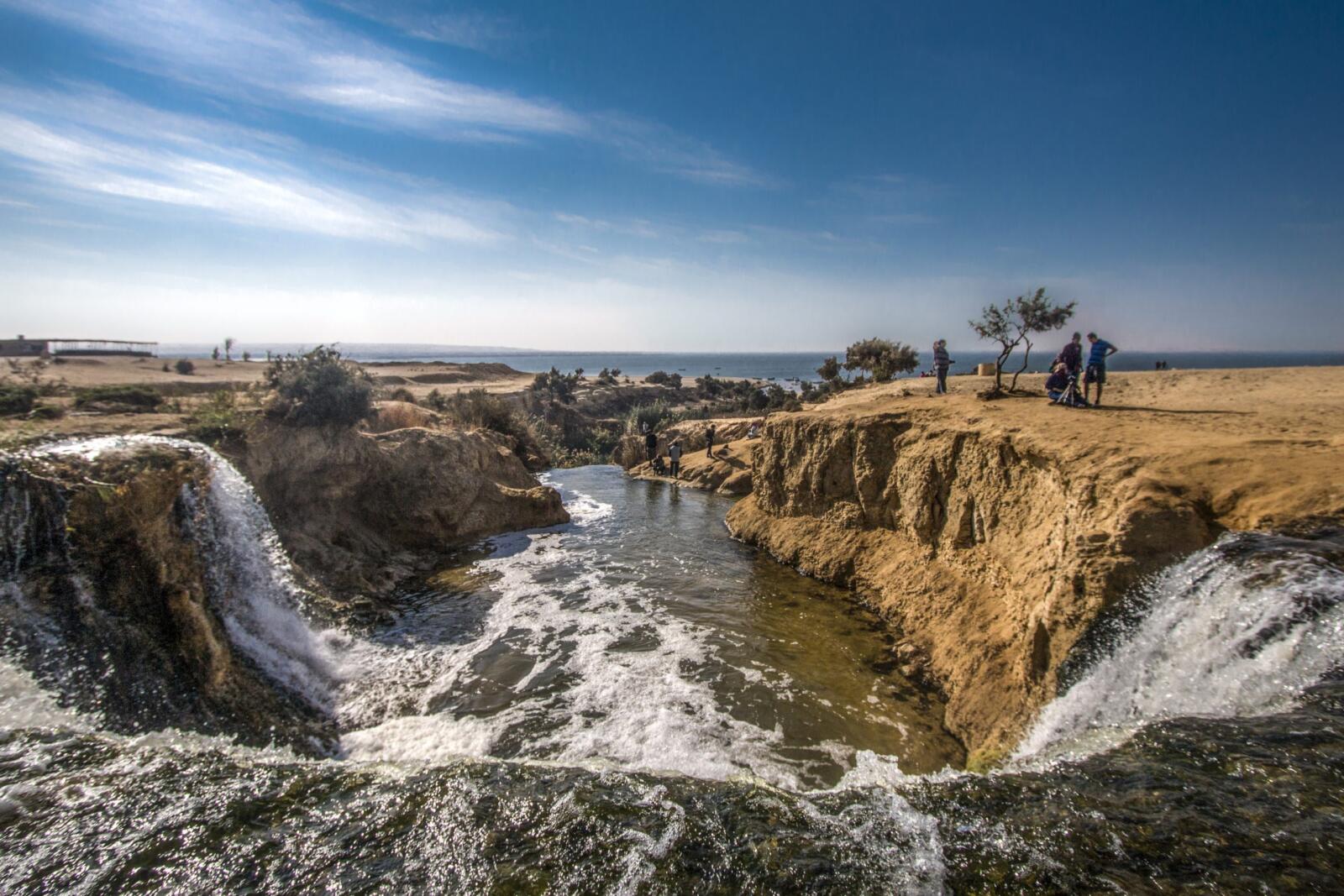
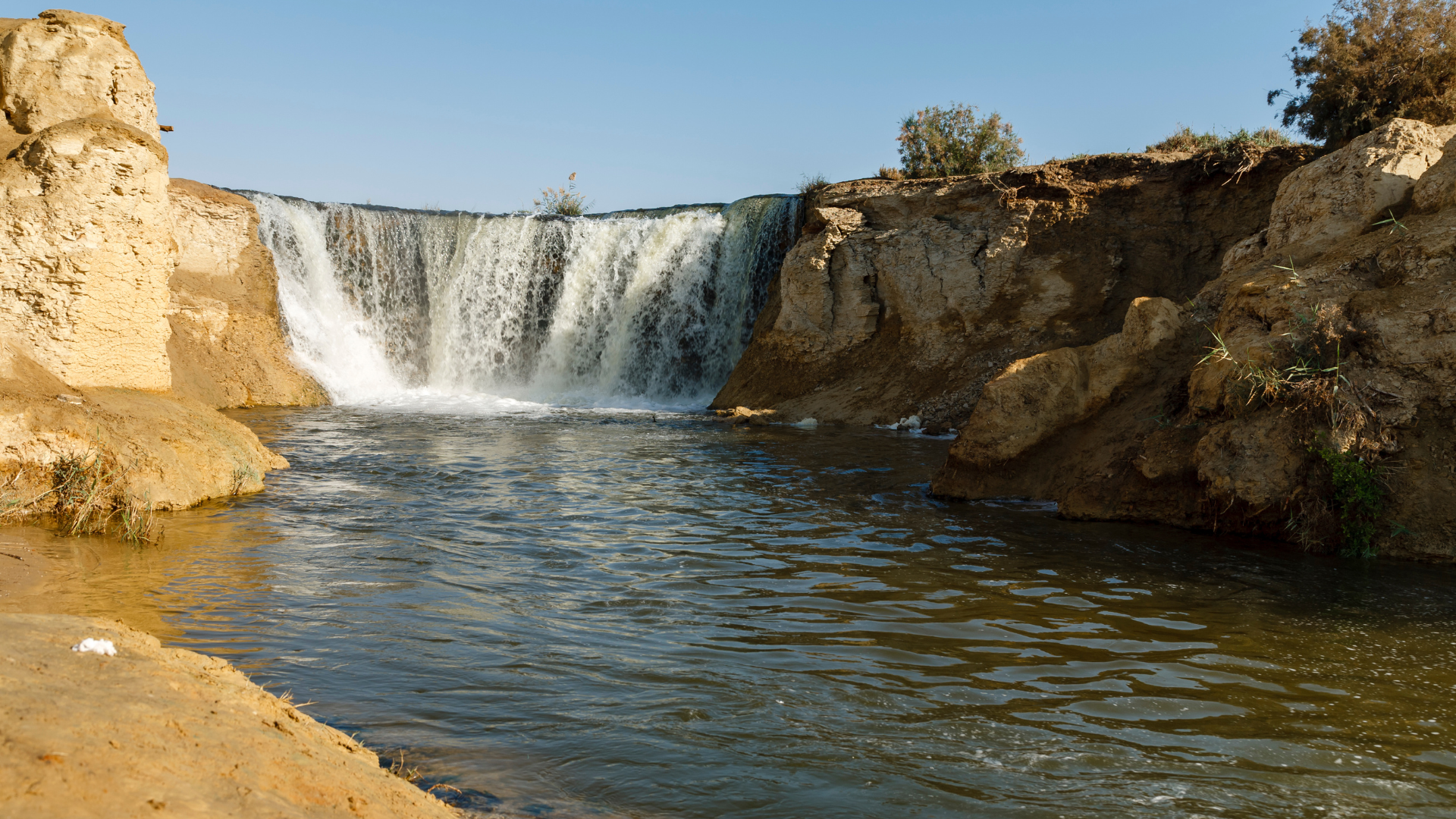
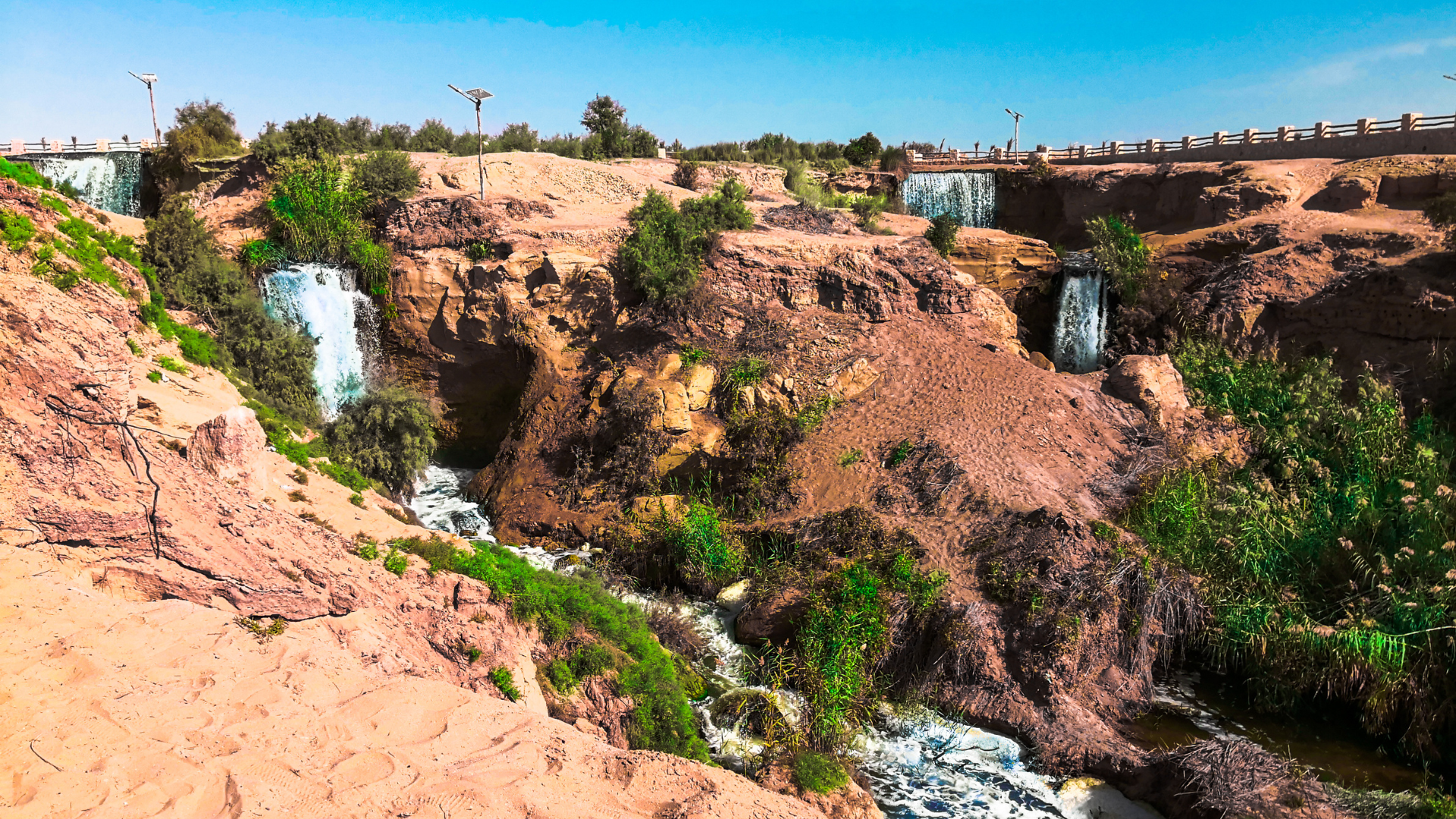
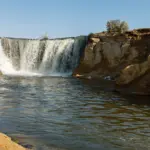
The Wadi al-Rayan Waterfalls are the only naturally occurring waterfalls in Egypt — a pair of cascades in the Faiyum Desert, approximately 100 km southwest of Cairo, where water overflows from the upper Wadi al-Rayan lake into the lower lake across a natural sandstone lip, creating a waterfall and rapid system in the middle of the Sahara desert. The waterfalls are modest in scale by international standards — the main cascade drops approximately 3–4 meters — but their existence in an arid desert environment with no permanent rivers makes them a genuinely extraordinary natural phenomenon.
The Wadi al-Rayan lakes themselves were created in the 1970s when agricultural drainage water from the Faiyum was diverted into a desert depression, filling two formerly dry lake beds. The overflow between the two lakes — occurring when the upper lake’s level rises above the natural rock lip separating them — creates the waterfall, which operates year-round with variable volume depending on the season and the amount of agricultural drainage feeding the system.
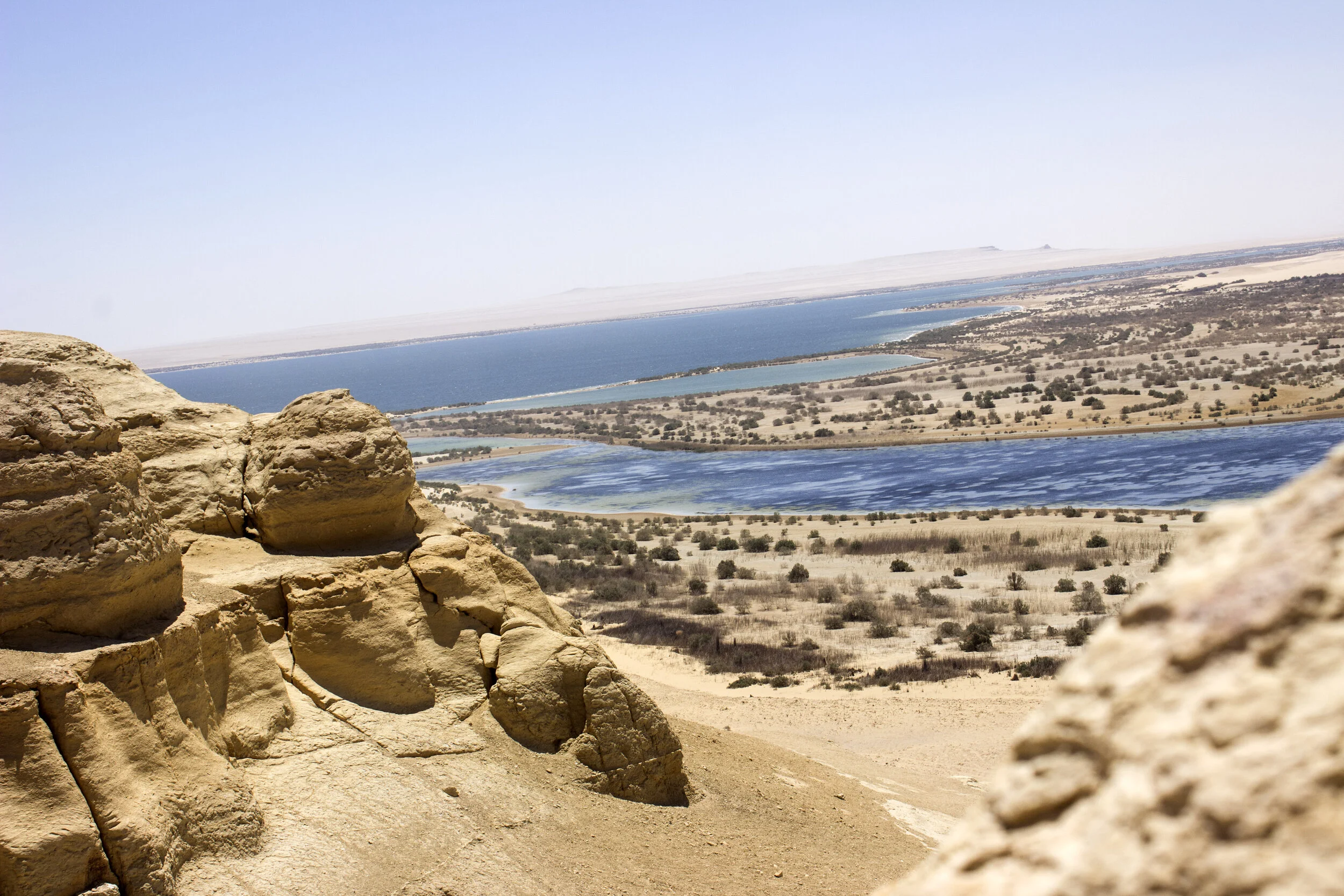
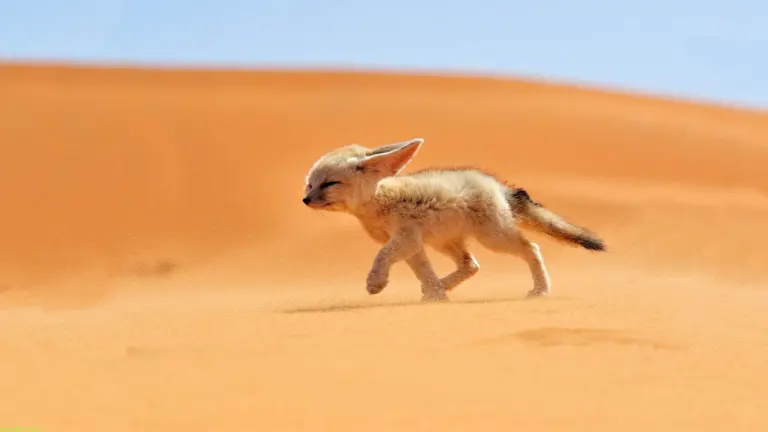
The surrounding Wadi al-Rayan Protected Area contains sand dunes, desert scrub vegetation, and a wildlife population including desert foxes, hedgehogs, and migratory birds — making the waterfalls a destination within a broader protected natural landscape. The combination of flowing water, desert sand dunes, and migratory birds creates a visual and ecological juxtaposition that is uniquely Faiyumi.
History & Significance
The Wadi al-Rayan depression was historically a dry desert basin with no permanent water. The creation of the upper and lower lakes in the 1970s — an inadvertent byproduct of agricultural drainage management in the Faiyum — transformed the depression from an empty desert into a wetland supporting significant wildlife populations. The overflow between the lakes that creates the waterfalls was an unplanned consequence of this transformation.
The Faiyum has been an agricultural center since at least the Middle Kingdom period, when 12th Dynasty pharaohs managed the Birket Qarun (ancient Lake Moeris) as a Nile overflow reservoir. The modern agricultural drainage system that created the Wadi al-Rayan lakes is a 20th-century continuation of this long tradition of water management in the Faiyum depression.
What to See
Desert Waterfalls
Water cascading from the upper to the lower Wadi al-Rayan lake across a natural sandstone lip — the visual incongruity of flowing water in the midst of the Sahara desert makes this one of Egypt's most unexpected natural features.
Desert Lake Landscape
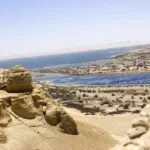
Two large desert lakes surrounded by sand dunes and desert scrub — the Wadi al-Rayan landscape combines elements not found together anywhere else in Egypt: open water, dunes, and bird life in the Sahara.
Migratory Bird Watching
Flamingos, pelicans, herons, and migratory waders at the lake shores — the Wadi al-Rayan lakes have become an important migratory bird stopover, best observed October–March.
Photo Gallery


Visitor Information
Protected Area open daily 8:00 AM – 5:00 PM
⛔ Closed: NeverNo dress restrictions
Photography is free
Limited accessibility
💡 Visitor Tips
Location & Map
🚕 How to Get There
Located in the Wadi al-Rayan Protected Area, approximately 100 km southwest of Cairo; accessible by 4WD from Faiyum city (1.5 hours) or from Cairo (2.5 hours). The protected area entrance is near the village of Tunis on Lake Qarun's southern shore.
Tours That Visit This Attraction


Quick Facts