





 Day Tour
 Day Tour
 Day Tour
 Package
 Package
 Package
Testimonials
Our Clients Reviews
See what our happy travelers say about us
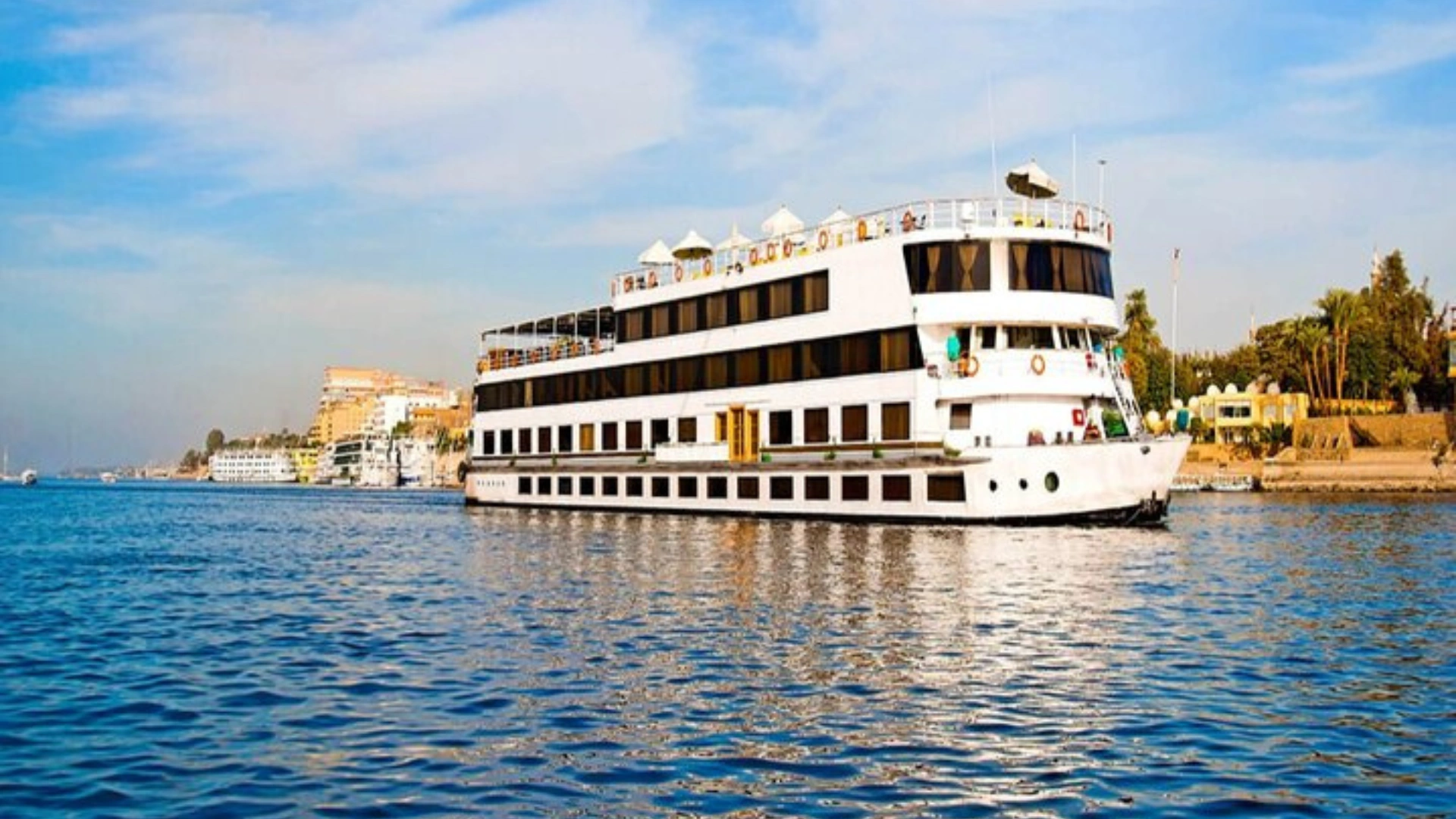
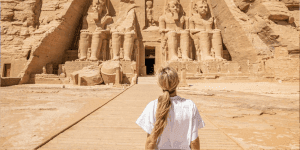
A Lake Nasser cruise is one of Egypt’s most remote and rewarding travel experiences — a three to four day voyage across the world’s largest man-made lake to reach the relocated Nubian temples that were rescued from inundation during the construction of the Aswan High Dam in the 1960s. The lake stretches approximately 550 km from the Aswan High Dam south into Sudan, and the cruise route visits the temple clusters of New Wadi El-Sebua, Amada, Kasr Ibrim, and culminates at Abu Simbel — the twin rock-cut temples of Ramesses II that are Egypt’s most spectacular ancient monuments outside Giza.
Only a small fleet of cruise ships operates on Lake Nasser — typically four to six vessels at any given time — making the experience significantly less crowded than the Luxor-Aswan route. The lake itself is a vast, still expanse of blue water flanked by desert hills and sandstone cliffs with no visible human habitation for miles at a time — the relocated temples appearing as isolated monuments in a genuinely remote landscape unlike anything on the Nile proper. Fishing eagles, pelicans, and Nile crocodiles are commonly sighted from the ship deck.
The temple stops along the route — Wadi El-Sebua with its sphinx avenue, the colorful paintings of Amada (the oldest surviving temple in Nubia), the inaccessible island temple of Qasr Ibrim (viewed from the boat as its access is restricted), and the culminating Abu Simbel visit — are experienced with far fewer other visitors than any Nile Valley temple, giving passengers an almost private encounter with some of Egypt’s greatest ancient monuments.
Lake Nasser was created between 1960 and 1971 by the construction of the Aswan High Dam, flooding the ancient Nubian homeland and permanently submerging hundreds of villages, cemeteries, and historical sites. The UNESCO Nubian Monuments Salvage Campaign (1960–1980) relocated 24 ancient temples and monuments to higher ground before the rising waters reached them — including Abu Simbel, Philae, Kalabsha, Amada, Wadi El-Sebua, and others now visited on the Lake Nasser cruise route.
The lake was named after Egyptian President Gamal Abdel Nasser, under whose government the dam was built with Soviet technical and financial assistance. The dam transformed Egypt’s agricultural capacity and electricity supply, providing year-round water control and hydroelectric power that remains critical to the national grid. The human cost — the displacement of approximately 100,000 Nubian people from their ancestral homeland — is documented in the Nubian Museum in Aswan and commemorated in the relocated monuments themselves.
Lake Nasser cruise tourism developed in the 1990s when the Egyptian government permitted a small fleet of vessels to operate on the lake. The limited number of cruise ships and the remoteness of the route have kept visitor numbers relatively low compared to the Nile proper, preserving the sense of genuine exploration that characterizes the Lake Nasser experience.
The climax of the Lake Nasser cruise — arriving at the twin temples of Ramesses II from the water gives a perspective unavailable to fly-in visitors, with the temples approached gradually from the lake surface.
The relocated Ramesses II temple with its intact sphinx processional avenue — visited with almost no other tourists in a remote lakeside desert setting unlike any Nile Valley temple experience.
The oldest surviving temple in Nubia with the most complete original painted decoration — a small sanctuary with vivid colors preserved in dry desert air, relocated intact on a hydraulic platform.
The partially submerged Nubian fortress on a rocky island — now surrounded by water on all sides and visited only by sight from the cruise deck, adding an evocative ruined element to the route.
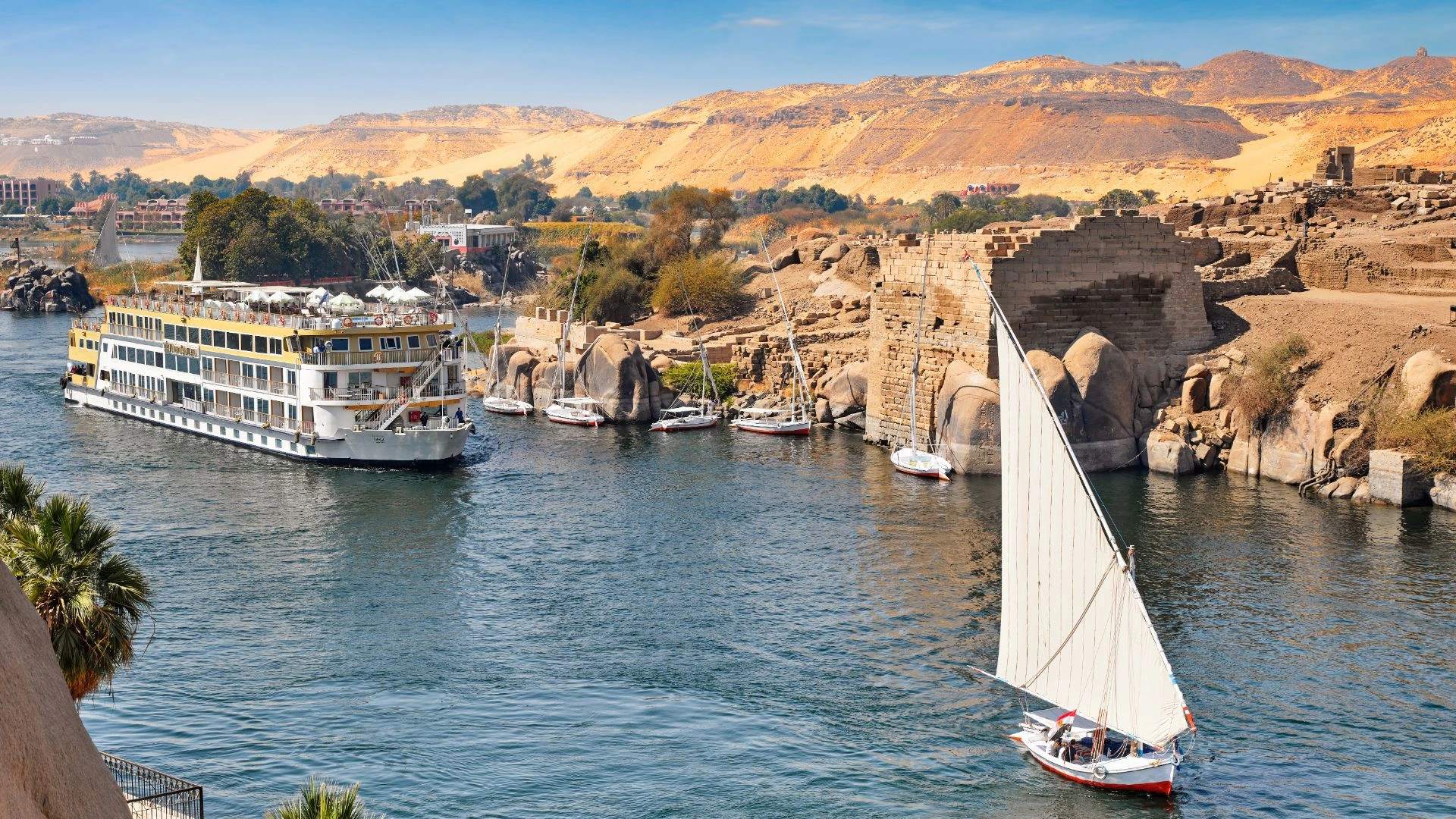
Vast expanses of still blue water flanked by sandstone desert hills with no visible habitation — the sense of remote exploration between temple stops is the defining character of the Lake Nasser experience.
These packages visit this site as part of the itinerary.

Start From

Start From

Start From


Start From

See what our happy travelers say about us



