


Attraction Details
Overview
Dahshur Necropolis
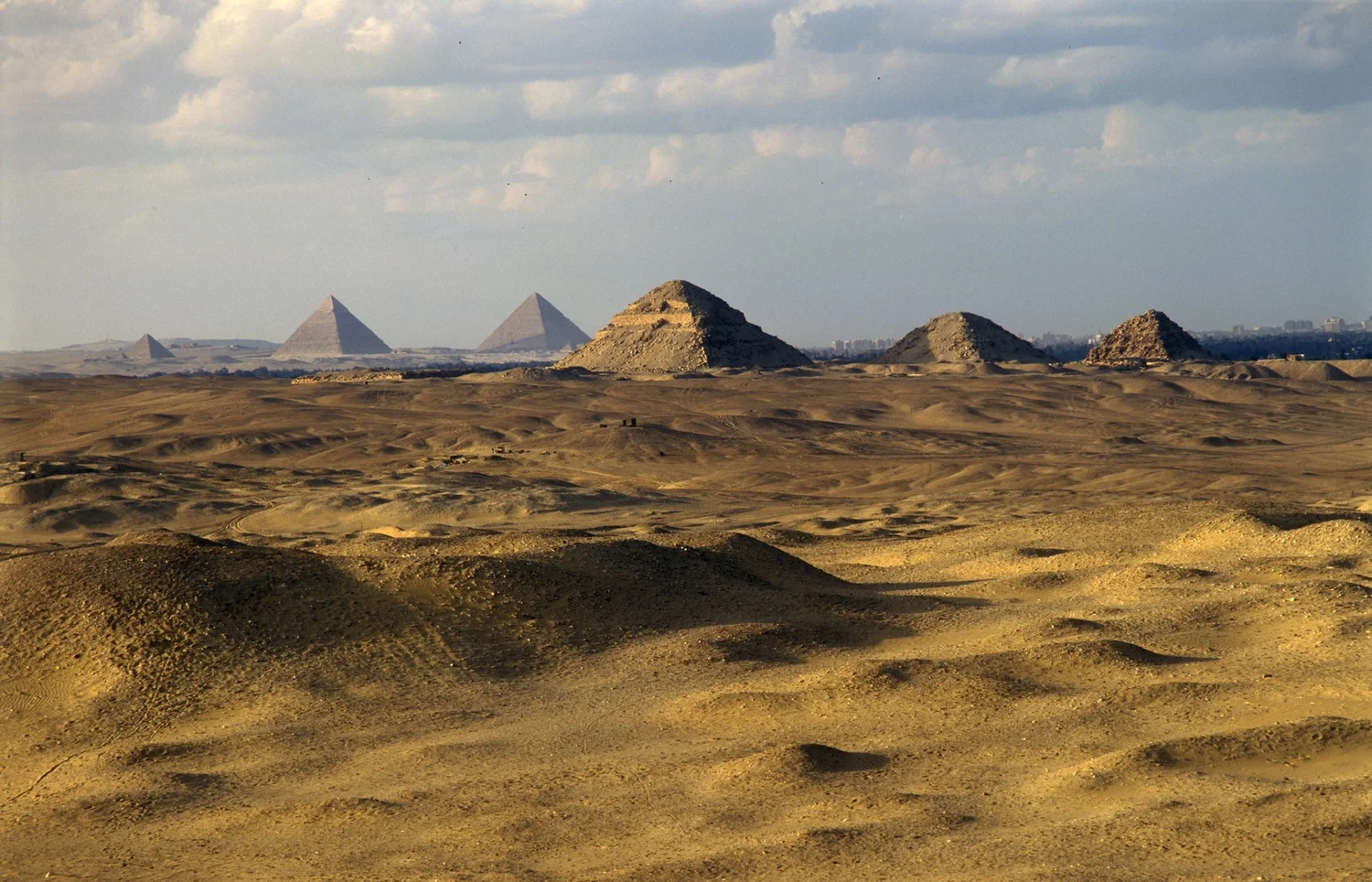
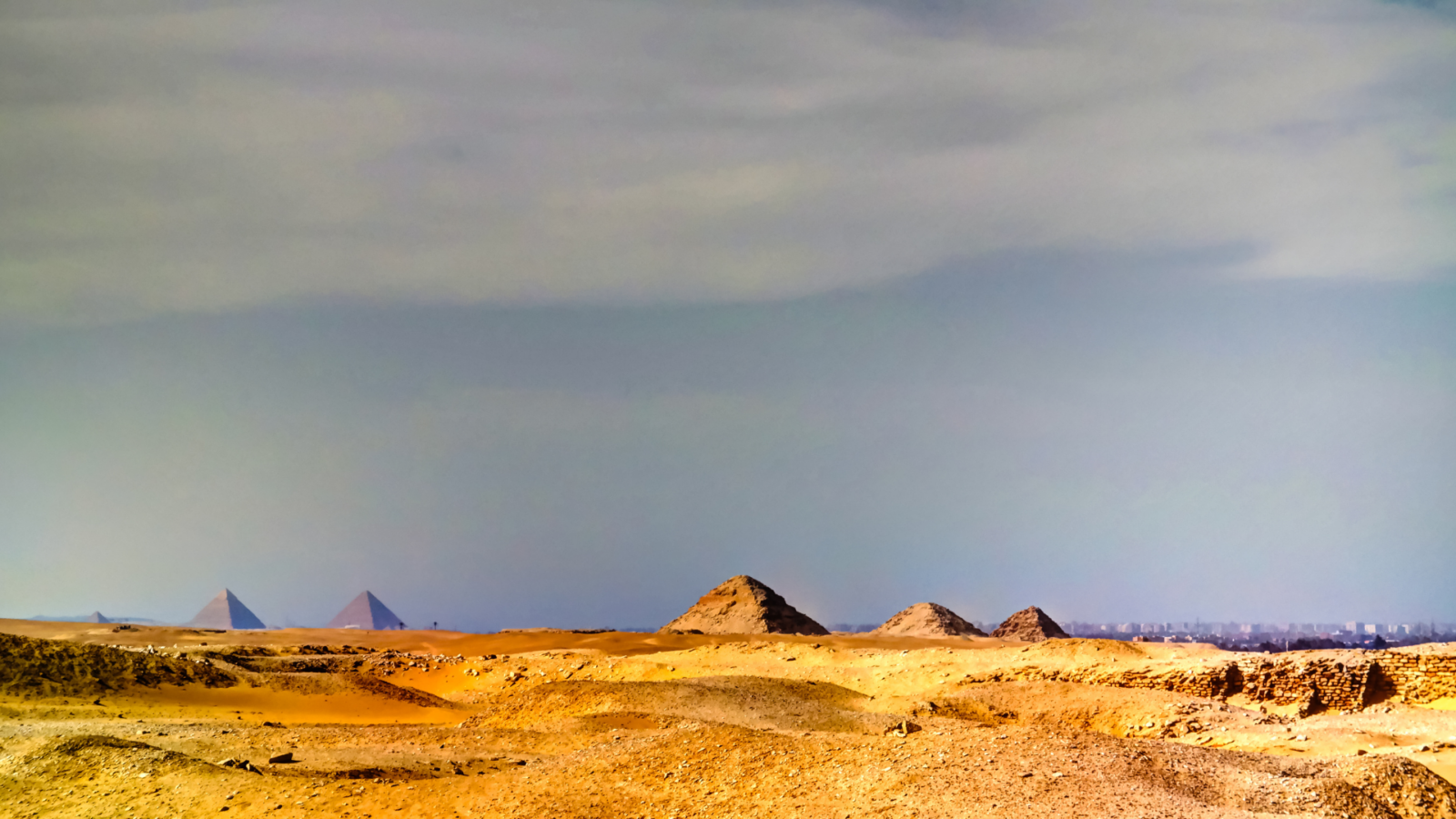
Dahshur is a royal necropolis located approximately 40 km south of Cairo on the desert plateau west of the Nile. It contains some of the most architecturally significant pyramids in Egypt, including the Bent Pyramid and the Red Pyramid — both built by Pharaoh Sneferu in the 4th Dynasty — as well as a cluster of Middle Kingdom pyramids built by 12th Dynasty pharaohs. Together these structures chart the evolution from stepped pyramid to smooth true pyramid form.
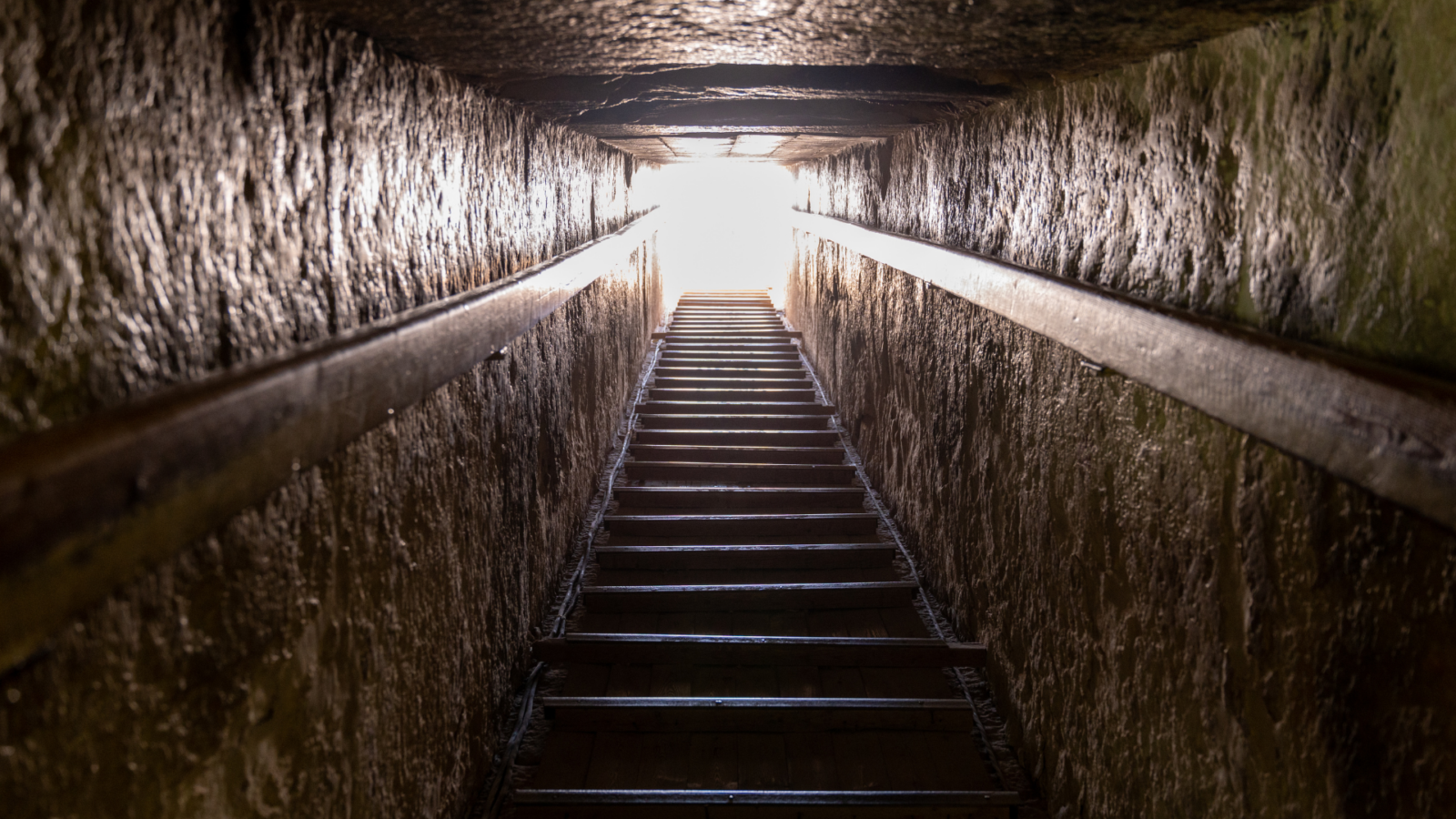
Unlike Giza, Dahshur sees relatively few visitors, and the experience here is fundamentally different: open desert, few crowds, and the rare opportunity to enter pyramid interiors with almost no queues. The Red Pyramid in particular allows visitors to descend 62 meters down a steep internal passageway and stand in the burial chamber, one of the largest ancient internal spaces accessible to the public in Egypt.
The Middle Kingdom section of the necropolis, further south, contains the mudbrick cores of pyramids built by Amenemhat II, Senusret III, Amenemhat III, and others. Though less visually striking than the 4th Dynasty pyramids, they contain important evidence about the transition to mudbrick construction and the increasingly sophisticated pyramid complex design of the Middle Kingdom.
History & Significance
Dahshur was first used as a royal burial ground under Sneferu, the founder of the 4th Dynasty (c. 2613–2589 BCE). He built two major pyramids here: the Bent Pyramid, characterized by its distinctive double-angled profile, and the Red Pyramid, the first geometrically true pyramid ever completed. These monuments solved the structural challenges of smooth-sided pyramid construction that earlier architects had struggled with at Meidum.
During the Middle Kingdom (c. 2055–1650 BCE), several 12th Dynasty pharaohs chose Dahshur for their burial complexes. The Black Pyramid of Amenemhat III, built from a mudbrick core with a limestone casing, collapsed in antiquity but still rises dramatically above the plain. The tomb of Princess Neferu-Ptah, excavated nearby, contained one of the most complete sets of Middle Kingdom jewelry ever found.
The French archaeologist Jacques de Morgan conducted the first systematic excavations at Dahshur in 1894–95, discovering the Dahshur Treasure — a collection of royal jewelry belonging to princesses of the 12th Dynasty, now split between the Egyptian Museum in Cairo and the Metropolitan Museum of Art in New York.
What to See
Red Pyramid
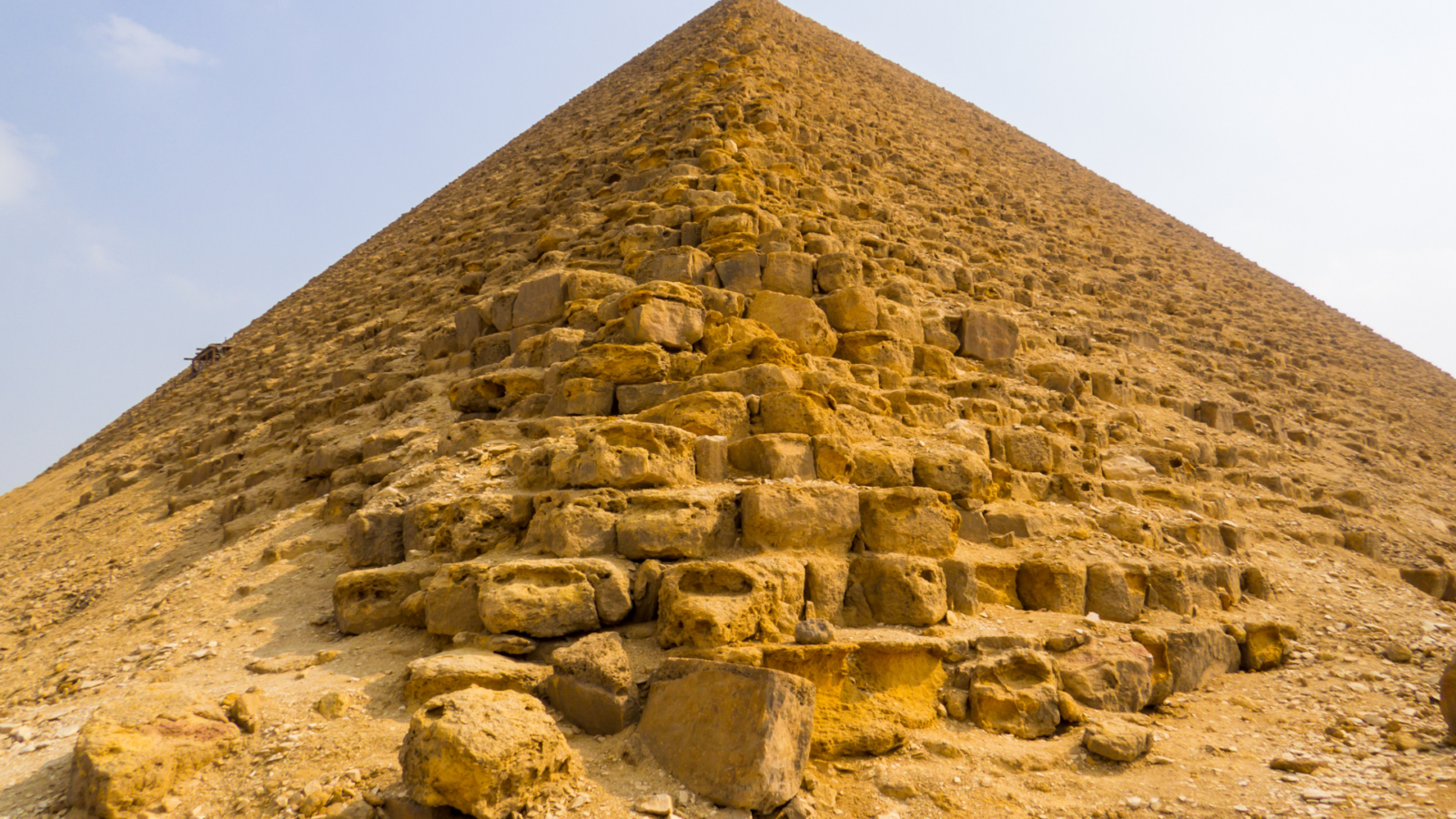
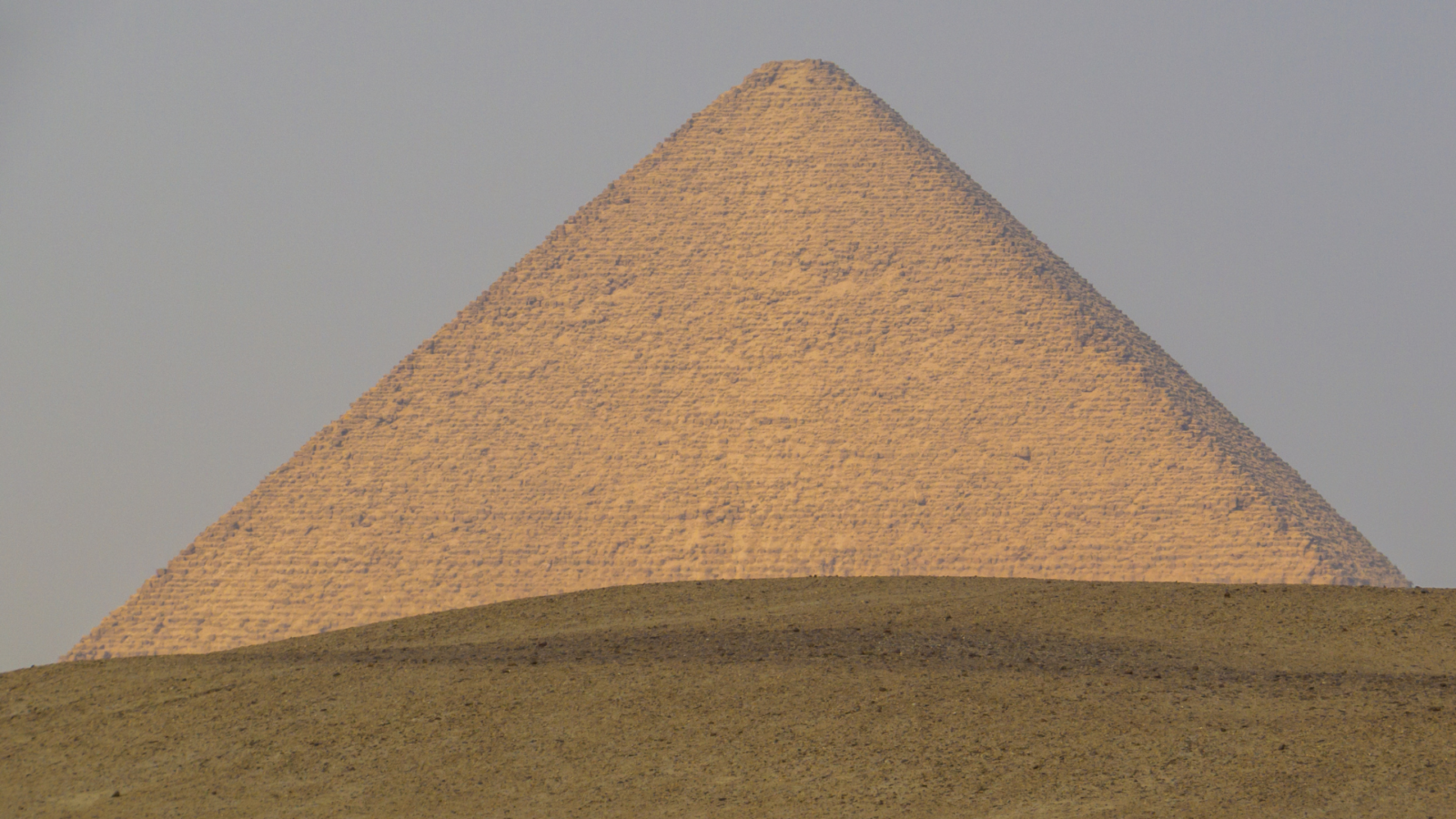
Egypt's first true pyramid and the third largest overall; visitors can descend 62 meters into the burial chamber, one of the most accessible pyramid interiors in the country.
Bent Pyramid
Unique double-angled profile and near-complete original limestone casing; reopened for interior visits in 2019 after decades of closure.
Black Pyramid of Amenemhat III
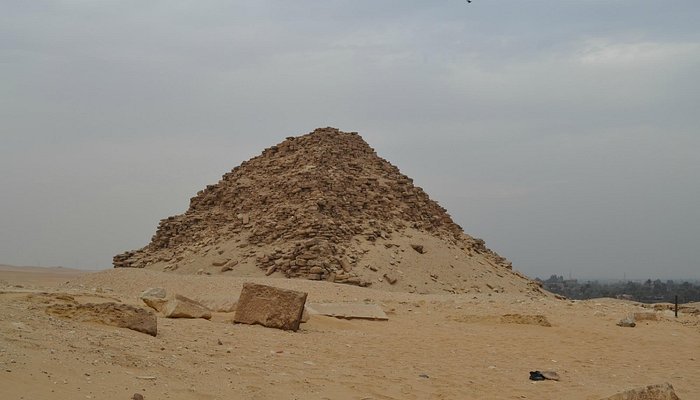
A dramatically eroded mudbrick pyramid rising 35 meters, with its distinctive dark color setting it apart from the limestone 4th Dynasty monuments nearby.
Desert Isolation
With few other visitors, Dahshur offers the rare experience of standing alone in front of major ancient monuments in a genuinely quiet desert landscape.
Photo Gallery




Visitor Information
Daily 8:00 AM – 5:00 PM
⛔ Closed: NeverNo dress restrictions
Photography is free
Limited accessibility
💡 Visitor Tips
Location & Map
🚕 How to Get There
Located approximately 40 km south of central Cairo; accessible by private taxi or as part of a combined day tour with Saqqara (15 km north) and Memphis.

