
Testimonials
Our Clients Reviews
See what our happy travelers say about us
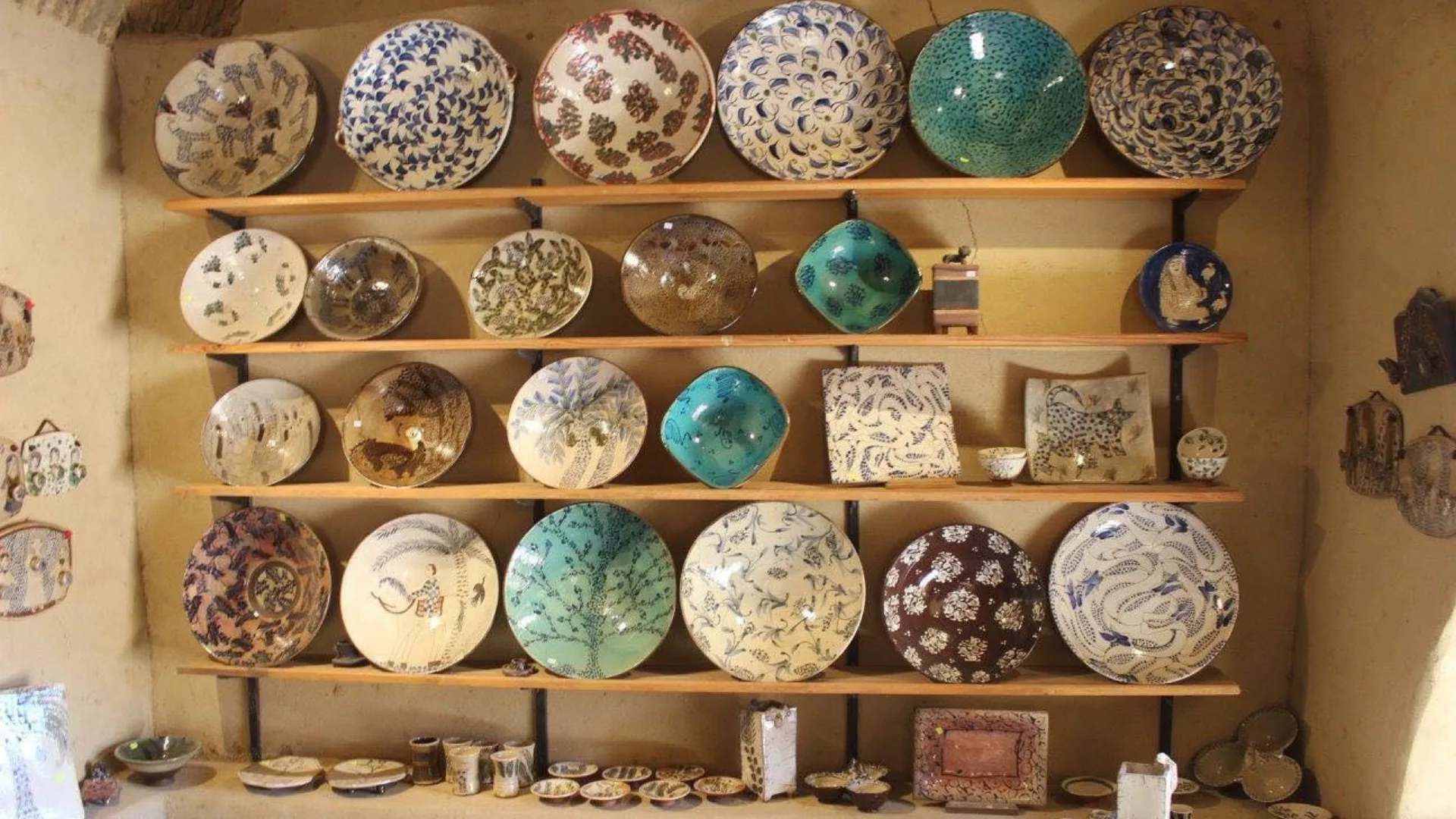
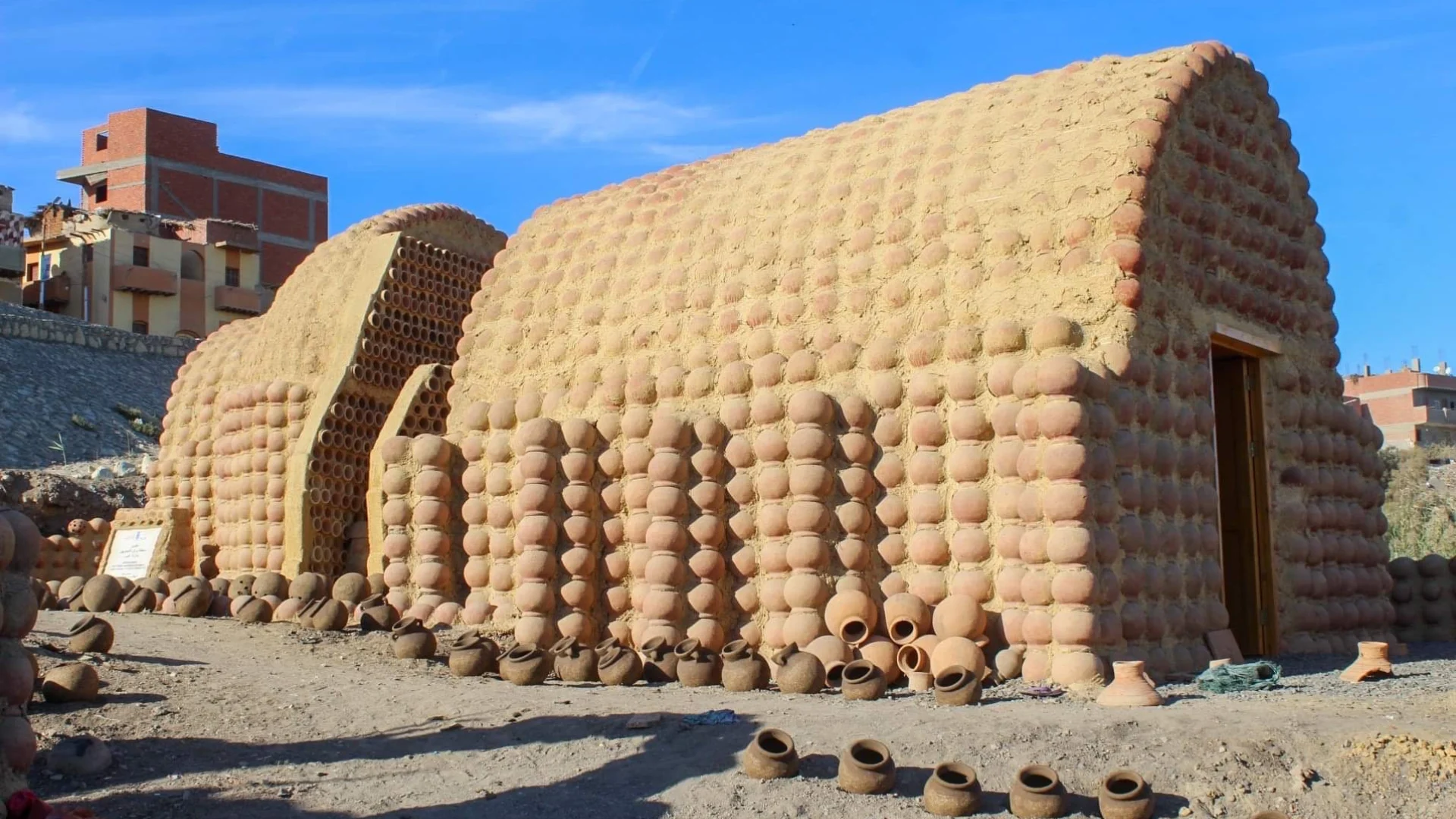
Tunis Village is a small lakeside settlement on the southern shore of Lake Qarun in the Faiyum Oasis, approximately 90 km southwest of Cairo, that has become Egypt’s most celebrated center for contemporary artisan pottery. Transformed from a traditional fishing and farming village into an arts community in the 1990s primarily through the influence of Swiss ceramicist Evelyne Porret and her Egyptian husband Saad Abdel Rassoul, Tunis has developed a distinctive local pottery tradition — hand-thrown earthenware in warm terracotta and white slip finishes decorated with geometric and naturalistic motifs — that has found a national market and a growing international reputation.
The village is compact and walkable, with pottery workshops and small galleries scattered between traditional mud-brick and whitewashed houses along lanes overlooking the lake. Several workshops welcome visitors to observe and participate in the throwing and painting process — a hands-on experience that has made Tunis a popular destination for Cairo day-trippers and craft tourism visitors. The panoramic view from the village across Lake Qarun to the desert escarpment beyond is one of the most serene landscapes within easy reach of Cairo.
The Faiyum Pottery School, established in the village, has trained dozens of local potters and generated an economic transformation in the community — traditional farming and fishing families have been supplemented by ceramic production as a primary income source, and the village’s artistic identity has attracted a small community of Egyptian and expatriate artists, writers, and architects who have built studios and weekend houses in the surrounding area.
Tunis village itself has ancient origins as a lakeside settlement, but its current identity as a pottery center is entirely a product of the late 20th century. The traditional pottery of the Faiyum — thick utilitarian earthenware produced by village potters across the governorate — had no particular artistic distinction before the 1990s transformation.
Evelyne Porret, a Swiss ceramicist who moved to Egypt with her Egyptian husband in the 1990s, settled in Tunis and established a pottery school that trained local residents in artistic techniques while encouraging a distinctive aesthetic rooted in local clay, local colors, and local decorative traditions. Her work attracted other artists and craftspeople to the village, generating the creative community that now gives Tunis its character.
The transformation of Tunis into an arts village is now studied as a model of cultural tourism development in Egypt — a small community that achieved economic revitalization and international recognition through craft-based identity rather than archaeological heritage. The Faiyum pottery style developed in Tunis has been widely imitated across Egypt, though the village workshops maintain the highest quality and authenticity of the tradition.
Several workshops welcome visitors to observe or participate in the pottery process — hand-throwing on traditional wheels, slip decoration, and kiln firing in a relaxed village setting.
Small galleries and studio shops throughout the village selling the distinctive Faiyum pottery style — bowls, plates, vases, and decorative objects in terracotta and white slip with geometric motifs.
The panoramic view from the village lanes across Lake Qarun to the distant desert escarpment — one of the most tranquil and photogenic landscapes within easy reach of Cairo.
The mix of traditional mud-brick houses, whitewashed studio buildings, and artisan gardens gives Tunis a distinctive visual character among Egyptian villages — particularly attractive at golden hour.
Packages travelling to Fayoum, where Fayoum Pottery Village (Tunis) is located.

Start From

See what our happy travelers say about us



