





 Attraction
 Attraction
 Attraction
 Attraction
 Attraction
 Attraction
Testimonials
Our Clients Reviews
See what our happy travelers say about us

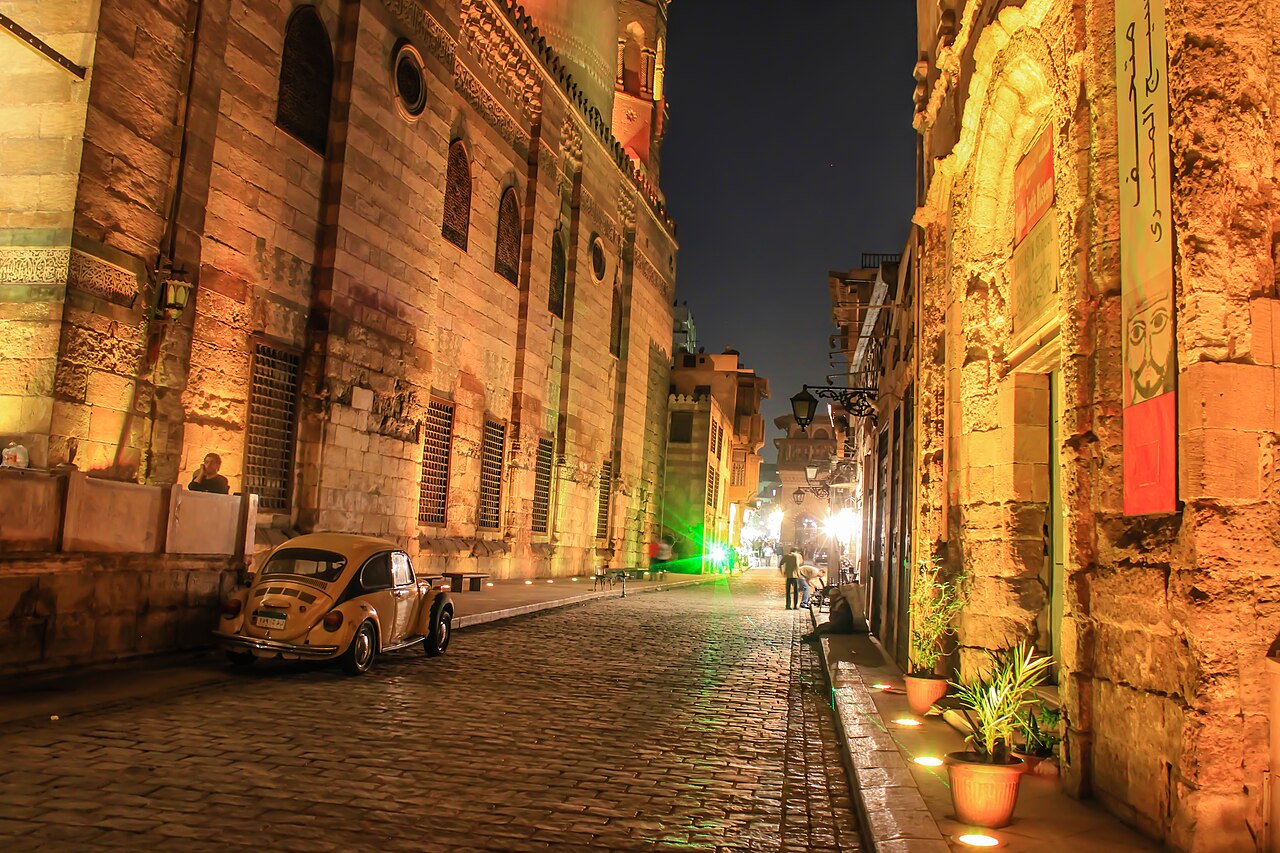
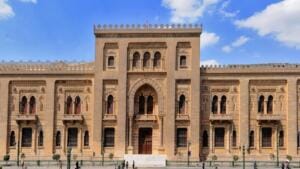
The Gayer-Anderson Museum occupies two restored 17th-century Cairene mansions adjoining the Mosque of Ibn Tulun in the historic Islamic district of Cairo, connected by an interior bridge and together forming one of the finest surviving examples of traditional Egyptian domestic architecture from the Ottoman period. The museum is named after Major Robert Grenville Gayer-Anderson, a British army officer and physician who lived in the house from 1935 to 1942 and filled it with an eclectic collection of antiques, Islamic decorative objects, ancient Egyptian artifacts, and curiosities gathered over decades of living in Egypt and across the Middle East.
The two houses — Bayt al-Kritliyya (17th century) and Bayt Amna bint Salim (18th century) — have been preserved with their original architectural features: a qa’a (central reception hall) with a fountain, mashrabiyya (carved wooden lattice screens), painted ceilings, mother-of-pearl inlaid furniture, Persian carpets, and a rooftop loggia. Gayer-Anderson filled the rooms with his personal collection in a manner that created the impression of a lived-in aristocratic home, and the museum retains this quality — objects are displayed in context rather than in glass cases.
The museum became internationally famous as a filming location: the interior of the Gayer-Anderson house served as the villain’s lair in the 1977 James Bond film ‘The Spy Who Loved Me,’ bringing the building to the attention of a global audience.
Bayt al-Kritliyya was built in 1632 CE for a Cairene merchant family, with later modifications and expansions in the 18th century. The name ‘al-Kritliyya’ (the Cretan woman) refers to a woman who reportedly lived in the house in a later period. The adjacent house of Amna bint Salim dates to 1540 CE in its earliest sections, making it one of the older domestic structures surviving in Islamic Cairo.
Robert Grenville Gayer-Anderson (1881–1945) was a British army officer who served in Egypt across multiple periods from the early 20th century. He developed a deep interest in Islamic art and Egyptian antiquities, and during his residence in the house he made extensive personal modifications to restore and enhance the traditional interiors while installing his collection. Before leaving Egypt in 1942, he donated the house and its contents to the Egyptian government, which opened it as a museum in 1942.
The neighboring Mosque of Ibn Tulun, built in 879 CE, is the oldest mosque in Cairo still in its original form and one of the oldest in the world. The Gayer-Anderson house shares a wall with the mosque’s exterior, and the rooftop loggia provides views directly into the mosque’s courtyard — one of the most architecturally intimate relationships between a domestic building and a major monument in all of historic Cairo.
The main reception room with its central marble fountain, painted wood ceiling, and surrounding raised sitting areas — the finest surviving example of a traditional Cairene domestic interior.
Carved wooden lattice screens throughout the house filter light into the interiors and provided visual privacy — extraordinary examples of the craft that defined Islamic domestic architecture.
A shaded rooftop terrace with views directly into the courtyard of the Mosque of Ibn Tulun — one of the most architecturally privileged viewpoints in historic Cairo.
Persian manuscripts, Islamic metalwork, ancient Egyptian antiquities, Anatolian carpets, and European curiosities displayed room by room as a personally curated domestic collection.
A concealed chamber accessible through a hidden door in the upper gallery, from which residents could observe the qa'a below through lattice screens — a traditional feature of Islamic domestic architecture.
Packages travelling to Cairo, where Gayer-Anderson Museum is located.



Start From

See what our happy travelers say about us



