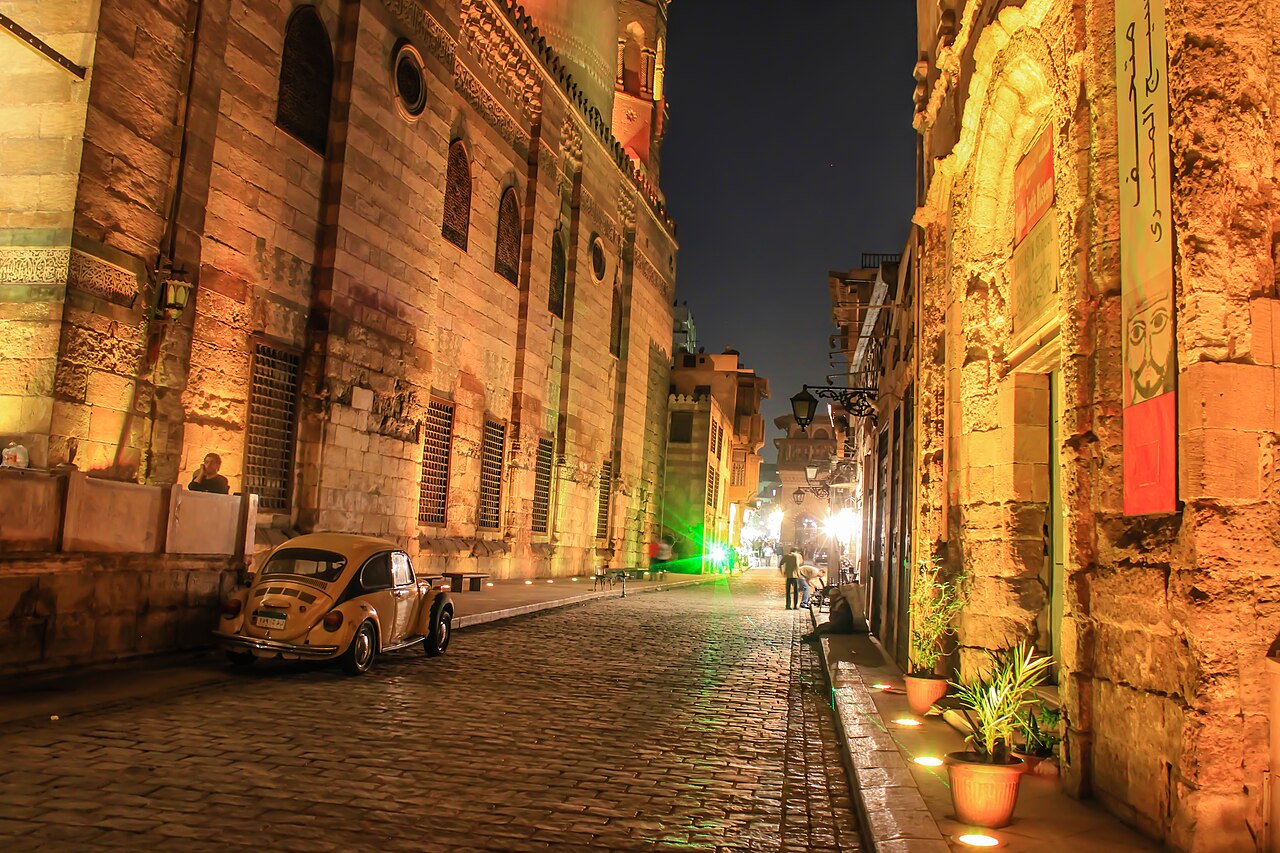
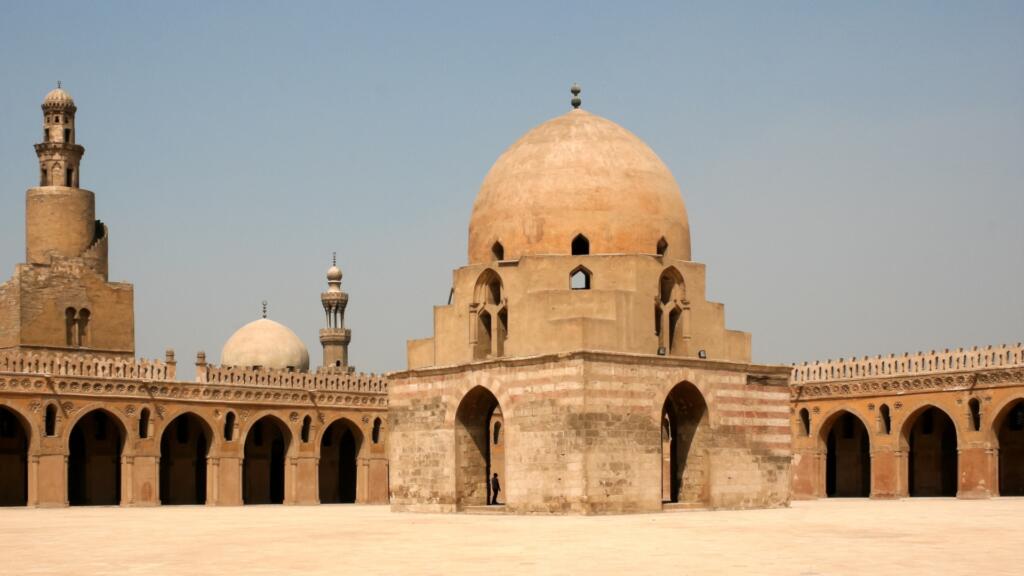
The Ibn Tulun Mosque is one of the most remarkable and historic mosques in Cairo, Egypt. Known for its vast open spaces and unique architectural style, it is the oldest surviving mosque in Egypt that has maintained its original form. Built in the 9th century, it remains an iconic symbol of Islamic heritage and is a must-visit attraction for history lovers and tourists alike.
The History of Ibn Tulun Mosque

The Ibn Tulun Mosque was built between 876 and 879 AD during the rule of Ahmad Ibn Tulun, the founder of the Tulunid Dynasty in Egypt. It was designed to serve as the main congregational mosque of the newly established capital, Al-Qata’i. The mosque has witnessed centuries of history, surviving periods of neglect and restoration, yet it remains an essential part of Cairo’s cultural and religious landscape.
Who Was Ibn Tulun?

Ahmad Ibn Tulun was a Turkish military commander who was appointed as the governor of Egypt by the Abbasid Caliphate in the 9th century. Over time, he gained power and established an independent dynasty, ruling Egypt and parts of Syria. He was known for his administrative skills, military strength, and contributions to Egypt’s architectural and economic development. His vision led to the construction of many important structures, with the Ibn Tulun Mosque being his most significant legacy.
The Construction of the Mosque

The mosque was constructed using red bricks and carved plaster, which were common materials during the Abbasid period. It was built on a raised platform to protect it from Nile floods, a strategic decision that contributed to its longevity. The mosque’s design was inspired by the Great Mosque of Samarra in Iraq, reflecting the strong influence of Abbasid architecture. It covers an area of around 26,000 square meters, making it one of the largest mosques in Cairo.
The Architecture of the Mosque

One of the most fascinating aspects of the Ibn Tulun Mosque is its unique spiral minaret, which is unlike any other in Egypt. It has an external staircase, allowing visitors to climb to the top for stunning views of Cairo. The mosque also features an open courtyard surrounded by arcades with beautifully decorated arches. The simplicity of its design and the use of geometric patterns make it a masterpiece of Islamic architecture.
The Significance of Ibn Tulun Mosque
The mosque holds great historical and religious significance as it represents one of the earliest examples of Islamic architecture in Egypt. It served as a major religious center during the Tulunid period and continued to be used for worship and learning over the centuries. Today, it stands as a testament to Egypt’s rich Islamic heritage and attracts scholars, architects, and tourists from around the world.
Visiting the Ibn Tulun Mosque

The Ibn Tulun Mosque is open to visitors daily, and entry is free. It is located in the Sayyida Zeinab district of Cairo and is easily accessible from various parts of the city. Visitors are advised to dress modestly out of respect for the religious site. The mosque’s peaceful atmosphere and historical charm make it a perfect place for those interested in exploring Cairo’s Islamic history. Additionally, the nearby Gayer-Anderson Museum, housed in a historic mansion, provides a deeper insight into Egypt’s past.
Visitors can also explore the nearby Sultan Hassan Mosque and Al–Rifa’i Mosque, both of which are stunning examples of Mamluk architecture. The mosque’s central location makes it an ideal stop for tourists exploring Islamic Cairo and Old Cairo landmarks.
Request a Call
[wpforms id=”21710″ title=”false” description=”false”]Our latest Posts

Christmas & New Year in Cairo & Luxor
Want to see this for yourself? This trip covers it.
View This Trip


At Top Class Egypt Travel, we specialize in curating extraordinary travel experiences that go beyond the ordinary. From the awe-inspiring pyramids of Giza to the vibrant bazaars of Cairo, our itineraries are crafted to immerse you in the rich tapestry of Egyptian history, culture, and natural beauty.