


Attraction Details
Overview
Al-Hussein Mosque
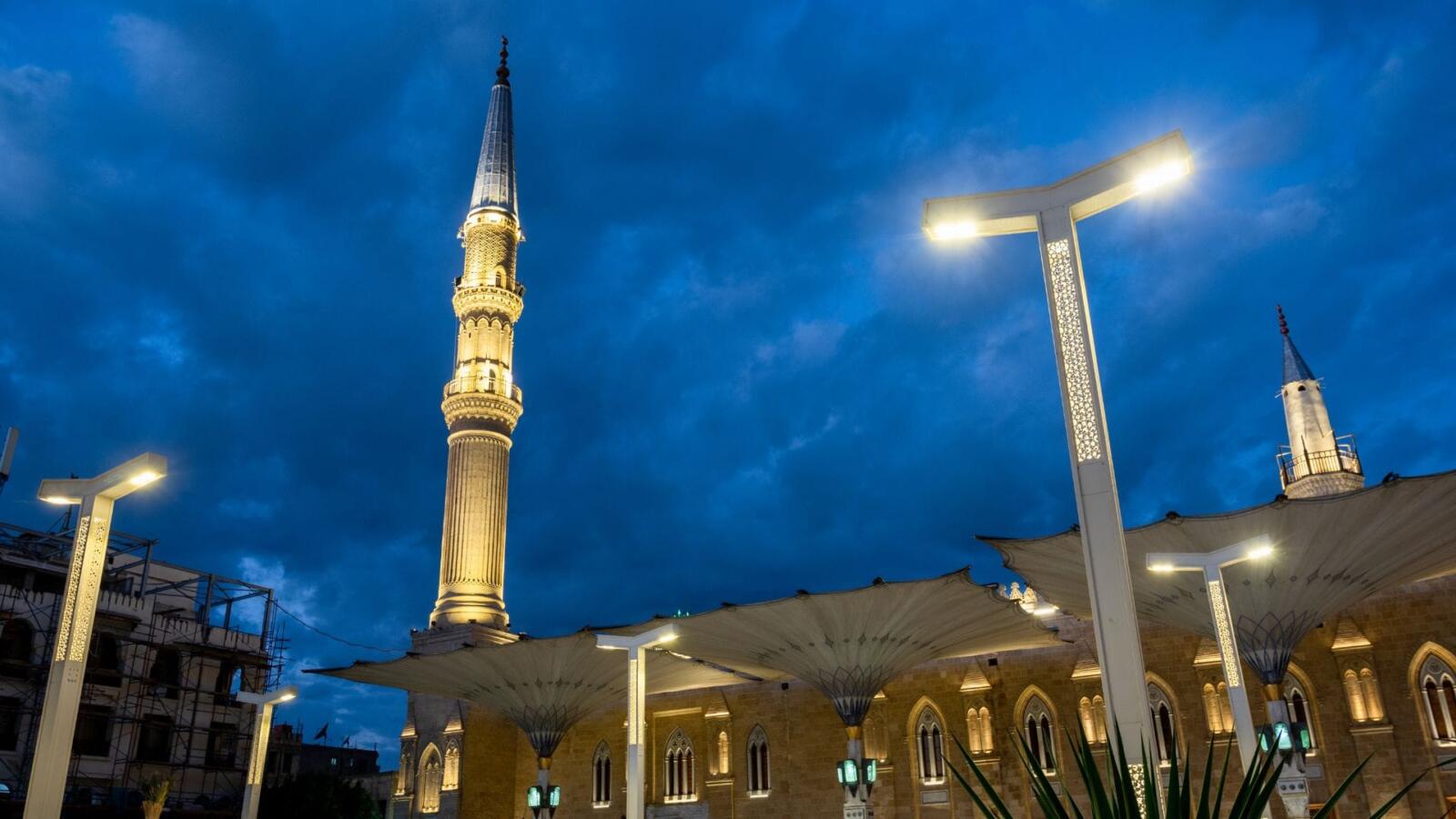
Al-Hussein Mosque in the heart of Islamic Cairo is the most venerated Islamic site in Egypt and one of the holiest shrines in the Sunni Muslim world, believed to contain the head of al-Hussain ibn Ali — the grandson of the Prophet Muhammad and son of the Caliph Ali — who was killed at the Battle of Karbala in 680 CE. The mosque stands at the center of the Khan el-Khalili district, across a broad open square from the al-Azhar Mosque, and its annual festival — the Moulid al-Hussein — is the largest religious gathering in Egypt, drawing millions of visitors to the surrounding streets.
The current mosque building dates primarily to 1870 CE, built on the site of a much earlier shrine established in the Fatimid period. The exterior is a grand neo-Islamic structure with a prominent marble minaret rising above the Khan el-Khalili roofline, and the interior is richly decorated with green marble, gilded woodwork, stained glass, and the ornate silver-grilled enclosure surrounding the supposed location of the relic. A large prayer hall and a women’s section accommodate the thousands of worshippers who visit daily.
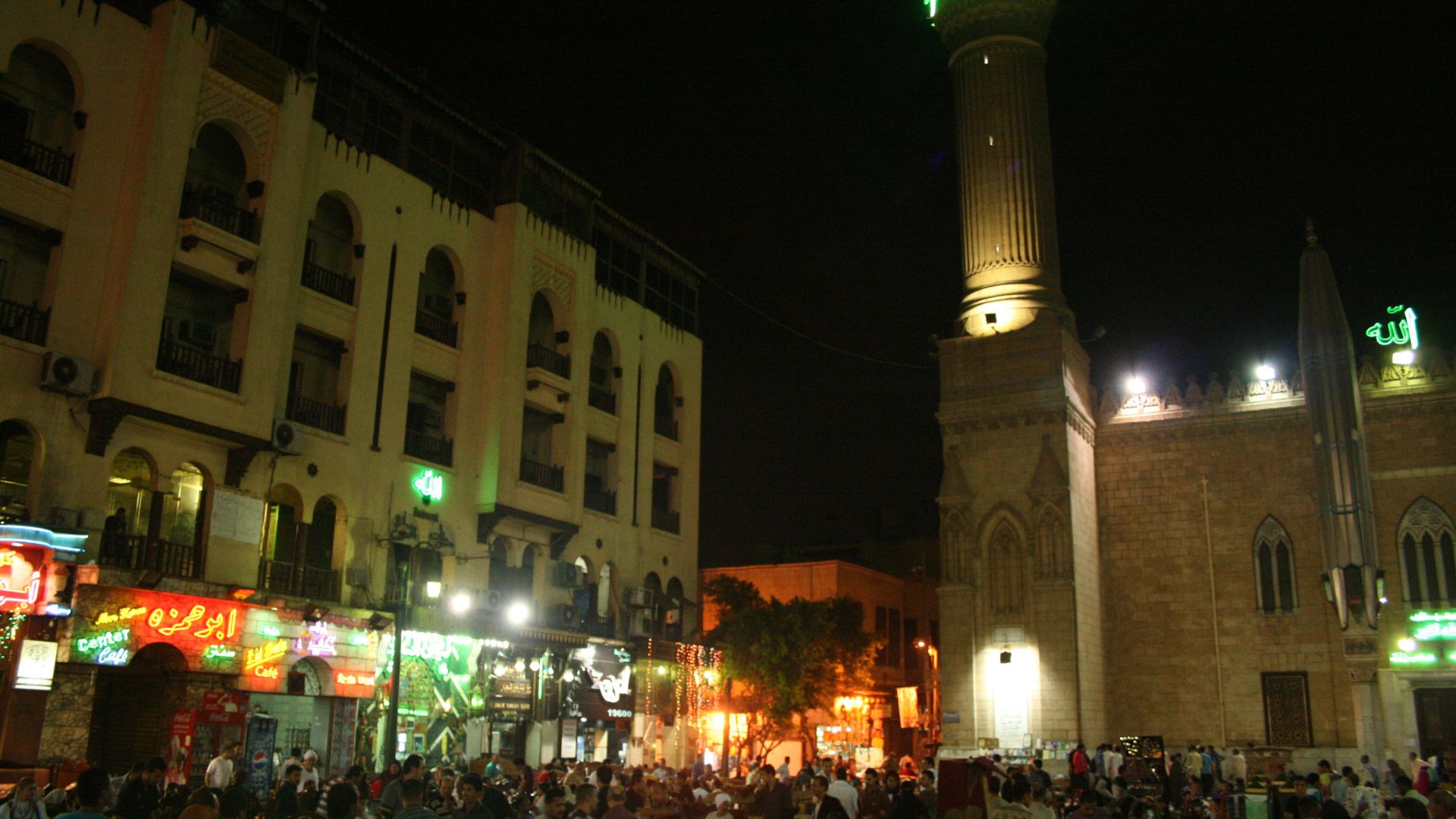
For non-Muslim visitors, the mosque square is a powerful social space at any hour — surrounding cafes have operated for generations, including the famous El-Fishawi cafe (established 1773), and the evening atmosphere around the mosque during ordinary nights and especially during the Moulid period represents some of the most intense street-level social energy in Cairo.
History & Significance
Al-Hussain ibn Ali, the grandson of the Prophet Muhammad, was killed at the Battle of Karbala in present-day Iraq on the 10th of Muharram, 680 CE — an event that became the defining tragedy of Islamic history and the origin of the Sunni-Shia split. His martyrdom is commemorated annually as Ashura, one of the most significant days in the Islamic calendar for both Sunni and Shia Muslims.
The tradition that al-Hussain’s head was brought to Egypt was established during the Fatimid period — the Fatimids, as Ismaili Shia Muslims, had a particular devotion to the family of the Prophet. A shrine was built in the Fatimid capital of Cairo to house the relic, and the veneration of al-Hussain became one of the most important expressions of popular religion in Egypt across both Shia and Sunni traditions.
The current mosque building was constructed during the reign of Khedive Ismail in 1870, replacing earlier Mamluk and Ottoman structures on the same site. The Khedive’s construction gave the mosque its present grand scale, integrated into the broader 19th-century modernization of Cairo’s urban fabric. The mosque’s status as the burial site of al-Hussain’s relic has made it the focus of popular devotion that transcends sectarian boundaries — both Sunni and Shia Muslims revere the shrine.
What to See
Interior Shrine Enclosure
The silver-grilled enclosure around the supposed location of al-Hussain's relic — the focal point of devotion for thousands of daily visitors — is the most sacred space in Egyptian Islam.
Decorated Interior
The prayer hall with its green marble, gilded woodwork, stained glass windows, and ornate wooden ceiling represents the most lavish 19th-century Egyptian mosque interior still in regular use.
Mosque Square Evening Atmosphere
The surrounding square — flanked by El-Fishawi cafe and other historic establishments — is one of Cairo's most animated social spaces, especially after nightfall.
Photo Gallery





Visitor Information
Daily 24 hours; closed to non-Muslim visitors during the five daily prayers
⛔ Closed: NeverStrict — shoulders & knees covered
Photography restricted
Fully accessible
💡 Visitor Tips
Location & Map
🚕 How to Get There
Located at Al-Hussain Square adjacent to Khan el-Khalili in Islamic Cairo; accessible by taxi from Tahrir Square (20 min) or on foot from the al-Azhar Mosque (2-minute walk across the square).

