
 Package
 Attraction
 Attraction
 Attraction
 Attraction
 Attraction
 Attraction
Testimonials
Our Clients Reviews
See what our happy travelers say about us
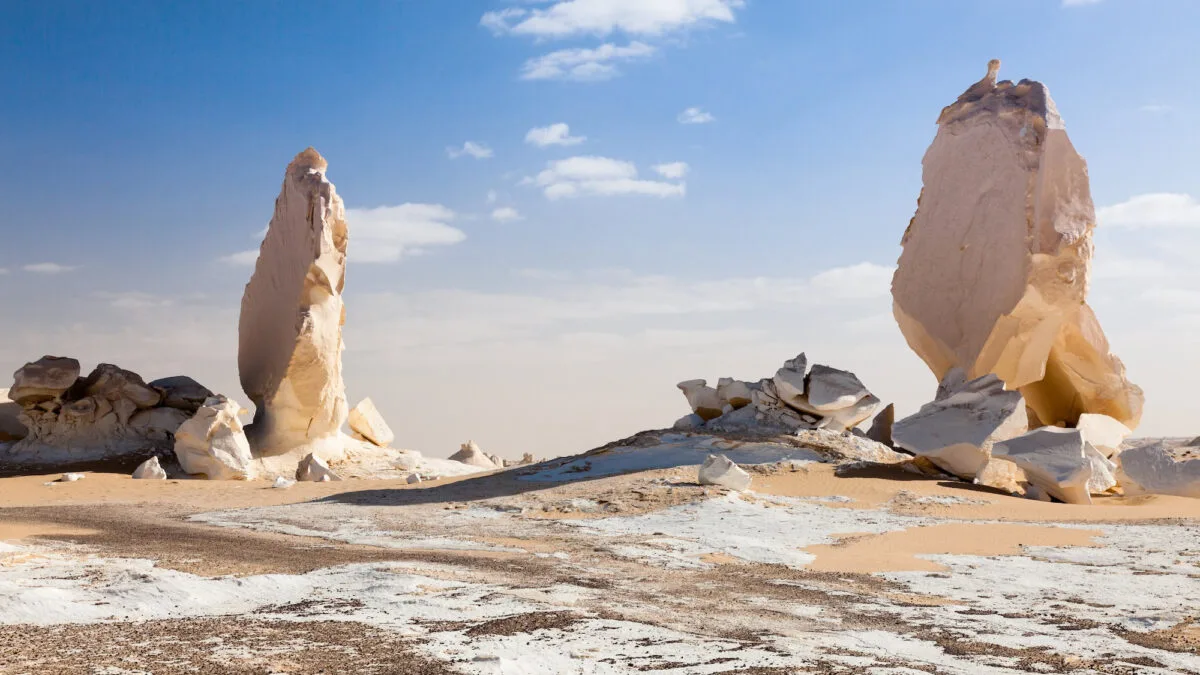
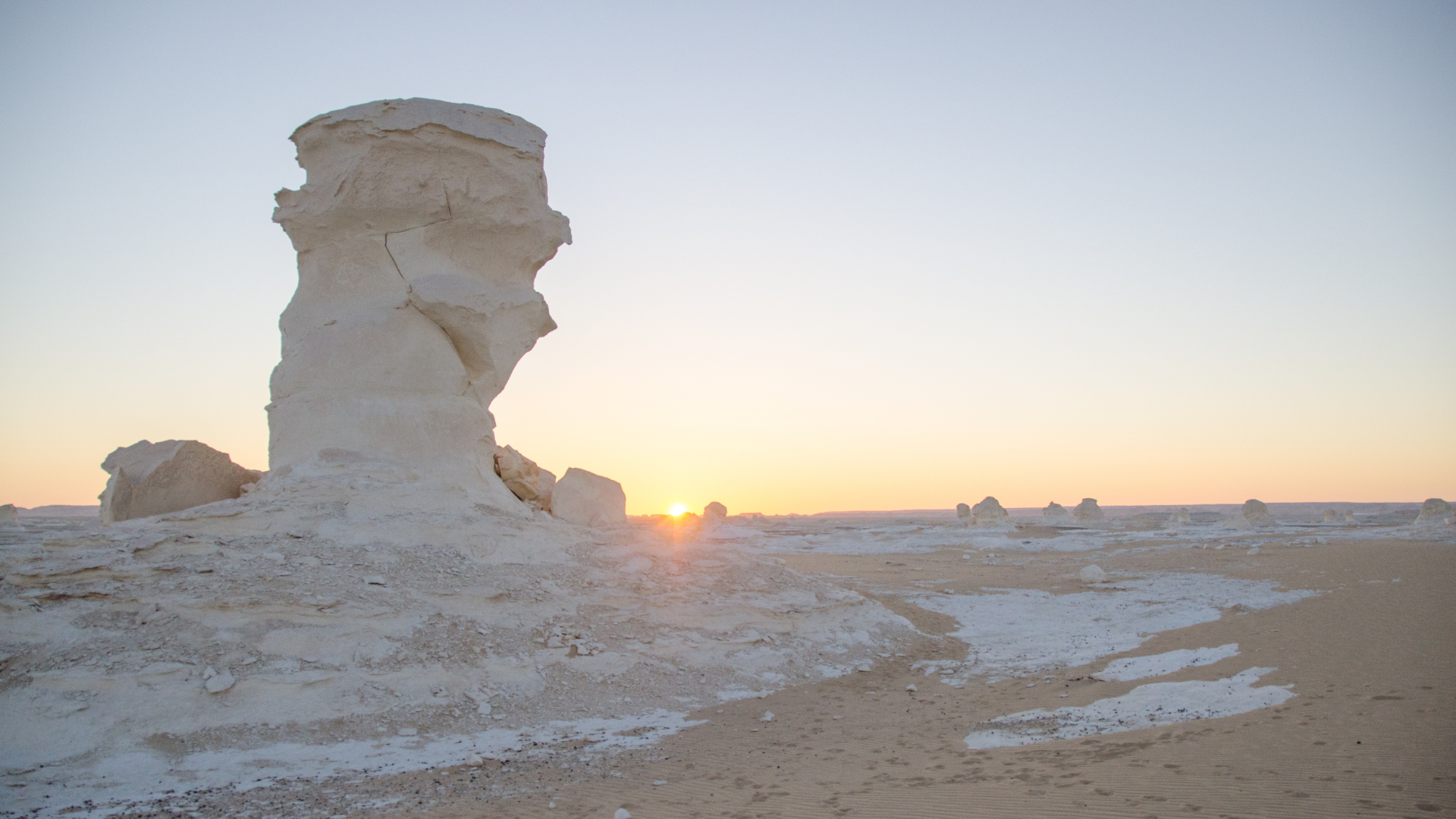
The White Desert National Park (Sahara al-Beyda) is a protected natural area approximately 45 km north of Farafra Oasis, encompassing the most extraordinary chalk and limestone formations in Egypt — an other-worldly landscape of wind-eroded white formations rising from a cream and ochre plain in mushroom shapes, arched spans, reclining animal forms, and abstract organic sculptures that have been compared by visitors to everything from a moonscape to a surrealist sculpture garden. The park covers approximately 3,010 square kilometers and was designated a protected area in 2002.
The formations were created over tens of millions of years by wind erosion of the thick chalk and limestone deposits left by the ancient Tethys Sea when the Western Desert was a shallow tropical ocean. Differential erosion — where softer material erodes faster than harder material — created the mushroom shapes whose narrow stems and wider caps are the defining visual motif of the White Desert. The formations are white because the chalk is pure calcium carbonate, deposited without the iron oxides and manganese compounds that color the rock of the Black Desert to the north.
The White Desert’s visual character shifts dramatically through the day and night. At sunrise the formations blush pink and orange. By midday they are brilliant white against the blue sky. At sunset they turn golden and amber. By moonlight — particularly at full moon — they glow with an eerie blue-white luminescence that transforms the landscape into something that looks genuinely alien. Overnight camping among the formations is considered one of the essential Egyptian travel experiences, offering all four visual states in a single night.
The White Desert’s geological history begins approximately 95 million years ago when the region was covered by a warm shallow sea rich in calcium carbonate. As the sea creatures died and their shells accumulated on the seafloor, they formed the thick chalk deposits that now constitute the White Desert’s rock. When the region was later uplifted above sea level and exposed to wind erosion, the chalk was carved into the formations visible today — a process that began millions of years ago and continues at a measurable rate.
The area was known to local Bedouin communities as a distinctive and navigationally useful landmark but had no formal protection or tourist infrastructure until the growth of Western Desert tourism in the 1990s. The first organized 4WD tours to the White Desert from Cairo via Bahariya began in the early 1990s and grew rapidly through the decade as word spread of the landscape’s extraordinary visual character.
The Egyptian government established the White Desert as a national park in 2002, following concern that increasing unregulated tourism — off-road driving, campfire burning, and formation climbing — was damaging the chalk structures. The national park designation introduced controlled access, guide requirements, and campsite regulations that have partially addressed the conservation challenges while maintaining visitor access.
The defining visual image of the White Desert — chalk pillars with narrow stems and wider caps rising from the plain, ranging from human-height to 10+ meters, in clusters and in isolation across the landscape.
Camping among the formations through sunset, moonrise, and dawn — experiencing the complete color transformation of the White Desert from orange-gold at sunset through blue-white moonlight to pink-orange sunrise.
The White Desert by full moon is one of Africa's most extraordinary nocturnal environments — the chalk formations glow with reflected moonlight while the desert floor shimmers in near-complete silence.
The formations blush pink and orange at sunrise, with long shadows cast across the pale desert floor — the classic White Desert photograph taken in the first 30 minutes after dawn.
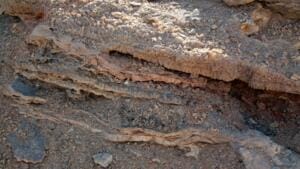
The chalk formations contain the fossilized shells of ancient sea creatures — sea urchins, molluscs, and occasionally larger organisms visible in cross-section in the eroded rock faces.
These packages visit this site as part of the itinerary.

Start From

See what our happy travelers say about us



