
 Package

 Package

 Attraction
 Attraction
Testimonials
Our Clients Reviews
See what our happy travelers say about us
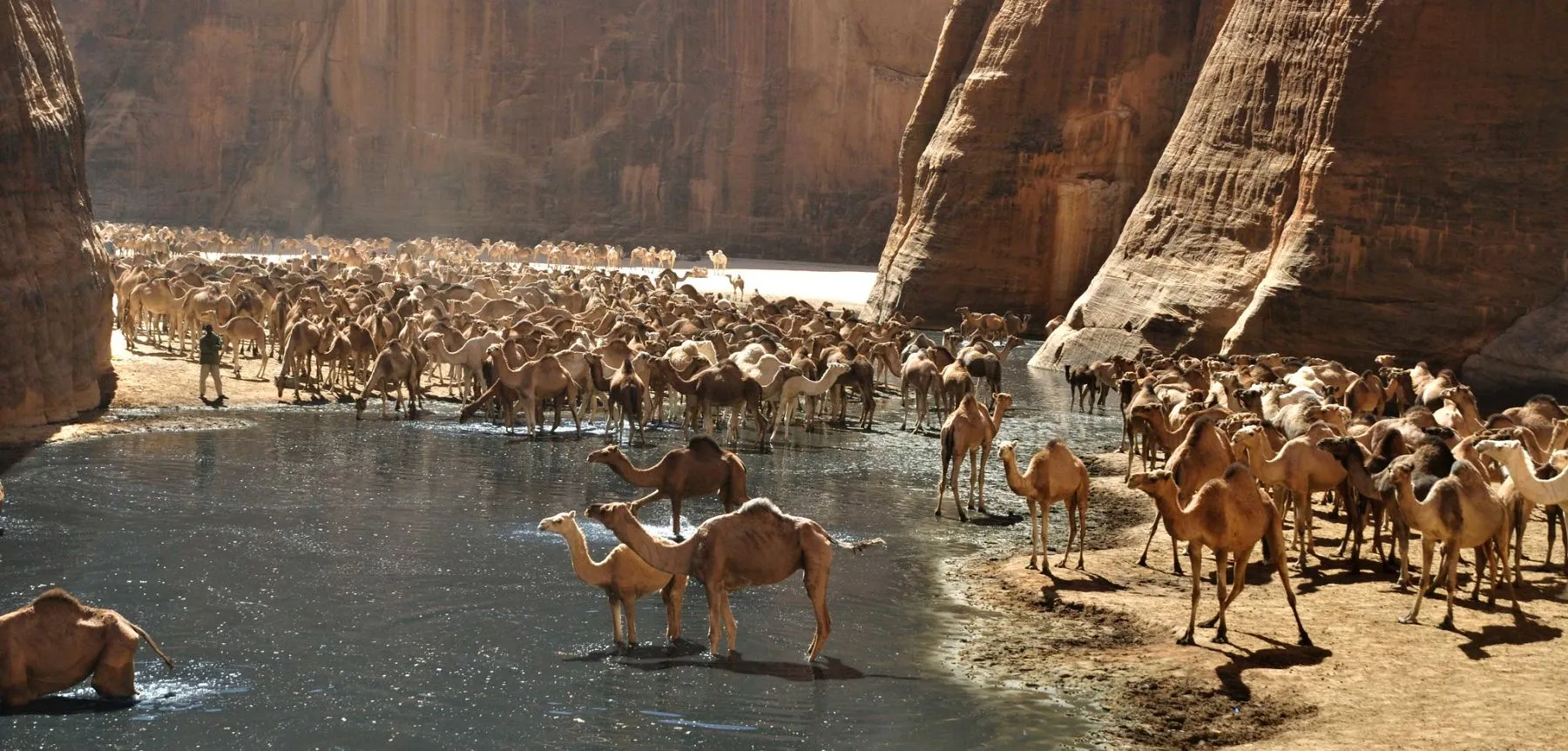
Wadi El Gemal National Park is Egypt’s largest terrestrial and marine protected area, covering approximately 7,450 square kilometers of Red Sea coastline, desert mountains, wadis, and offshore waters along the southern Red Sea coast between Marsa Alam and Berenice. Established in 2002, it protects one of the most ecologically diverse and least-disturbed coastal environments remaining in Egypt — an area where ancient Egyptian mining routes cross through pristine wadis to reach coral reefs, mangrove forests, sea turtle nesting beaches, and some of the richest marine biodiversity in the Red Sea.
The park takes its name from the Wadi El Gemal (‘Valley of the Camels’) — a broad desert valley running from the Red Sea coast into the Eastern Desert mountains, historically used as a caravan route between the Nile Valley and the Red Sea coast. Within the wadi and its surrounding mountains, the park protects significant populations of Nubian ibex, gazelles, foxes, and migratory birds, alongside ancient Egyptian emerald mines, Ptolemaic-era inscriptions, and the ruins of Berenice Troglodytika — a Roman port city on the park’s southern boundary.
Offshore, the park’s marine protected area contains some of the Red Sea’s best-preserved coral reef systems, with pristine hard and soft coral formations, dolphins, sea turtles, sharks, and a complete range of Red Sea reef fish species. Dugongs (sea cows) are occasionally sighted in the seagrass beds near Wadi El Gemal Island — one of the last remaining dugong populations in the Egyptian Red Sea.
The Wadi El Gemal area has been economically important since antiquity. The ancient Egyptians operated emerald mines in the mountains of the Eastern Desert visible from the park, with mining activity documented from the Middle Kingdom through the Roman period. The Ptolemaic port of Berenice, founded by Ptolemy II Philadelphus in 275 BCE near the park’s southern boundary, was the primary terminal of the desert caravan routes connecting the Nile Valley to the Red Sea trade with Arabia, India, and East Africa.
The offshore waters of Wadi El Gemal were part of the ancient Egyptian Red Sea trading zone — the route traveled by Egyptian fleets to the land of Punt, documented in the Hatshepsut expedition reliefs at Deir el-Bahari. The coastal landscape has changed relatively little since antiquity, with the same mangroves, coral reefs, and turtle beaches that ancient Egyptian sailors would have recognized.
The establishment of Wadi El Gemal National Park in 2002 was driven by recognition that the rapid development of Red Sea tourism threatened the southern coast’s exceptional ecological values. The park management has balanced tourism access with conservation, permitting organized diving, snorkeling, wildlife watching, and cultural heritage visits while restricting development, fishing, and unguided off-road driving within the protected zone.
Pristine Red Sea coral reef systems with hard and soft corals, sharks, rays, dolphins, and the full range of Red Sea reef fish — among the least-disturbed marine environments on Egypt's Red Sea coast.
A small coastal island with mangrove forests, sea turtle nesting beaches, and occasionally dugong sightings in the adjacent seagrass — accessible by boat from the park's coastal visitor point.
Pharaonic and Roman emerald mining sites in the Eastern Desert mountains, with inscriptions, tool marks, and tunnels accessible on organized guided hikes into the park's mountain zone.
Nubian ibex, gazelles, and foxes in the desert mountains; migratory birds along the coast; sea turtles offshore — one of Egypt's most biodiverse protected areas for wildlife observation.
The archaeological remains of the ancient Red Sea port at the park's southern edge, including temple foundations, harbor infrastructure, and the debris of 2,000 years of Indian Ocean trade.

See what our happy travelers say about us



