

 Package
 Package


 Attraction
 Attraction
 Attraction
 Attraction
Testimonials
Our Clients Reviews
See what our happy travelers say about us
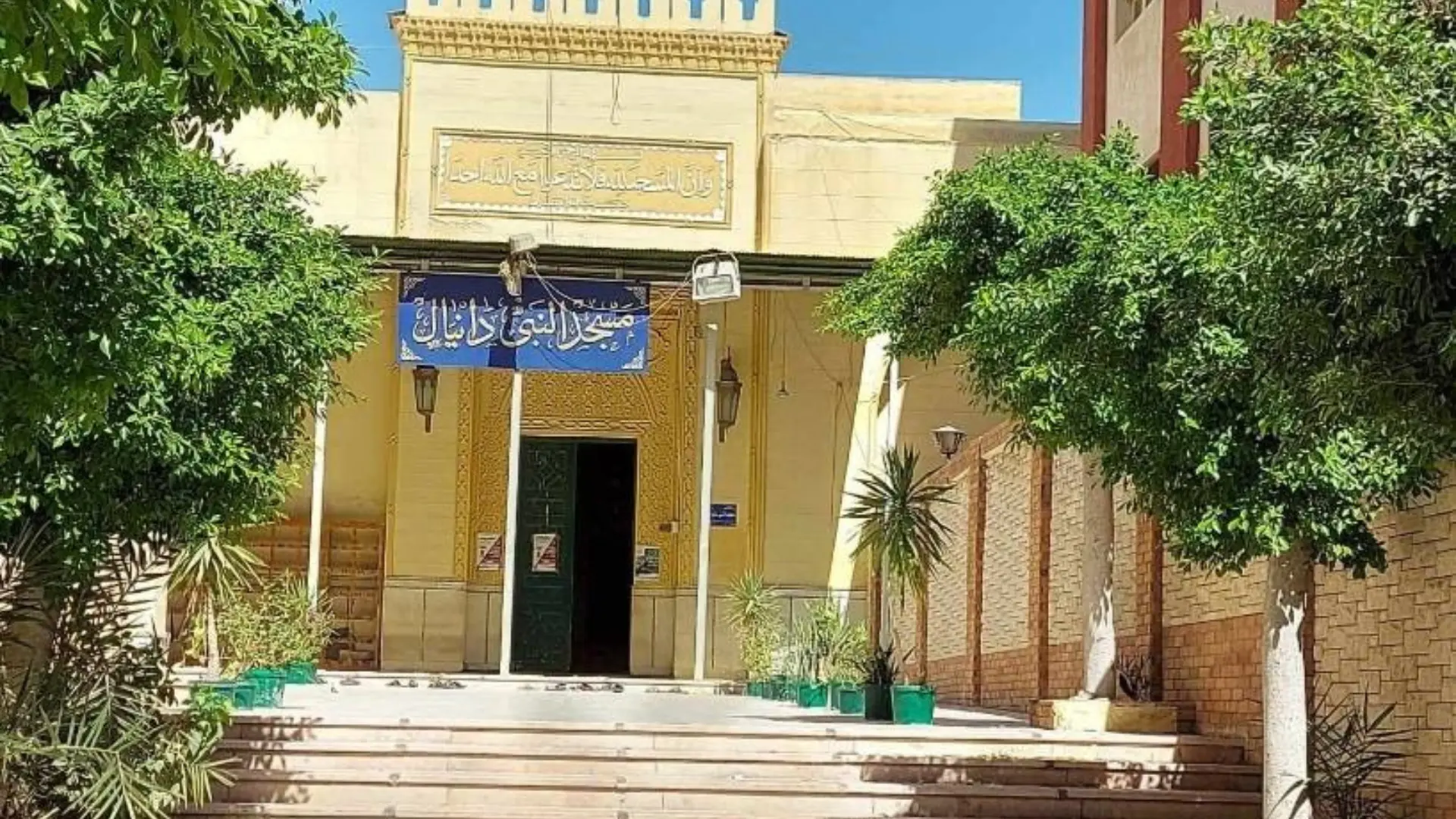
Nabi Daniel Mosque on Nabi Daniel Street in central Alexandria is one of the city’s oldest surviving Islamic monuments and the focus of persistent legends claiming that the body of Alexander the Great — and in some versions the body of the Prophet Daniel — lies in underground vaults beneath the mosque. The mosque itself is a modest Ottoman-period structure of no exceptional architectural distinction, but its location, its legends, and its position in Alexandria’s cultural mythology have made it one of the most discussed sites in the city among historians, archaeologists, and travelers for over two centuries.
The mosque is dedicated to the Sufi figure Sheikh Muhammad Daniel, who is buried within it. The ‘Nabi Daniel’ (Prophet Daniel) association appears to have been a conflation of different traditions over time — some scholars believe it originated from a Jewish tradition associating the site with the biblical prophet Daniel, while the Alexander the Great legend developed in European and Arabic travelers’ accounts from the medieval period onward.
The legend of Alexander’s tomb in Alexandria has driven generations of archaeological searches throughout the city, none of which has yet produced convincing evidence. The Nabi Daniel mosque has been excavated or investigated multiple times, most recently in the 20th century, without finding evidence of royal burial chambers. The mosque’s basement does contain a flooded lower level, which has fueled continued speculation.
For visitors, the mosque is primarily of interest as a place where living religious practice, urban legend, and historical mystery intersect in the compressed layered geography of central Alexandria.
The site of the Nabi Daniel mosque has a long religious history predating its current Islamic use. Islamic tradition holds that the site was already venerated in the early medieval period, and Ottoman-era accounts describe a mosque and associated shrine on the location. The current building dates primarily to the 18th and 19th centuries, with modifications in the 20th century.
The Alexander the Great tomb tradition in Alexandria is ancient — the Macedonian conqueror died in Babylon in 323 BCE, and his body was brought to Egypt, first to Memphis and then to Alexandria, where it was housed in a mausoleum (the Soma) in the royal quarter. Ancient sources describe the tomb being visited by Julius Caesar, Mark Antony, Cleopatra, and Augustus Caesar. The tomb disappears from historical record in the 4th century CE, after which its location became unknown.
The specific connection between the Soma and the Nabi Daniel mosque site appears in accounts from the 14th century CE onward. European travelers in the 18th and 19th centuries were told by local guides that Alexander’s tomb lay beneath the mosque, and this tradition was investigated by multiple serious archaeologists. The Greek archaeologist Stefanos Doucas investigated the mosque’s basement in 1850 and found a flooded lower level with sealed alcoves — insufficient evidence for a royal tomb but enough to sustain the legend.
The mosque's position at the center of Alexandria's most persistent historical mystery — the lost tomb of Alexander the Great — makes it a uniquely resonant site regardless of its modest architecture.
The interior tomb shrine of Sheikh Muhammad Daniel, the historical Islamic figure to whom the mosque is formally dedicated — an active Sufi devotional site beneath the weight of its larger legends.
The surrounding street, running through the grid of the ancient Greek city of Alexandria, approximately follows the line of the ancient Canopic Way — one of the two main streets of Alexander's original city plan.

See what our happy travelers say about us



