





 Attraction
 Attraction
 Attraction
 Attraction
 Attraction
 Attraction
Testimonials
Our Clients Reviews
See what our happy travelers say about us

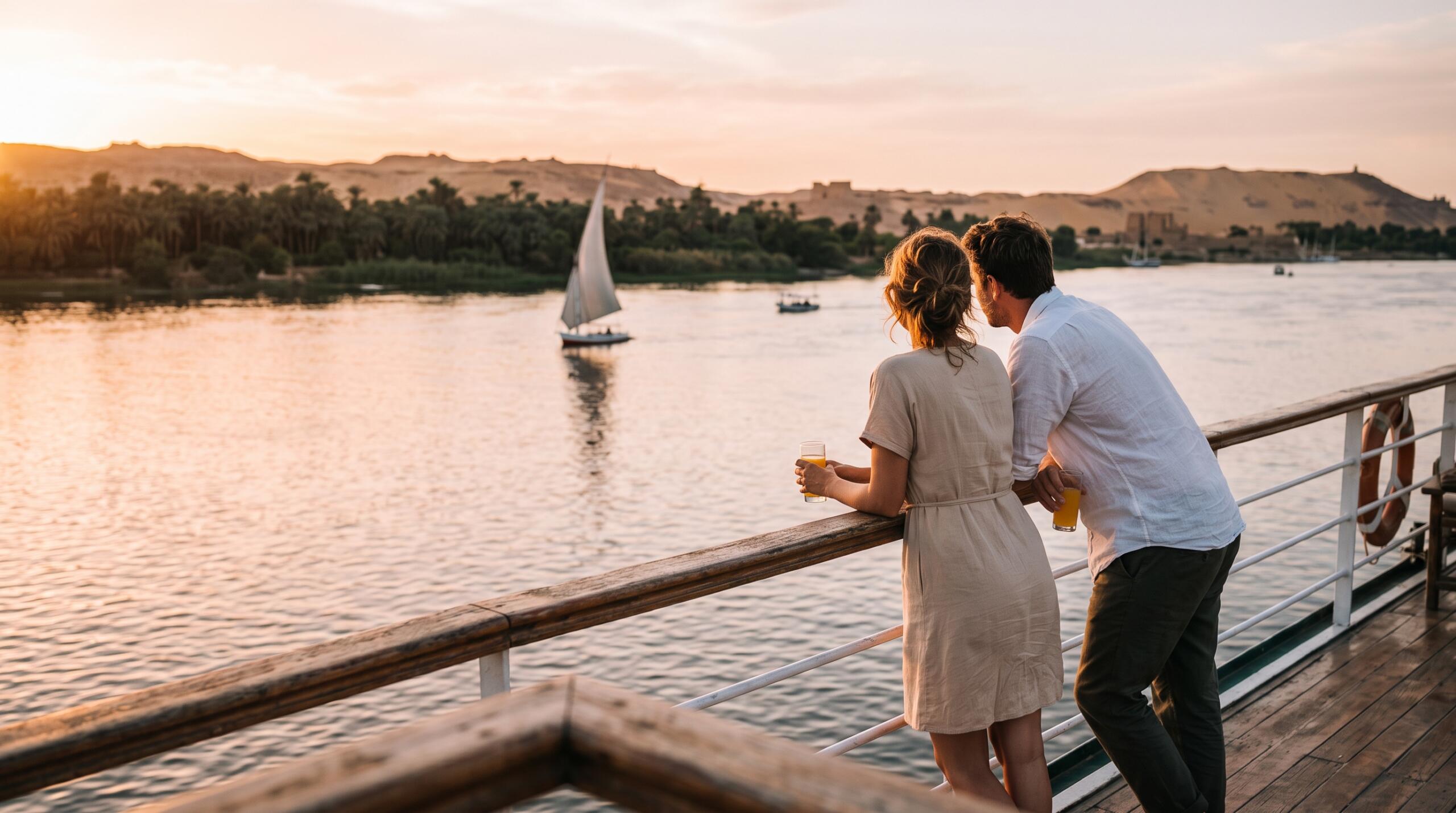
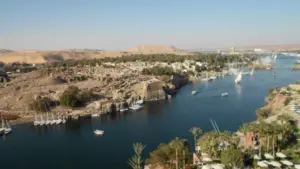
A felucca sunset sail on the Nile at Aswan is one of the most iconic and unhurried experiences in Egypt — gliding silently across the water on a traditional white-sailed wooden boat as the sun drops behind the western desert hills, the water turns gold and copper, and the granite boulders of the Elephantine Island and the Nile’s first cataract glow in the fading light. Aswan’s particular stretch of the Nile — wider, island-studded, and framed by desert hills rather than agricultural floodplain — makes it the most scenically distinctive section of the river for felucca sailing, and the city’s Nubian character gives the experience a cultural warmth different from the more touristically intense atmosphere of Luxor.
Feluccas are traditional lateen-rigged wooden sailing boats that have worked the Nile for millennia, propelled entirely by the wind with no motor — in Aswan, where the prevailing northerly wind reliably blows upstream, feluccas can make good progress in either direction by tacking. The boats are crewed by Nubian captains whose families have sailed the river for generations, and the sailing itself is relaxed and quiet — a deliberate contrast to the motor noise of the larger cruise ships.
The standard sunset sail from Aswan’s Corniche crosses to Elephantine Island, circles around Kitchener’s Island, passes the Mausoleum of the Aga Khan on the west bank hillside, and returns — taking in the principal river landmarks as the evening light transforms the granite and water. Longer overnight or multi-day felucca journeys between Aswan and Luxor (3–5 days) are also available for travelers who want the most intimate possible river experience.
The felucca is among the oldest boat designs still in active use anywhere in the world. The lateen sail — a triangular sail set on a long yard at an angle to the mast — allows sailing close to the wind and was the dominant Mediterranean and Nile sailing technology for centuries before motorized transport. On the Nile, the felucca’s design evolved to take advantage of the river’s predictable wind pattern: the north wind blows reliably upstream (southward), allowing feluccas to sail south under wind power and drift north with the river current — a system that made the Nile one of the most naturally navigable rivers in the world.
Feluccas were the primary commercial transport on the Nile until the introduction of steam navigation in the 19th century. Today they survive primarily as tourist vessels and for short-distance local transport, particularly around Aswan and Luxor. The Nubian captains who operate Aswan’s feluccas often represent several generations of river families whose cultural connection to the Nile predates the Arab presence in the region.
The Nile surface turning gold and copper as the sun drops behind the western desert hills — Aswan's desert framing makes the sunset light here more dramatic than at any other point on the river.
The large Nile island with its ancient Egyptian ruins, Nubian villages, and granite boulders — the felucca circuit typically passes around the island's shores.
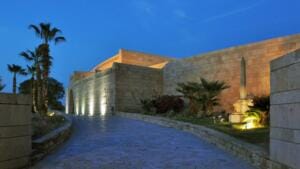
The white domed mausoleum on the west bank hillside, visible from the river as the sun illuminates it from the west — one of Aswan's most distinctive landmarks seen from the water.
The complete absence of motor noise — only wind, water, and the occasional creak of the rigging — makes the felucca experience qualitatively different from any motorized Nile transport.
Packages travelling to Aswan, where Felucca Sailing at Sunset Aswan is located.


Start From

Start From

See what our happy travelers say about us



