






 Attraction
 Attraction
 Attraction
 Attraction
 Attraction
 Attraction
Testimonials
Our Clients Reviews
See what our happy travelers say about us
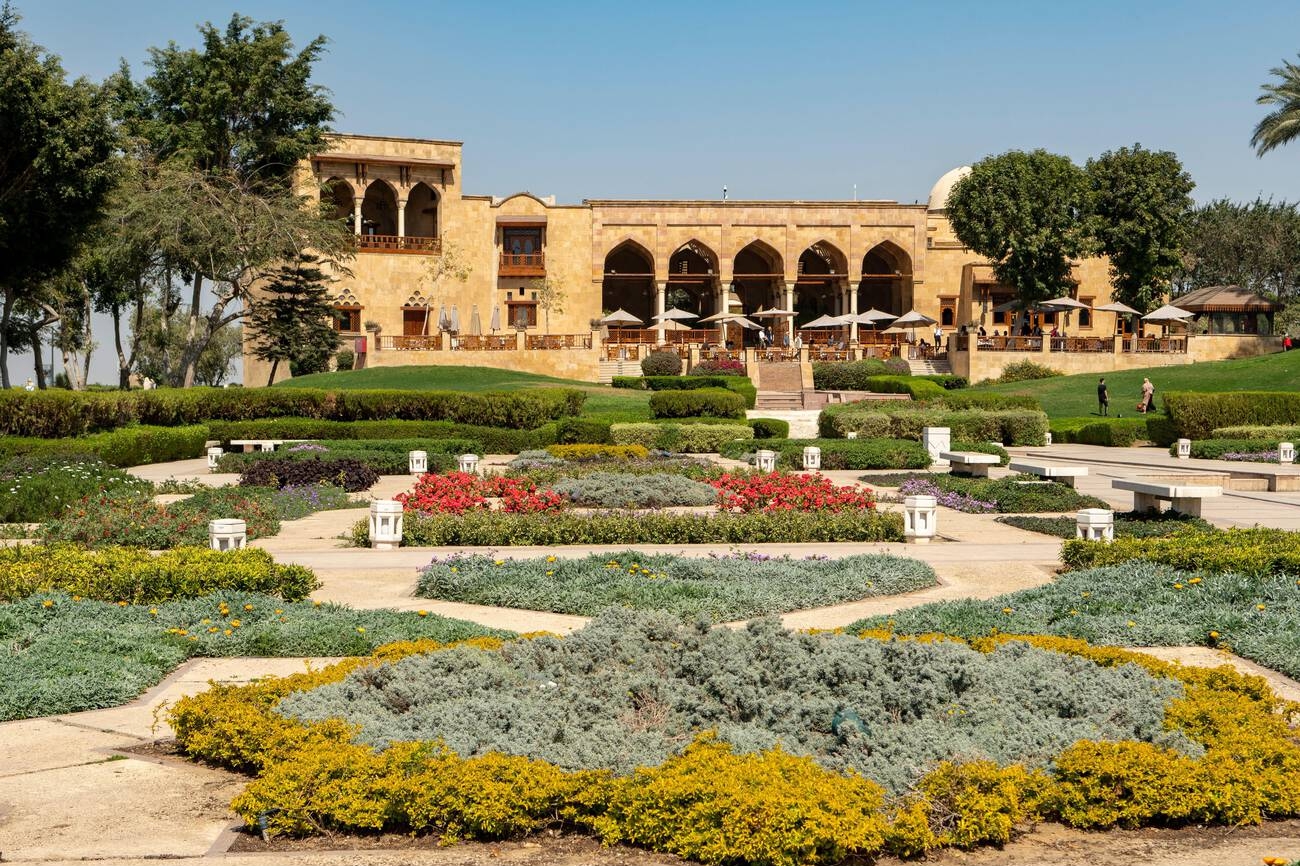
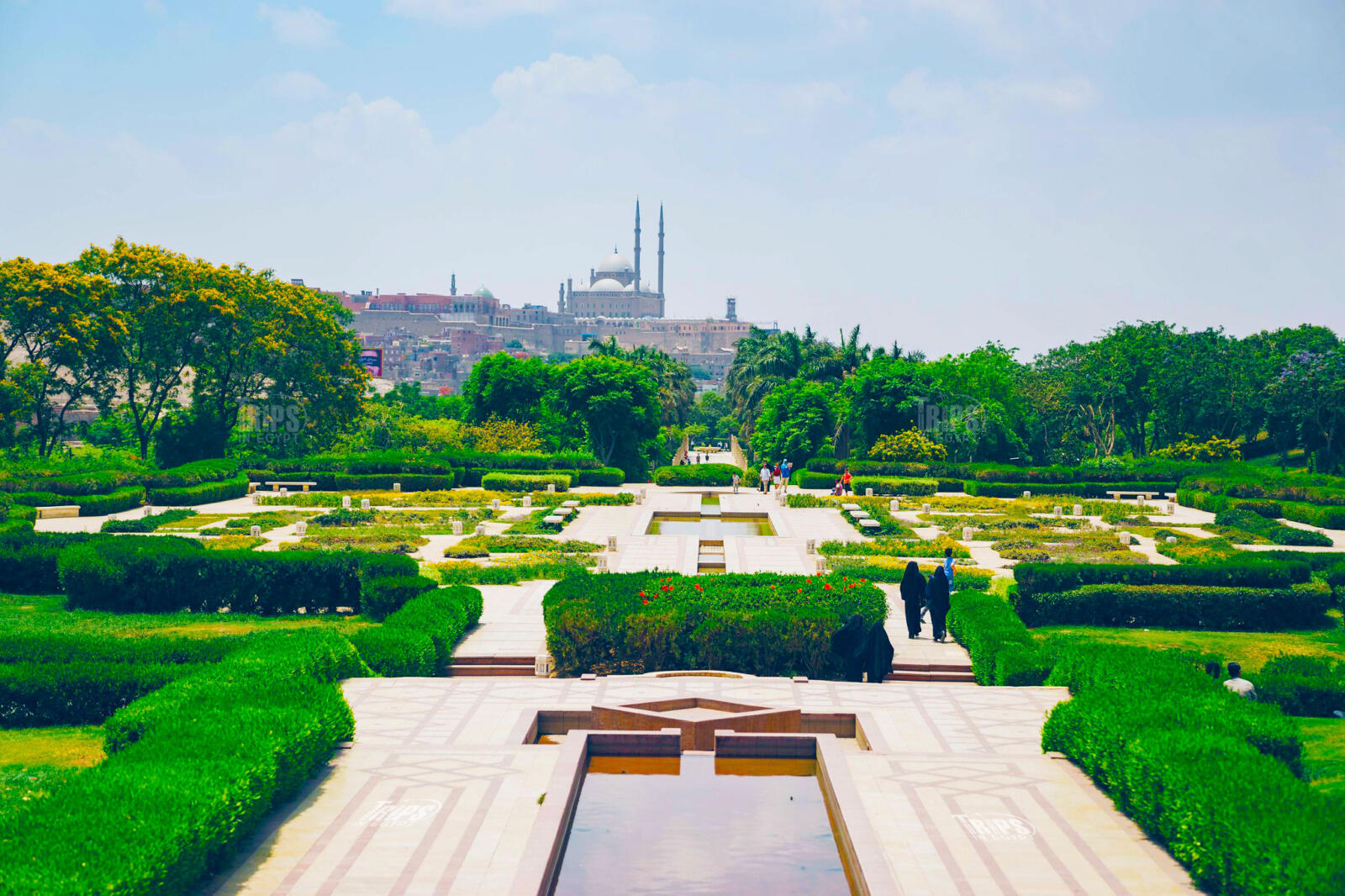
Al-Azhar Park is a 30-hectare public garden on the Darassa Hills in central Cairo, opened in 2005 and widely cited as one of the most significant urban development projects in the Middle East in the last generation. For over 500 years, the hill site was occupied by a massive debris mound accumulated from centuries of construction and demolition in the adjacent historic Islamic city. The Aga Khan Trust for Culture, working with the Cairo Governorate, cleared the site, constructed the park, and simultaneously undertook the restoration of the 12th-century Ayyubid city wall that forms the park’s western boundary — revealing a 1.5-km section of medieval wall that had been buried under the same debris for centuries.
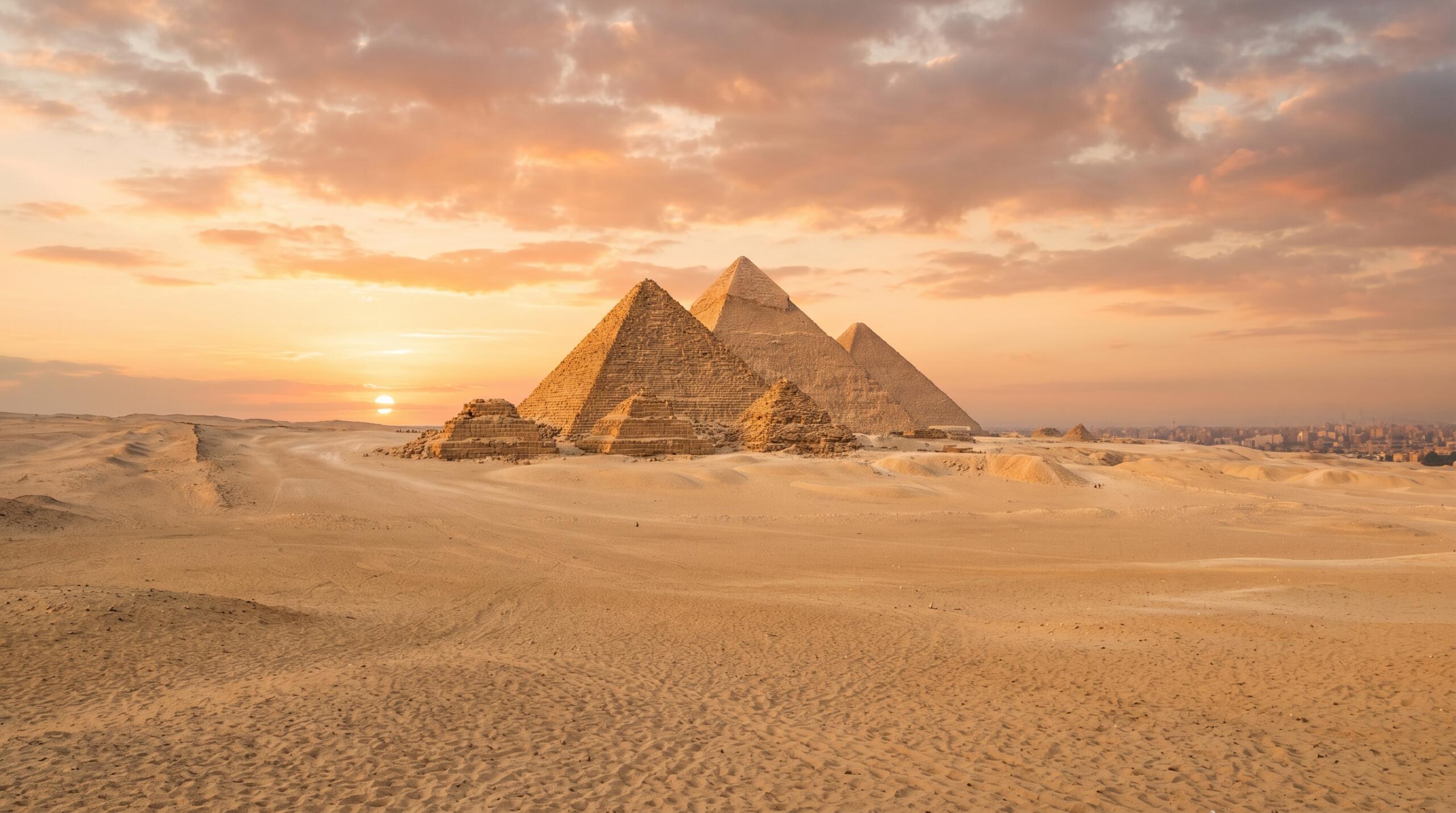
The park is laid out in a formal Islamic garden design — axial paths, terraced hillside, fountains, and geometrically planted flowerbeds — referencing the Mughal and Andalusian garden traditions that shaped Islamic landscape design. From the upper terraces, panoramic views extend across the rooftops of Islamic Cairo to the minarets of the Citadel, the domes of the Sultan Hassan and Rifai mosques, and — on clear days — the Pyramids of Giza on the western horizon.
Beyond its function as a green space in one of the world’s most densely inhabited cities, Al-Azhar Park represents a model for urban regeneration in historic districts. The Aga Khan Trust’s project also included restoration of adjacent Darb al-Ahmar neighborhood buildings, providing affordable housing and economic development alongside the park — a comprehensive approach to heritage-led urban development that has been studied internationally.
The Darassa Hills, on which the park now stands, accumulated their massive debris deposit over centuries as the builders and inhabitants of the adjacent Fatimid and Mamluk city of Cairo deposited construction rubble, demolition waste, and domestic refuse on the hillside. By the 19th century the mound had reached approximately 15 meters above the surrounding street level, entirely obscuring the Ayyubid fortification wall below.
The Aga Khan Trust for Culture was given the Darassa site by the Cairo Governorate in 1984 with a long-term development agreement. Planning and preparation took nearly 20 years before construction began in the late 1990s. During site clearance, excavation revealed the 1.5-km stretch of Ayyubid city wall built by Saladin and his successors in the 12th century — one of the most significant medieval fortification discoveries in Cairo. The wall has been stabilized and is accessible as a walking path within the park.
The park opened to the public in 2005 and immediately became one of the most visited public spaces in Cairo — a city historically lacking in accessible public greenery. The Aga Khan Trust simultaneously developed a community program in the adjacent Darb al-Ahmar neighborhood, restoring historic buildings and training local artisans in traditional crafts, providing an international model for integrating heritage conservation with poverty reduction.
Upper terrace views across the rooftops of Islamic Cairo to the Citadel, the Sultan Hassan and Rifai mosques, and — on clear days — the Giza pyramids 15 km to the west.
The park's western edge follows 1.5 km of the 12th-century Saladin-era city wall, revealed during excavation and restored as a walkable historic boundary between the park and the medieval city.
Terraced hillside gardens with axial paths, fountains, and geometric planting referencing Andalusian and Mughal Islamic garden traditions — a formal landscape unusual in Cairo's public spaces.
The park's main restaurant occupies a terrace with the most dramatic direct view of the Citadel and the mosque silhouette of Islamic Cairo — a unique dining setting in the city.
Packages travelling to Cairo, where Al-Azhar Park is located.



Start From

See what our happy travelers say about us



