
Testimonials
Our Clients Reviews
See what our happy travelers say about us
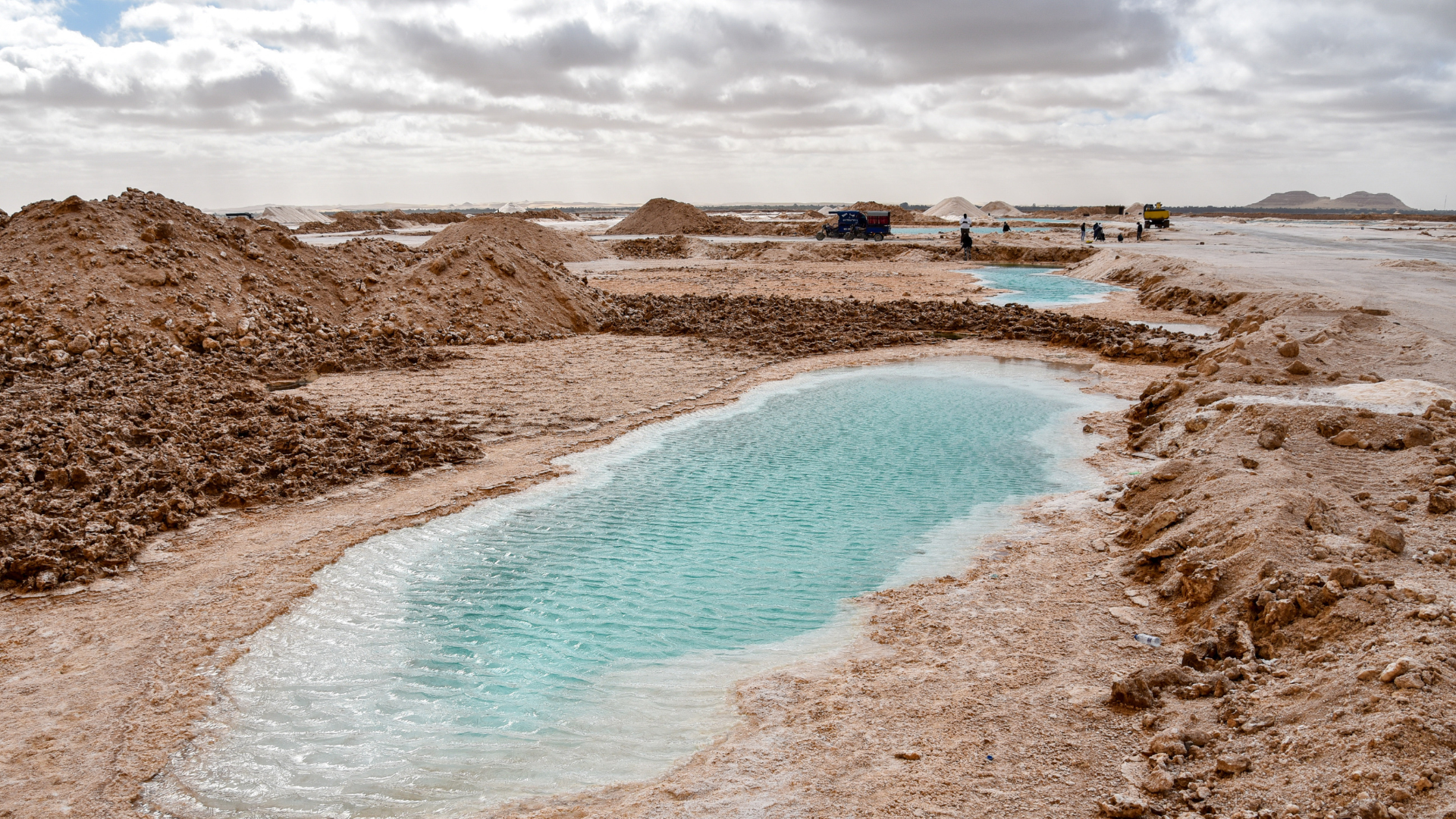
The salt lakes of Siwa Oasis are a series of highly saline natural lakes scattered across the oasis depression, fed by artesian springs and concentrated by the intense desert evaporation that characterizes Siwa’s hyperarid climate. The lakes’ extreme salinity — in some cases exceeding that of the Dead Sea — creates conditions in which visitors float effortlessly on the surface without any effort, making salt lake bathing one of the most popular and distinctive activities in Siwa. The most visited lake for swimming and floating is Fatnas Lake (also called Fantasy Island), where a palm-shaded island connected to the shore offers one of the most serene sunset viewpoints in the Western Desert.
The largest of the lakes — Lake Siwa — is a permanent saline body visible across much of the oasis floor, reflecting the sky and the surrounding palm groves and desert escarpment in its still surface. Smaller lakes at Bir Wahed and other locations around the oasis have different salinity levels and settings, with some warm-water hot spring pools adjacent to the colder salt lake surfaces.
Beyond the recreational experience, the salt lakes play a central role in Siwa’s traditional economy — salt has been harvested from the lake shores for centuries, and the distinctive kershef building material (salt rock mixed with mud and palm wood) that gives Siwa its architecture comes from the salt deposits laid down by ancient higher lake levels. The lakes also attract migratory birds — flamingos, ducks, and waders are common in the winter months — adding a wildlife dimension to the landscape.
The salt lakes of Siwa occupy a closed drainage basin with no outlet to the sea — all water entering the oasis from springs and occasional rainfall evaporates in place, concentrating the dissolved salts over time. Ancient lake level indicators on the surrounding cliffs show that the lakes were once far larger — during wetter Holocene climatic periods the entire depression may have been a single large lake, and the salt deposits visible in the kershef building material represent the evaporite legacy of these higher levels.
Ancient sources describe the lakes and springs of Siwa as remarkable for their quality and abundance. The ‘Fountain of the Sun’ mentioned by Greek writers — a spring whose temperature reportedly changed between day and night in a counter-intuitive pattern — has been identified with the Ain al-Shifa spring near Siwa town.
The modern use of the salt lakes for tourism developed in the late 20th century as road access improved. Fatnas Lake became established as the primary visitor destination for its combination of salt-water floating, palm grove shade, and sunset views over the western oasis — a combination that has made it one of the most atmospheric locations in the Egyptian Western Desert.
The most popular salt lake in Siwa — float effortlessly on hyper-saline water beside a palm-shaded island, with views across the lake toward the desert escarpment.
The palm grove on Fatnas Island provides one of the finest sunset viewpoints in the Western Desert — the lake surface reflects the changing colors as the sun drops below the escarpment.
A combination site where a warm freshwater hot spring pool sits adjacent to a cold saline lake — the traditional Siwa experience of alternating hot spring and salt lake bathing.
Winter months bring flamingos and migratory waders to the lake shores — best observed from the Fatnas causeway in the early morning when bird activity is highest.
These packages visit this site as part of the itinerary.
Start From

See what our happy travelers say about us



