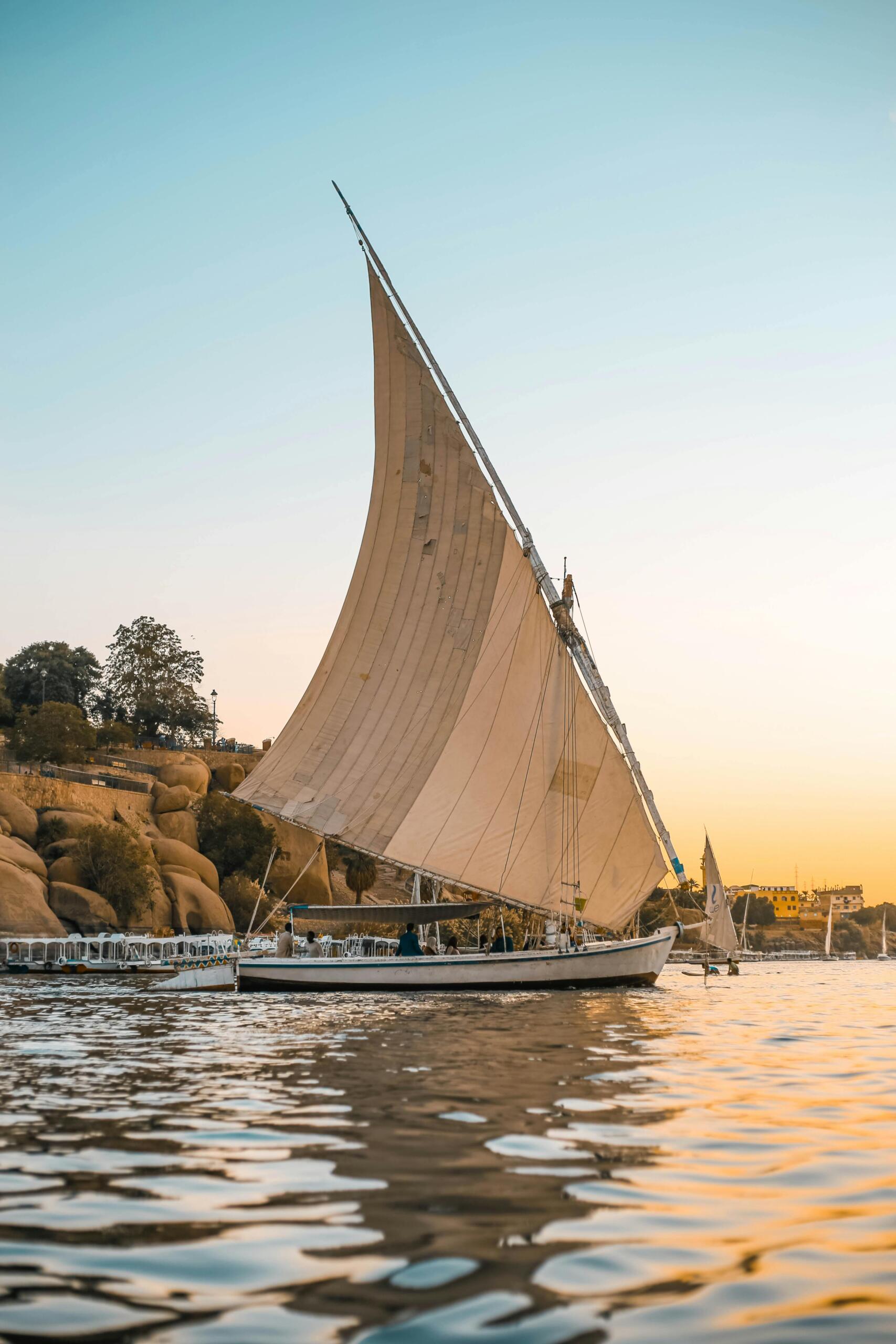
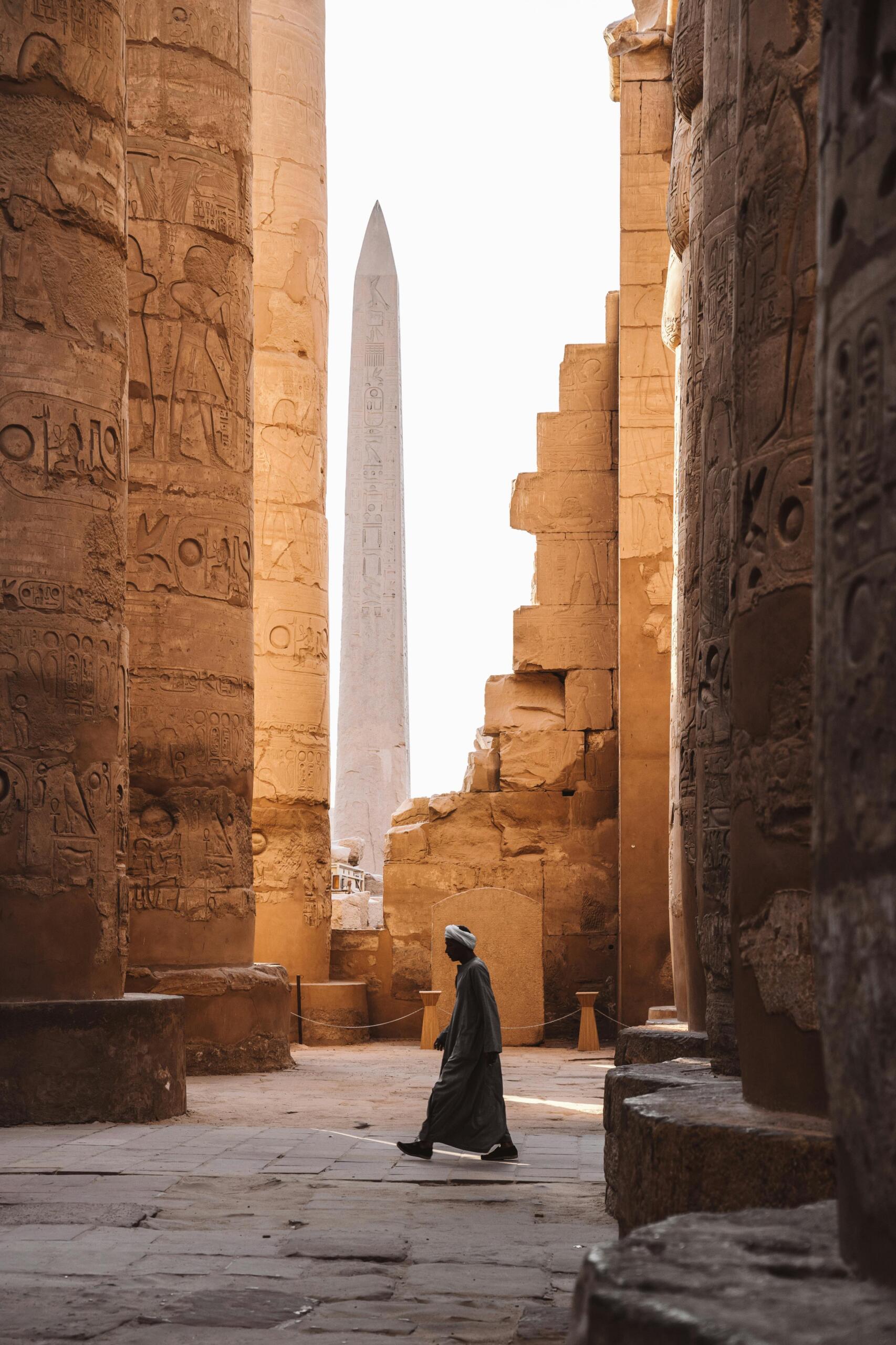
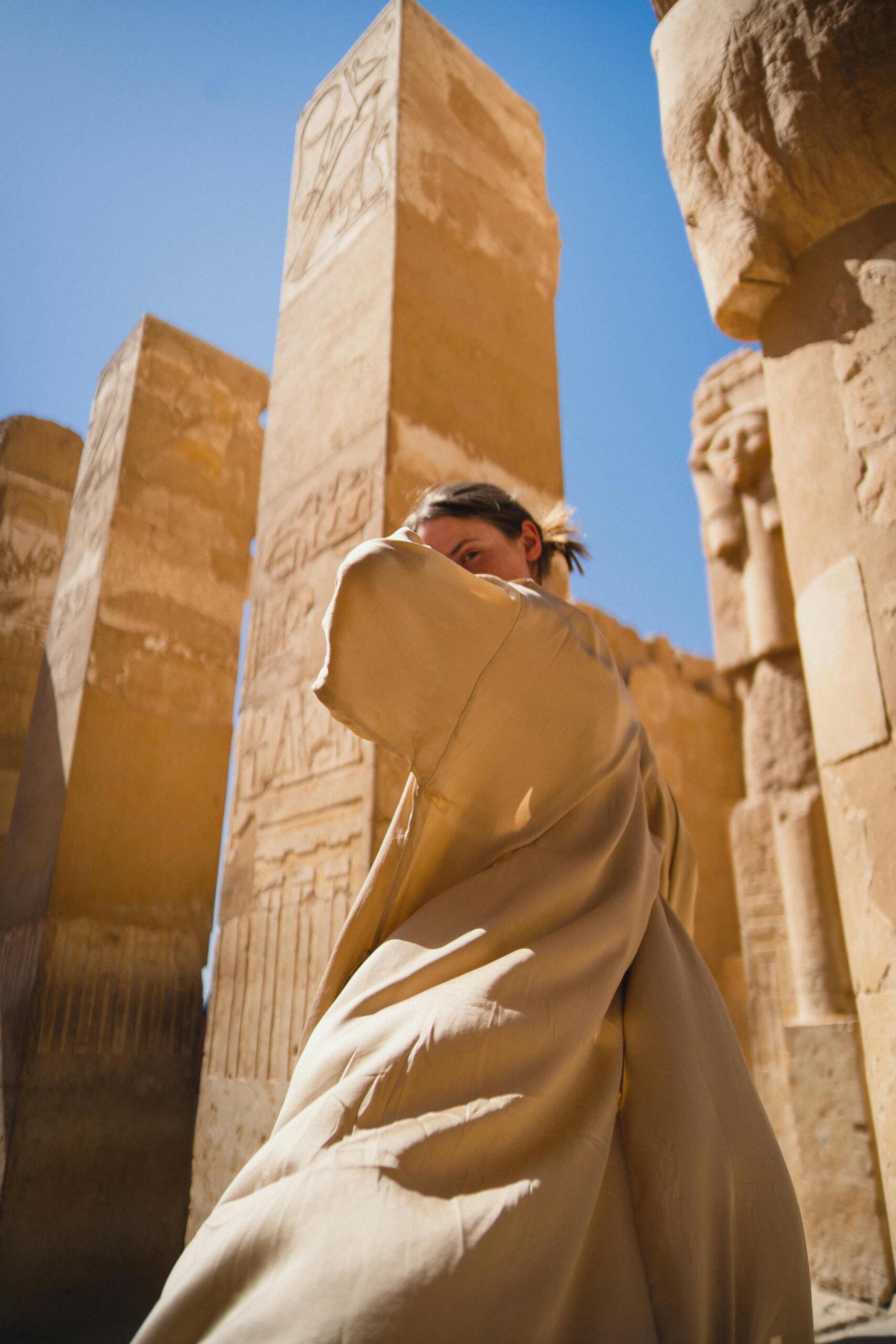
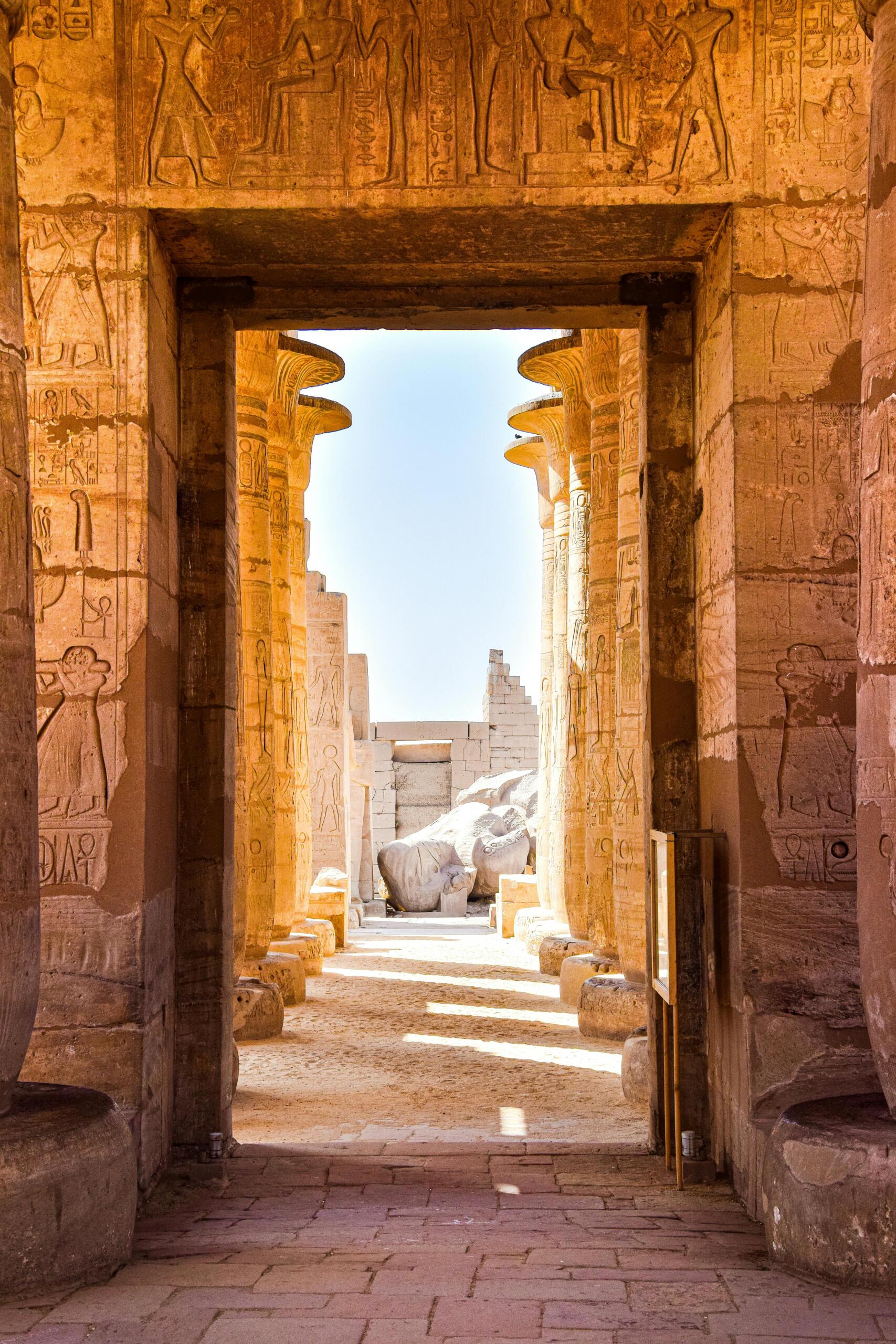
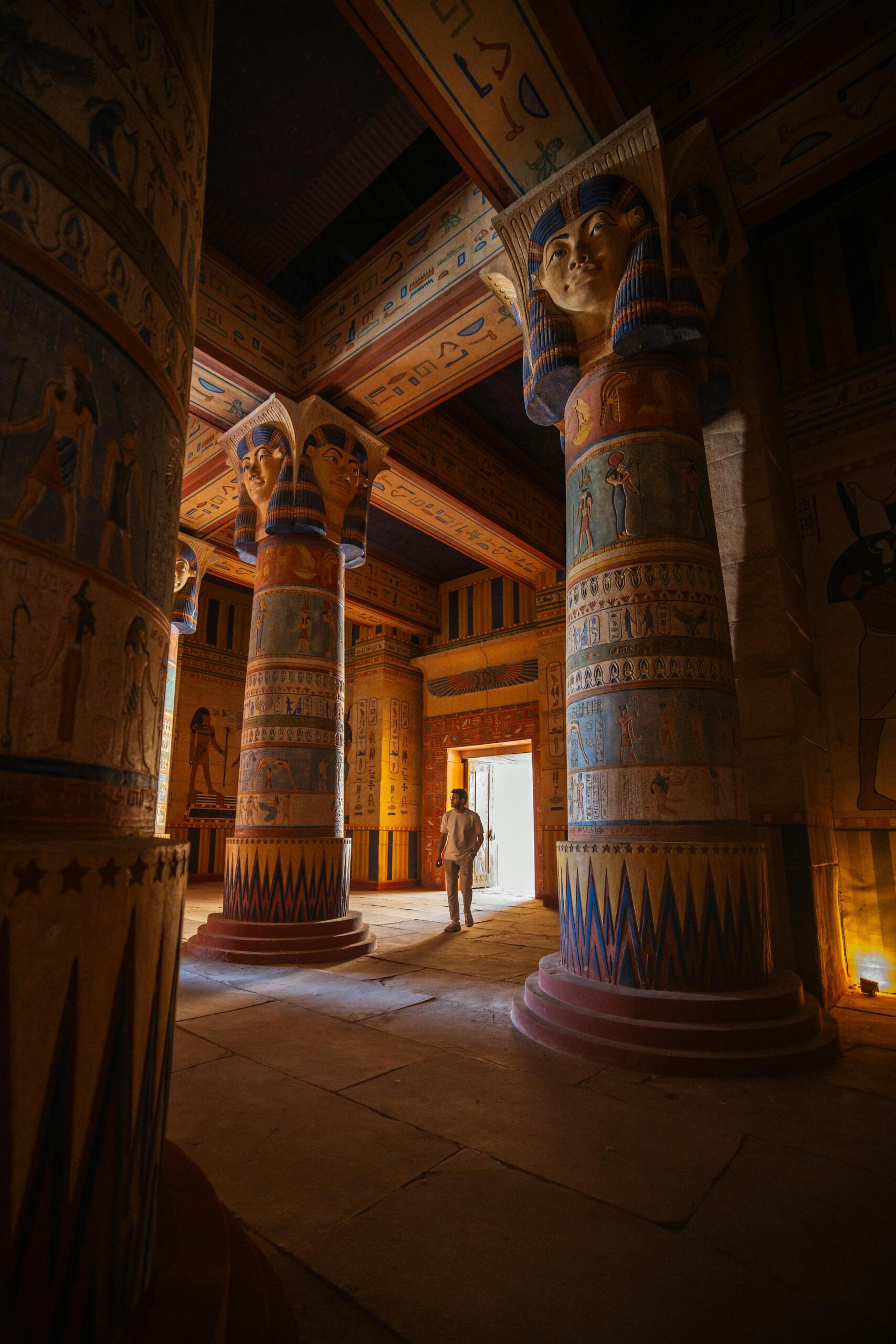
The Philae Temple, dedicated to the goddess Isis, is one of the most remarkable ancient temples in Egypt. Located on Agilkia Island near Aswan, this temple stands as a testament to the enduring legacy of ancient Egyptian civilization. It is famous not only for its stunning architecture and well-preserved inscriptions but also for its incredible journey—being relocated to its current location to save it from flooding due to the construction of the Aswan High Dam.
Philae Temple was originally constructed during the Ptolemaic period, around 380 BCE, under the rule of Ptolemy II Philadelphus. However, the island of Philae had been a sacred site for the worship of Isis long before the Ptolemies arrived. The temple was expanded over several centuries by various rulers, including Ptolemaic and Roman emperors, who contributed to its grandeur. It remained an important religious center until the 6th century CE, when it was eventually closed by Byzantine Emperor Justinian I, marking the end of Egypt’s pagan temples. In the 1960s, due to the construction of the Aswan High Dam, the temple faced the risk of submersion under the waters of Lake Nasser. With UNESCO's help, the temple was carefully dismantled and moved stone by stone to Agilkia Island, where it stands today, preserving its historical and cultural significance. Philae Temple is a magnificent example of Ptolemaic temple architecture, blending traditional Egyptian and Greek artistic influences. The temple complex consists of several structures, each playing a vital role in religious ceremonies. Key Architectural Features: Philae Temple was primarily built by the Ptolemaic rulers, starting with Ptolemy II Philadelphus. Later, Ptolemy III, Ptolemy IV, and other successors added new sections and decorations to the temple complex. Even during the Roman period, emperors such as Augustus, Tiberius, and Hadrian contributed to the temple’s expansion and modifications. This long period of construction highlights the temple’s enduring religious significance. Philae Temple is important because it was one of the last active centers of ancient Egyptian religion and a significant site of worship for the goddess Isis. It played a crucial role in religious ceremonies, attracting pilgrims from across Egypt and beyond. The temple also holds immense historical value as one of the best-preserved temples from the Greco-Roman period, showcasing stunning carvings, inscriptions, and architectural brilliance. Additionally, Philae Temple is a symbol of global heritage preservation, as it was relocated to Agilkia Island in the 1960s during the UNESCO-led rescue mission to save Nubian monuments from being submerged by the waters of the Aswan High Dam. This remarkable feat of engineering ensured the survival of this sacred site, allowing visitors today to experience its timeless beauty and historical significance. The myth of Philae Temple is deeply connected to the legend of Isis and Osiris, one of the most famous stories in ancient Egyptian mythology. According to the myth, Osiris, the god of the afterlife, was murdered by his jealous brother Seth, who dismembered his body and scattered the pieces across Egypt. Isis, the devoted wife of Osiris, embarked on a journey to find and reassemble his body. After gathering all the pieces, she used her magical powers to resurrect Osiris long enough to conceive their son, Horus. Philae Temple was believed to be one of the places where Isis found a piece of Osiris' body or where she hid with baby Horus to protect him from Seth. This sacred connection made Philae one of the most important centers of Isis worship, attracting pilgrims from across the ancient world. The temple served as a site for rituals dedicated to renewal, fertility, and divine protection, with its walls adorned with hieroglyphic inscriptions and carvings depicting scenes from the legend. Even after the rise of Christianity, Philae Temple remained a spiritual site, with some of its structures later converted into churches. The myth of Isis and Osiris continued to inspire religious beliefs and traditions, influencing later cultures, including Greek and Roman mythology. Philae Temple is located on Agilkia Island, just a short boat ride from Aswan. It is easily accessible by motorboats from the Philae Marina, making it a popular tourist destination. Nearby Attractions: Book our exclusive Aswan Tours and experience a fantastic Nile Cruise from Luxor to Aswan or Sail the Nile on a traditional felucca, visit the breathtaking Philae Temple, and uncover the secrets of Abu Simbel. With expert guides and excellent itineraries, we ensure an unforgettable journey through Egypt’s most scenic city. At Top Class Egypt Travel, we specialize in curating extraordinary travel experiences that go beyond the ordinary. From the awe-inspiring pyramids of Giza to the vibrant bazaars of Cairo, our itineraries are crafted to immerse you in the rich tapestry of Egyptian history, culture, and natural beauty.

History of Philae Temple

Who Was Goddess Isis in the Ancient Egyptian History?
Architecture of Philae Temple

Who Built Philae Temple?

Why is the Philae Temple important?

What is the myth of the Philae Temple?

Location and Nearby Attractions

Visiting Aswan

Request a Call
Our latest Posts

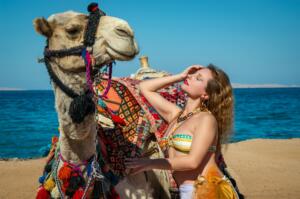

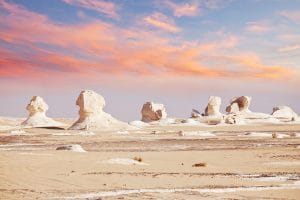


Discover Egypt in Style: Tailor-Made Holidays for Unforgettable Adventures
Explore Egypt like never before with our tailor-made holidays, designed to cater to your unique preferences and create unforgettable memories.
Got Questions?
Frequently Asked Questions
Everything you need to know about traveling to Egypt
How can I book an Egypt day tour?
Booking through reputable tour operators or agencies is advisable. You can also book tours through the website www.topclassegypttravel.com or WhatsApp us at +201221029071.
Are guided tours necessary?
While you can explore some sites independently, guided tours often provide valuable historical and cultural insights. It's recommended to hire a guide for complex historical sites like the Pyramids.
What's the best time to visit Egypt?
Egypt's peak tourist season is from October to April when the weather is cooler. However, if you prefer fewer crowds and lower prices, consider visiting during the shoulder seasons.
What should I wear during the tours?
When visiting religious sites and conservative areas, it's respectful to dress modestly. Light, breathable clothing and comfortable shoes are recommended.
Is it safe to travel to Egypt?
Egypt has made substantial efforts to enhance the safety and security of tourists. While it's always important to stay informed and exercise caution, many travelers visit Egypt without any issues.
What draws travelers to Egypt?
Egypt's appeal lies in its rich history, featuring ancient sites dating back over 4,000 years, alongside captivating city resorts and pristine beaches. Your Egyptian journey promises the vacation of your dreams.
What are the transportation options?
When it comes to getting around Egypt, a taxi is often the fastest choice, particularly in Cairo. Alternatively, you can opt for the efficient metro system when roads are congested.
What languages are spoken in Egypt?
Arabic is the official language of Egypt, but most Egyptians in urban areas understand and speak some English. Professional tour guides offer guidance in English and other languages.
What are the best activities to enjoy?
Egypt offers diverse activities: Nile Cruises, hot air balloon rides, Egyptian cuisine, shopping in Old Cairo, diving and snorkeling in the Red Sea, and Western Desert safaris.
Why choose Top Class Egypt Travel?
With over 20 years of experience, we create remarkable vacations across Egypt. We tailor all tours to your specific needs. Your safety and comfort are our top priorities.