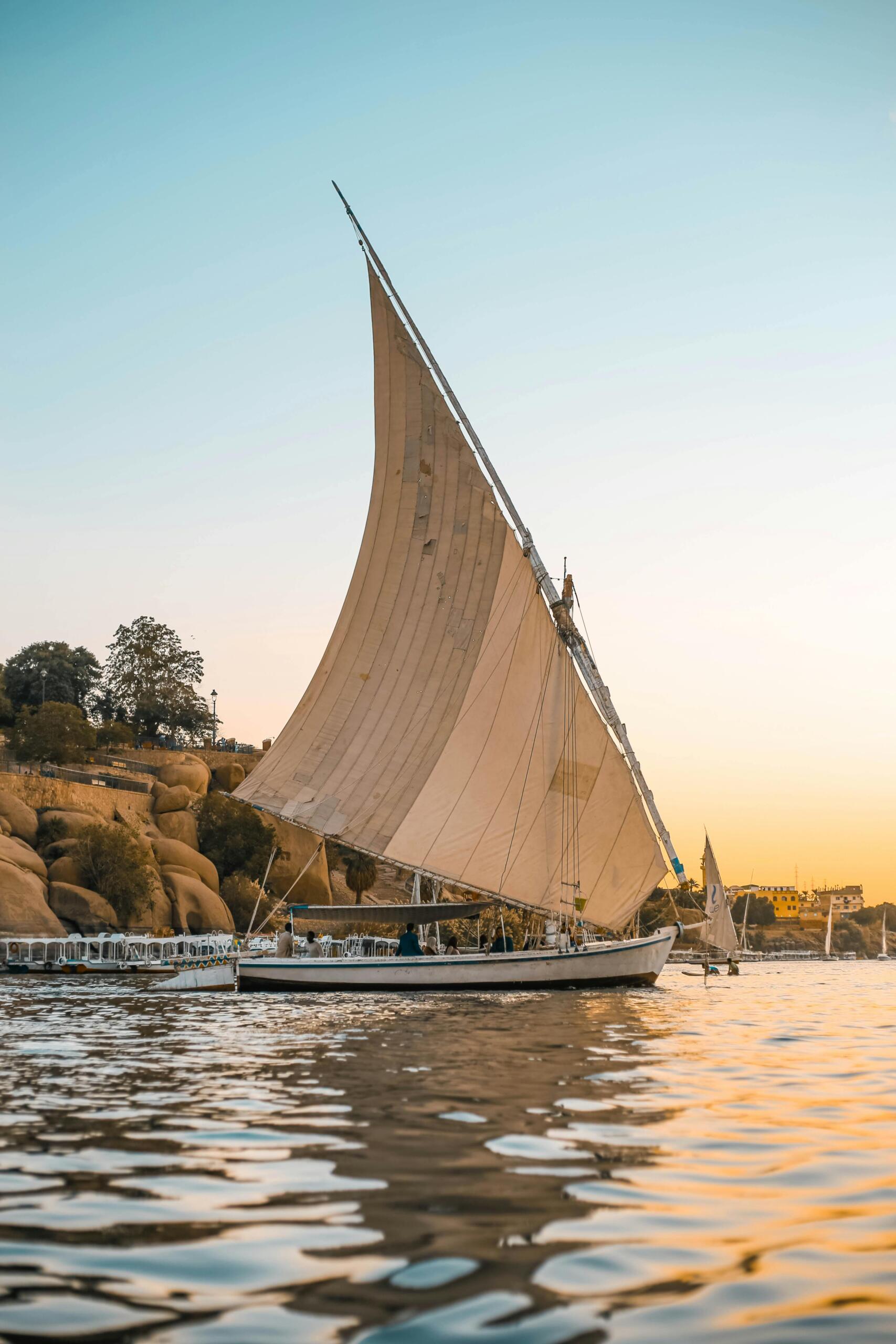
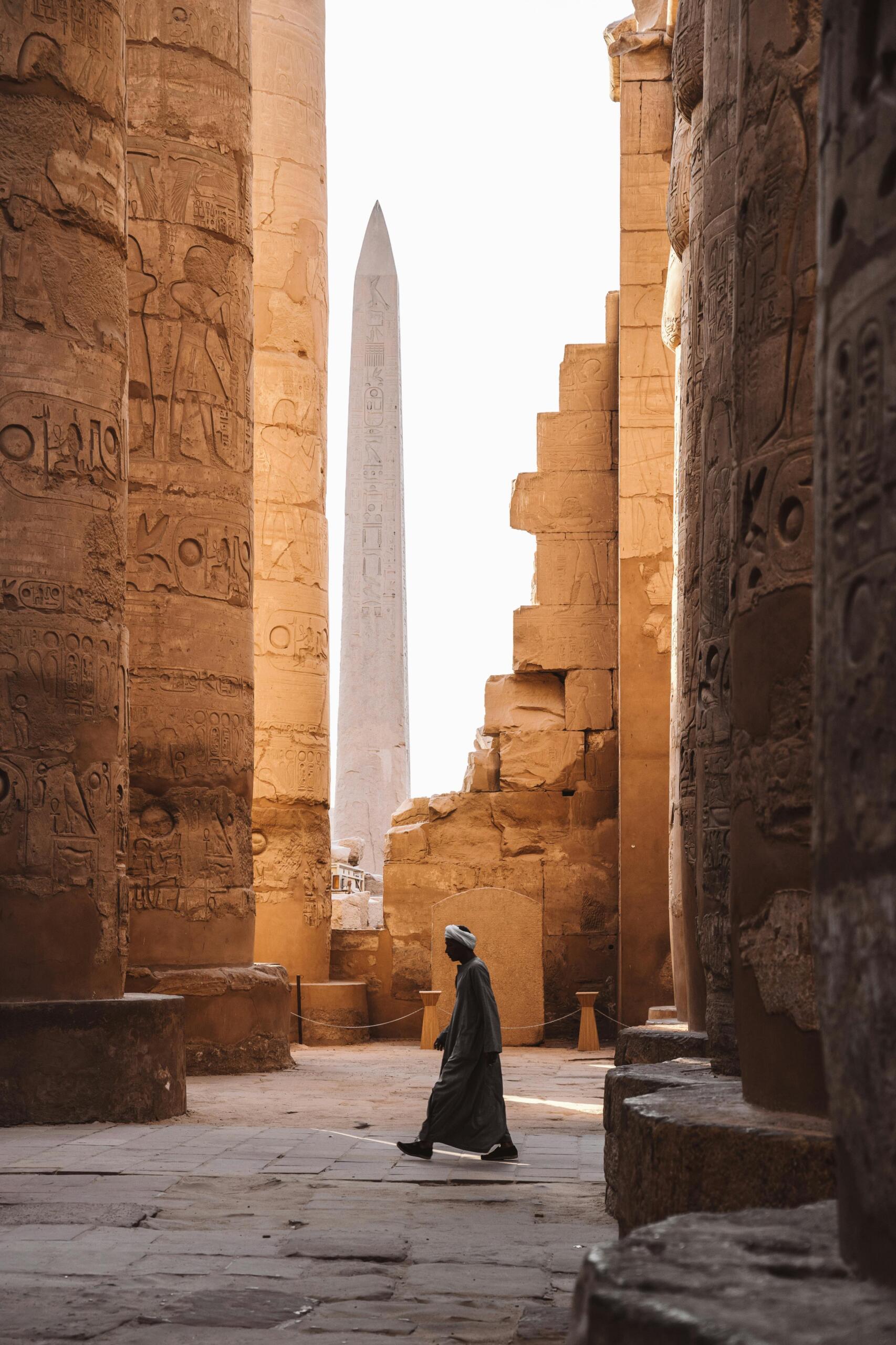
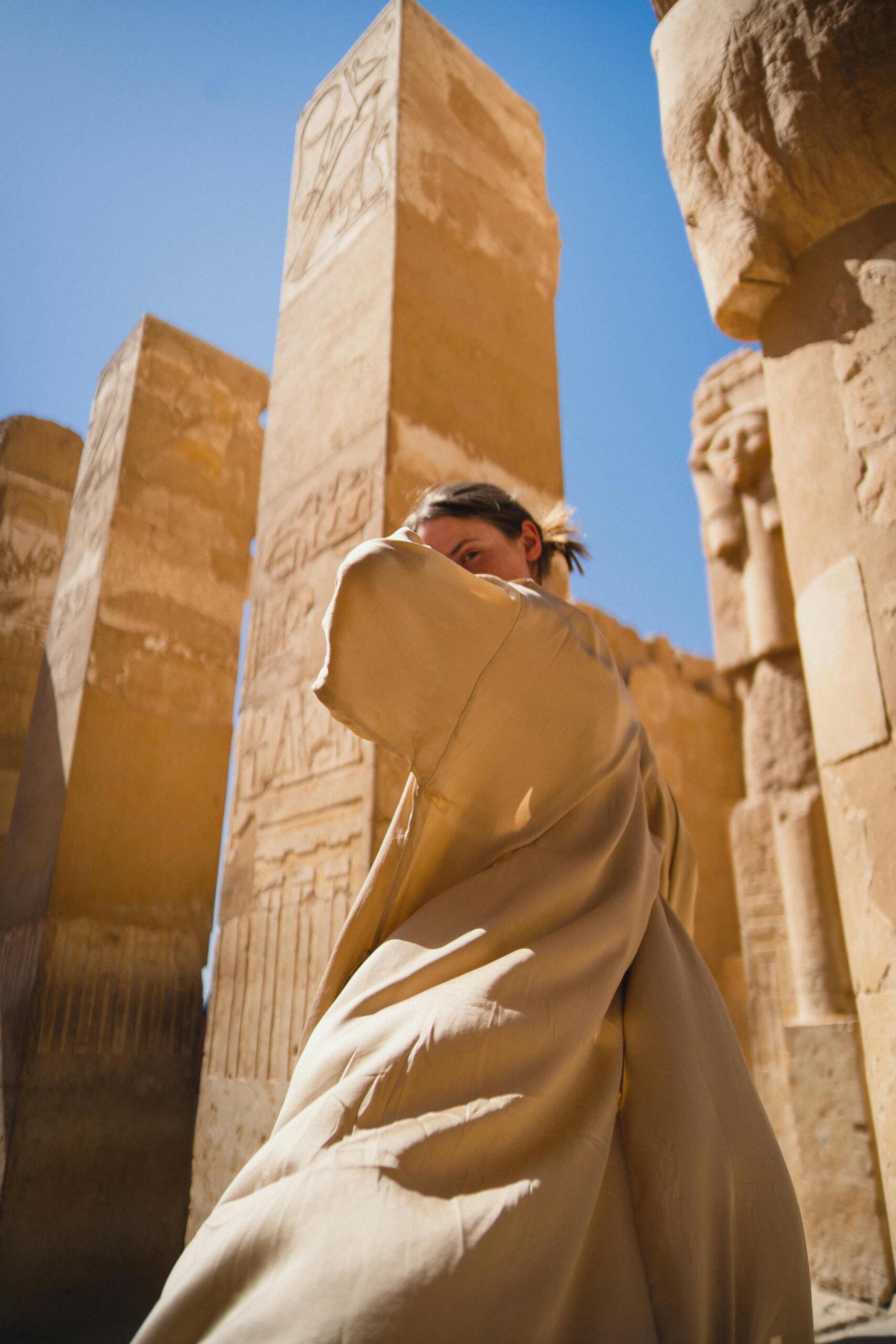
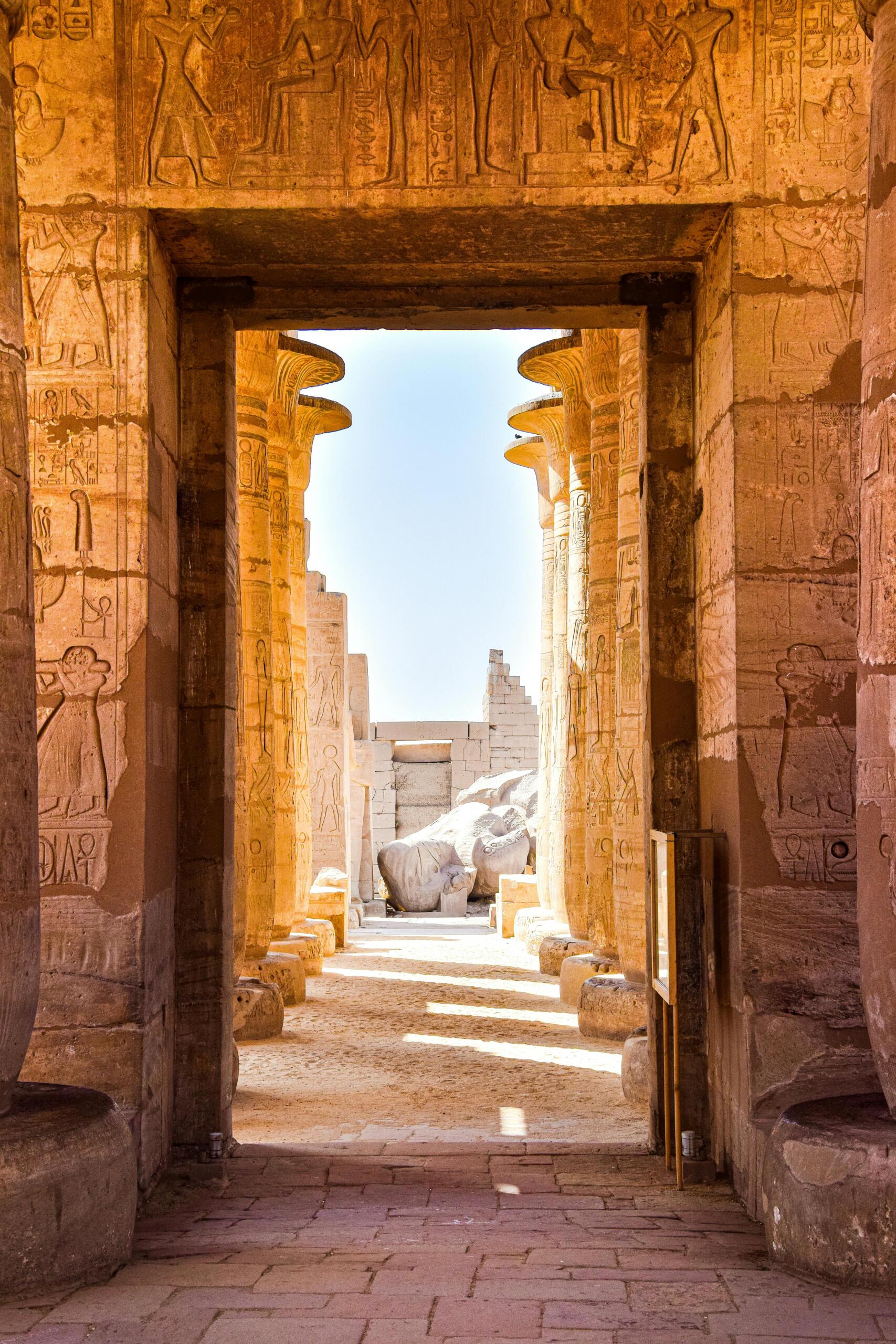
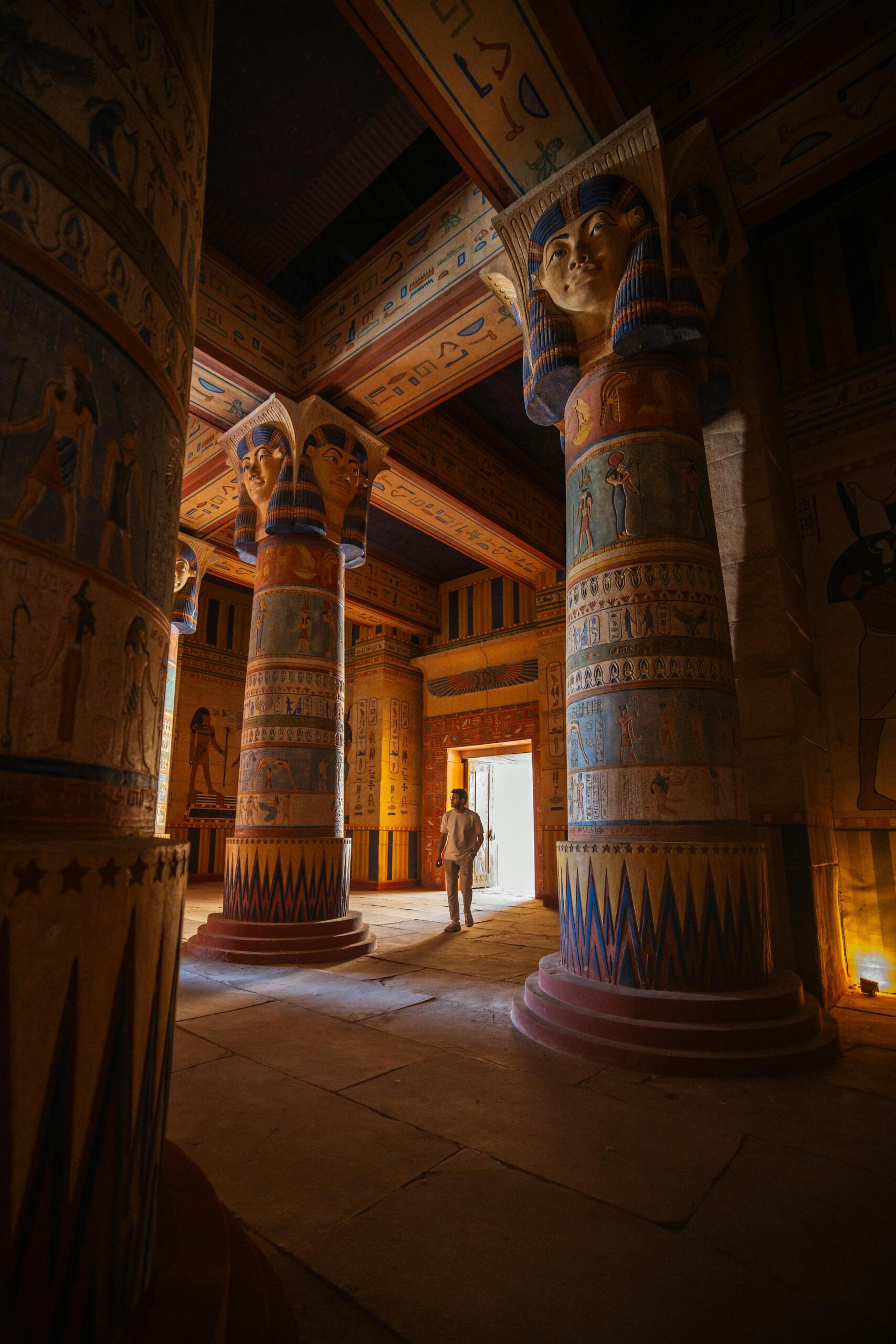
The Kom Ombo Temple, located in Aswan Governorate, Egypt, is one of the most fascinating temples of ancient Egypt. What makes it unique is its dual dedication to two gods: Sobek, the crocodile god, and Horus the Elder (Haroeis). This magnificent structure stands along the Nile River, offering visitors a glimpse into Egypt’s rich religious, architectural, and historical heritage.
The Kom Ombo Temple was built during the Ptolemaic period (180–47 BCE), under the reign of Ptolemy VI Philometor and later expanded by subsequent rulers, including Ptolemy XII Auletes and Roman emperors. However, the site had earlier foundations dating back to the New Kingdom and even earlier. This temple served both religious and practical functions. It honored the two gods—Sobek, associated with fertility and the Nile, and Horus the Elder, a sky god representing kingship and protection. The temple was also crucial for medical practices, as it housed an ancient sanatorium where priests treated the sick using sacred water and remedies. Over time, natural forces, Nile floods, and looting caused significant damage to the temple. However, many of its reliefs, inscriptions, and architectural elements remain well-preserved, allowing visitors to appreciate its historical significance. The Kom Ombo Temple was commissioned by Ptolemy VI Philometor (180–145 BCE) during the Ptolemaic Dynasty. Subsequent rulers, including Ptolemy XIII, Ptolemy XII, and the Romans, expanded and restored the structure. The Ptolemies were Greek rulers of Egypt who embraced Egyptian traditions, deities, and temple-building practices. They constructed the temple in the traditional Egyptian style but incorporated Greek artistic influences, making it a blend of both cultures. Ptolemy VI Philometor was a Hellenistic ruler of Egypt from the Ptolemaic Dynasty, who reigned from 180 BCE to 145 BCE. His name, Philometor, means "Loving his Mother," referring to his devotion to his mother, Cleopatra I. He ascended to the throne as a child, with his mother acting as regent, and later ruled alongside his wife and sister, Cleopatra II. During his reign, Ptolemy VI faced political struggles and conflicts, particularly with the Seleucid Empire, which sought control over parts of Egypt. He was temporarily deposed but later restored to power. Despite these challenges, his rule saw major construction projects, including temples like Kom Ombo, reflecting the Ptolemaic rulers’ efforts to maintain Egyptian religious traditions while incorporating Greek influence. The Kom Ombo Temple is renowned for its perfectly symmetrical design, built to accommodate the dual worship of Sobek and Horus the Elder. The temple is divided into two equal sections, each with its own courtyards, sanctuaries, and halls. Key Architectural Features: The symmetry and precision of Kom Ombo Temple highlight the architectural ingenuity of the Ptolemies, making it one of Egypt’s most distinct temple complexes. Book our exclusive Aswan Tours and experience a fantastic Nile Cruise from Luxor to Aswan or Sail the Nile on a traditional felucca, visit the breathtaking Philae Temple, and uncover the secrets of Abu Simbel. With expert guides and excellent itineraries, we ensure an unforgettable journey through Egypt’s most scenic city. At Top Class Egypt Travel, we specialize in curating extraordinary travel experiences that go beyond the ordinary. From the awe-inspiring pyramids of Giza to the vibrant bazaars of Cairo, our itineraries are crafted to immerse you in the rich tapestry of Egyptian history, culture, and natural beauty.

History of Kom Ombo Temple

Who Built Kom Ombo Temple?

Who Was Ptolemy VI Philometor?

Architecture of Kom Ombo Temple

Who are the Gods of Kom Ombo?
Facts About Kom Ombo Temple

Explore Aswan Tours

Request a Call
Our latest Posts





Discover Egypt in Style: Tailor-Made Holidays for Unforgettable Adventures
Explore Egypt like never before with our tailor-made holidays, designed to cater to your unique preferences and create unforgettable memories.
Got Questions?
Frequently Asked Questions
Everything you need to know about traveling to Egypt
How can I book an Egypt day tour?
Booking through reputable tour operators or agencies is advisable. You can also book tours through the website www.topclassegypttravel.com or WhatsApp us at +201221029071.
Are guided tours necessary?
While you can explore some sites independently, guided tours often provide valuable historical and cultural insights. It's recommended to hire a guide for complex historical sites like the Pyramids.
What's the best time to visit Egypt?
Egypt's peak tourist season is from October to April when the weather is cooler. However, if you prefer fewer crowds and lower prices, consider visiting during the shoulder seasons.
What should I wear during the tours?
When visiting religious sites and conservative areas, it's respectful to dress modestly. Light, breathable clothing and comfortable shoes are recommended.
Is it safe to travel to Egypt?
Egypt has made substantial efforts to enhance the safety and security of tourists. While it's always important to stay informed and exercise caution, many travelers visit Egypt without any issues.
What draws travelers to Egypt?
Egypt's appeal lies in its rich history, featuring ancient sites dating back over 4,000 years, alongside captivating city resorts and pristine beaches. Your Egyptian journey promises the vacation of your dreams.
What are the transportation options?
When it comes to getting around Egypt, a taxi is often the fastest choice, particularly in Cairo. Alternatively, you can opt for the efficient metro system when roads are congested.
What languages are spoken in Egypt?
Arabic is the official language of Egypt, but most Egyptians in urban areas understand and speak some English. Professional tour guides offer guidance in English and other languages.
What are the best activities to enjoy?
Egypt offers diverse activities: Nile Cruises, hot air balloon rides, Egyptian cuisine, shopping in Old Cairo, diving and snorkeling in the Red Sea, and Western Desert safaris.
Why choose Top Class Egypt Travel?
With over 20 years of experience, we create remarkable vacations across Egypt. We tailor all tours to your specific needs. Your safety and comfort are our top priorities.