
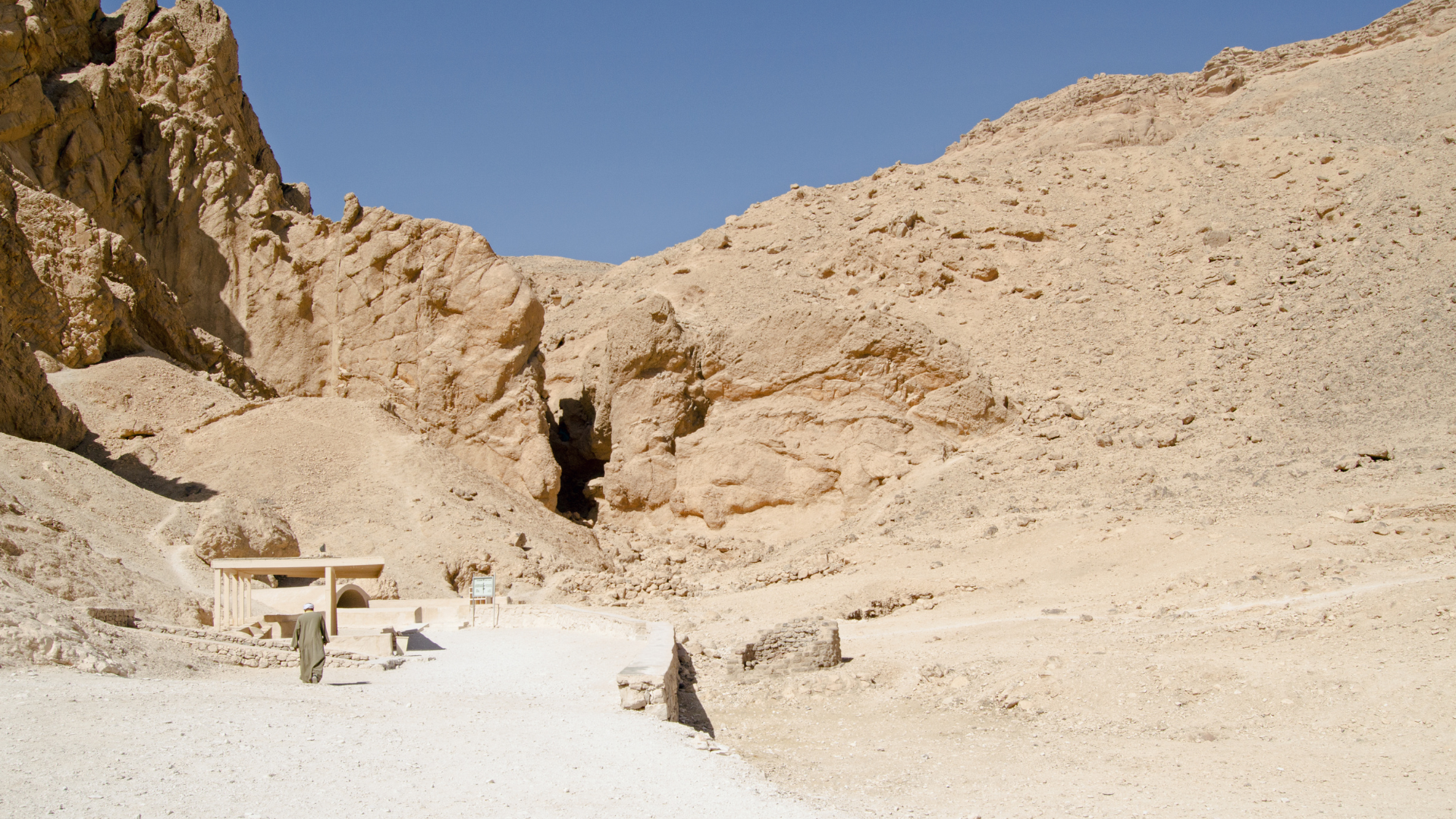
The Valley of the Queens: Sanctuary of the Royal Mothers
While the Valley of the Kings often commands the spotlight, the Valley of the Queens (Biban el-Harim) offers a more intimate and vibrantly colorful glimpse into the lives of ancient Egypt’s most powerful women. Located on the West Bank of Luxor, this sacred necropolis served as the eternal resting place for queens, princes, and high-ranking officials of the 19th and 20th Dynasties.
At Top Class Egypt Travel, we consider a visit to these hidden chambers essential; the artistry and storytelling found here are among the most flawlessly preserved in the world.
The Jewel of the Valley: The Tomb of Queen Nefertari
The undisputed crown jewel of the Valley is Tomb QV66, belonging to Queen Nefertari, the beloved Great Royal Wife of Ramses the Great. Widely celebrated as the "Sistine Chapel of Ancient Egypt," Nefertari’s tomb is world-renowned for its unparalleled brilliance:
-
Vibrant Artistry: The pigments on these walls retain a startling freshness, appearing as though the artists laid down their brushes only yesterday. These colors have survived for over 3,000 years with breathtaking clarity.
-
The Journey to the Afterlife: Every corridor is adorned with intricate scenes from the Book of the Dead, meticulously depicting Nefertari’s spiritual passage and her interactions with the gods of the underworld.
-
Exclusive Access: To preserve this delicate masterpiece, visitor numbers are strictly controlled. Top Class Egypt Travel specializes in facilitating access to this exclusive site, ensuring our guests don't miss this once-in-a-lifetime encounter with antiquity.
Beyond the Queens: Princes of the New Kingdom
The valley contains over 90 tombs. Beyond Nefertari’s sanctuary, other resting places provide deep emotional and historical insights:
-
Tomb of Prince Khaemwaset (QV44): A son of Ramses III, this tomb features high-relief carvings showing the young prince being introduced to the deities by his father—a rare look at royal familial bonds.
-
Tomb of Prince Amenherkhepshef (QV55): Famous for its striking deep-blue backgrounds and poignant scenes, this tomb portrays the King leading his young son toward the afterlife, characterized by exquisite detail and emotional depth.
-
Tomb of Queen Titi (QV52): A complex and beautifully decorated space that offers a unique perspective on the funerary rites and status of 20th Dynasty royalty.
Expert Recommendations for a Top-Tier Visit
-
The Strategic Timing: To experience the valley in serenity, we recommend an early morning arrival (between 6:00 AM and 7:30 AM). This allows you to appreciate the silence of the desert and the vibrancy of the tombs before the midday heat and larger groups arrive.
-
A Complete West Bank Narrative: For a comprehensive historical experience, we suggest pairing your visit with the Mortuary Temple of Ramses III (Medinet Habu). The proximity of these two sites allows for a seamless transition between the public monuments and the private eternal dwellings of the New Kingdom elite.
-
Photography Etiquette: While photography is permitted in many tombs, strict regulations apply inside Nefertari’s tomb to protect its ancient pigments. Our guides will ensure you are fully briefed on the current site-specific rules to ensure a respectful and seamless visit.
-
Traveler’s Perspective: To step into the Valley of the Queens is to move beyond the wars and monuments of the Pharaohs and enter a world of color, grace, and maternal power. It is an essential stop for the traveler seeking the "soul" of Ancient Egyptian art.
