The Temple of Esna is one of Egypt’s most well-preserved and fascinating temples, offering visitors a glimpse into the rich history and artistry of the Greco-Roman period. Located in the town of Esna, about 55 km south of Luxor, this temple is dedicated to Khnum, the ram-headed god of creation and fertility. Unlike many other temples in Egypt, the Temple of Esna is unique for its remarkable astronomical and religious inscriptions, which provide valuable insights into ancient Egyptian beliefs and customs.
History of the Temple of Esna
The construction of the Temple of Esna began during the Ptolemaic period (332–30 BCE), but it was later expanded and decorated by Roman emperors, including Claudius, Vespasian, and Decius. While earlier temples existed on the site, the structure that remains today mainly reflects Greco-Roman architecture blended with traditional Egyptian religious themes.
The temple was an important religious center where priests performed rituals honoring Khnum, along with his divine consorts Neith and Menhit, and his son Heka, the god of magic and healing. The inscriptions on the walls record various religious ceremonies, offerings, and the cosmological beliefs of the time.
Architectural Marvel of the Temple of Esna
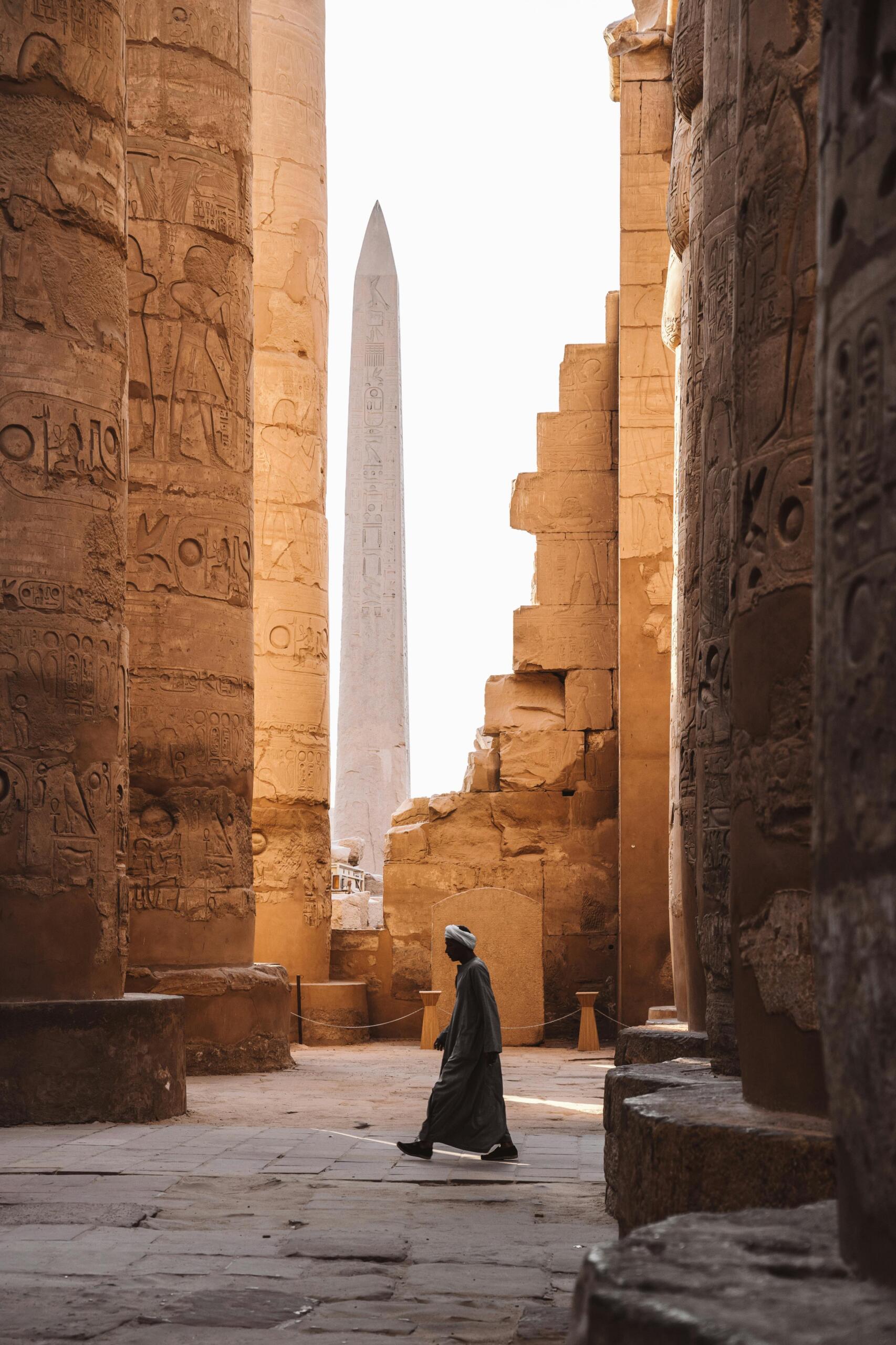
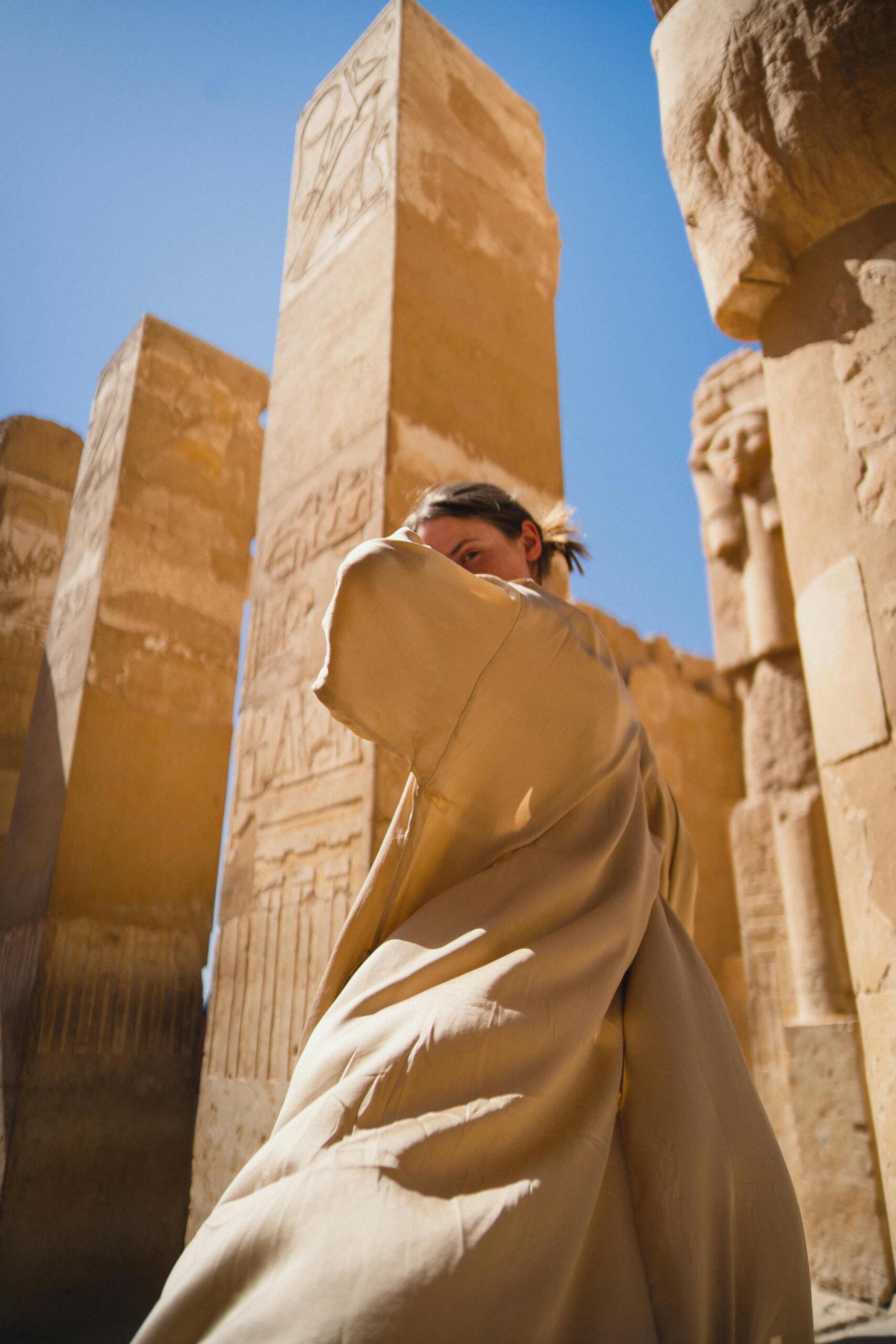
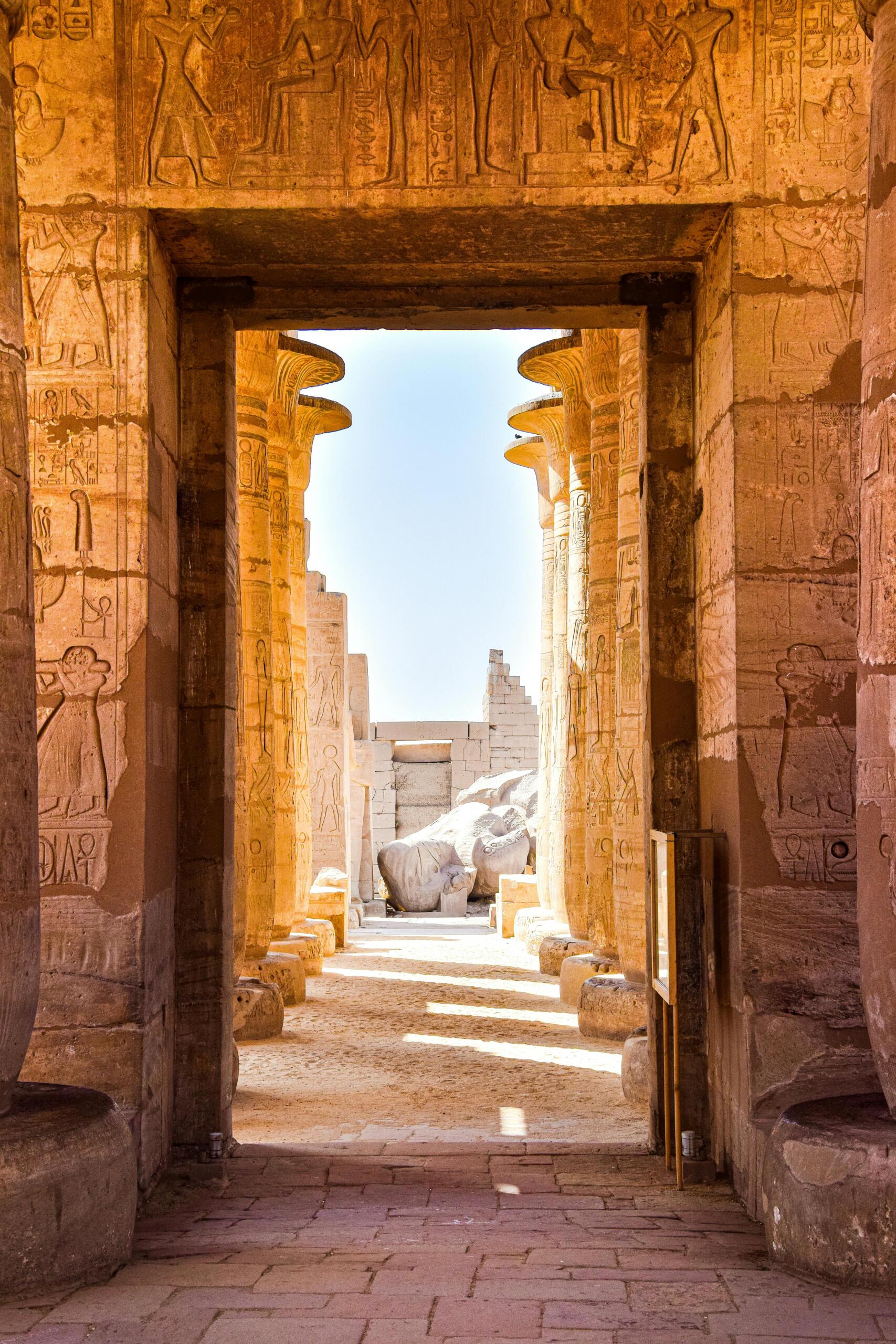
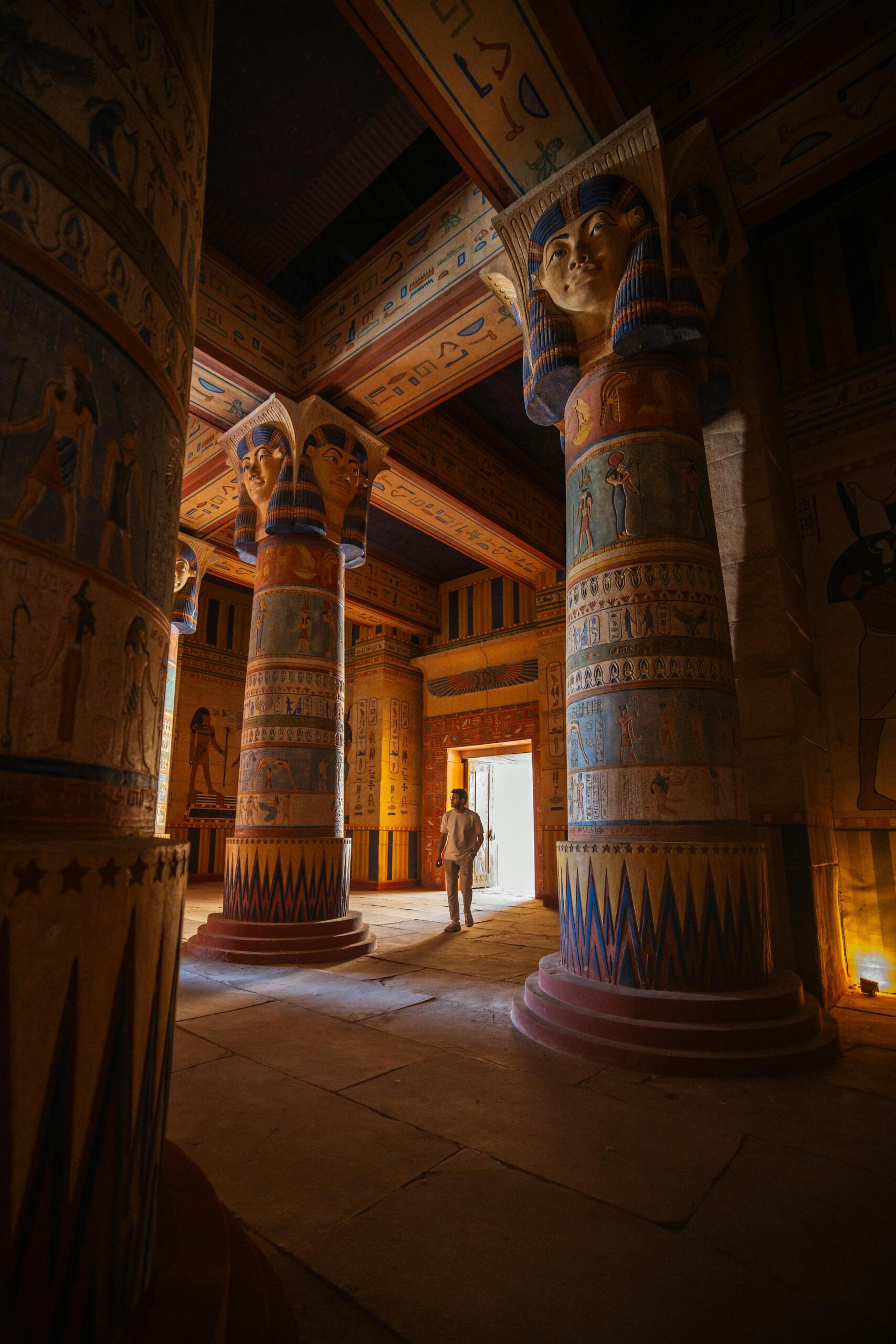
Despite being partially buried under modern buildings, the surviving hypostyle hall of the Temple of Esna is a masterpiece of Egyptian temple design. The temple's architecture features massive columns, detailed hieroglyphics, and beautifully preserved reliefs.
Key Architectural Features:
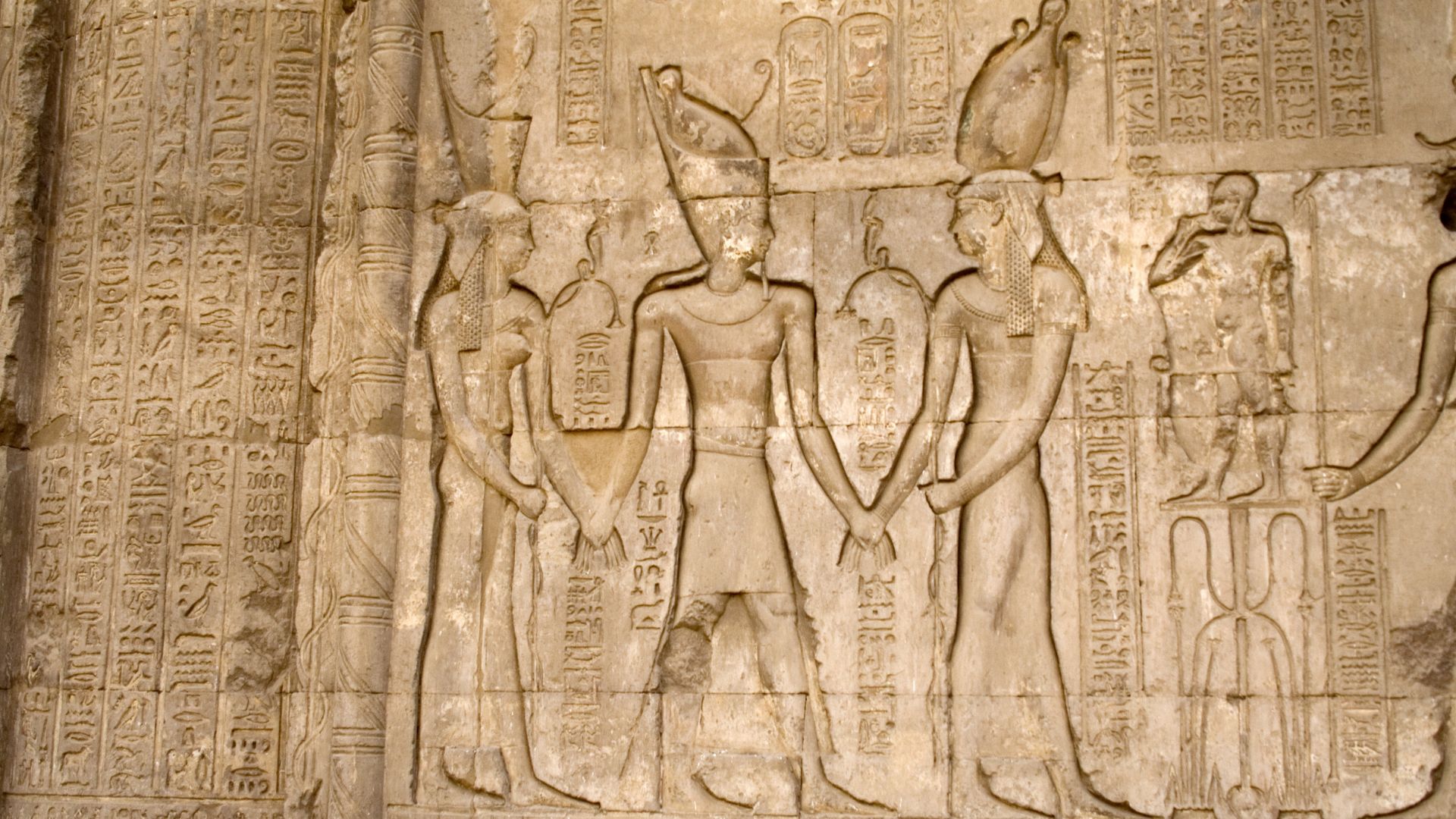
Grand Facade – The entrance is adorned with elaborate carvings of Roman emperors making offerings to Egyptian gods.
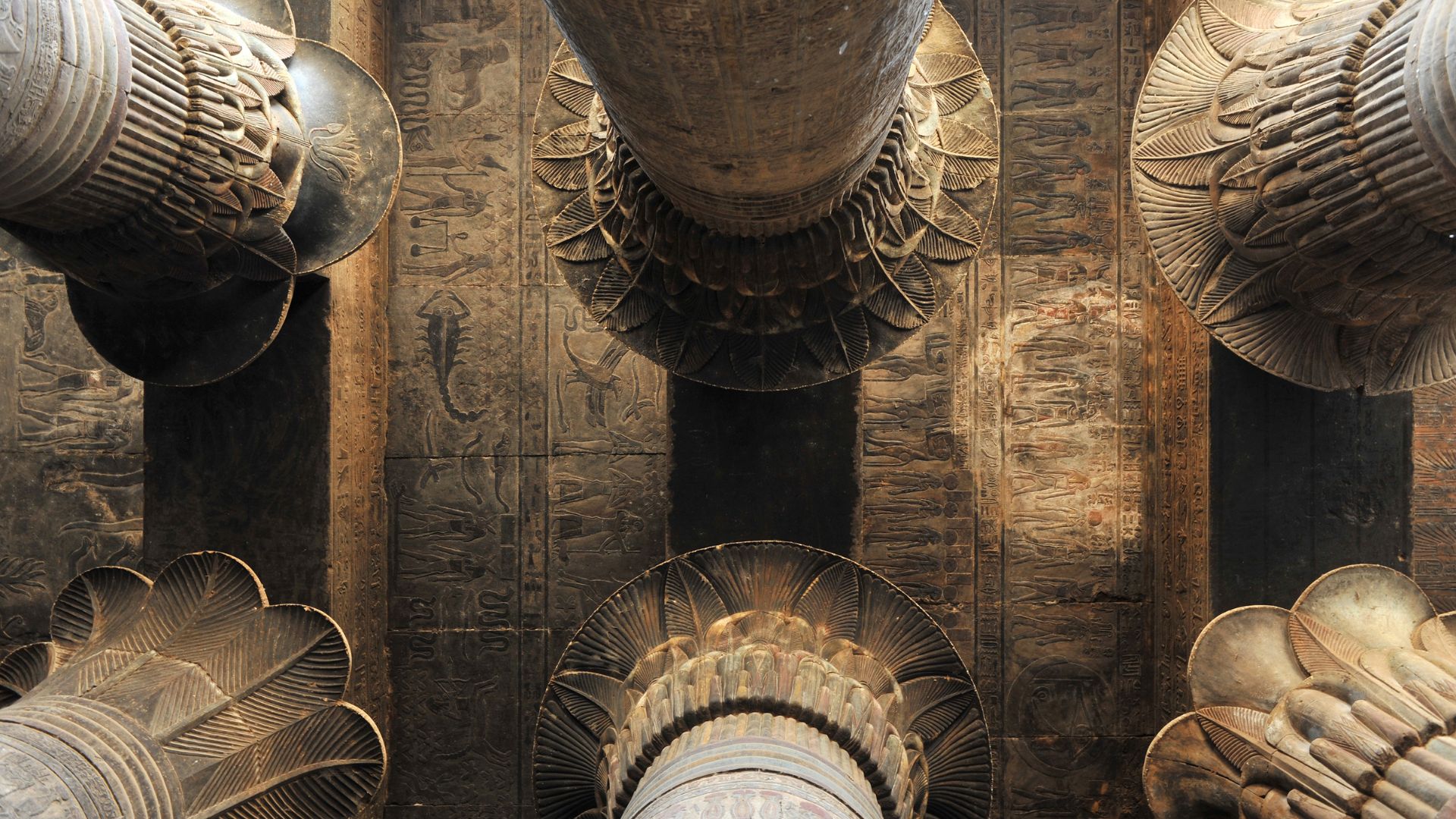
Hypostyle Hall – The most impressive part of the temple, with 24 massive columns, each decorated with intricate floral and palm-shaped capitals.
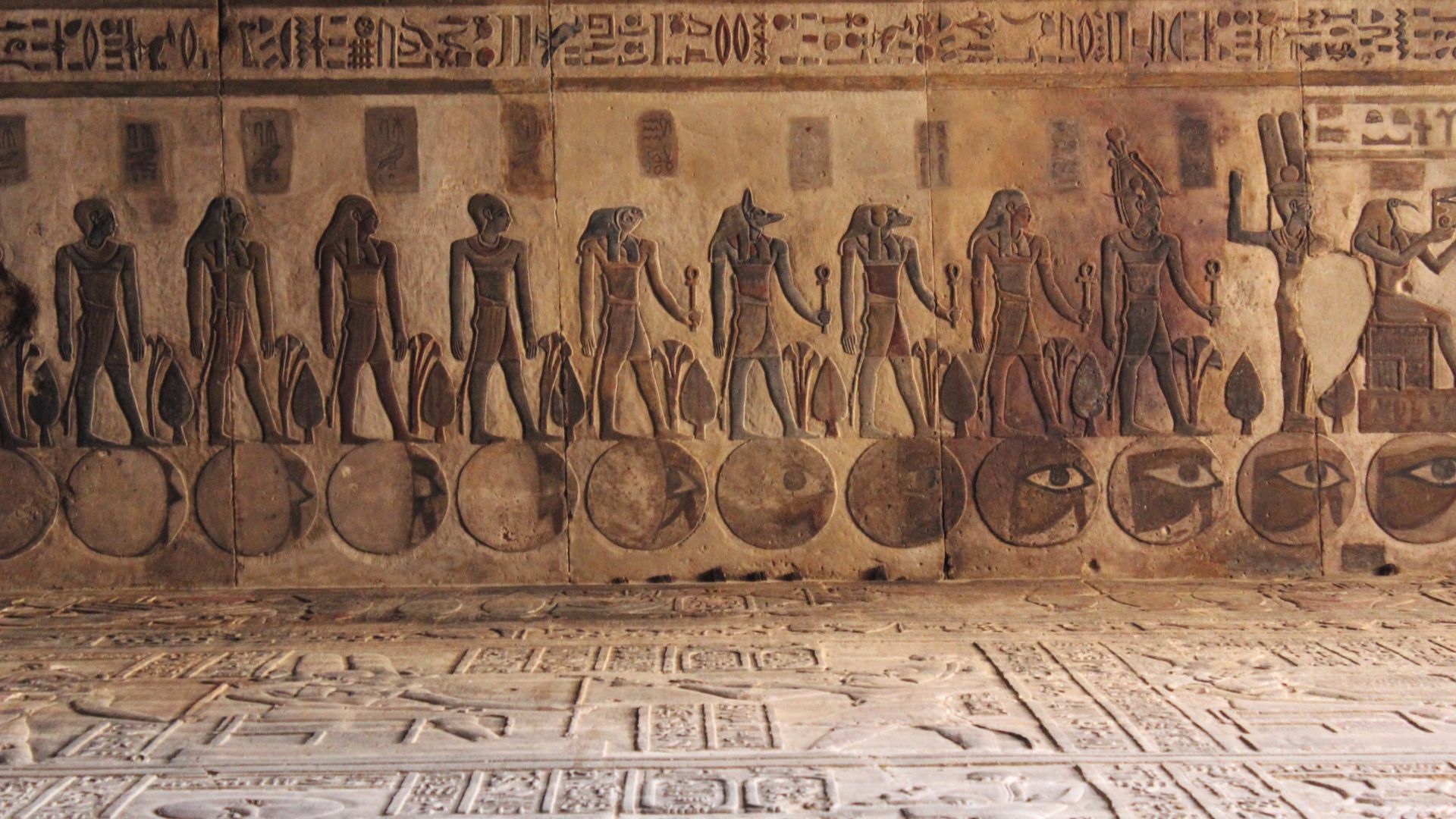
Astronomical Ceiling – The roof of the temple is covered with astrological and zodiac symbols, depicting the ancient Egyptian understanding of the stars and heavens.
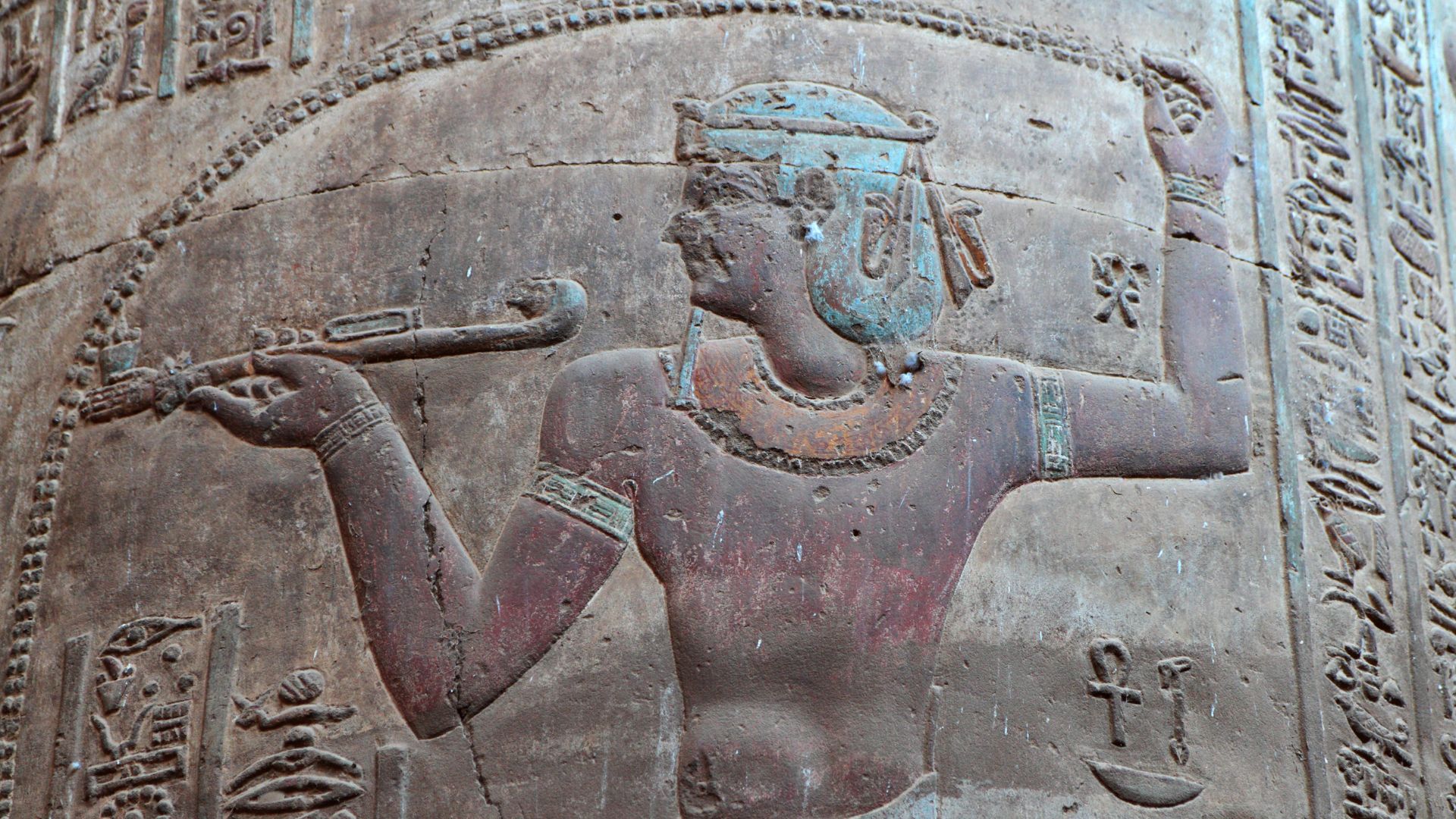
Sacred Hieroglyphics – The temple walls are covered with well-preserved inscriptions that describe religious ceremonies, divine myths, and the power of Pharaohs and gods.
Who Built the Temple of Esna?
The Temple of Esna was initiated during the Ptolemaic era, but much of the construction and decoration took place under Roman rule. Emperors like Claudius and Decius left their mark by adding grand decorations, carvings, and religious texts that emphasize their devotion to Egyptian gods. Unlike earlier temples, which were built by native Egyptian rulers, the Temple of Esna reflects the fusion of Egyptian and Greco-Roman artistic styles.
Who is Esna Goddess?
The main deity worshiped at the Temple of Esna is Khnum, the ram-headed god of creation and the Nile’s fertility. However, the temple also honored other deities, including Neith, a powerful goddess associated with war, wisdom, and creation.
Neith: The Goddess of Esna
Role in Mythology – Neith was one of the oldest and most revered goddesses in ancient Egypt. She was considered the goddess of war, weaving, and wisdom and was believed to have created the world.
Symbolism – She was often depicted wearing the red crown of Lower Egypt, holding a bow and arrows, emphasizing her protective and warrior nature.
Connection to Esna – In Esna, Neith was worshiped alongside Khnum, showcasing the town's significance as a religious center in southern Egypt.
Who is Khnum Goddess?
Khnum is an ancient Egyptian deity associated with creation, fertility, and the Nile River. Depicted as a ram-headed god, Khnum was believed to have molded humans from clay on his potter’s wheel, shaping their destinies. He was considered the guardian of the Nile's source, ensuring the river’s life-giving waters flowed to sustain Egypt’s lands and people. Worshiped primarily at Esna, Elephantine, and Kom Ombo, Khnum was revered as a powerful creator god, often linked to rebirth and regeneration in Egyptian mythology.
Facts About the Temple of Esna
The temple is one of the few surviving Roman-era temples in Egypt.
The hypostyle hall is one of the best-preserved in Egypt, with its ceiling and columns still intact.
The temple contains some of the latest hieroglyphic inscriptions in ancient Egypt, with texts dating as late as the 3rd century CE.
The inscriptions describe complex cosmological beliefs and rituals of purification and renewal.
The ceiling features one of the most detailed ancient Egyptian zodiacs, illustrating celestial bodies and deities.
Location and Nearby Attractions
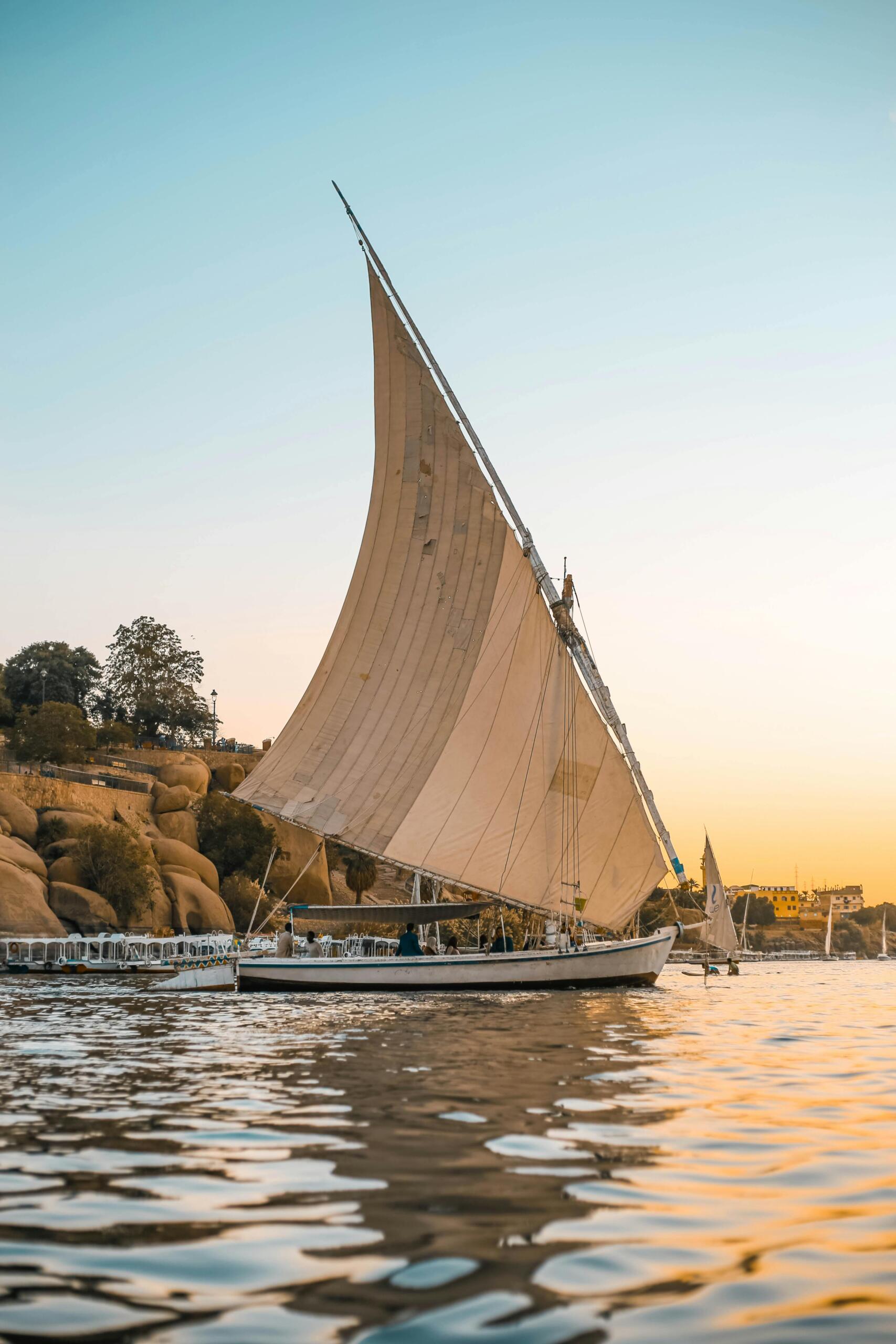
The Temple of Esna is located in Esna, a small town on the west bank of the Nile, about 55 km south of Luxor. The temple is easily accessible from Luxor and is a popular stop on Nile cruises.
Nearby Attractions:
Esna Lock – A modern structure regulating Nile river traffic, offering a glimpse of Egypt’s present-day life.
Karnak Temple – One of the most famous and vast temple complexes in Luxor, dedicated to the god Amun-Ra.
Luxor Temple – A grand temple in Luxor that was a key religious center in ancient Egypt.
Valley of the Kings – A major royal burial site, home to tombs of Tutankhamun and other pharaohs.
Hatshepsut Temple – A magnificent temple dedicated to Queen Hatshepsut, showcasing stunning reliefs and grand architecture.
Frequently Asked Questions (FAQ)
1. How can I visit the Temple of Esna?
The temple is accessible by road from Luxor or as part of a Nile cruise itinerary. Many guided tours include Esna as a stop while exploring Egypt’s ancient wonders.
2. What is the best time to visit the Temple of Esna?
The best time to visit is between October and April, when the weather is cooler and more comfortable for exploring outdoor sites.
3. What are the opening hours and ticket prices?
The temple is open daily from 8 AM to 5 PM. Entrance fees may vary, and guided tours are available for a more informative experience.
4. What makes the Temple of Esna unique?
Unlike many other temples in Egypt, the Temple of Esna is remarkable for its Greco-Roman influence, well-preserved hieroglyphics, and astronomical carvings, making it a must-visit for history lovers.
5. Can I take photos inside the temple?
Yes! Photography is allowed inside the temple, but flash photography is often restricted to help preserve the ancient reliefs.
Conservation of the Temple of Esna
In 2018, the University of Tübingen, in collaboration with the Egyptian Ministry of Antiquities, initiated a comprehensive documentation project. Supported by ARCE's Antiquities Endowment Fund, the project aimed to clean, conserve, and photographically document the temple's current state. Led by Egyptian conservators under Ahmed Emam and photographer Ahmed Amin, the team focused on preserving the temple's rich decorations and architectural details. Notably, the temple's astronomical ceiling, akin to that of the Hathor Temple at Dendera, showcases detailed celestial representations, including the zodiac signs, planets, and constellations.
At Top Class Egypt Travel, we specialize in curating extraordinary travel experiences that go beyond the ordinary. From the awe-inspiring pyramids of Giza to the vibrant bazaars of Cairo, our itineraries are crafted to immerse you in the rich tapestry of Egyptian history, culture, and natural beauty.
Discover Egypt in Style: Tailor-Made Holidays for Unforgettable Adventures
Explore Egypt like never before with our tailor-made holidays, designed to cater to your unique preferences and create unforgettable memories.
Everything you need to know about traveling to Egypt
+
How can I book an Egypt day tour?
Booking through reputable tour operators or agencies is advisable. You can also book tours through the website www.topclassegypttravel.com or WhatsApp us at +201221029071.
+
Are guided tours necessary?
While you can explore some sites independently, guided tours often provide valuable historical and cultural insights. It's recommended to hire a guide for complex historical sites like the Pyramids.
+
What's the best time to visit Egypt?
Egypt's peak tourist season is from October to April when the weather is cooler. However, if you prefer fewer crowds and lower prices, consider visiting during the shoulder seasons.
+
What should I wear during the tours?
When visiting religious sites and conservative areas, it's respectful to dress modestly. Light, breathable clothing and comfortable shoes are recommended.
+
Is it safe to travel to Egypt?
Egypt has made substantial efforts to enhance the safety and security of tourists. While it's always important to stay informed and exercise caution, many travelers visit Egypt without any issues.
+
What draws travelers to Egypt?
Egypt's appeal lies in its rich history, featuring ancient sites dating back over 4,000 years, alongside captivating city resorts and pristine beaches. Your Egyptian journey promises the vacation of your dreams.
+
What are the transportation options?
When it comes to getting around Egypt, a taxi is often the fastest choice, particularly in Cairo. Alternatively, you can opt for the efficient metro system when roads are congested.
+
What languages are spoken in Egypt?
Arabic is the official language of Egypt, but most Egyptians in urban areas understand and speak some English. Professional tour guides offer guidance in English and other languages.
+
What are the best activities to enjoy?
Egypt offers diverse activities: Nile Cruises, hot air balloon rides, Egyptian cuisine, shopping in Old Cairo, diving and snorkeling in the Red Sea, and Western Desert safaris.
+
Why choose Top Class Egypt Travel?
With over 20 years of experience, we create remarkable vacations across Egypt. We tailor all tours to your specific needs. Your safety and comfort are our top priorities.
Why Choose Us?
We craft unforgettable adventures for passionate explorers around the world.
Tailored Experiences
Design your ideal journey, customize every detail or let us craft the perfect itinerary based on your preferences and interests.
Multi-Country Trips
Effortlessly explore multiple destinations with seamless planning and the best value, guided by trusted local specialists.
Over 65 Years of Success
Benefit from decades of expertise in Egyptian tourism, delivering reliability, trust, and unforgettable travel memories.
Secure Online Payments
Book with confidence knowing your personal and financial information is fully protected with safe payment methods.
24/7 Customer Support
Enjoy peace of mind with round-the-clock assistance before, during, and after your trip.
Best Price Guarantee
Get transparent pricing with no hidden fees, ensuring the best value for your dream vacation.
Authentic Local Experiences
Discover Egypt beyond the landmarks with cultural encounters, local markets, and unique community visits.
Luxury & Comfort
Stay in handpicked hotels, luxury Nile cruises, and boutique accommodations tailored to your style.